
Antique Tabletop Easel
An antique tabletop easel supports photographs, mirrors, and books on desks and dressers with adjustable stands.
Antique Tabletop Easel
When you search for an antique tabletop easel, you encounter a varied group of desk and dressing table accessories designed to display pictures, mirrors, and books. These functional pieces support portraits, small paintings, and reading materials at a convenient angle for viewing.
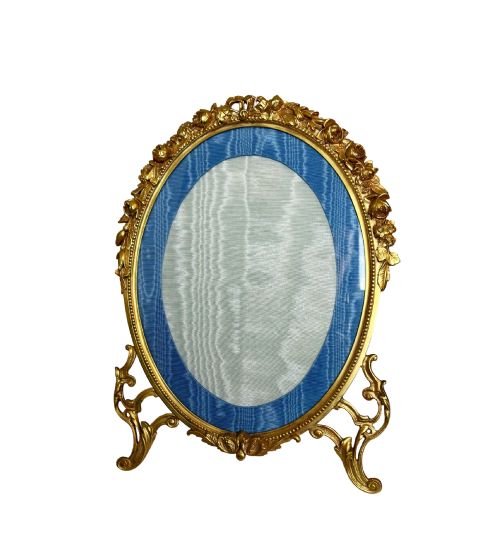
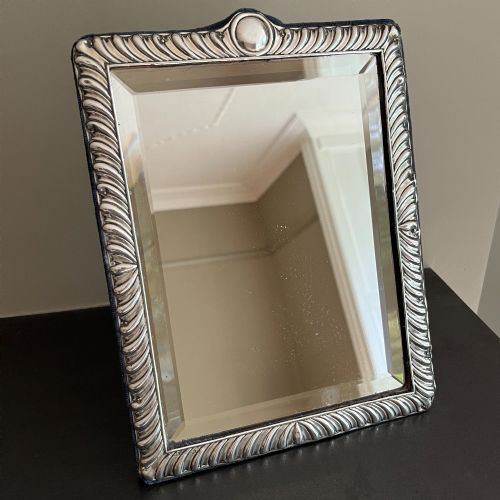
The selections on this page span the Victorian, Edwardian, and George V periods, extending into the 1920s and 1930s. Alongside dedicated display stands, you will find related domestic items that incorporate integral folding backs or easel supports, such as photograph frames, dressing table mirrors, and book stands.
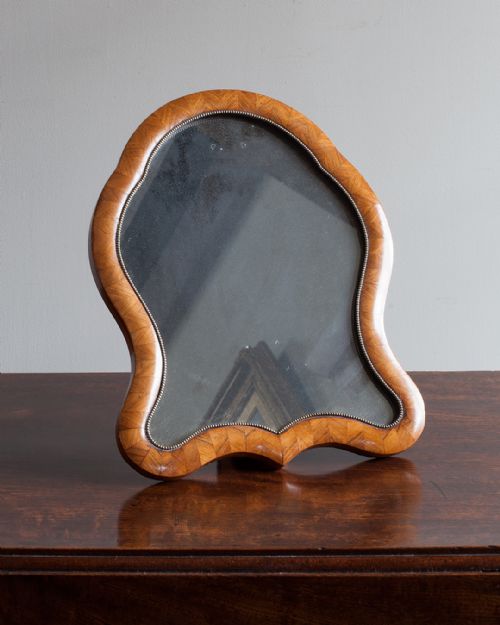
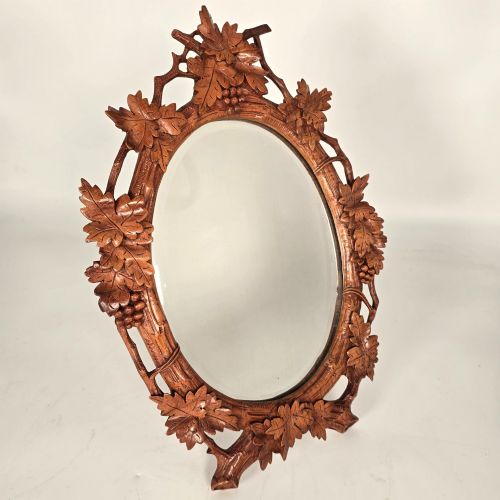
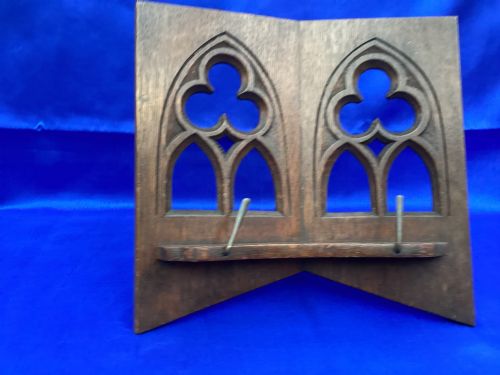
Materials range from traditional hardwoods like mahogany and oak to sterling silver, gilt bronze, and tortoiseshell. Continental porcelain, champleve enamel, and carved lime wood also appear, reflecting the stylistic shifts from Gothic Revival and French Rococo to Arts and Crafts and Art Deco.
Materials and construction methods
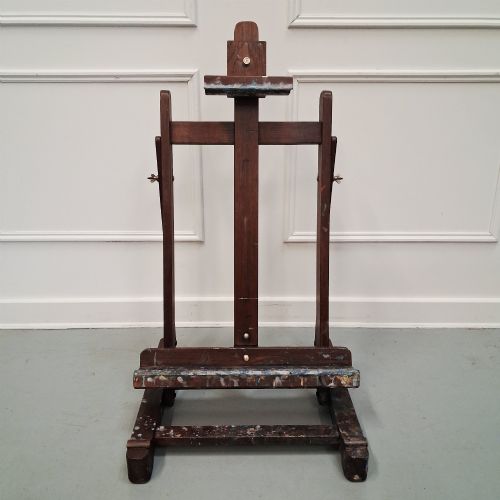
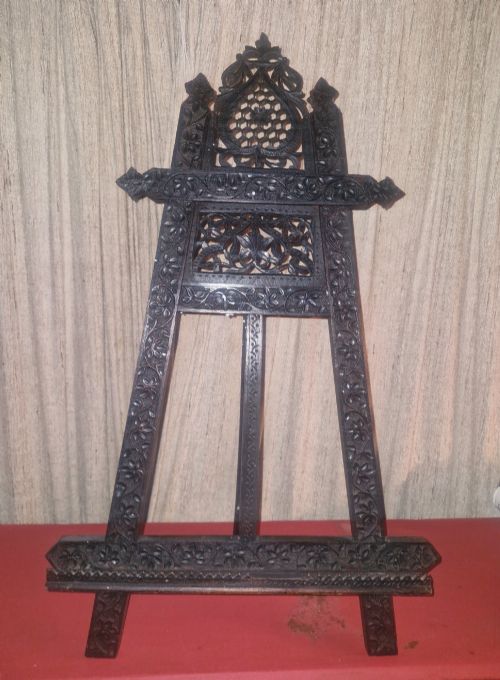
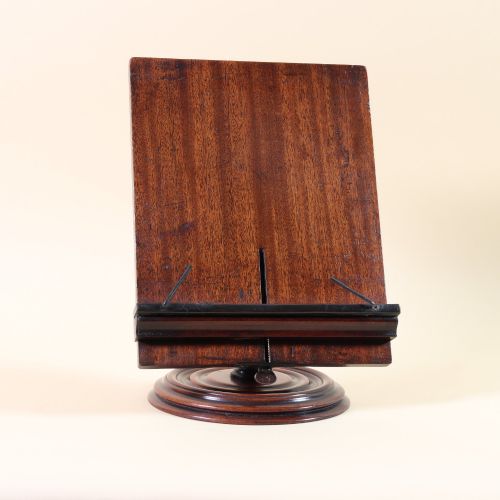
Makers utilised solid timbers such as mahogany and oak, often employing carving techniques to shape decorative plate stands, book rests, and picture easels. Wood surfaces were finished to highlight natural grain, sometimes paired with pegged joinery or hinged folding struts.
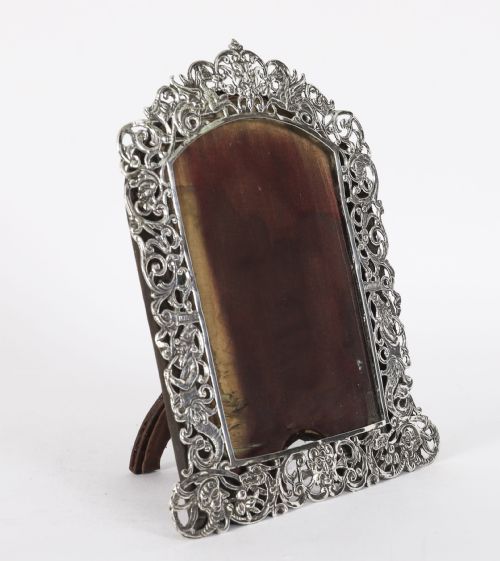
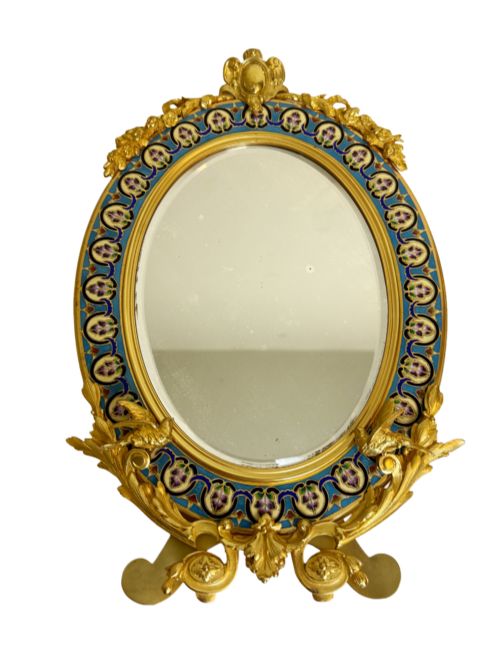
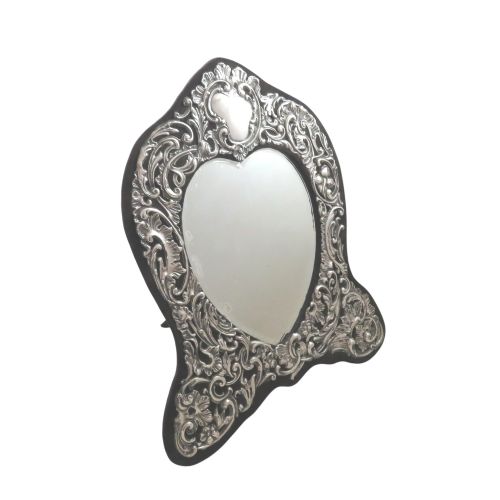
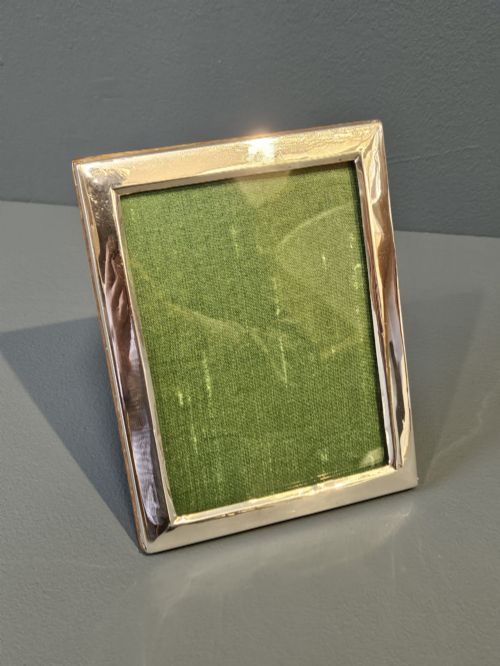
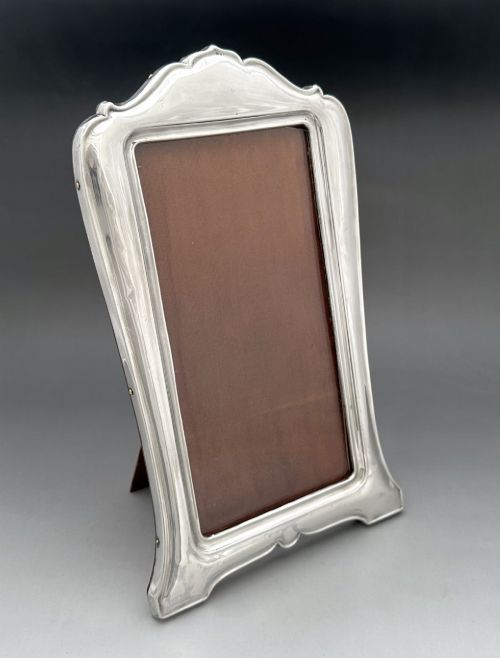
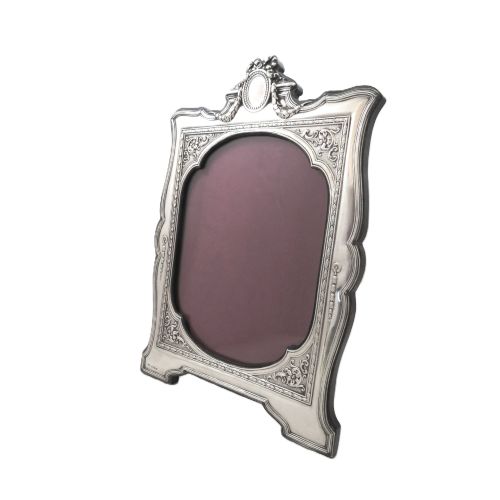
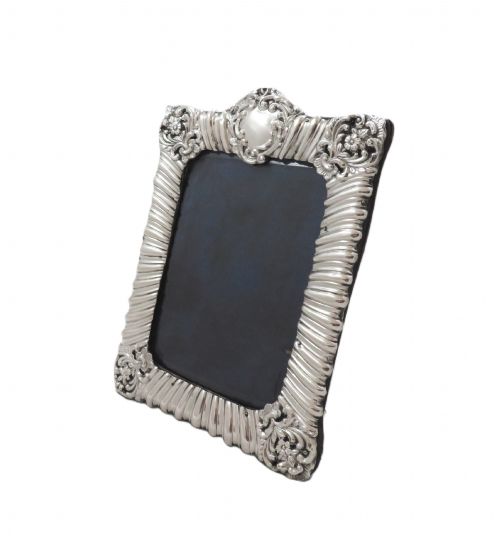
Metalwork forms a significant portion of these objects, particularly sterling silver mounted around wooden backs, and cast gilt bronze enriched with champleve enamel. Silver frames frequently featured hallmarks from assay offices like Birmingham and Chester, indicating metal purity and year of creation.
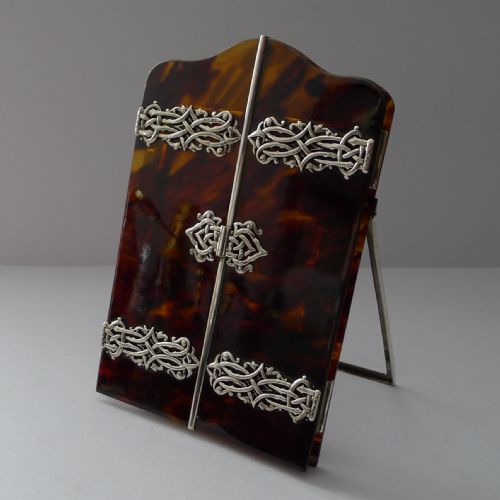
Specialist materials such as tortoiseshell, velvet, and glass were integrated into frames and mirrors to provide rich texture. Artisans secured these delicate panels within metal or wooden housings, attaching hinged rear struts for desktop stability.
Some silver frames sport fierce little owls and birds staring out from pierced Edwardian borders.
Distinctions in quality
The calibre of an antique tabletop easel depends upon the crispness of its hand-carving or the precision of its metal casting. Finely chased gilt bronze and deeply carved lime wood or oak represent higher standards of craftsmanship than plain, mass-produced alternatives.
The integrity of the rear support mechanism heavily influences overall quality. Original hinged struts that hold firm without wobble, combined with intact velvet backing boards and unblemished silver or glass, separate superior examples from those with replaced components.
Rosenthal, Jacob and Co.·Walker and Hall·Syner and Beddoes
The Antique Tabletop Easel Glossary
- Champleve
- An enamelling technique where troughs are dug into a metal surface and filled with vitreous enamel before firing. It is frequently seen on late nineteenth-century gilt bronze frames.
- Strut
- A rear prop or leg attached to a frame or mirror that allows it to stand independently on a flat surface. These are often hinged and fabric-lined.
- Hallmark
- A stamp applied to precious metals indicating the maker, standard of purity, and assay office. British silver items often display these official marks on the border.
- Tortoiseshell
- The mottled shell of certain turtle species used as a decorative overlay on frames. It was frequently mounted beneath pierced sterling silver tracery during the Victorian period.
Antique Tabletop Easel: Frequently Asked Questions
What is an antique tabletop easel used for?
These pieces serve as desktop supports for displaying photographs, small paintings, decorative plates, and dressing table mirrors.
They allow personal items and books to be stood upright on tables, desks, and mantelpieces for easy viewing.
How do I identify the period of a silver frame?
Silver frames often carry hallmarks that indicate the assay office, metal standard, and specific year of manufacture.
Stylistic cues such as heavy Victorian casting, Edwardian pierced borders, or geometric Art Deco lines also point to particular decades.
Are wooden tabletop easels adjustable?
Many wooden book stands and display easels incorporate hinged ledges or adjustable back struts to alter the viewing angle.
Simpler plate stands maintain a fixed pitch suited for displaying decorative ceramics or framed artwork.
What materials are common in these items?
Common materials include sterling silver, mahogany, oak, gilt bronze, and carved lime wood.
Luxury examples may combine glass, velvet linings, tortoiseshell panels, and champleve enamel work.