


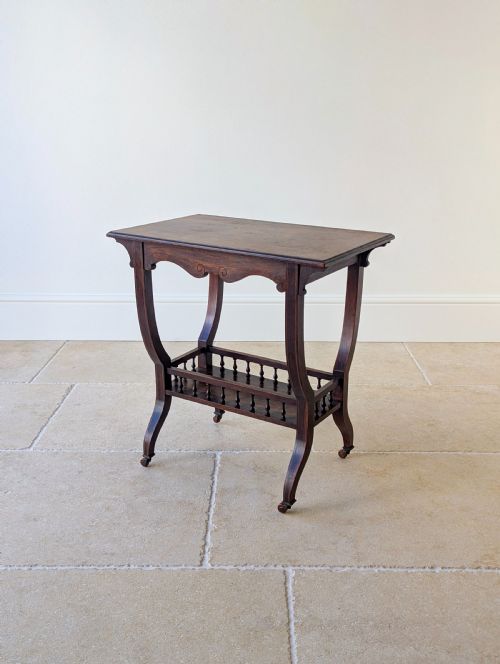
Antique Table with Undertier
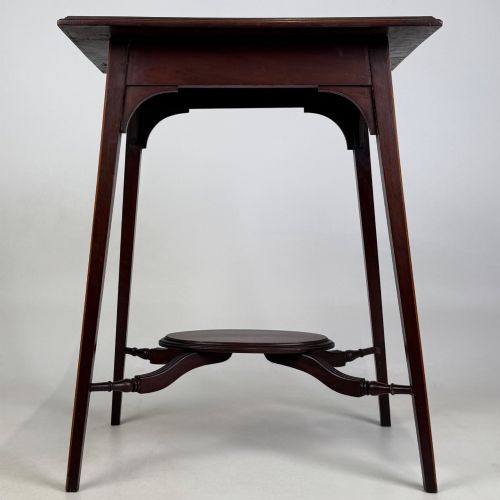
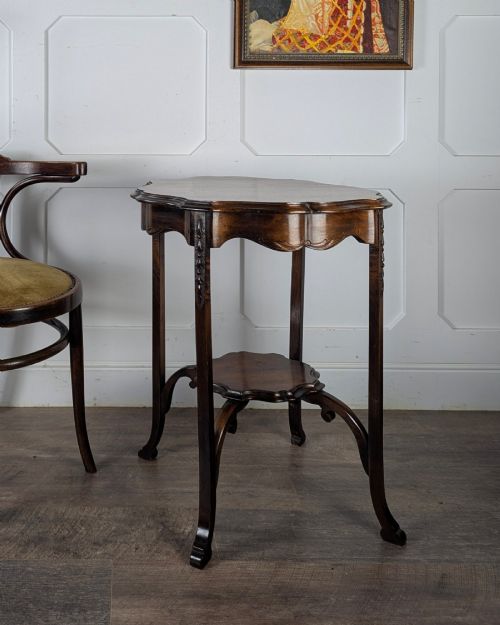
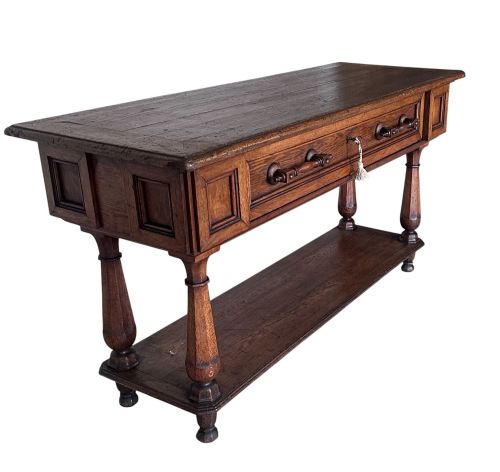
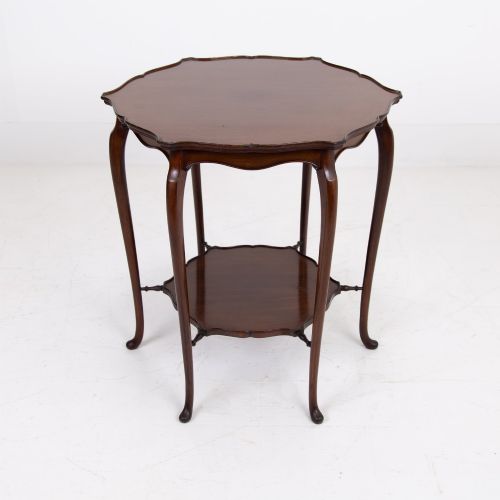
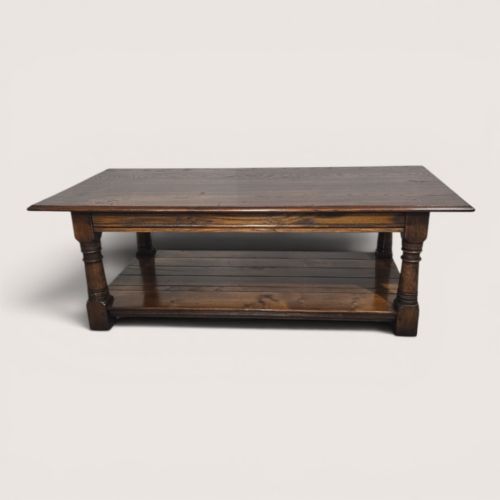
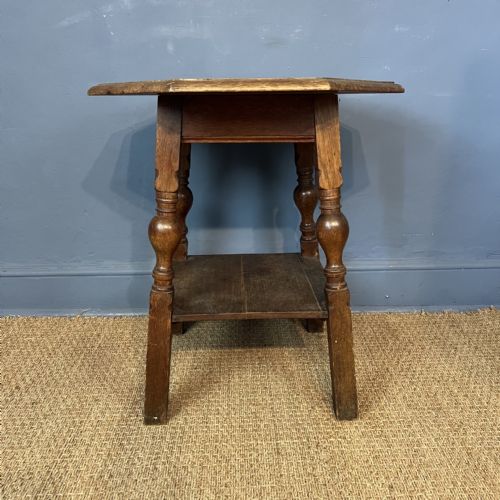
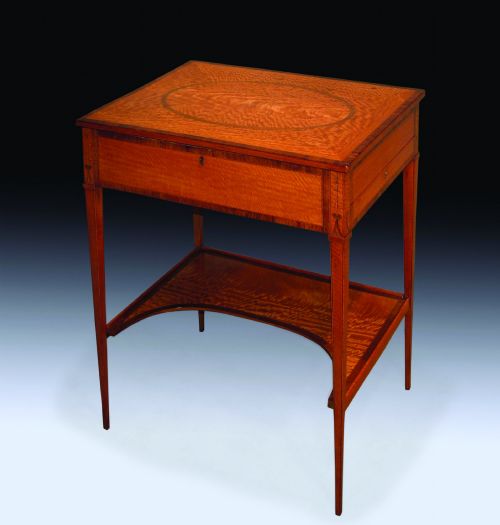
An antique table with undertier offers a practical lower shelf for storage while providing a stable platform in mahogany, oak, or walnut.
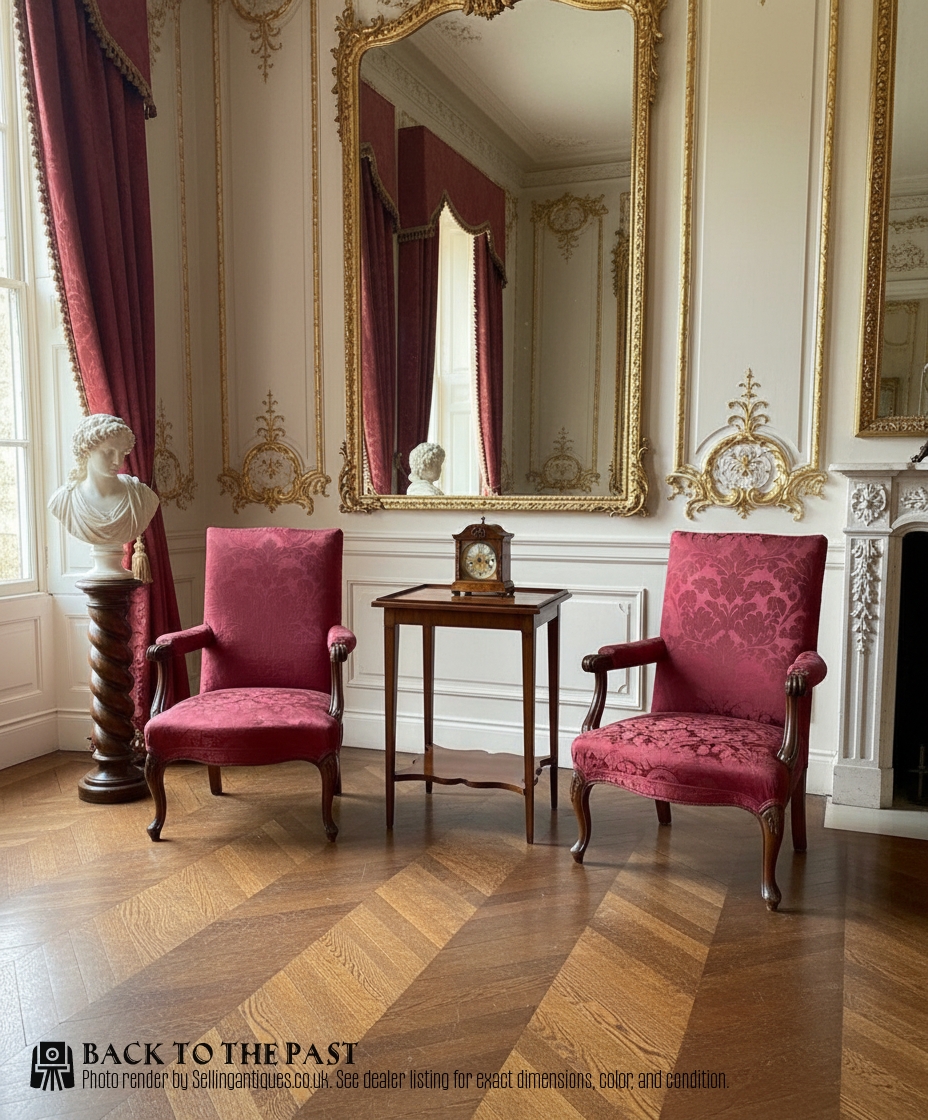
Antique Table with Undertier
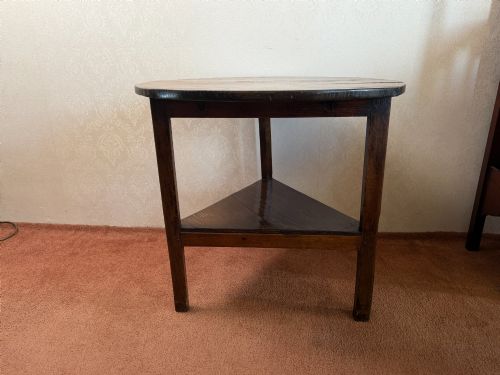
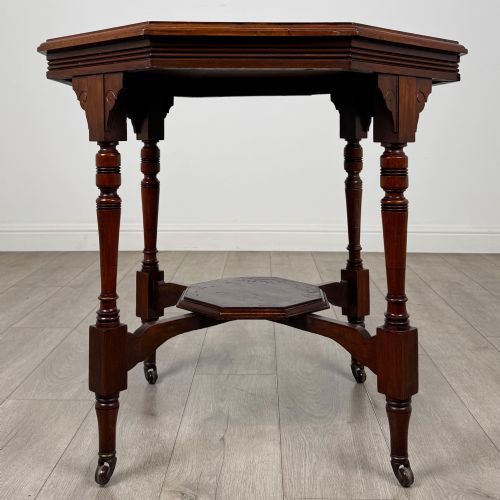
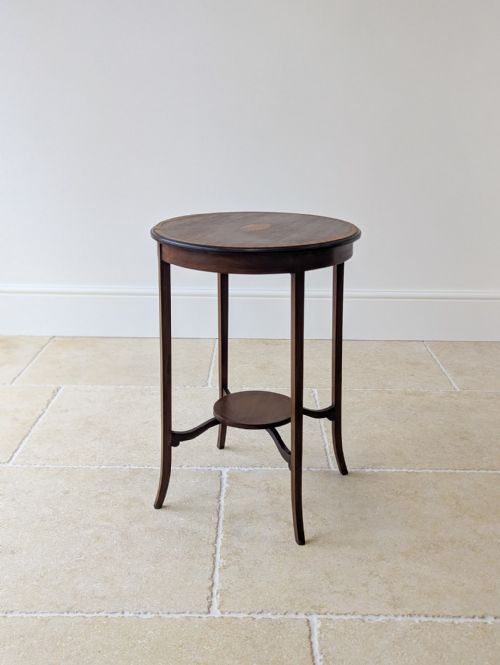
The selections span from late eighteenth century oak cricket tables and nineteenth century French serving tables to twentieth century occasional tables with inlaid details. Buyers encounter diverse forms including circular, oval, kidney shape, and octagonal tops supported by the characteristic undertier shelf.
Makers utilised various stylistic revivals, producing Sheraton and Chippendale revival pieces alongside Arts and Crafts and Art Nouveau designs. The lower shelf serves both a structural bracing purpose and a practical display area for small objects.
Materials and construction methods
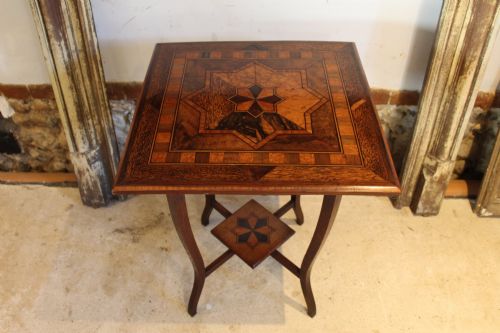
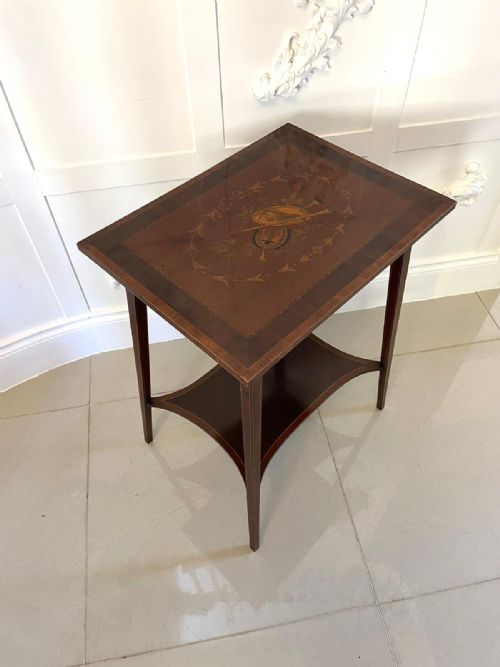
Cabinetmakers constructed these tables primarily using solid and veneered timbers such as mahogany, oak, walnut, and rosewood. Satinwood and boxwood inlay frequently decorated the top surfaces and undertiers of Edwardian examples.
Joinery techniques varied from traditional pegged joints in earlier oak pieces to fine cabinet work in Edwardian mahogany tables. Brass fittings and painted decoration appeared on specific decorative and library tables.
Antique Table with Undertier Retail Price Guide 2026
Typical asking prices for table with undertier among the pieces listed under this phrase on Sellingantiques today, from the lower quarter to the upper quarter. They describe what is for sale here now, not the wider market.
Some occasional tables lean into a gypsy style, bringing a touch of bohemian flair to late Victorian and Edwardian parlours.
Distinctions in craftsmanship and design
Quality separates standard production from exhibition pieces through the precision of timber selection, such as figured mahogany or finely matched satinwood veneers. The complexity and execution of inlaid stringing and boxwood details indicate the skill of the workshop.
Structural integrity of the undertier shelf connection to the main legs determines longevity and stability. Subtle carving, shaped kidney tops, and matched timber grains elevate the status of an occasional table.
The Antique Table with Undertier Glossary
- Undertier
- A secondary lower shelf fitted between the legs of a table below the main surface. This tier provides additional storage and adds structural rigidity to the frame.
- Occasional table
- A small, movable table designed for general use in a reception room or parlour. These pieces changed location easily to serve different functions throughout the day.
- Cricket table
- A small three-legged round table with a lower undertier shelf, originating from early vernacular English domestic use. They typically feature sturdy oak construction.
- Inlay
- A decorative technique where contrasting woods like boxwood or satinwood are inserted into recesses in the primary timber surface. This creates crisp geometric or floral patterns.
- Lamp table
- A compact occasional table specifically sized to support a table lamp or decorative object. They frequently incorporate an undertier for holding books or small items.
Antique Table with Undertier: Frequently Asked Questions
What is an undertier used for?
The lower shelf provided a convenient space for placing books, magazines, or small decorative items while keeping the main surface clear. In period interiors, these tables held tea accessories or lamps.
Today, the undertier continues to function as a practical display shelf in living spaces and hallways.
How do I date an Edwardian table?
Edwardian tables often feature light mahogany timbers combined with satinwood inlay, bellflower motifs, and slender tapered legs. Cabinet makers of this era frequently utilised machine assistance alongside traditional hand joinery.
Comparison with documented pieces from around nineteen hundred helps confirm the period of manufacture.
Are these tables sturdy enough for daily use?
The lower undertier shelf acts as a structural stretcher connecting the legs, which inherently reinforces the entire frame. Most occasional and side tables handle everyday placement of lamps and decorative objects comfortably.
Heavier library tables and serving tables utilise robust oak or mahogany construction suited for greater weight.
What distinguishes Sheraton revival styles?
Sheraton revival pieces draw inspiration from eighteenth century neoclassical designs, featuring clean geometric lines and delicate contrasting inlay. Makers of the Edwardian era reproduced these classic proportions using fine mahogany and satinwood.
Subtle stringing and tapered supports define this refined aesthetic.