


Antique Table with Glass Top
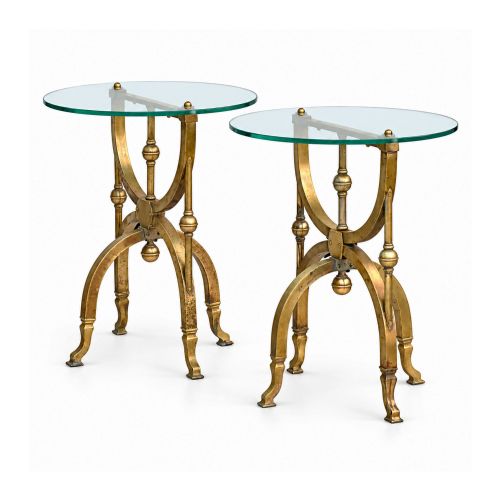
These antique table with glass top selections bring together useful surfaces and clear glazing to display or protect what rests beneath.
Antique Table with Glass Top
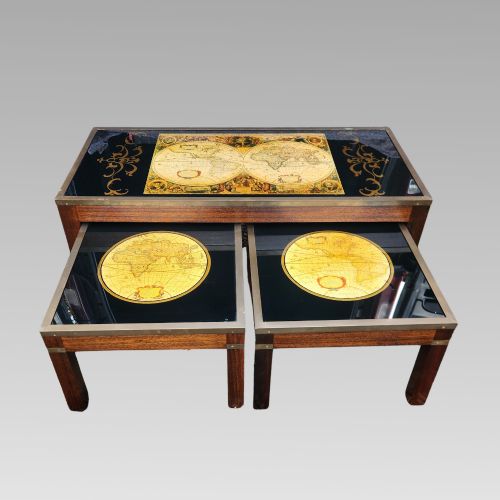
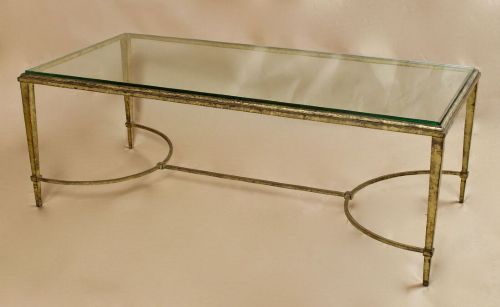
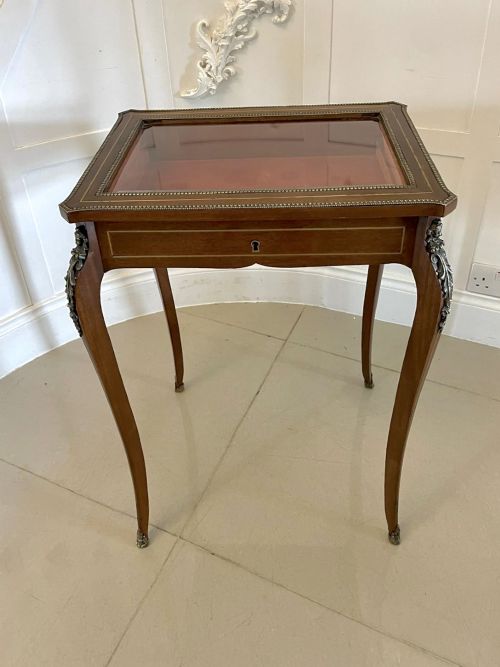
An antique table with glass top serves as a practical surface while offering a clear view of objects placed inside or underneath. The examples found here span several distinct periods including the Georgian era, the Victorian period, and the Edwardian years.
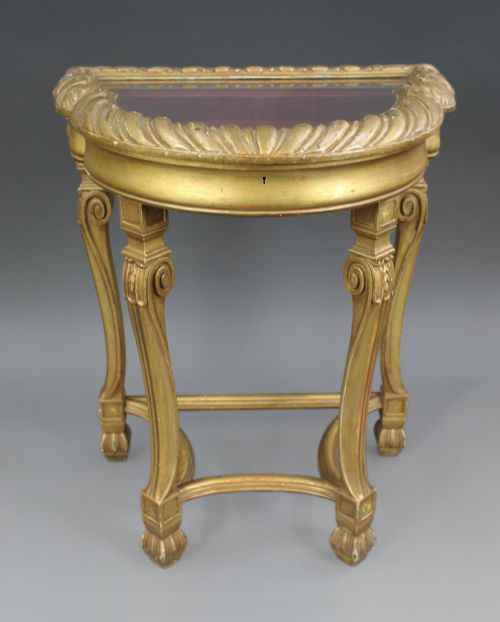
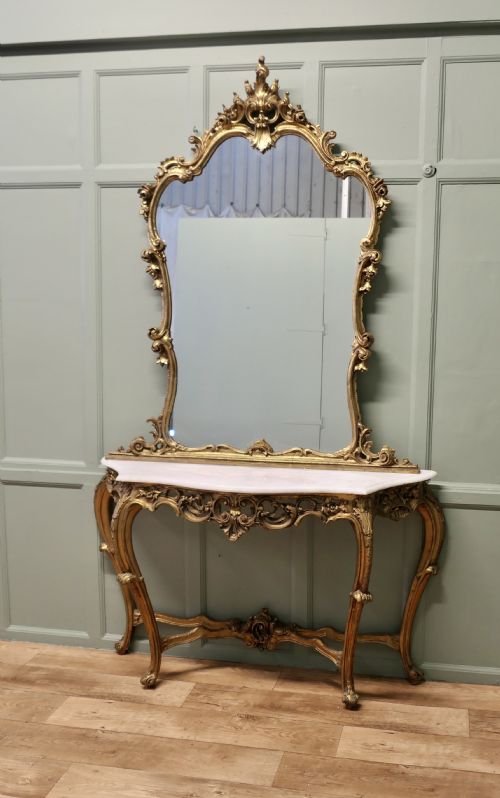
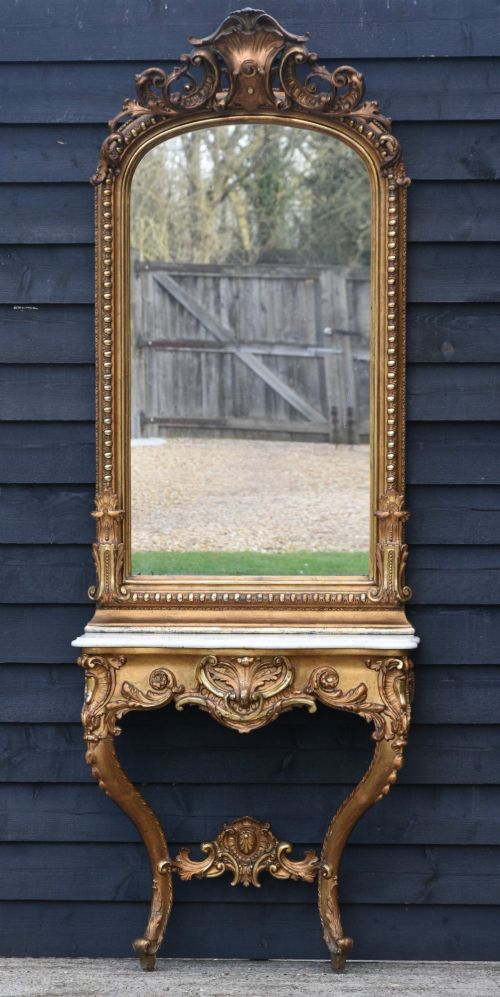
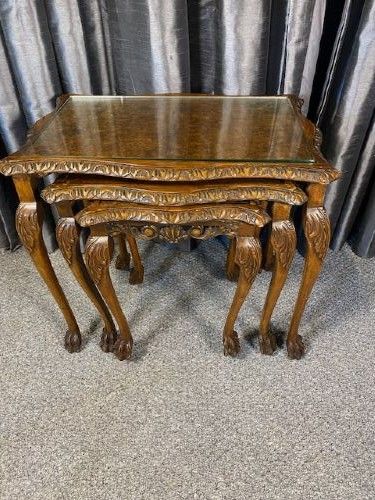
Most pieces on this page take the form of display tables, coffee tables, or console tables. Makers from the past utilised these glazed surfaces to showcase items like jewellery and panels.
Origins range from English workshops to French Louis XVI style creations and Chinese oriental designs. Each piece combines a sturdy wooden or metal frame with transparent glazing.
Materials and construction
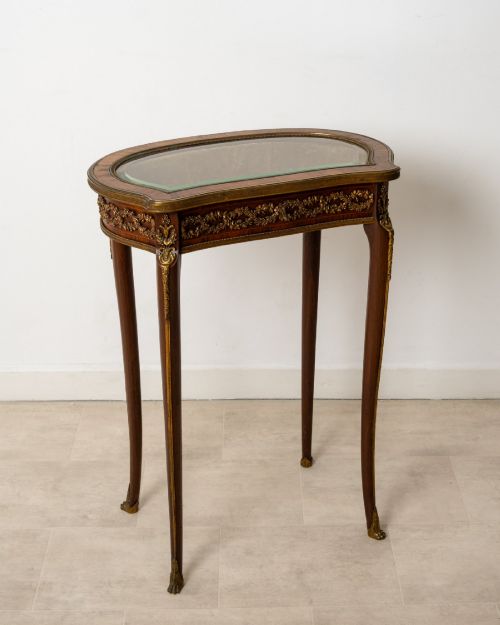
The frames rely on timbers such as mahogany and ebonised wood, often joined with traditional cabinet-making techniques. Metal elements like brass mounts, ormolu, and sterling silver provide decorative structure and secure the glass components.
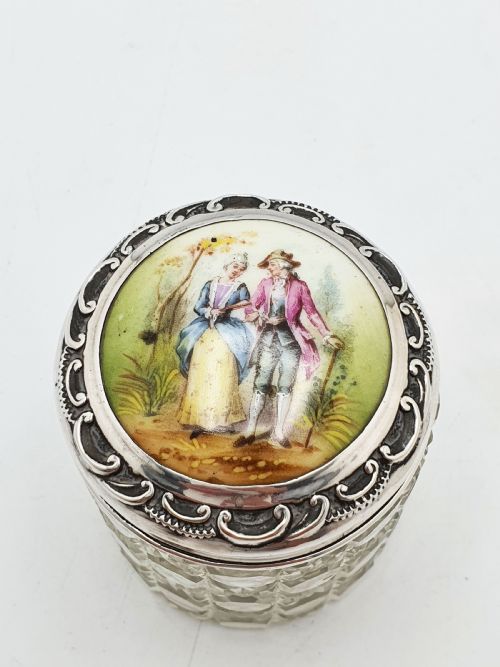
Glazing takes the form of bevelled glass or fitted panels designed to sit flush within wooden or metal borders. Additional details include hand-painted porcelain plaques and floral painted decoration applied directly to the wood.
Antique Table with Glass Top Retail Price Guide 2026
Typical asking prices for table with glass top among the pieces listed under this phrase on Sellingantiques today, from the lower quarter to the upper quarter. They describe what is for sale here now, not the wider market.
Several items combine scientific precision with domestic elegance, housing barometers alongside delicate jewellery boxes and display tables.
Judging quality
Quality rests in the precision of the woodwork and the clarity of the glass panel. Finer examples display crisp carving, well-fitted metal mounts, and polished surfaces that reflect careful hand labour.
Negretti and Zambra
The Antique Table with Glass Top Glossary
- Bijouterie table
- A display table with a glass top and sides, originally designed for showing small trinkets and jewellery. These pieces often feature hinged lids for easy access.
- Ormolu
- Gilded bronze mounts applied to furniture for decoration. This technique was popular in French furniture design during the nineteenth century.
- Bevelled glass
- Glass with an edge ground and polished to an angle thinner than the rest of the pane. This treatment catches the light and adds depth.
- Fretwork
- Openwork ornamentation carved in wood in geometric or scrolling patterns. It appears on panels beneath glass tops to add texture and visual interest.
Antique Table with Glass Top: Frequently Asked Questions
What is an antique glass top table used for?
These tables provide a sturdy surface for everyday items while allowing light to pass through to lower shelves or displayed objects. Many variants include internal compartments suited for holding delicate collectables.
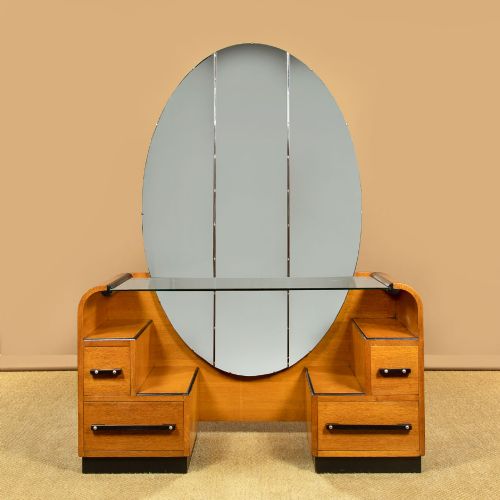
In period interiors, they served practical functions in drawing rooms and dressing areas. Today, they remain useful for surface utility and visual display.
How do I clean an antique glass top?
Wipe the glass gently with a soft cloth and a mild cleaning solution. Avoid harsh chemicals that might damage surrounding wooden frames or metal mounts.
Take care to prevent moisture from seeping into joints or painted decorations. Regular dusting helps maintain the clarity of the glass and the condition of the wood.
Are glass top tables fragile?
While the glass panels are thick and designed for regular use, they require sensible handling to prevent chipping or cracking. The surrounding wooden or metal frames help absorb minor impacts during daily life.
Placing items down with care ensures the glass remains intact over decades of use. Most surviving pieces demonstrate durable construction suited for continued placement in the home.