

Antique Table Set
An antique table set gathers dining chairs, nesting surfaces, or matching console and mirror combinations spanning multiple centuries.
Antique Table Set
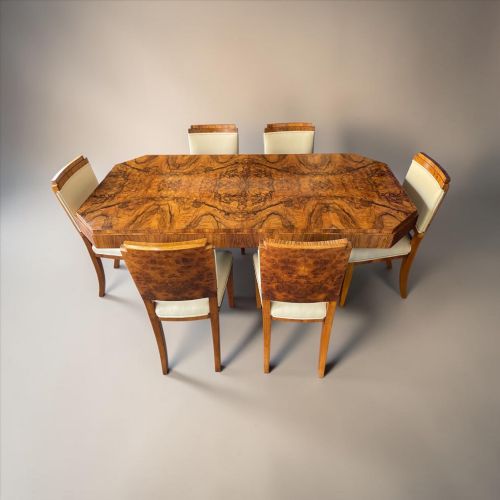
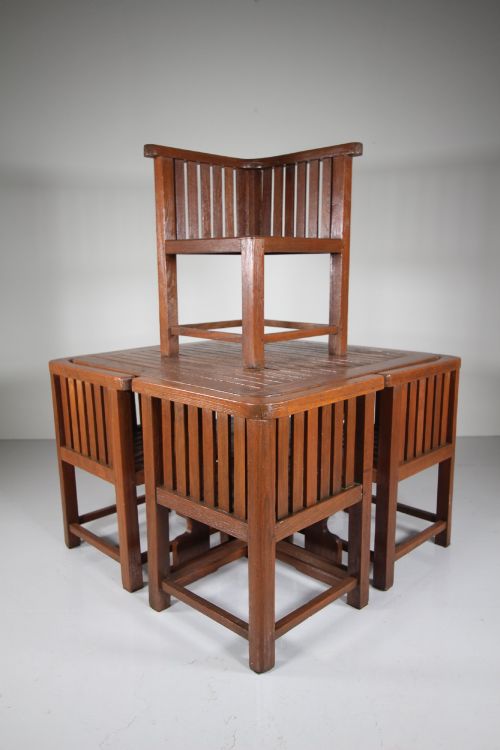
When you search for an antique table set, you encounter a diverse assortment of dining groups, nesting tables, and console tables with matching pier mirrors. These assemblies originate from various periods including the Regency, Victorian, and Edwardian eras, alongside the early twentieth century and the Art Deco movement.
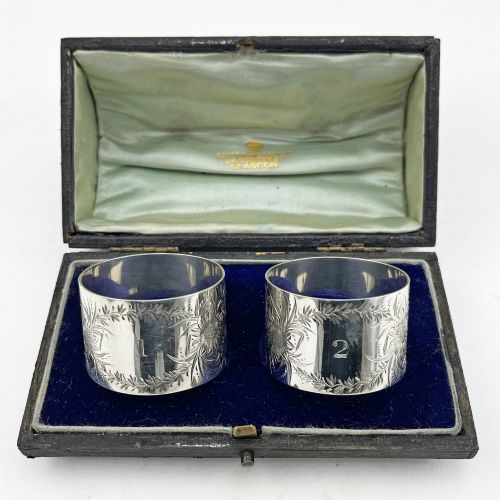
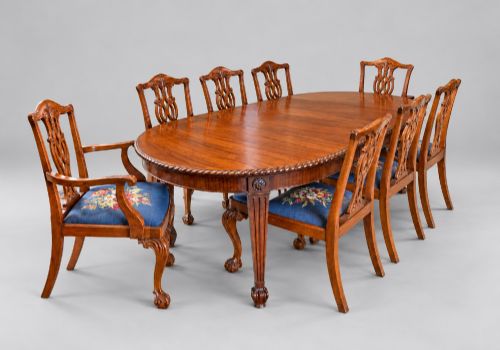
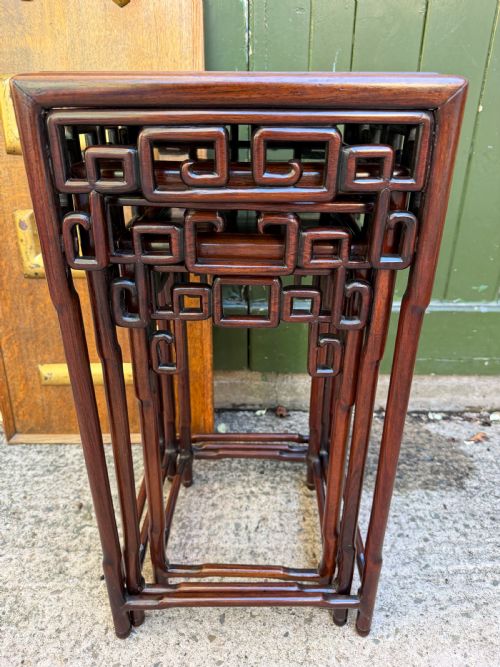
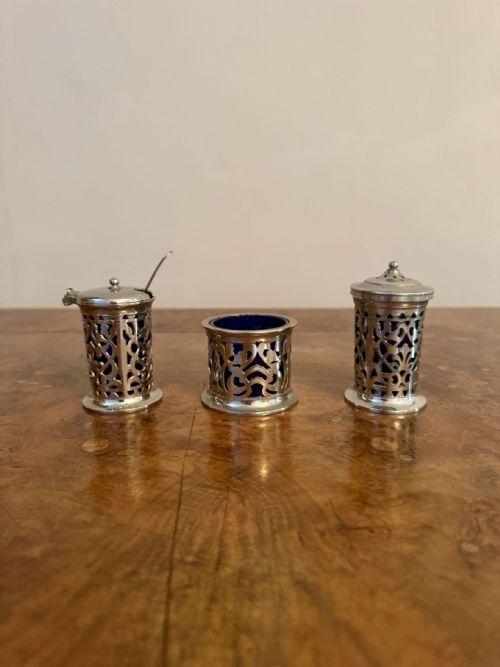
You are most likely to meet nesting tables in mahogany, oak, and burr walnut, or dining chairs paired with dining tables in matching timbers. Dining sets often incorporate multiple chairs alongside a substantial wooden table, while smaller sets comprise cruet sets, tea services, and napkin rings.
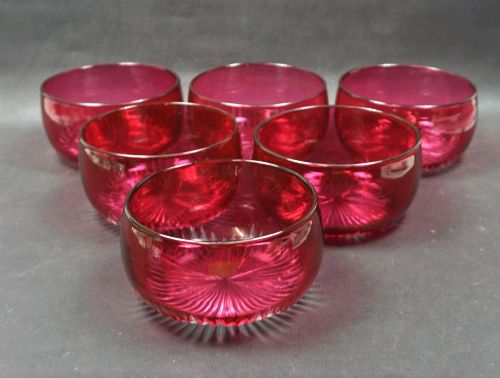
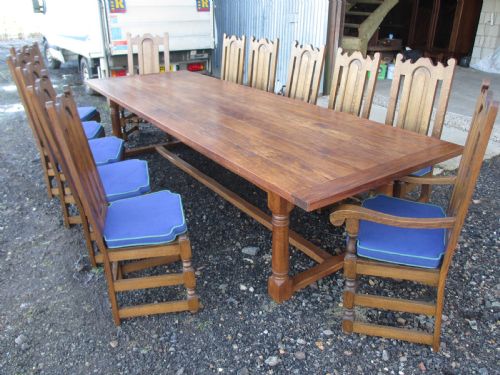
The materials span sterling silver, silver-plated metal, glass, fabric, velvet, brass, alabaster, marble, and gilt finishes. Forms range from quartetto nesting tables and refectory tables with benches to French console tables with matching mirrors.
Materials and construction methods
Cabinet makers utilised dense hardwoods such as mahogany, oak, and burr walnut for tables and chairs, frequently applying satinwood inlay and parcel gilt details. Joinery techniques in these wooden pieces rely on traditional methods suited to each specific era.
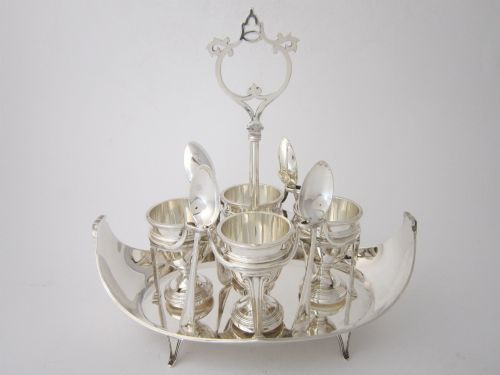
Silversmiths formed sterling silver and silver-plated items through casting, hammering, and detailed chasing, often incorporating handles and decorative mounts. Other pieces integrate bronze, marble, alabaster, and hand-woven fabrics or velvet linings.
Antique Table Set Retail Price Guide 2026
Typical asking prices for table set among the pieces listed under this phrase on Sellingantiques today, from the lower quarter to the upper quarter. They describe what is for sale here now, not the wider market.
Solid sterling silver lucky horseshoe napkin rings bring equestrian charm to the dining table.
Distinctions in quality
Quality rests upon the selection of timbers, the crispness of carved details in wood or cast metal, and the integrity of the original construction. Finer dining chairs and tables display superior grain patterns in mahogany and burr walnut, alongside precise inlay work.
The standard of silverwork and plated components shows in the weight of the metal, the clarity of hallmarks, and the preservation of original surface finishes. Matching console and mirror sets demonstrate quality through the harmony of their proportions and the depth of their gilt or carved decoration.
SAMPSON MORDAN·Jack Grimble·Maurice Adams
The Antique Table Set Glossary
- Quartetto
- A set of four nesting tables designed to fit one beneath another. This term frequently appears in Edwardian furniture descriptions.
- Pier mirror
- A tall mirror specifically designed to hang on the wall space between windows, often paired beneath or above a console table.
- Canteen
- A fitted box or cabinet containing a complete service of cutlery. These containers are commonly fashioned from mahogany.
- Cruet set
- A matched group of small containers for holding condiments such as salt, pepper, mustard, and vinegar at the dining table.
- Refectory table
- A long, narrow dining table traditionally supported by trestle ends or heavy legs with a stretcher. These large tables often include matching benches.
Antique Table Set: Frequently Asked Questions
What is a quartetto nest of tables?
A quartetto nest comprises four graduated tables that slide neatly beneath one another to save space. They became particularly popular during the Edwardian period.
Craftsmen frequently used mahogany with satinwood inlay to construct these practical furniture sets.
How were console tables and mirrors used?
Console tables paired with pier mirrors were placed against the wall between windows in grand nineteenth-century reception rooms. The mirror reflected light back into the space while the table served as a display surface.
French and Italian examples often feature gilt frames and matching marble tops.
How do I identify Edwardian furniture?
Edwardian pieces date from the reign of King Edward VII, spanning the first decade of the twentieth century. They often draw inspiration from earlier Georgian and Regency styles.
Cabinet makers working in this era utilised lighter timbers, delicate inlay, and refined proportions.