

Antique Table Salt Cellar
An antique table salt cellar brings small-scale metalwork, glass, and ceramic craft to the dining table.
Antique Table Salt Cellar
An antique table salt cellar serves as a small open vessel designed to hold salt at the dining table before modern shakers became common. These pieces appear across Georgian, Victorian, and Edwardian periods in forms ranging from simple open bowls to elaborate figural designs.
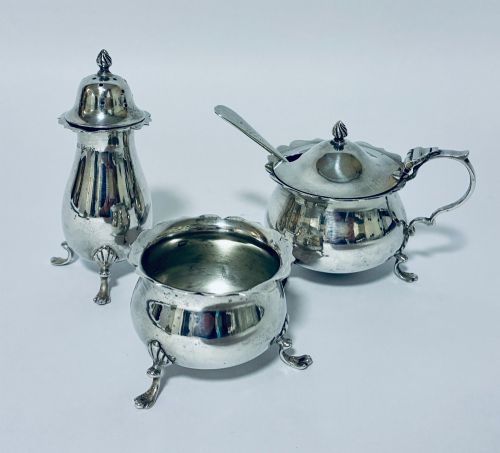
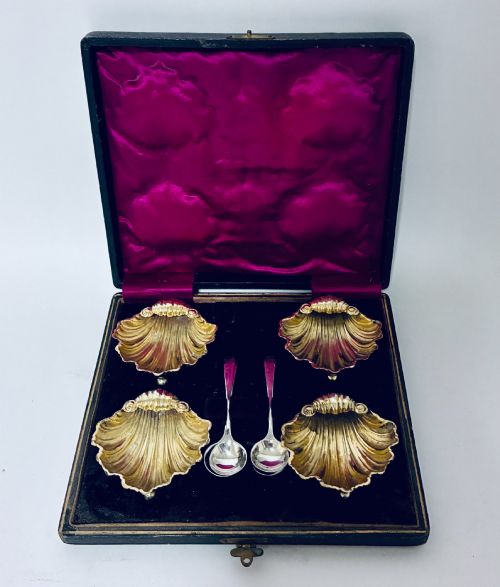
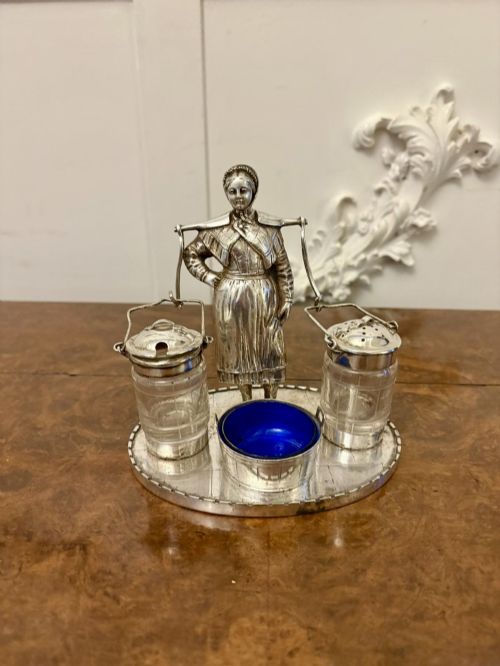
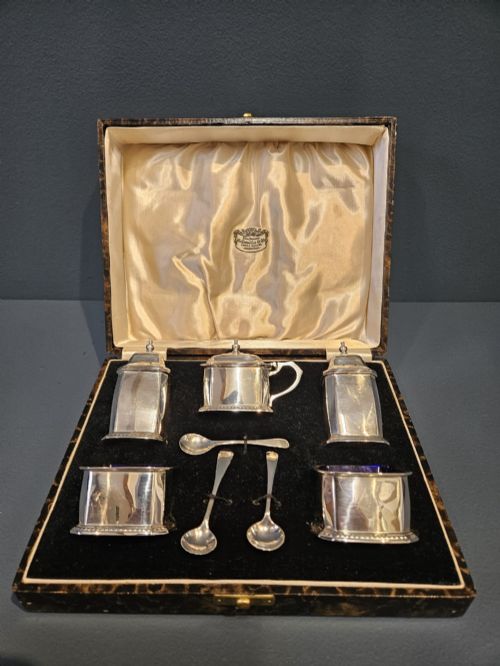
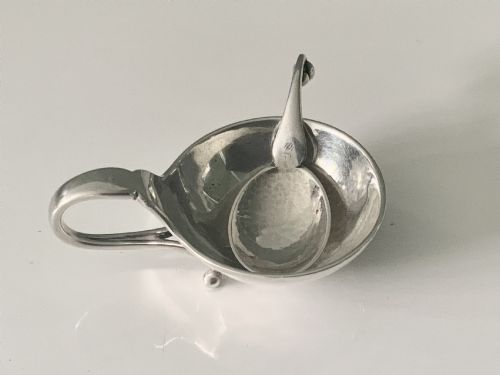
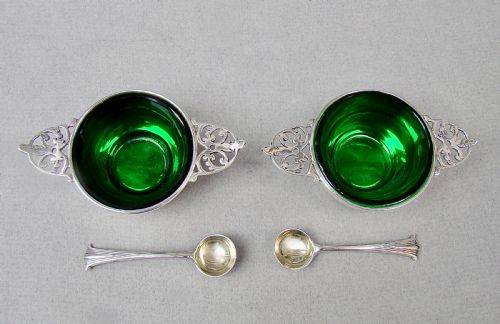
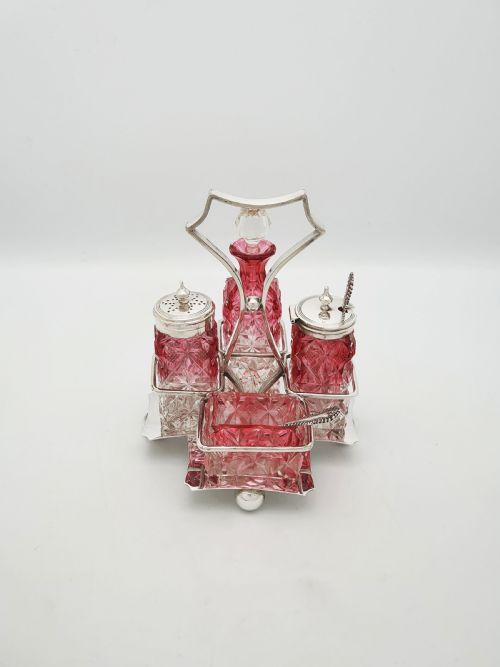
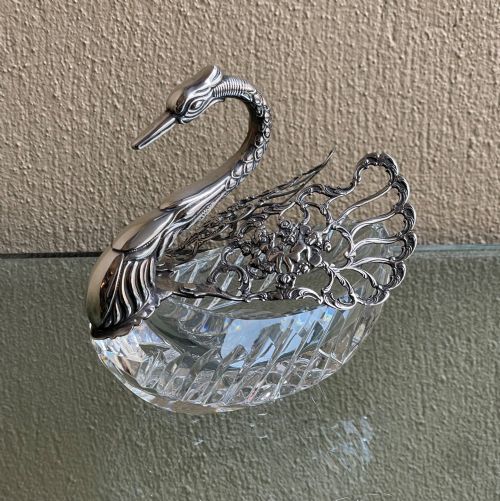
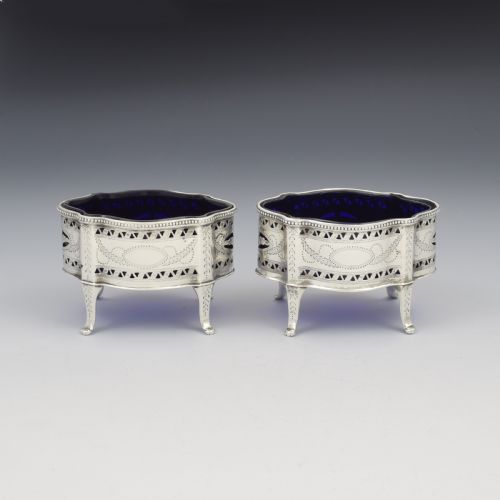
Buyers frequently encounter sterling silver and silver plate versions paired with coloured glass liners in cobalt or cranberry hues. Other examples take the form of boat shapes, cauldron forms, shell motifs, or novelty animal figures.
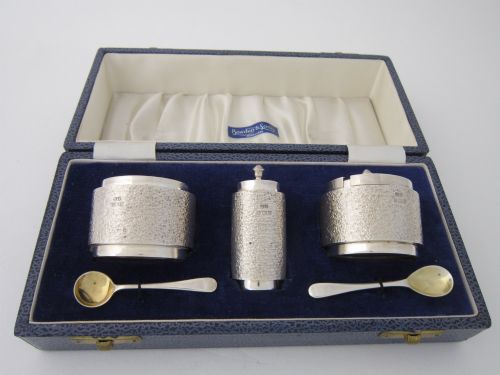
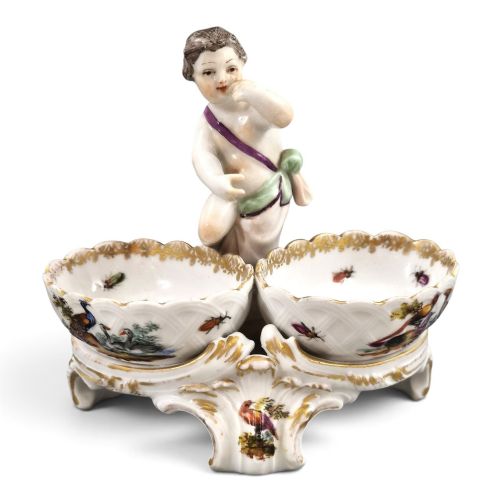
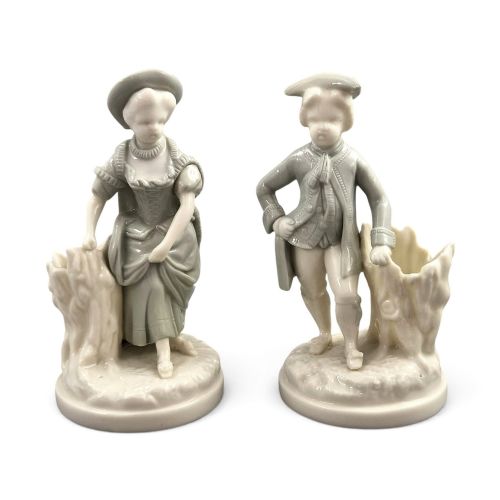
Origins span British silversmiths alongside continental European workshops producing porcelain, faience, and enamel. Sets often arrive as matched pairs or complete cruet assemblies alongside matching spoons.
Materials and methods
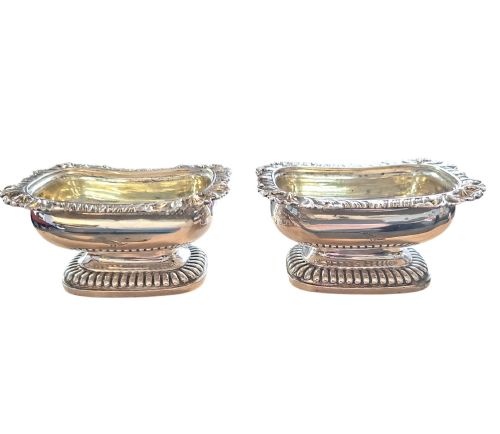
Silversmiths utilised sterling silver and silver plate through casting, piercing, and hammering techniques to shape cauldron, boat, and shell bodies. Many pieces incorporate rococo revival scrolling or naturalistic floral designs worked into the metal rims and feet.
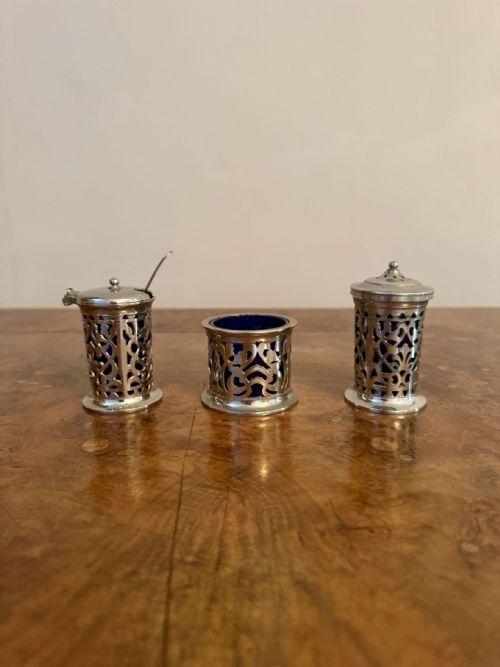
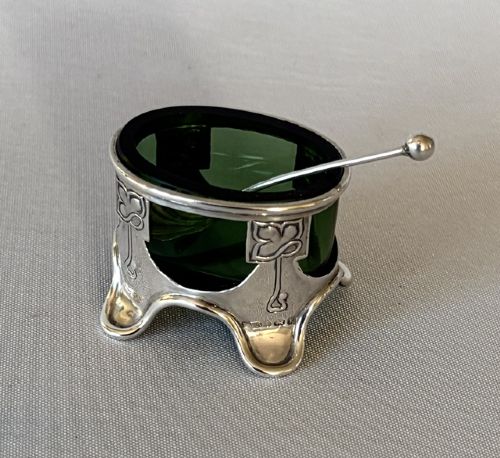
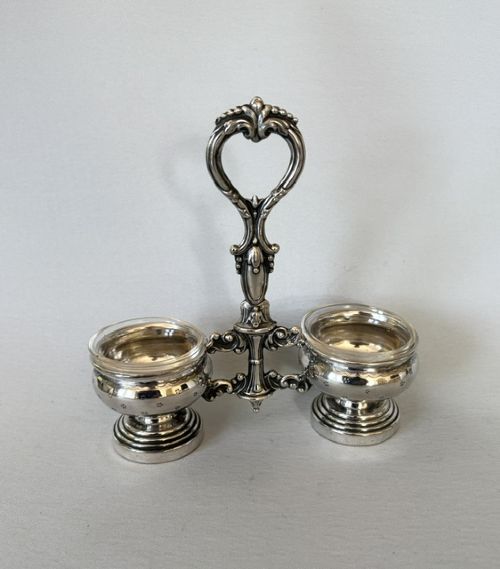
Makers integrated blown cut glass, cranberry flashed glass, and cobalt glass inserts to protect the metal from the corrosive action of salt. Ceramic works combine hand-painted porcelain and faience bodies with applied glazes and enamel details.
Internal surfaces frequently received a gold gilt wash, known as parcel gilt, to prevent tarnishing from the contents. Horn and carved elements occasionally appear alongside metal mounts in specialised regional pieces.
Antique Table Salt Cellar Retail Price Guide 2026
Typical asking prices for table salt cellar among the pieces listed under this phrase on Sellingantiques today, from the lower quarter to the upper quarter. They describe what is for sale here now, not the wider market.
Listings feature sterling silver, silver plate, cut glass, cobalt glass, and porcelain across Georgian, Victorian, and Edwardian periods.
Assessing quality
Quality rests upon the crispness of cast detail in chased metalwork and the precision of hand-pierced patterns in silver frames. Superior examples display clear maker marks, robust gauge metal, and heavy proportions that sit securely on the table.
The integrity of fitted glass liners influences value, particularly when original cobalt or blue glass components survive intact within the metal mount. Hand-painted ceramic pieces depend upon the preservation of enamel colours and bird or floral motifs without rubbing.
David Hennell·William Bateman·Paul Storr·Edward Farrell·Thomas Smily·Sampson Mordan·Georg Jensen·Josiah Williams and Co·Goldsmith and Silversmiths·KPM Berlin·Royal Worcester·HB Quimper
The Antique Table Salt Cellar Glossary
- Trencher salt
- A heavy, often geometric salt cellar dating from the seventeenth and eighteenth centuries that sat directly on the dining board. These low forms preceded footed designs.
- Cauldron salt
- A small round bowl raised on three or four small feet, frequently designed in the Georgian and Victorian eras to mimic cooking pots. They usually feature chased floral decoration or plain polished surfaces.
- Cruet set
- A matched assembly of glass bottles, mustard pots, and salt cellars held within a silver-plated or metal frame fitted with a central carrying handle. These groups served multiple condiments simultaneously.
- Glass liner
- A removable insert made from cobalt, cranberry, or clear glass that fits inside an open silver salt cellar. This component prevented salt from corroding the outer metal frame.
- Novelty salt
- A salt cellar shaped to resemble an animal, vehicle, or ship rather than a standard bowl. Victorian and Edwardian makers produced these in bird, chick, carriage, and longship forms.
Antique Table Salt Cellar: Frequently Asked Questions
How were salt cellars used?
Diners used small spoons or pinches of fingers to take salt from the open vessel onto the edge of their individual plates. This practice continued until mechanical shakers took over dining rooms.
Before free-flowing salt was invented, coarse table salt sat in these bowls to season food at the individual place setting.
How do I clean silver salt cellars?
Warm soapy water and a soft cloth clean most silver and glass components safely without damaging historical surfaces. Avoid abrasive dips that strip natural patination from older metalwork.
Removable glass liners should be taken out before cleaning the metal frame to prevent trapped moisture and chemical residue.
How do I spot reproduction pieces?
Genuine antique pieces show consistent wear patterns, correct period hallmarks, and construction methods appropriate to their stated century. Modern copies often feel lighter and lack the crisp hand-chased details found in original Georgian and Victorian work.
Examining the underside reveals maker marks and casting seams that confirm the production era and manufacturing technique.
Can I use them for dining today?
These small vessels hold salt, spices, or small condiments securely for modern meals when fitted with their original glass liners. Using glass or gilt-lined interiors protects the silver from direct contact with corrosive contents.
Careful hand washing preserves the delicate metal mounts and painted ceramic surfaces after each meal.