
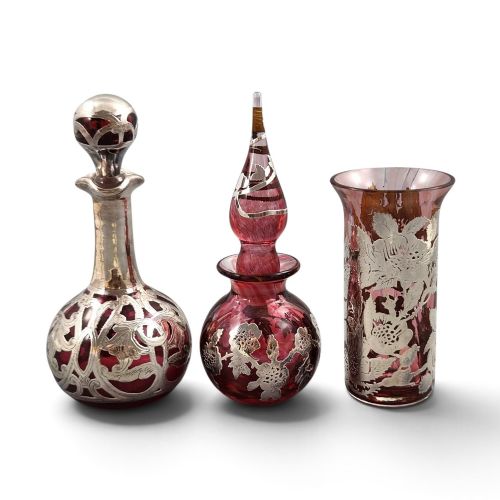

Antique Table Decanter
An antique table decanter brings the weight of cut glass and silver plate directly to the dining surface, offering a stable vessel for serving wine.
Antique Table Decanter
An antique table decanter encompasses glass vessels, stands, coasters, and tables designed to hold bottles and serve wine within domestic settings. Buyers searching for an antique table decanter will encounter items spanning the Georgian, Regency, Victorian, and Edwardian periods.
Origins stretch across English workshops, Scottish makers, and continental European pieces, reflecting the dining customs of the eighteenth, nineteenth, and early twentieth centuries.
Materials and Construction
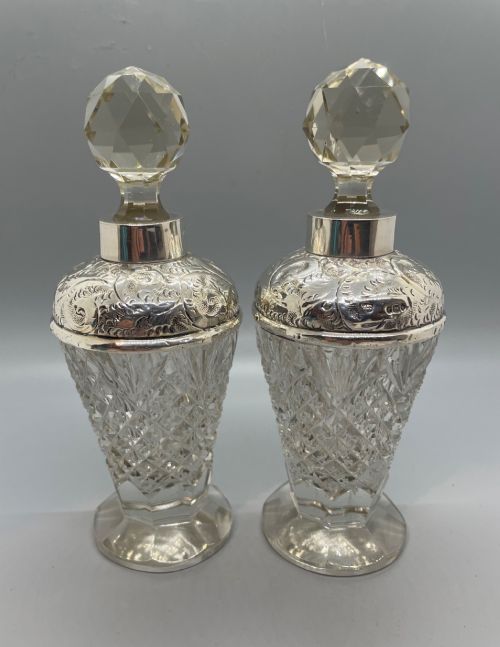
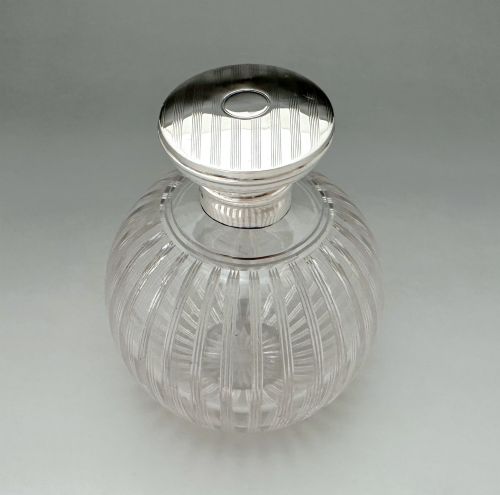
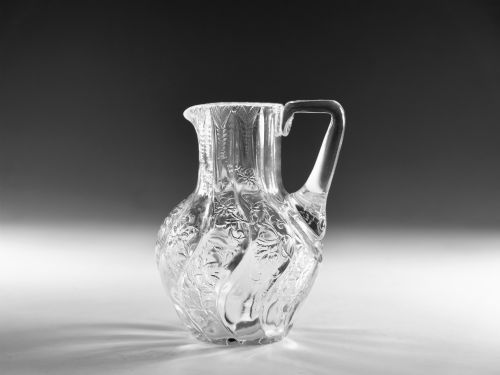
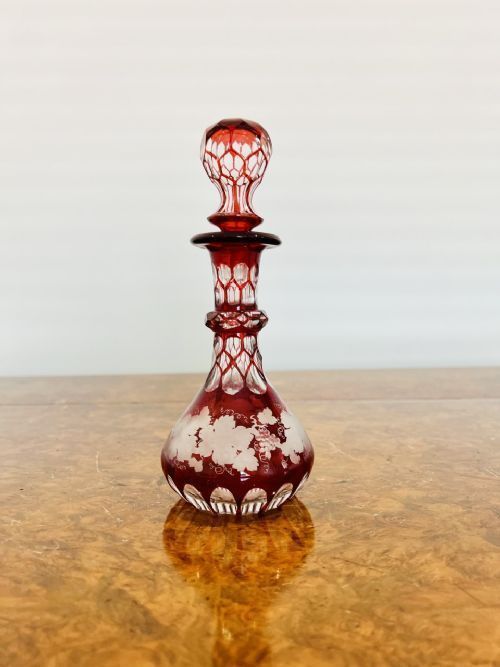
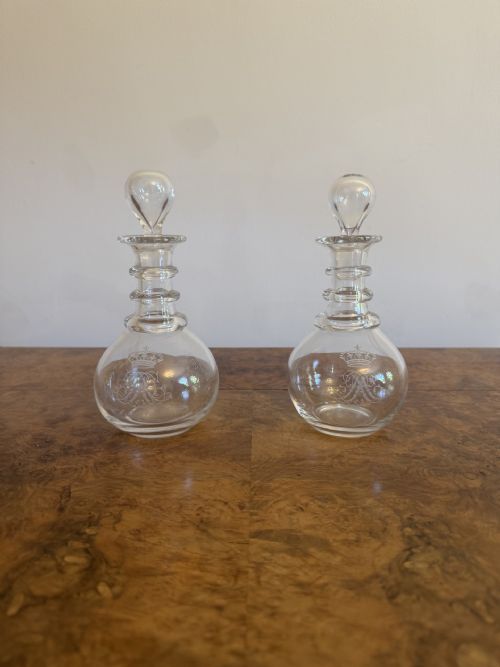
Makers combined heavy cut glass with sterling silver, silver plate, and Old Sheffield Plate, securing collars, mounts, and rims to blown and moulded bodies. Glass vessels frequently feature deep wheel-cut flutes or geometric patterns paired with matching stoppers.
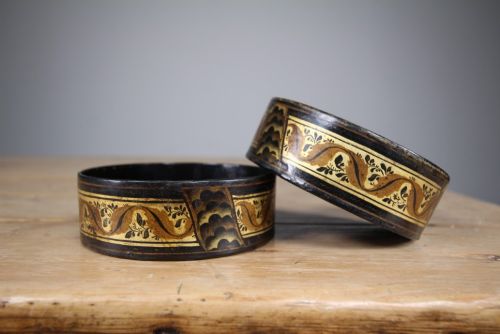
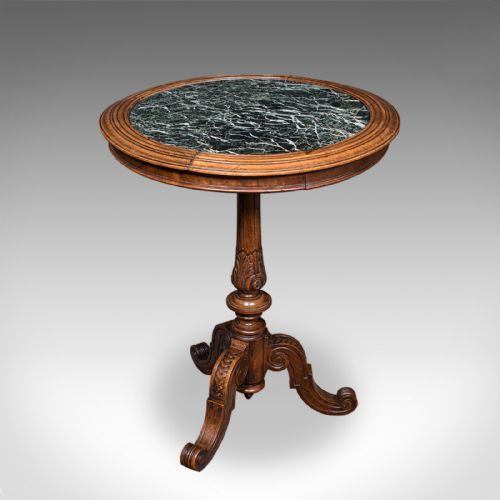
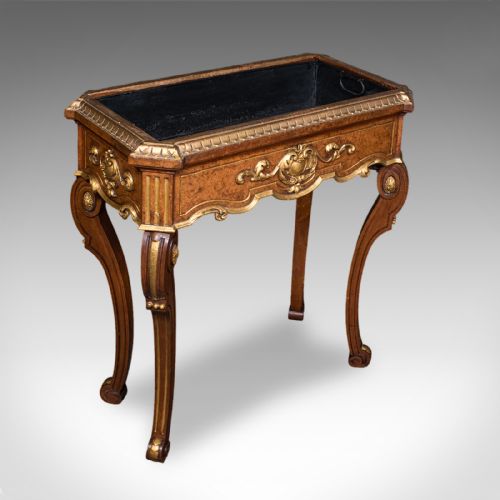
Woodwork relied on dense timbers such as mahogany, walnut, rosewood, and treen, often formed into turned circular coasters with inset wooden bases or fitted tables with specialised internal compartments. Metal elements were soldered, cast, and hallmarked or plated to achieve durable finishes.
A metal cockerel statue stands ready to crow at the table, proving that Victorian dining accessories occasionally possessed a sense of humour.
Distinctions in Standard
The caliber of an antique table decanter depends on the crispness of the glass cutting, the weight and purity of the silver or silver plate, and the integrity of the joinery in wooden stands. Superior examples display substantial metal gauges, unblemished glass surfaces with precise facets, and well-seasoned timbers that retain their structural rigidity.
Maker attribution and clarity of hallmarks further separate standard production items from workshop pieces bearing identifiable stamps. Finer vessels preserve their original stoppers, matching mounts, and uncompromised surface patination developed through decades of careful handling.
Brook & Son Edinburgh·Karl Palda·Hester Bateman·Barnsley & Co·Stevens & Williams
The Antique Table Decanter Glossary
- Wine Coaster
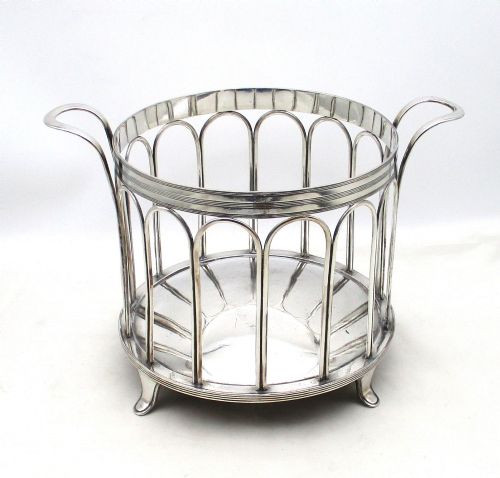
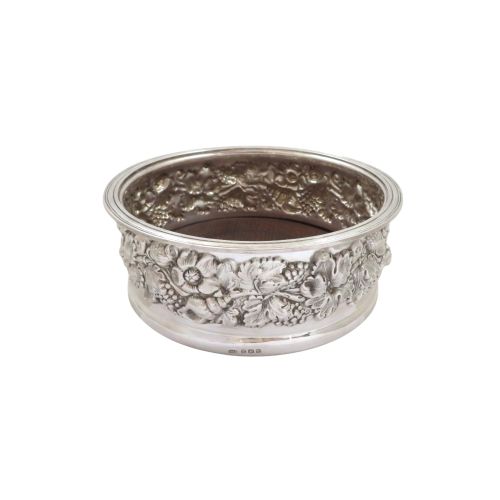
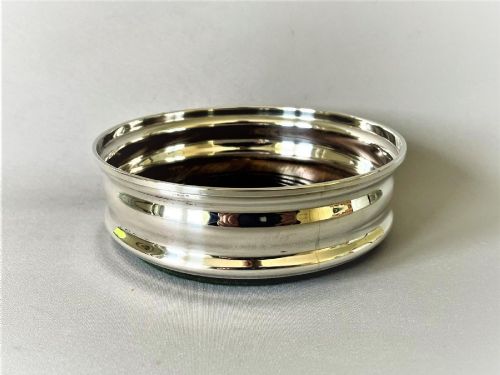
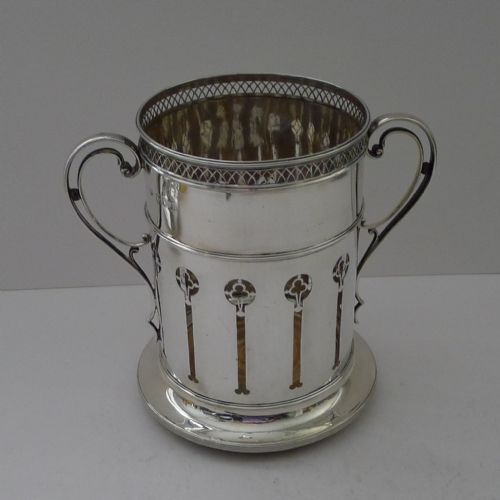
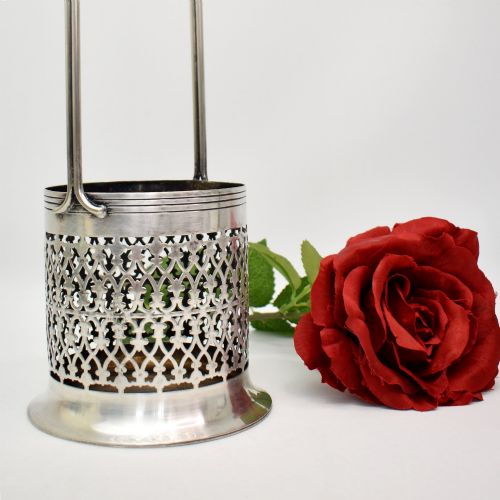
- A small circular tray or stand designed to hold a wine bottle on the dining table and protect the surface from rings. These items often feature turned wood bases with silver rims or pierced silver plate galleries.
- Claret Jug
- A tall pouring vessel specifically intended for red wine, typically constructed from cut glass with a hinged silver mount, handle, and spout.
- Old Sheffield Plate
- A composite material made by fusing a thin sheet of silver to a thicker copper base before rolling and shaping. This technique predates modern electroplating.
- Treen
- Small handmade wooden objects and household wares fashioned by turning on a lathe. Collectors value these pieces for their visible grain and tactile warmth.
- Cruet Set
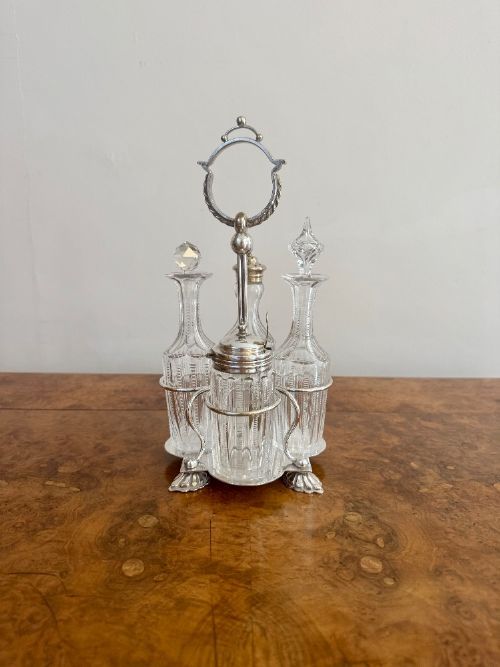
- A collection of glass bottles mounted in a metal frame for holding condiments, oil, vinegar, or sauces at the table. Sets vary from small pairs to large multi-bottle arrangements.
Antique Table Decanter: Frequently Asked Questions
How do I date a cut glass decanter?
Dating relies on examining the pontil mark on the base, the shape of the neck, and the style of the glass cutting. Sharp, hand-cut facets and heavy lead metal generally indicate earlier nineteenth-century production.
Later pieces often show smoother moulded lines, machine-polished surfaces, or incorporated silver mounts carrying legible town marks and date letters.
Are silver plated coasters safe for use?
Silver plated coasters remain fully functional for holding wine bottles and protecting tables during modern dining. The thick plating applied during the Victorian and Edwardian eras withstands regular placement of glass and ceramic vessels.
Gentle cleaning with appropriate silver care products maintains the metal surface without wearing through the underlying base.
Why do some decanters lack stoppers?
Stoppers were easily misplaced or broken during everyday household use over the centuries. Because stoppers were individually ground to fit each specific neck, finding a period replacement with an identical ground glass fit is uncommon.
Decanters without original stoppers often serve alternative functions, such as holding cut flowers or displaying coloured glass.