






Antique Sycamore Table
An antique sycamore table brings a pale, clean timber surface and honest utility into a room, spanning rustic prep benches to refined centre tables.
Antique Sycamore Table
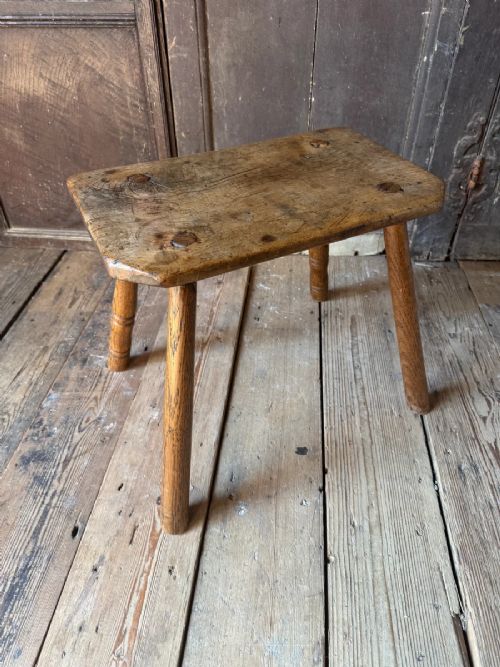
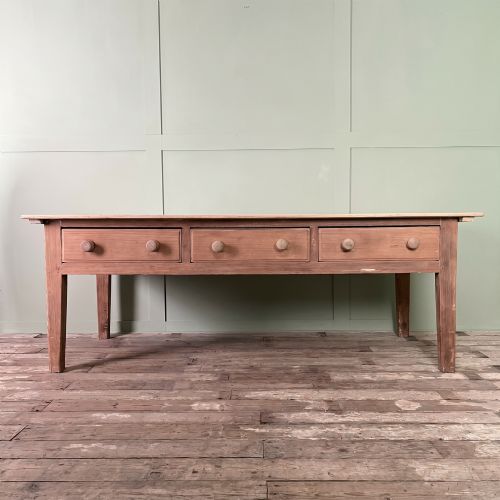
When searching for an antique sycamore table, buyers encounter diverse forms ranging from robust farmhouse and kitchen dining tables to smaller tripod, cricket, and occasional tables. These pieces emerge from domestic, dairy, and provincial settings where durable timber surfaces served daily labour.
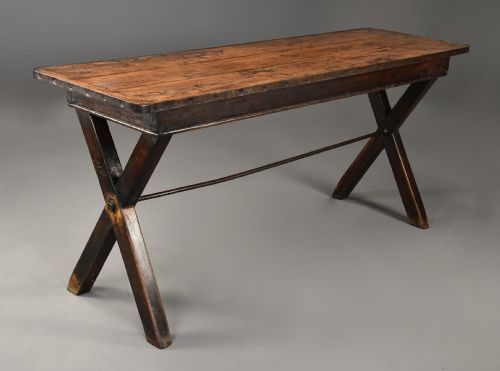
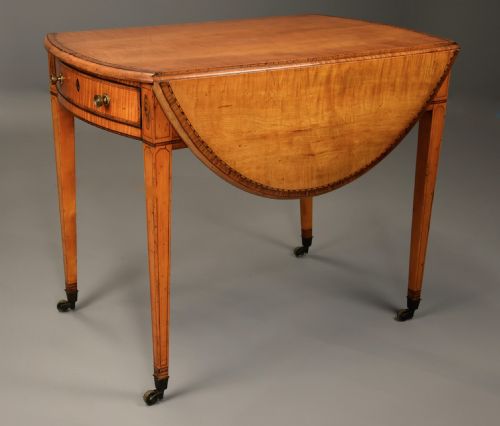
The most common examples on this page trace back to nineteenth-century rural workshops, often exhibiting French provincial or English country vernacular styles. Alongside large trestle and refectory designs, smaller coffee tables and Pembroke tables appear regularly in the record.
Materials and Technique
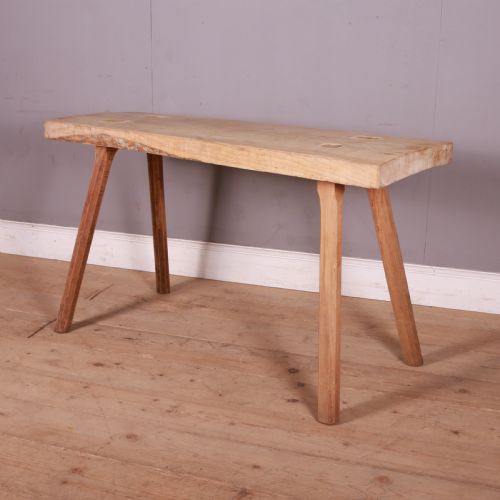
Makers utilised sycamore primarily for its dense, pale timber that resisted splitting and scrubbing, frequently pairing the tops with elm, pine, or ash frames. This combination provided structural stability while maintaining a practical working surface for food preparation and trade.
Joinery techniques relied on sturdy pegged construction, trestle supports, and tripod bases suited to heavy domestic use. Surface finishes remained minimal, often leaving timber scrubbed or subtly patinated through decades of cleaning.
Antique Sycamore Table Retail Price Guide 2026
Typical asking prices for sycamore table among the pieces listed under this phrase on Sellingantiques today, from the lower quarter to the upper quarter. They describe what is for sale here now, not the wider market.
Gradations of Quality
Quality in these tables rests upon the integrity of the timber selection, such as solid fiddleback figure or unblemished boards, alongside the balance of proportions. Tables displaying clean, uncompromised tops with honest surface wear distinguish themselves from heavily restored examples.
Refined pieces show sophisticated execution, including inlaid detailing or cabinetmaker construction found in Georgian and Victorian centre tables. Simpler vernacular items achieve distinction through their untouched patination and original, unreplaced structural elements.
Betty Joel·Jackson and Graham
The Antique Sycamore Table Glossary
- Patina
- The surface sheen and colour developed through age, use, and cleaning. It reveals the history of the timber.
- Vernacular
- Everyday objects made by local craftsmen for practical use rather than following formal high-style design rules. These pieces prioritise function over ornament.
- Scrubbed
- A timber surface washed repeatedly with soap and water over generations, producing a pale, clean texture. This treatment is common on dairy and kitchen tables.
- Trestle
- A table construction where the top rests on two or more supporting frames rather than four legs. This design provides stability and legroom.
- Cricket table
- A small, lightweight circular table supported by three splayed legs, traditionally used on uneven cottage floors. The design ensures the table remains steady without rocking.
Antique Sycamore Table: Frequently Asked Questions
What rooms suit an antique sycamore table?
The pale, neutral timber tone allows these tables to anchor modern kitchens, dining rooms, and sitting spaces with equal ease. Their understated appearance blends naturally with both traditional and contemporary interiors.
Larger trestle and farmhouse variants function well as dining surfaces or central work islands, while smaller tripod and Pembroke examples serve effectively as side or occasional tables.
How do I clean a scrubbed sycamore top?
Routine maintenance requires only a dry or slightly damp cloth to remove dust and everyday debris. Avoid harsh chemical cleaners that strip the natural character from aged wood.
For stubborn marks on scrubbed timber, traditional methods involving mild soapy water and a soft brush align with the historical maintenance of kitchen and dairy boards.
How do I distinguish regional styles?
French provincial and country tables frequently incorporate elm frames alongside scrubbed sycamore tops, displaying softer lines and trestle bases. English vernacular pieces often feature ash or pine supports with pegged joinery.
Examining the underlying secondary timbers and construction methods usually clarifies whether a piece originated in British workshops or across the Channel.
What is fiddleback sycamore?
Fiddleback is a natural figure in timber where the grain ripples across the board, creating a characteristic striped pattern resembling the back of a violin. Cabinetmakers reserved this decorative grain for finer furniture.
When light strikes a table top featuring this figure, the surface exhibits a shimmering depth that distinguishes higher-status pieces from standard utility tables.