


Antique Swiss Timekeeper
An antique swiss timekeeper is a precision portable or mantel instrument, spanning pocket watches to carriage clocks, valued for mechanical ingenuity.
Antique Swiss Timekeeper
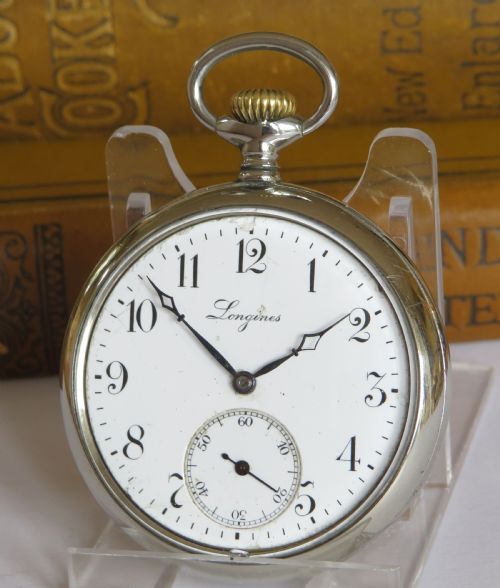
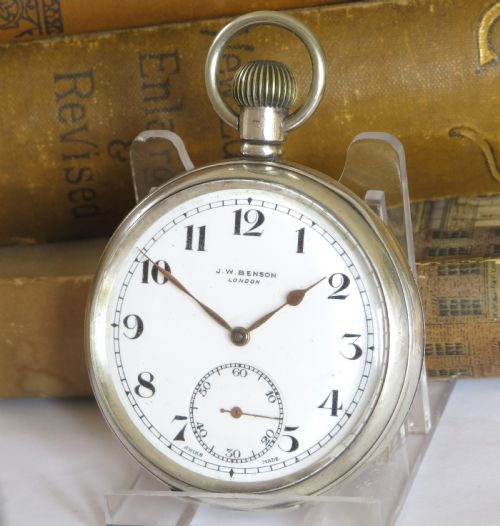
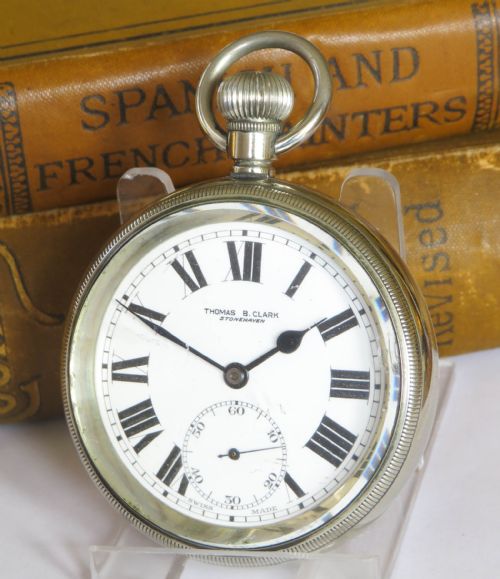
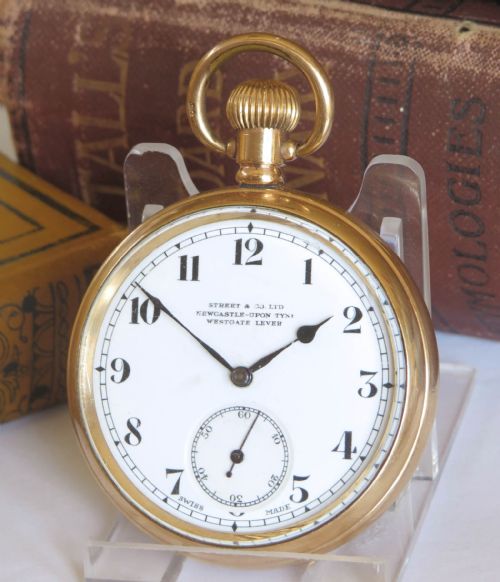
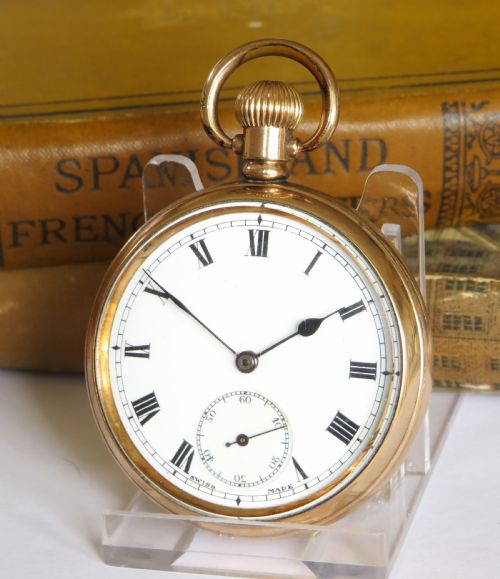
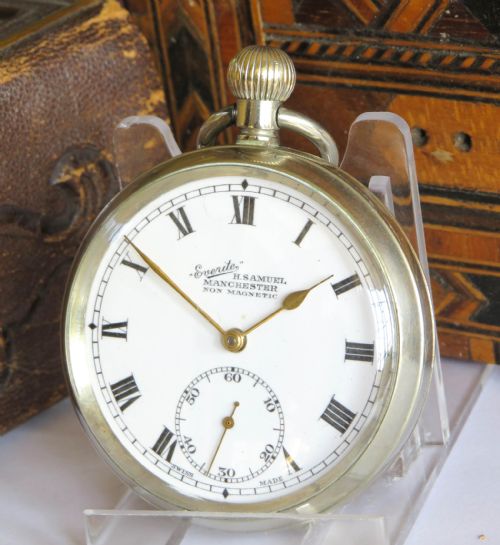
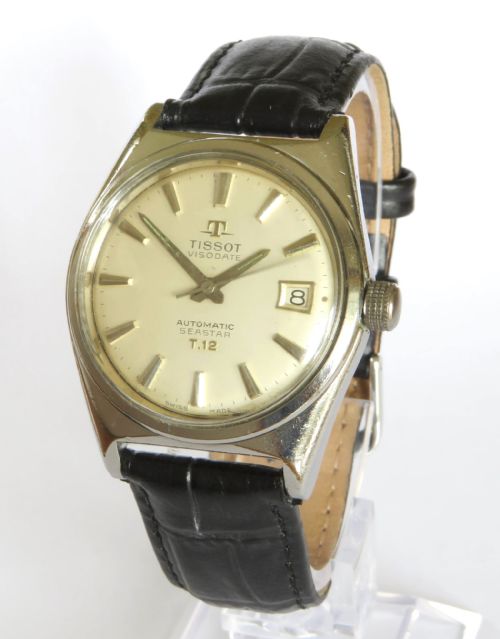
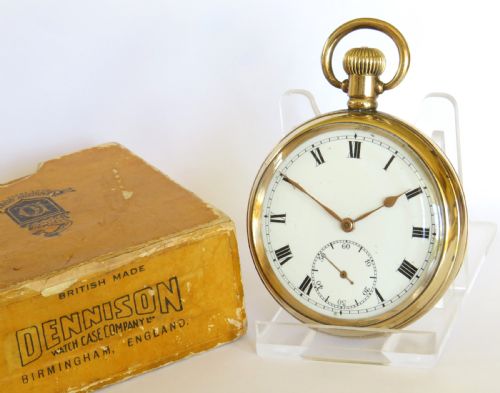
An antique swiss timekeeper covers an array of portable and static horological instruments, ranging from pocket watches and wristwatches to wall clocks, mantel clocks, and carriage clocks. The selection here leans heavily towards portable pocket watches produced across the nineteenth and twentieth centuries.
Makers and retailers from Geneva and beyond supply these pieces, with styles moving through Victorian, Edwardian, Art Deco, and Mid-Century Modern designs. Buyers regularly encounter silver hunter pocket watches, stem-winding mechanisms, and specialised repeaters alongside leather-cased carriage clocks and wooden wall clocks.
How they were made
Casings utilise precious metals including silver, gold plate, and eighteen-carat or fourteen-carat gold, paired with durable brass, nickel, and metal alloys. Interiors combine intricate steel gear trains with glass crystals protecting enamel or metal dials.
Specialised models integrate leather travel cases and wooden housings, particularly in carriage clocks and wall clocks by Zenith. Craftsmanship relies on precision mechanical engineering, featuring stem-winding systems, minute repeaters, and alarm complications.
One exceptional listing includes a lieutenant colonel's personal pocket watch from nineteen-hundred and six, carrying history straight from the Edwardian era.
What varies in quality
Superior examples distinguish themselves through complex mechanical movements such as five-minute repeaters, chronograph functions, and eight-day reserves rather than standard time-only displays. The inclusion of solid precious metal cases, like eighteen-carat gold or substantial silver, elevates the standing of an item.
The integration of original accessories, such as matching leather cases for carriage clocks or inscribed bravery awards on pocket watch covers, influences desirability. Furthermore, association with notable retailers or distinguished provenance, such as institutional collections or military ownership, marks the upper tier of quality.
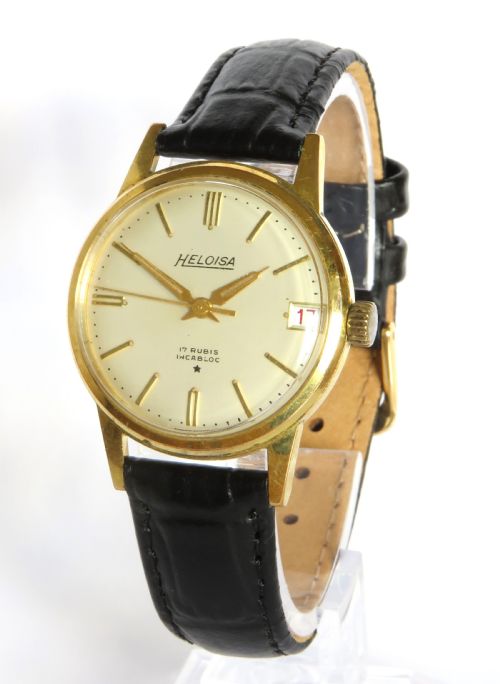
Heloisa wrist watch·Cyma pocket watch·Revue pocket watch·Minerva pocket watch·Paxus pocket watch·Everite pocket watch·Meyer Studeli pocket watch·Zenith wall clock·J Dauer Geneve·Le coultre wrist watch·Invicta pocket watch·Patek Philippe pocket watch·Jaeger Le Coultre
The Antique Swiss Timekeeper Glossary
- Hunter pocket watch
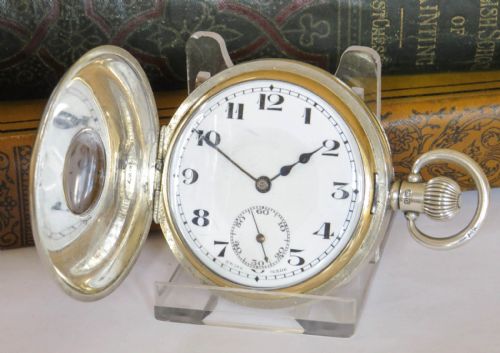
- A pocket watch featuring a spring-hinged metal cover that protects the dial from damage. This design requires the user to press a button on the crown to open the lid.
- Stem winding
- A mechanism that allows the watch to be wound using the crown at the top rather than a separate key. This innovation became standard in the later nineteenth and twentieth centuries.
- Minute repeater
- A complication that strikes the hours, quarter hours, and minutes on gongs when a slide on the case is activated. It represents a high level of watchmaking skill.
- Carriage clock
- A small, spring-driven clock designed for travel during the nineteenth and early twentieth centuries. These pieces typically feature glass panels and a folding handle on top.
- Atmos clock
- A mechanical clock driven by thermal expansion and contraction in a sealed capsule containing a gas-liquid mixture. This clever system requires no manual winding.
Antique Swiss Timekeeper: Frequently Asked Questions
What is a hunter pocket watch?
A hunter pocket watch includes a protective metal lid attached by a hinge over the dial. Users press the crown to release the spring-loaded cover and view the time.
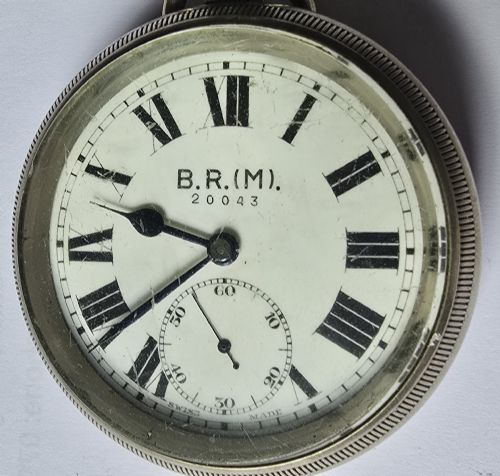
This design safeguarded delicate glass faces during daily wear, making them popular choices for military personnel and railway workers.
How do carriage clocks work?
Carriage clocks operate on a spring-driven movement housed in a brass frame with bevelled glass sides. They often include an alarm function and a folding handle for travel.
Originally designed for nineteenth-century travellers, they sat securely in leather carrying cases during long journeys across Europe.
What is an Atmos clock?
An Atmos clock is a desktop timepiece driven by changes in ambient temperature rather than a mainspring. A hermetically sealed bellows expands and contracts to wind the movement.
Invented in Switzerland, this mechanism runs continuously without human intervention as long as the temperature fluctuates slightly.
How do I date a pocket watch?
Dating a pocket watch involves examining hallmarks on the silver or gold case, style characteristics on the enamel dial, and movement serial numbers. Maker signatures also provide clear production eras.
Records from Swiss workshops and assay offices help link specific serial numbers to decades like the nineteen-twenties or nineteen-thirties.