



Antique Sweetmeat Stand
An antique sweetmeat stand holds small confections and sweetmeats, offering a graceful focal point for a formal table.
Antique Sweetmeat Stand
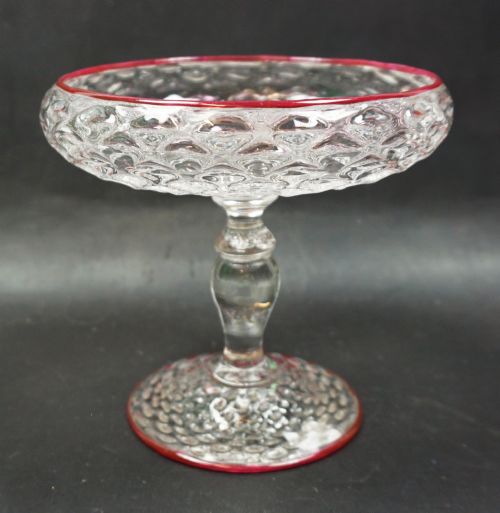
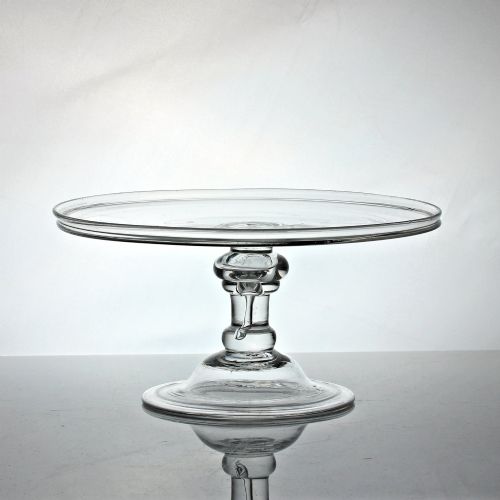
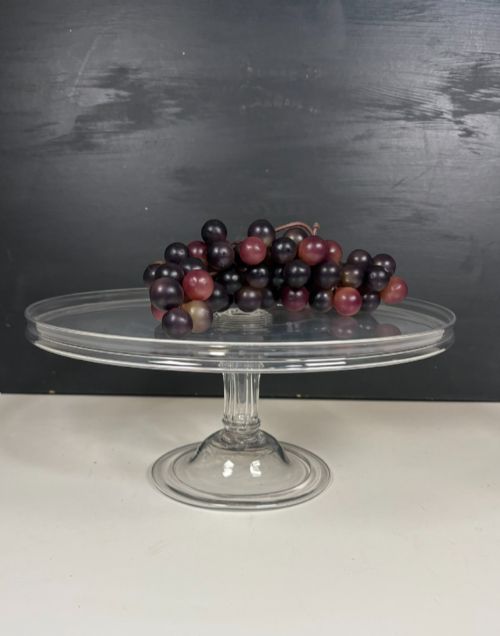
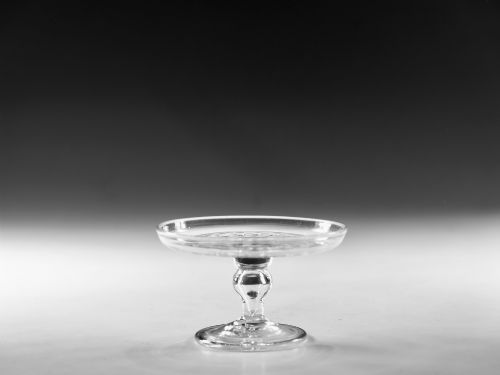
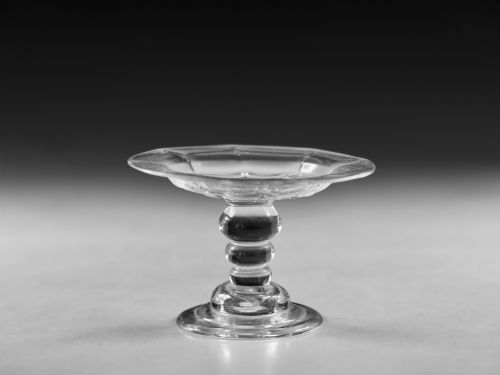
An antique sweetmeat stand encompasses glass tazzas, porcelain centrepieces and silver-plated stands designed for serving small sweet confections. The earliest examples met on this page date to the eighteenth century, taking the form of miniature glass patch stands or baluster tazzas.
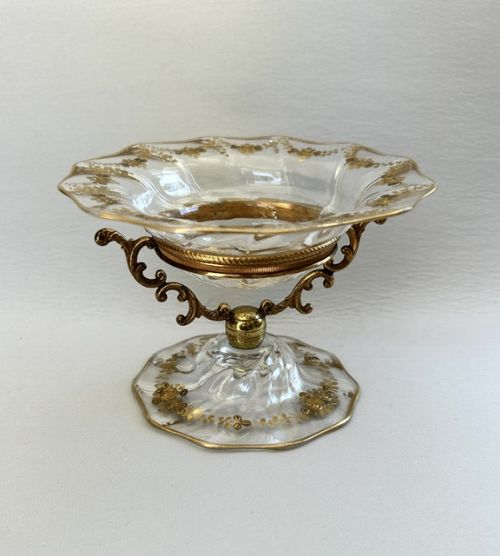
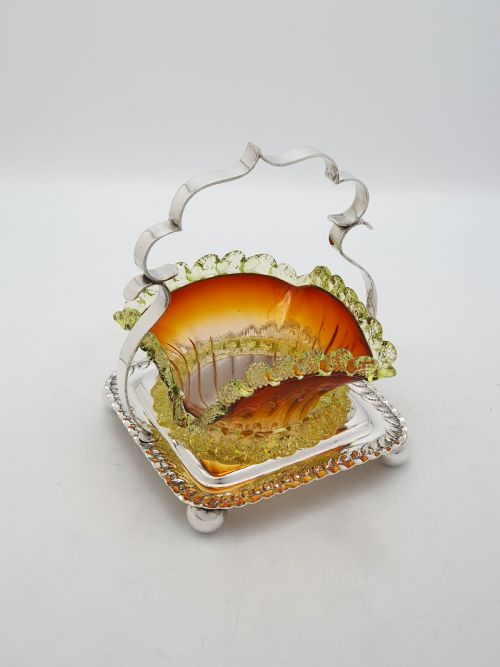
Victorian and Edwardian iterations frequently combine amber, cranberry or clear glass dishes with silver-plated or sterling silver mounts. Porcelain shell centrepieces and figural compotes also appear, spanning George II, Georgian, Victorian, Edwardian and Art Nouveau styles.
Materials and construction
Glass pieces utilise lead glass and crystal, often shaped through honeycomb moulding, rib-moulding or red cane decoration upon triple-knop stems and terraced feet. Silver and silver-plated examples employ pierced metalwork, ormolu stands and gilded mounts.
Porcelain versions draw upon soft-paste porcelain and celadon bodies, incorporating moulded shell forms and hand-painted or gilded details. Makers construct multi-tiered dessert stands and compotes by uniting ceramic dishes with fitted metal or porcelain supports.
Materials span clear lead glass, cranberry glass, sterling silver, soft-paste porcelain and celadon ceramic bodies.
Quality and craftsmanship
Quality rests in the crispness of the moulding, particularly in eighteenth-century honeycomb and rib patterns on glass stems and feet. Metalwork distinction relies upon the weight of sterling silver, the intricacy of pierced silver-plate and the durability of gilding on ormolu stands.
Ceramic excellence shows in the precise definition of moulded porcelain shell dishes and the clean application of enamel colours. Pairs and matched sets command greater attention than single pieces when proportion and decorative uniformity remain intact.
Minton·Meissen·James Deakin·James Dixon And Sons
The Antique Sweetmeat Stand Glossary
- Tazza
- A shallow saucer-like dish raised on a stem and foot. This form serves fruit, cakes or sweetmeats on formal dining tables.
- Patch stand
- A tiny pedestal dish used historically to hold cosmetic beauty patches. Eighteenth-century glass examples resemble miniature tazzas.
- Sweetmeat
- A small confection made of fruit, nuts or rich sugar syrup. These treats required specialised serving dishes during dessert courses.
- Centrepiece
- A prominent decorative vessel placed in the middle of a table. Examples include silver epergnes and porcelain figural compotes.
- Ormolu
- Finely ground high-carat gold applied to a bronze base. This technique decorates nineteenth-century French stands and mounts.
Antique Sweetmeat Stand: Frequently Asked Questions
How do I date a glass tazza?
Dating a glass tazza involves examining the manufacturing technique, metal content and stem formation. Eighteenth-century pieces often display heavy lead glass with baluster stems, triple-knops and terraced feet.
Later Victorian and Edwardian examples introduce pressed glass patterns, amber or cranberry tones, and machine-moulded details. Comparing the pontil mark and glass clarity helps confirm the period.
Were porcelain sweetmeat stands used daily?
Porcelain sweetmeat stands were reserved for formal dining and dessert service rather than everyday meals. Wealthy households brought out these decorative dishes for special gatherings and dinner parties.
Because they held delicate sweetmeats and sugar plums, they remained largely ornamental components of the table setting. This careful use explains why many period examples survive with their glazes intact.
How do I style a sweetmeat stand at home?
A sweetmeat stand works well as a decorative accent on a dining table, sideboard or open shelving unit. You can display small seasonal objects, glass fruits or vintage ornaments upon the tiers.
Silver and glass varieties catch natural light effectively near a window, while porcelain shell dishes add texture to a display cabinet. Keeping the setting simple allows the historical form of the stand to stand out.