



18th Century Tazza
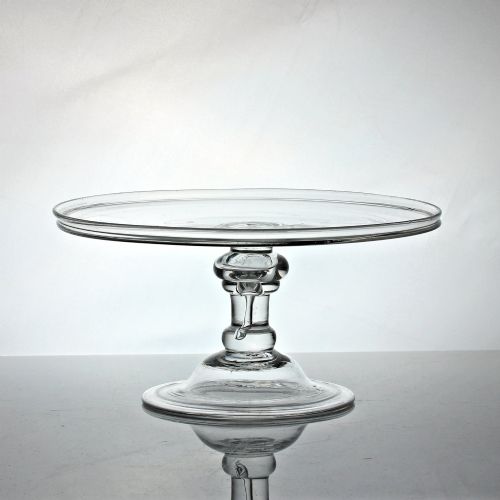
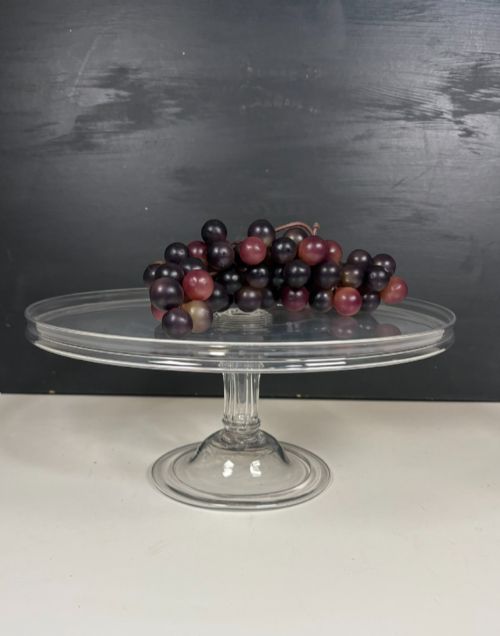
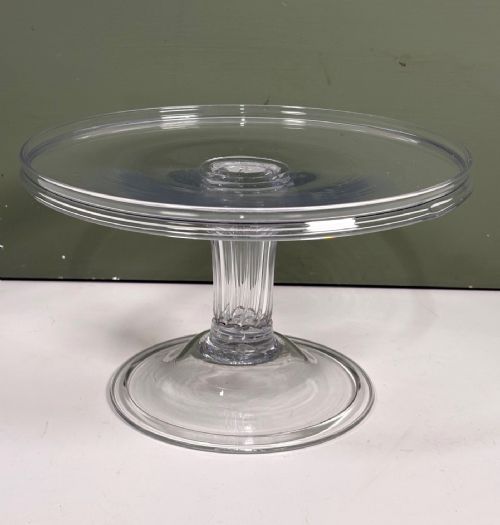
An 18th century tazza is an elevated glass serving dish prized for its striking form and historical presence on the dining table.
18th Century Tazza
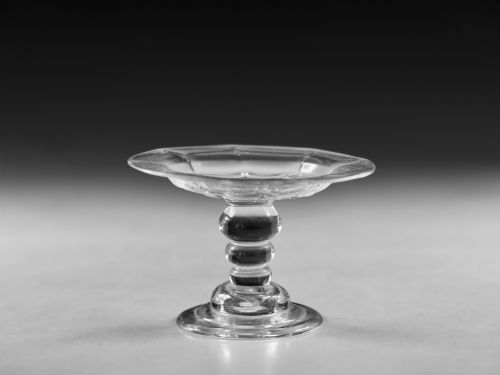
An 18th century tazza is an elevated glass plate or salver designed for serving sweetmeats, fruits, or small patches at fashionable tables. When you search for an 18th century tazza, you encounter elegant pedestal dishes spanning the Georgian era, including pieces from the seventeen thirties, forties, and seventies. The items on this page range from large display pieces down to miniature patch stands and sweetmeat glasses.
The domestic forms vary from low profiles with folded feet to tall examples featuring distinct baluster stems. Many pieces reflect George II and early Georgian aesthetics, utilising moulded decoration and spreading feet. Buyers seek these serving vessels for their historical weight and the clear, tactile quality of early British table glass.
How they were made
Makers produced these serving dishes using lead glass, lead crystal, and flint glass, often working heavy metal compositions that yielded deep resonance and clarity. Craftsmen shaped the glass while hot, frequently employing rib-moulding or honey-comb moulding to build texture into the bowls and stems. Workers then applied folded rims and spreading feet to give the vessels stability and a finished contour.
The stem construction involved baluster formations and triple-knop designs, requiring skilled manipulation of the molten material on the pontil iron. Artisans formed patch stands and sweetmeat dishes with terraced feet, balancing weight at the base to support the broad top plate. Every piece shows the tool marks and slight irregularities inherent in eighteenth-century glasshouse production.
Form variations across the inventory range from large display salvers down to miniature patch stands and rib-moulded sweetmeat glasses.
What varies in quality
The quality of an 18th century tazza rests in the crispness of its moulded details and the balance of its proportions. Pieces with sharp honeycomb patterns or well-defined triple-knop stems demonstrate superior execution by the glasshouse. Heavier metal content and clarity in the clear glass also distinguish finer examples from standard production.
Proportion and scale dictate desirability, particularly when comparing large display items against diminutive patch stands. The neatness of the folded foot and the symmetry of the baluster stem reveal the maker's discipline. Surface wear should appear soft and natural, matching the age of the Georgian period without obscuring the original form.
The 18th Century Tazza Glossary
- Tazza
- An elevated salver or shallow bowl on a central foot. It served sweetmeats and confectionery during formal dining.
- Patch Stand
- A miniature tazza used to hold small cosmetic patches worn on the face in the Georgian period. These small glass stands often mirror the form of larger serving vessels.
- Baluster Stem
- A heavy, turned glass stem shape popular in early Georgian glassware. This form adds weight and visual rhythm beneath the bowl.
- Folded Foot
- A base edge turned back under itself to create a smooth, reinforced rim. This technique strengthens the glass and provides a distinct tactile edge.
- Sweetmeat Glass
- A small pedestal dish designed for preserved fruits or confectionery. They share the elevated form and moulded decoration of standard tazzas.
18th Century Tazza: Frequently Asked Questions
What was an 18th century tazza used for?
These elevated glass dishes held sweetmeats, nuts, and confectioneries during formal dessert courses. Hosts also used smaller variations as patch stands for cosmetic beauty patches.
Placed centrally on the dining table, the tazza added height and visual interest to the table service. Guests selected delicacies directly from the glass plate during dessert.
How can I tell an early Georgian tazza apart?
Early pieces from the seventeen thirties and forties often feature heavy lead glass, baluster stems, and folded feet. Moulded patterns like honeycomb and ribbing appear frequently in this timeframe.
Later eighteenth-century examples tend toward taller profiles and simplified stems. Examining the weight, metal clarity, and foot construction helps establish the period.
What is the difference between a tazza and a patch stand?
A tazza is a large serving dish intended for food and fruit display on the table. A patch stand is a miniature version built on the same architectural scale.
Patch stands specifically accommodated the small fabric patches worn by fashionable society. Both share the characteristic pedestal foot and flat top plate.