

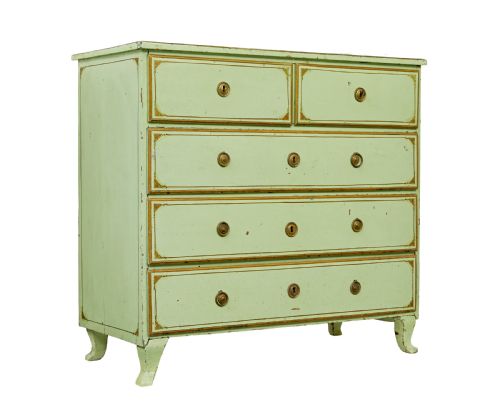
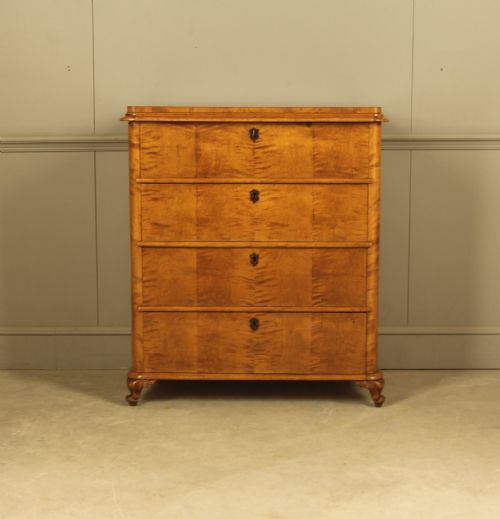


Antique Swedish Bureau
An antique Swedish bureau brings calm symmetry and practical writing space into a room, combining architectural dignity with understated Nordic utility.
Antique Swedish Bureau
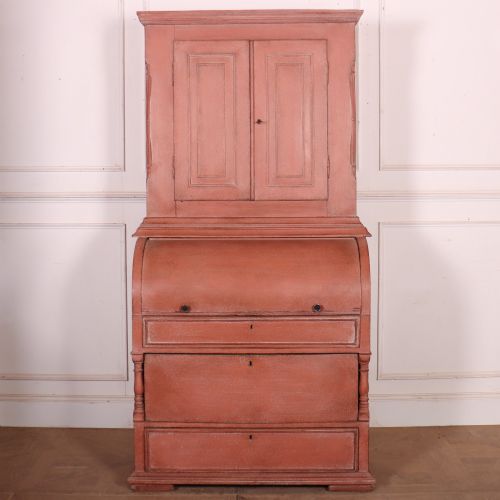
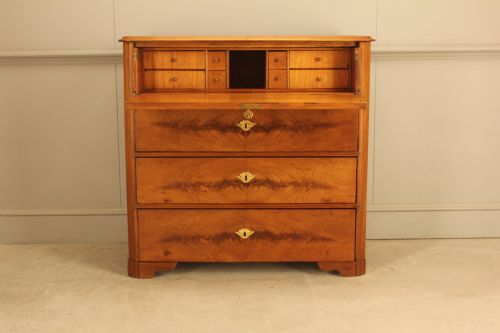
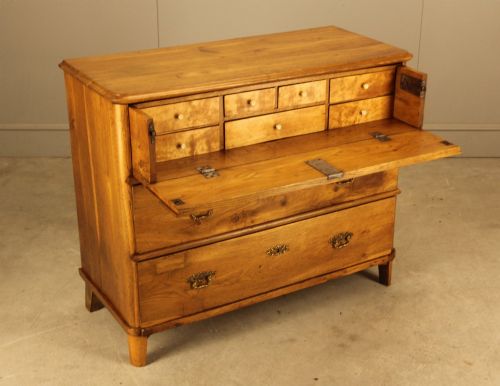
When searching for an antique Swedish bureau, buyers encounter several distinct forms spanning the eighteenth and nineteenth centuries. The selection encompasses secretaires, bureau cabinets, and writing desks alongside related chests of drawers.
Most examples originate from the nineteenth century, featuring styles such as Biedermeier, Gustavian, and Scandinavian Country. Pieces range from painted pine country furniture to polished birch and masur birch urban pieces.
Materials and construction
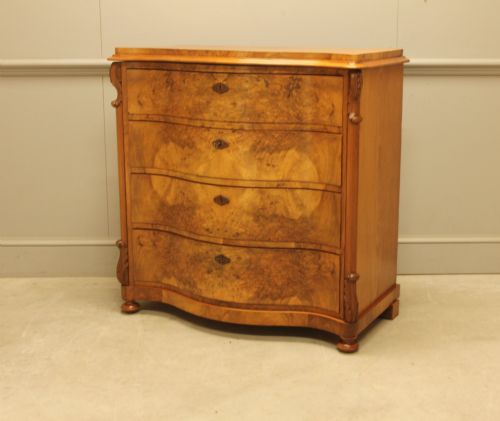
Cabinetmakers utilised indigenous timbers, primarily pine for painted carcass work and birch, flame birch, masur birch, and satin birch for polished surfaces. Burr walnut also appears, complemented by brass and iron hardware.
Surfaces receive either layered paintwork typical of Gustavian and Scandinavian Country styles or careful polishing to highlight the natural figures of birch veneer and solid timber.
Antique Swedish Bureau Retail Price Guide 2026
Typical asking prices for swedish bureau among the pieces listed under this phrase on Sellingantiques today, from the lower quarter to the upper quarter. They describe what is for sale here now, not the wider market.
Listings feature pieces spanning the eighteenth and nineteenth centuries, constructed from pine, birch, satin birch, and burr walnut.
Distinctions in quality
Quality rests upon the selection of timber figures, particularly the contrast and movement within birch veneers and masur birch surfaces. Finely figured grains distinguish metropolitan Biedermeier work from simpler provincial items.
The execution of painted finishes and the retention of original brass fittings indicate the level of craftsmanship invested in the piece. Structural integrity in the internal writing compartments and drawer construction further separates standard furniture from finer examples.
The Antique Swedish Bureau Glossary
- Secretaire
- A desk featuring a fold-down or pull-out writing flap that conceals small drawers and pigeonholes. This form provides a compact workspace while maintaining the facade of a chest of drawers.
- Masur birch
- A decorative timber variation displaying intricate swirling grain patterns resembling tiny flames or eyes. Cabinetmakers prized this wood for high-status nineteenth-century case pieces.
- Gustavian
- The Swedish neoclassical style spanning the late eighteenth century, characterised by restraint, pale paint finishes, and classical proportions. Pieces often display subtle fluting and carved rosettes.
- Biedermeier
- A Central European and Scandinavian design movement focusing on comfort, utility, and clean lines without excessive ornamentation. Birch veneers predominate in these domestic pieces.
- Bureau cabinet
- A tall piece combining a writing desk section below with upper bookcase shelving enclosed by doors. These units served as both libraries and administrative desks.
Antique Swedish Bureau: Frequently Asked Questions
What is an antique Swedish bureau?
An antique Swedish bureau is a writing desk or secretaire originating from Sweden, often featuring fitted interior compartments for correspondence.
These pieces combine practical storage with writing surfaces, taking the form of standalone desks or drop-front sections built into chests of drawers and tall cabinets.
How do I identify a Gustavian bureau?
A Gustavian bureau typically exhibits neoclassical proportions with pale painted finishes in tones of grey, white, or soft green.
Decoration remains restrained, relying on shallow fluting, simple moulding, and classical symmetry rather than heavy carving.
What wood was used for Swedish desks?
Cabinetmakers built these desks using native timbers, most notably pine for painted surfaces and various grades of birch.
Plain birch, flame birch, tiger birch, and masur birch provide varied grain patterns, occasionally supplemented by burr walnut on select items.
How do I care for a birch bureau?
Birch furniture benefits from stable indoor humidity and protection from direct sunlight to preserve the tone of polished veneers and painted surfaces.
Dusting with a dry cloth is sufficient for routine maintenance, avoiding harsh chemical polishes that can damage historic finishes.