
Antique Suzani Textile
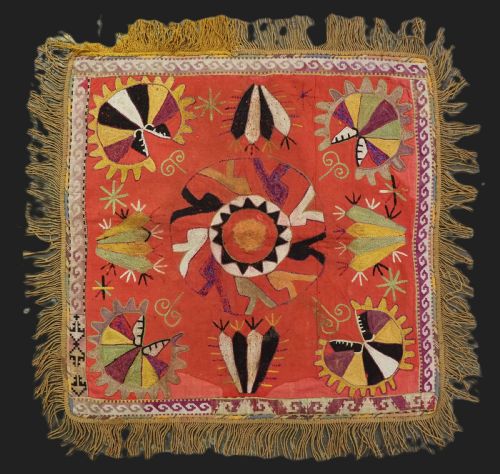
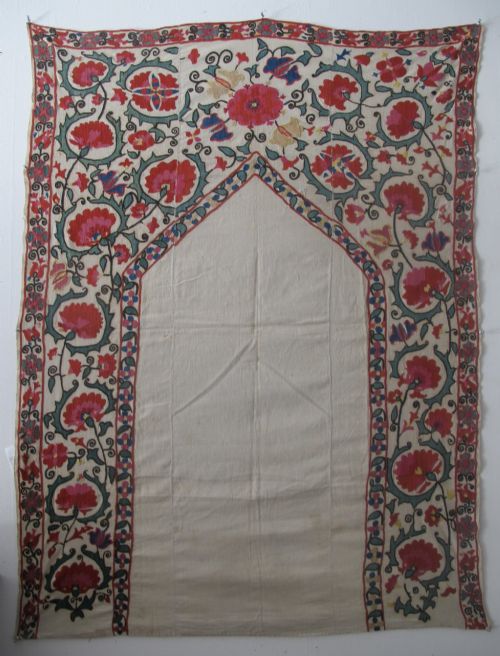
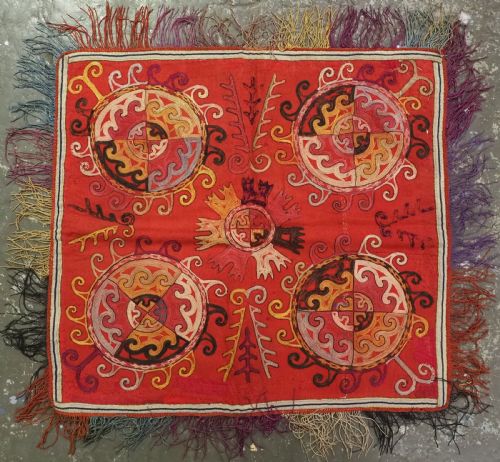
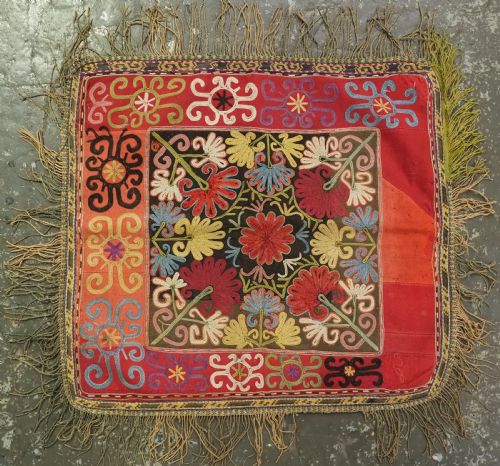
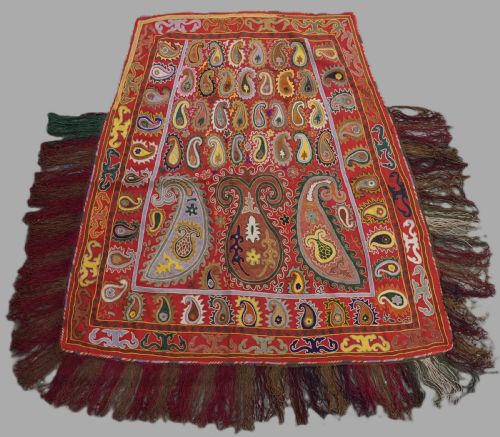
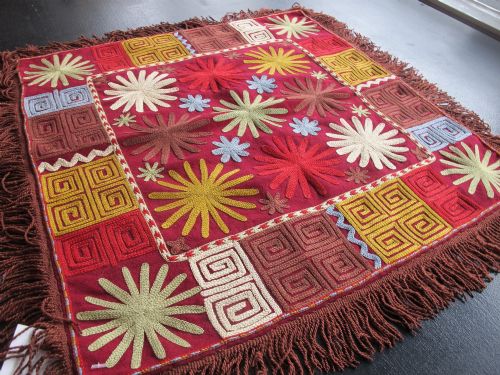
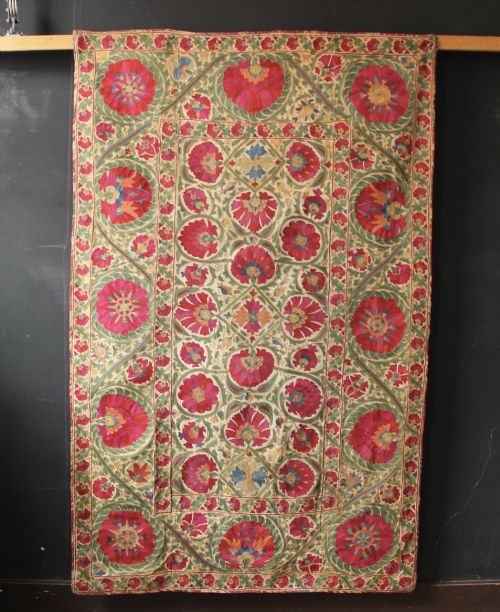
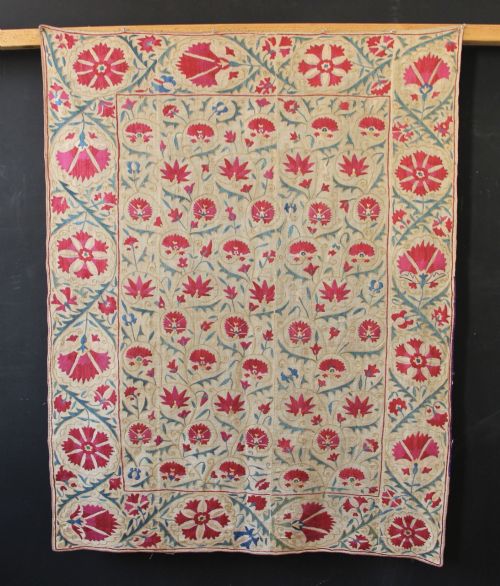
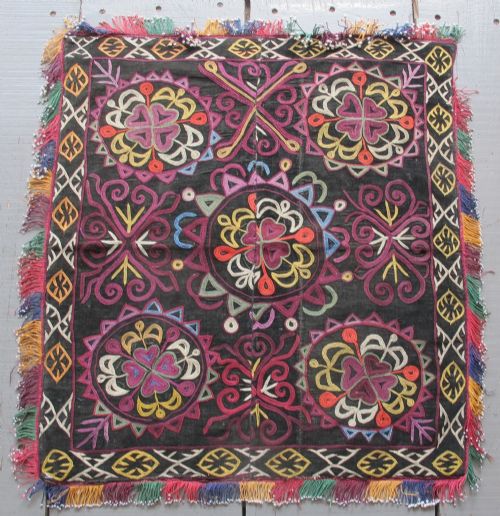
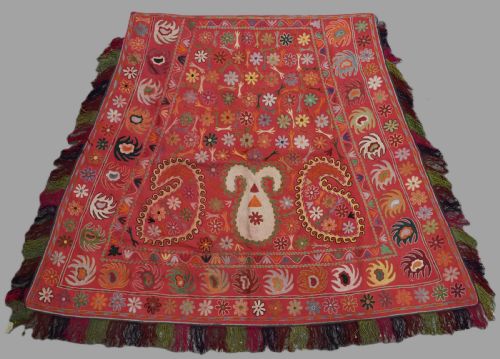
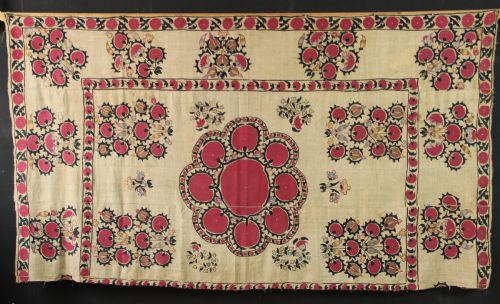
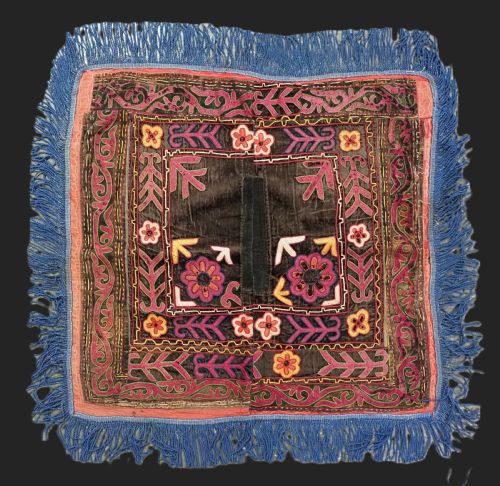
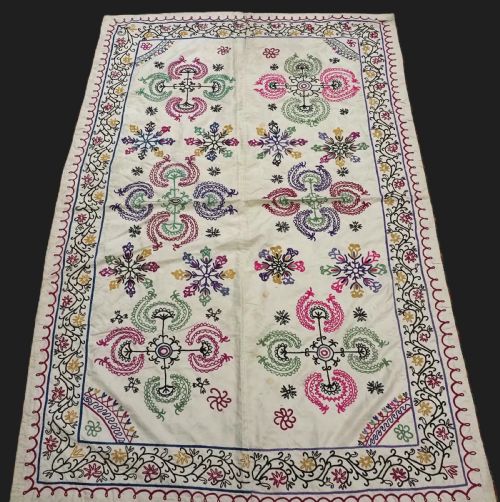
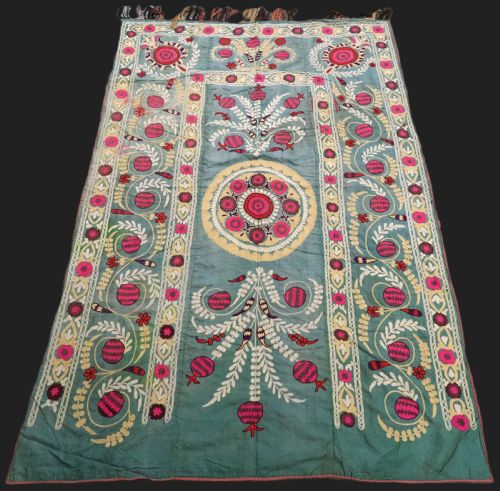
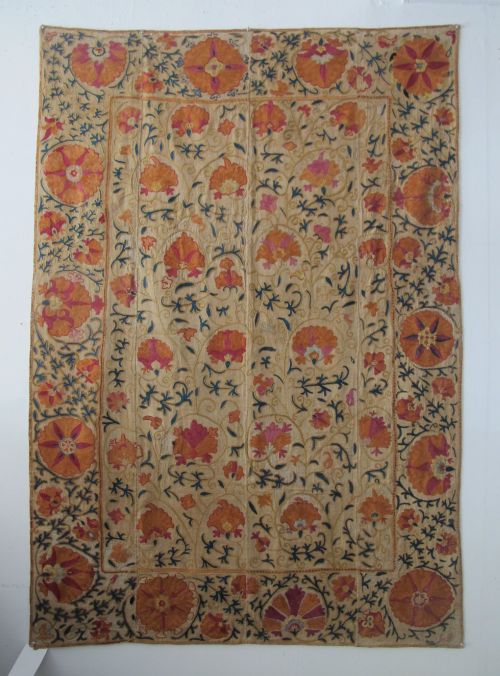
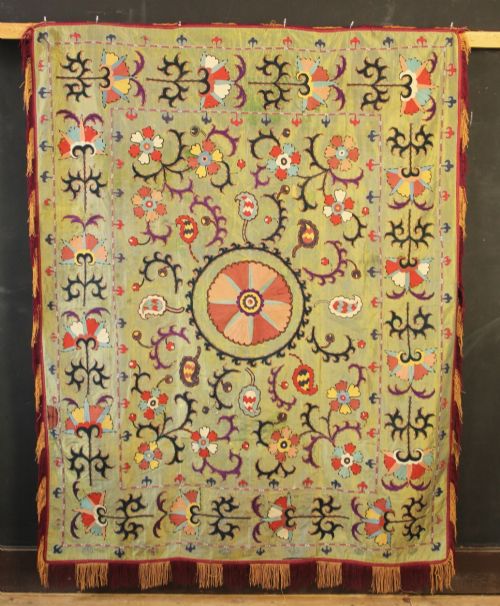
These antique suzani textile pieces are embroidered panels from Central Asia created to bring colour and texture into a room.
Antique Suzani Textile
An antique suzani textile is a large embroidered hanging originating from Central Asia, created by traditional makers and tribal groups such as the Lakai.
The selections available include large medallion variants, fully embroidered palak panels from Tashkent, and specialised items like mirror covers and saddle bags.
These works span the nineteenth and early twentieth centuries, featuring distinct regional designs associated with historic centres such as Samarkand, Bokhara, and Uratube.
Materials and construction
Makers utilised silk thread to work intricate embroidery onto foundational grounds made of cotton, wool, or sometimes a Mogul red wool base.
Some specialised ceremonial and decorative items also incorporate small glass beads alongside the dense silk needlework.
Antique Suzani Textile Retail Price Guide 2026
Typical asking prices for suzani textile among the pieces listed under this phrase on Sellingantiques today, from the lower quarter to the upper quarter. They describe what is for sale here now, not the wider market.
Materials recorded on this page include silk, cotton, wool, and glass beads across various regional styles.
Assessing quality in needlework
Quality rests upon the density of the embroidery and the precision of the needlework across the entire textile surface.
The vibrancy and retention of the original silk threads, alongside the complexity of regional medallion or star motifs, distinguish finer examples.
The Antique Suzani Textile Glossary
- Suzani
- A traditional embroidered textile panel from Central Asia, usually worked in silk on a cotton or wool ground.
- Palak
- A fully embroidered variety of suzani originating from Tashkent, characterised by a dense overall design featuring a central star motif.
- Lakai
- A Central Asian tribal group known for distinctive embroidered covers, horse trappings, and dynamic geometric compositions.
- Bolim Posh
- A specific regional design style associated with suzanis from Samarkand.
Antique Suzani Textile: Frequently Asked Questions
How do I hang a textile safely?
Mounting a large textile requires distributing the weight evenly across the entire upper edge to prevent stress on the antique fabric.
Professional conservation framing or using a sleeve stitched with a soft backing material helps protect the silk and cotton ground during display.
What regions made these embroideries?
Production was centred across various historic towns and tribal territories in Central Asia, notably including Tashkent, Samarkand, Bokhara, and Uratube.
Each location developed distinct motifs, colour palettes, and structural layouts that define the character of the piece.
How can I tell the period?
Dating relies on examining the natural dye palette, the type of textile ground, and the style of the embroidery work executed by the maker.
Nineteenth-century examples often display specific regional variations in motifs that shifted by the arrival of the early twentieth century.