



Antique Style Wall Art
Antique style wall art brings historic oil paintings, portraits, and decorative panels into modern spaces.
Antique Style Wall Art
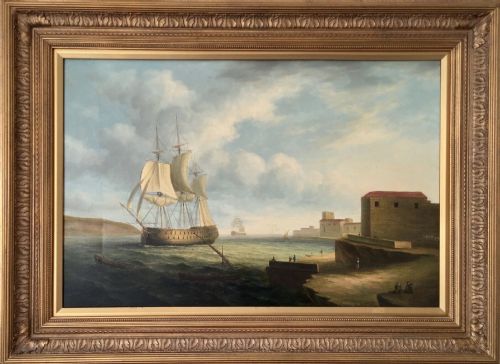
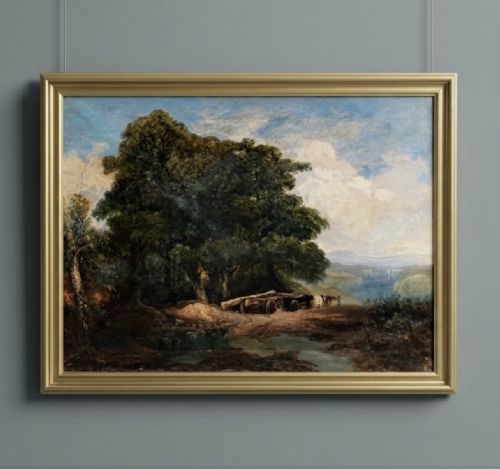
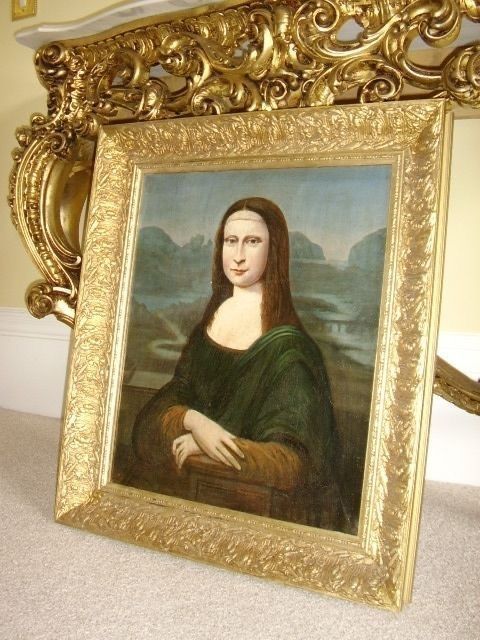
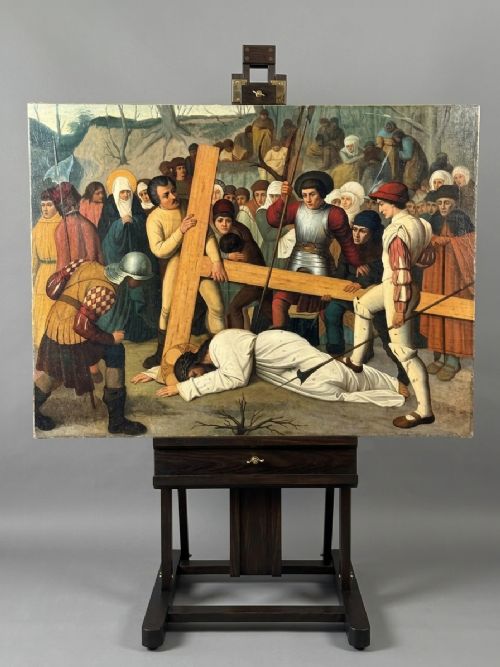
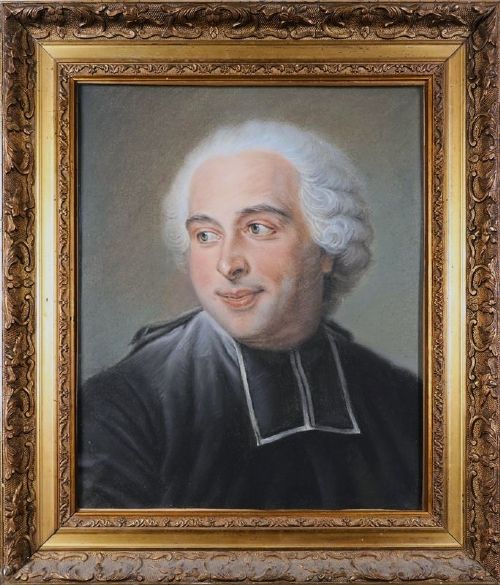
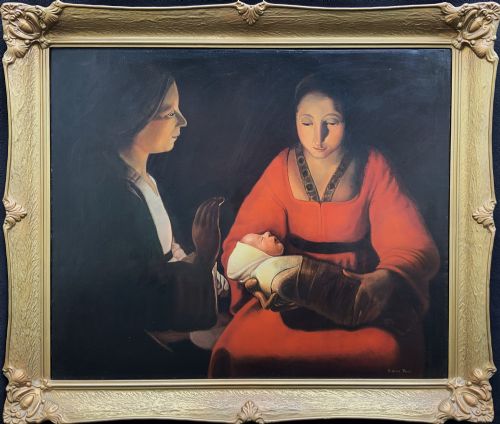
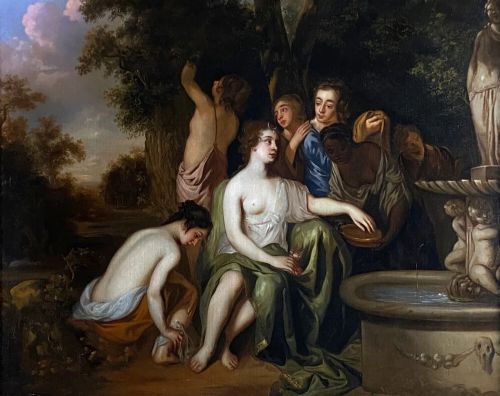
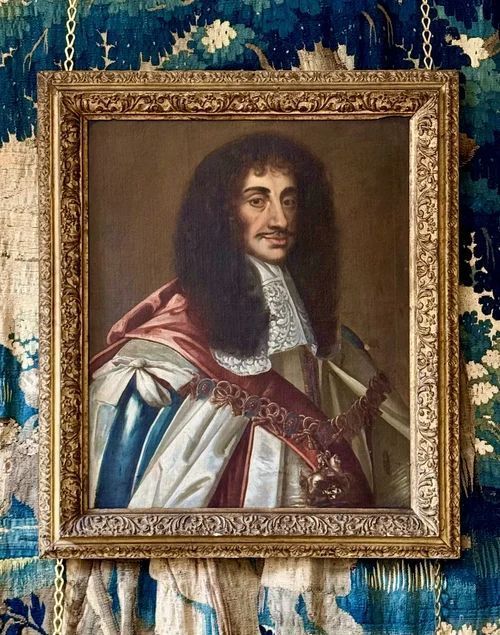
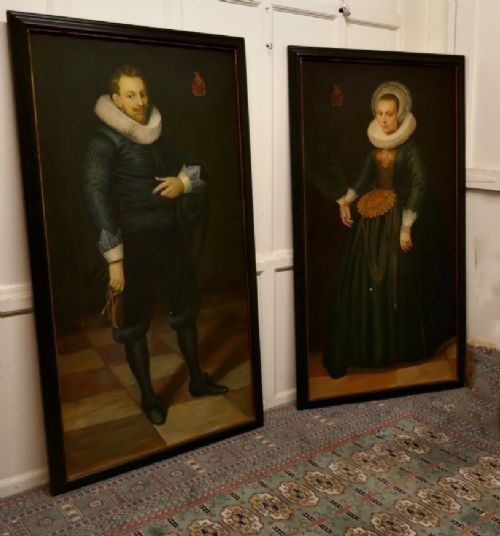
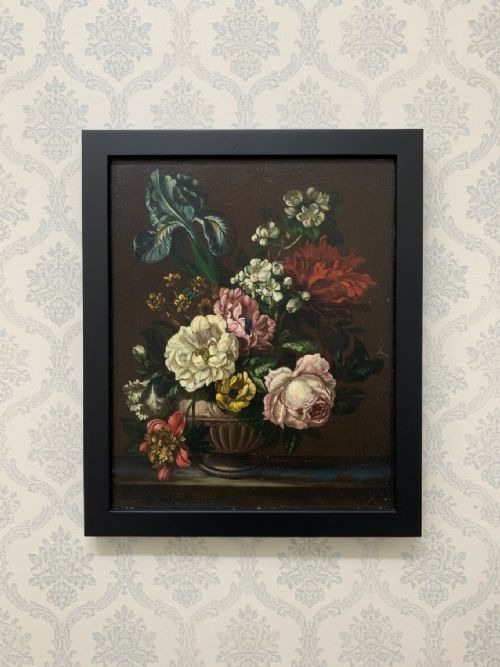
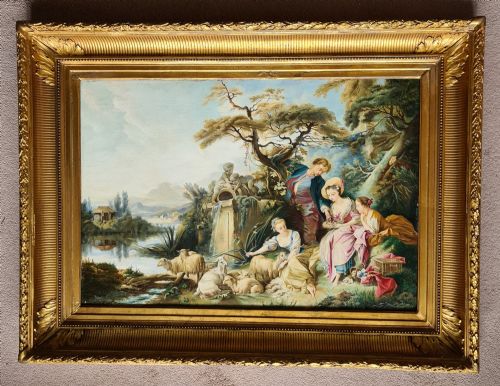
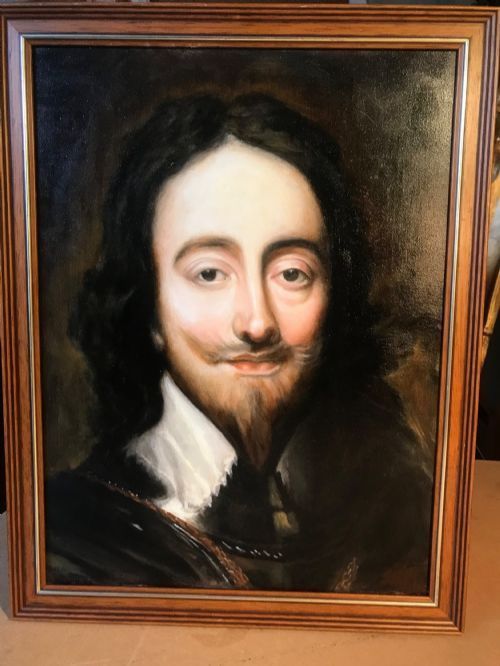
When you search for antique style wall art, you encounter oil paintings, portraits, still lifes, and framed works spanning from the seventeenth century through to the mid-twentieth century. The selection leans heavily toward oil on canvas and wood panels, often capturing historical subjects, classical scenes, and portraits executed in revivalist or traditional manners.
Many pieces reflect specific historical periods, including Baroque, Georgian, Arts and Crafts, and Renaissance Revival styles. You will find both original period works and later interpretations that emulate earlier Dutch, Italian, and British schools of painting.
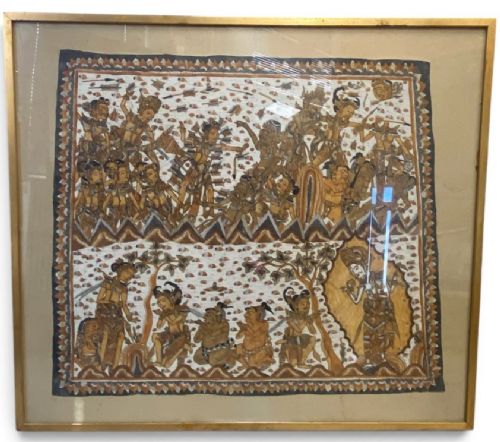
Beyond paintings, the category includes carved wall mirrors, copper wall sconces, decorative panels, and religious icons executed in tempera and gold leaf. These diverse objects share a common focus on traditional craftsmanship and historic aesthetic values.
How they were made
Painters of these works utilised oil paint applied to prepared canvas, wood panels, or board, frequently employing rich pigments to achieve depth in portraits and still lifes. Frames play an integral role in the construction, often formed from carved wood with giltwood or gold leaf finishes that complement the artwork within.
Alternative techniques appear across the broader category, such as tempera and gold leaf on canvas for religious icons, alongside hand-hammered copper for wall sconces. Decorative panels incorporate painted finishes on wood, reflecting neoclassical and traditional design principles from various centuries.
Antique Style Wall Art Retail Price Guide 2026
Typical asking prices for style wall art among the pieces listed under this phrase on Sellingantiques today, from the lower quarter to the upper quarter. They describe what is for sale here now, not the wider market.
Even domestic ducks occasionally found themselves immortalized in grand seventeenth-century style portraiture.
What varies in quality
The standard of execution in brushwork and composition marks the division between ordinary decorative pieces and finer works of art. Portraits and landscape paintings demonstrate varying levels of anatomical accuracy, handling of light, and depth in the background details.
Framing significantly influences the overall quality, as period-appropriate hand-carved giltwood frames require far greater skill than later moulded replacements. The integrity of the canvas or wood panel and the preservation of the original paint surface also dictate the standing of a piece.
Richard Sebastian Bond·Sir Peter Lely·John Hayls·Sir Joshua Reynolds·Charles D'Agar
The Antique Style Wall Art Glossary
- Oil on Canvas
- A traditional painting medium where pigments bound in oil are applied to stretched fabric. This combination allows for rich blending of colours and long-lasting durability.
- Giltwood
- Wood that has been treated with a thin layer of gold leaf or gold paint. It is frequently seen on ornate frames from the Baroque and Renaissance Revival periods.
- Still Life
- An artwork depicting inanimate subject matter, typically commonplace objects such as flowers, fruit, or vessels. Dutch examples often feature elaborate arrangements on dark backgrounds.
- Tempera
- A permanent, fast-drying painting medium consisting of coloured pigment mixed with a water-binder, commonly egg yolk. It was widely used for religious icons before the dominance of oil paint.
- Renaissance Revival
- A nineteenth-century artistic movement that drew inspiration from the art and architecture of the Italian Renaissance. Works in this style emulate the composition and grandeur of earlier masters.
Antique Style Wall Art: Frequently Asked Questions
How do I identify the period of an oil painting?
Examination of the canvas preparation, stretcher frames, and pigment composition often reveals the age of a work. Stylistic cues and clothing styles depicted in portraits also provide reliable indicators of the era in which the piece was created.
Comparing the brushwork to known examples from specific schools helps narrow down the century. Expert opinion remains valuable for distinguishing original period works from later revivals.
Where should I hang heavy giltwood framed art?
Heavy framed paintings and mirrors require secure fixings into structural wall studs or masonry rather than simple plasterboard hooks. Ensuring proper weight distribution protects both the wall and the heavy wooden frame.
Positioning pieces away from direct sunlight and excessive moisture preserves the integrity of the canvas and the gold leaf finish over time.
What is the difference between a portrait and a study?
A finished portrait generally depicts a specific, named individual with careful attention to likeness, clothing, and background detail. These works were usually commissioned to commemorate a person of status.
A study or studio sample often serves as a preliminary practice piece or a smaller version created to test composition and lighting. They display looser brushwork and focus primarily on technical execution rather than formal presentation.