


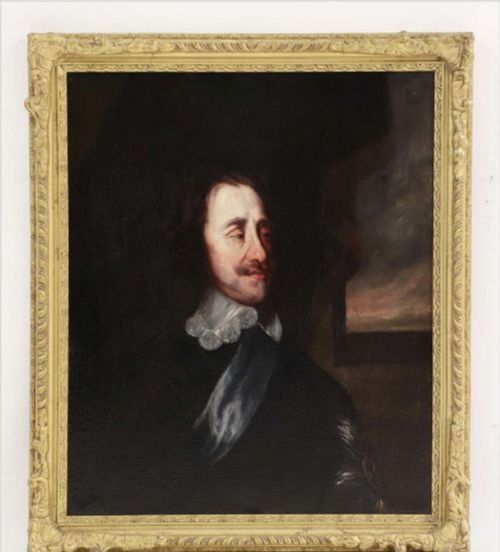

Baroque Style Painting
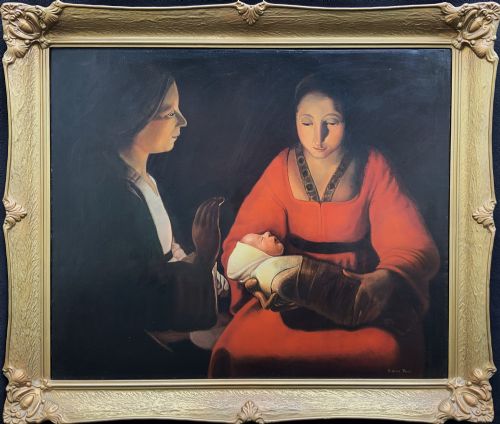
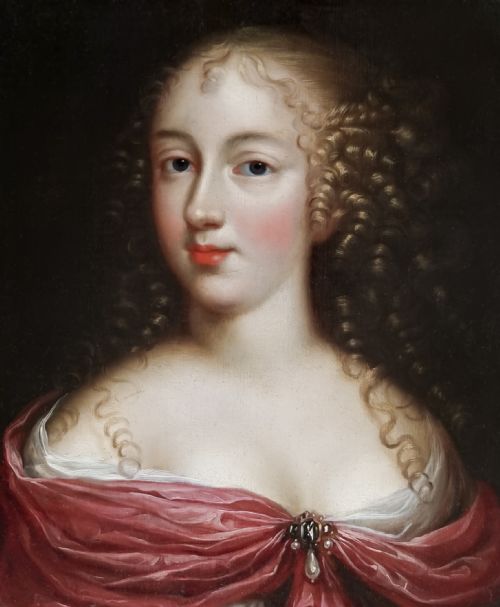
A baroque style painting brings theatrical drama, deep chiaroscuro and rich portraiture into a room.
Baroque Style Painting
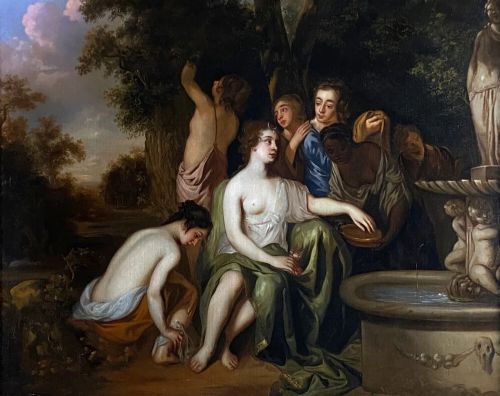
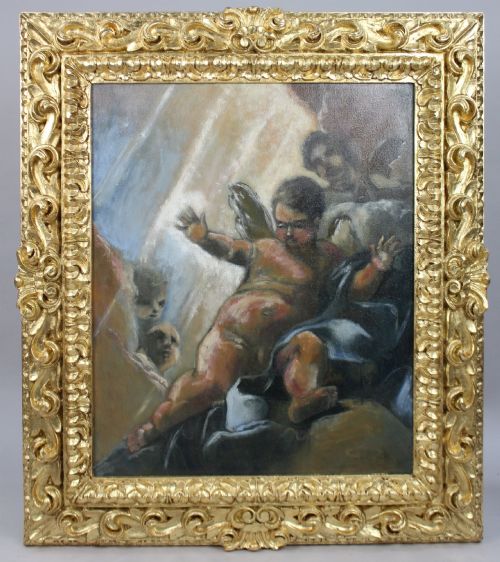
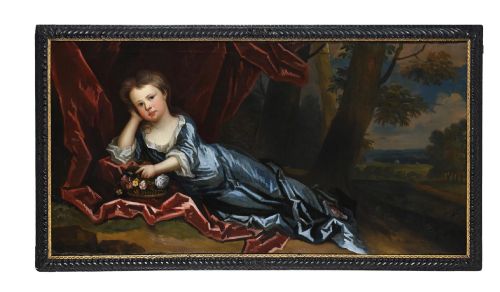
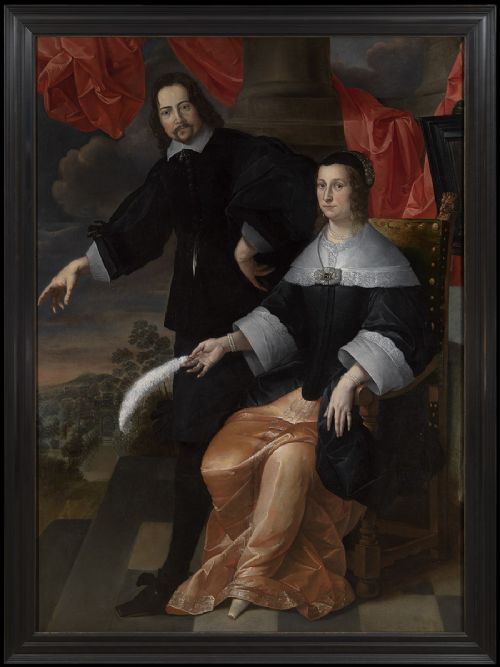
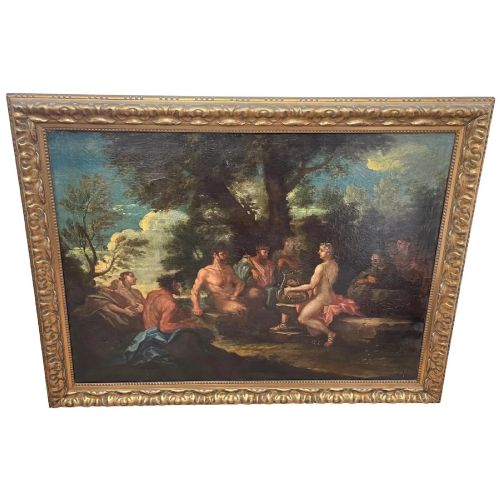
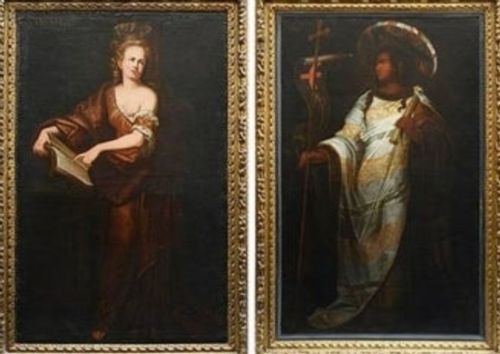
A baroque style painting encompasses dramatic oil works, fine art portraits, and classical mythological scenes spanning the seventeenth and eighteenth centuries alongside later revivals. Buyers seeking this phrase encounter grand depictions of nobility, biblical narratives, and rustic genre scenes executed with intense emotional resonance.
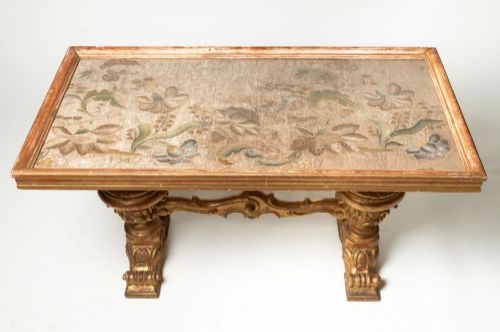
Beyond wall art, the selection occasionally includes related furnishings such as carved giltwood frames and painted coffee tables bearing the aesthetic hallmarks of the period. These varied formats share a preoccupation with rich ornament, dark palettes, and commanding presence.
Materials and technique
The works utilise oil paint applied to canvas or oak panels, building deep layers of pigment that create the characteristic luminosity and dark shadows of the period. Pigments are worked to render heavy velvet draperies, intricate lace collars, and gleaming steel armour with striking realism.
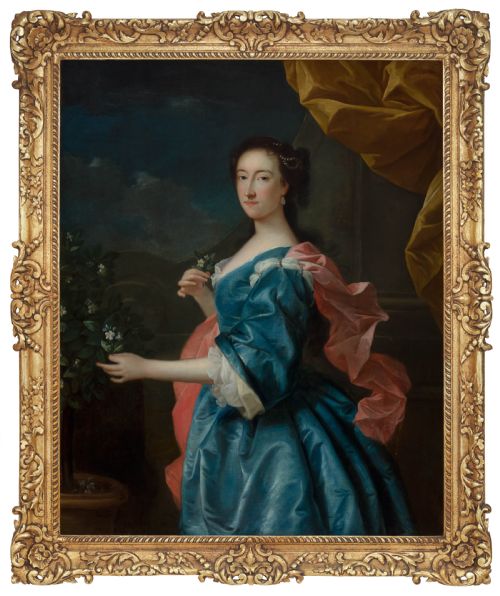
Many paintings are housed in carved giltwood frames finished with gold leaf, matching the ornate character of the canvases they enclose. These frames are constructed from wood, utilising traditional joinery and carved ornamentation to complement the theatrical composition within.
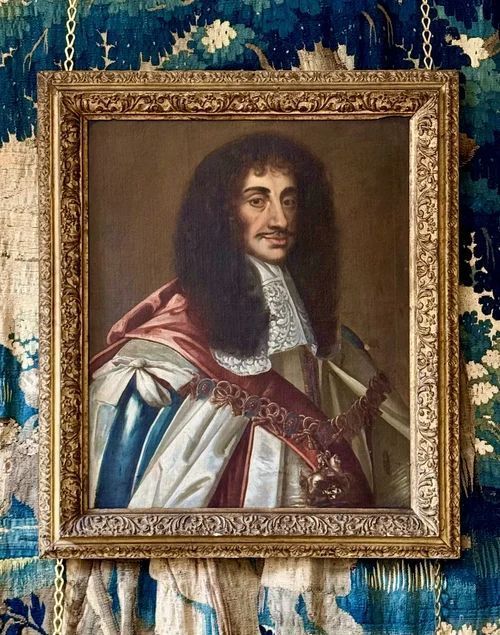
Giltwood frames frequently accompany these portraits, providing the carved architectural borders typical of the era.
Markers of quality
The integrity of the canvas or panel, the preservation of the original pigment layers, and the authenticity of the accompanying carved giltwood frame dictate the standing of a piece. Period works from recognised circles or workshops carry distinct execution superior to later, untutored copies.
Sir Peter Lely·David Teniers·Anthony van Dyck·Francesco Solimena
The Baroque Style Painting Glossary
- Baroque
- A European style of art spanning the seventeenth and early eighteenth centuries, characterised by exaggerated motion, deep shadow, and clear detail used to produce drama and grandeur.
- Chiaroscuro
- An Italian artistic term describing the strong contrast between light and dark, usually bold contrasts affecting a whole composition to create theatrical depth.
- Old Master
- A term used for a european painter of skill born before about 1800, or a painting by such an artist.
- Provenance
- The chronology of the ownership, custody or location of a historical painting, establishing its authenticity and history.
Baroque Style Painting: Frequently Asked Questions
How do I identify a period piece?
Examine the canvas preparation, pigment composition, and the natural ageing of the oil paint under magnification. Crazing and craquelure patterns offer vital clues regarding the age of the medium.
Furthermore, the construction of the wooden stretcher frame and the hand-carved details of any associated giltwood frame help determine whether a work originates from the seventeenth century or a later revival.
Where were these paintings displayed?
Historically, these grand portraits and mythological scenes hung in the reception rooms, galleries, and staircases of aristocratic country houses and town mansions. They projected lineage, wealth, and cultural sophistication to visiting peers.
Today, they serve a similar purpose in domestic interiors, anchoring a room with a strong focal point above a fireplace or along a primary wall.
How should I light an oil painting?
Position picture lights with low-heat, UV-filtered LED bulbs above the canvas to prevent damage to the delicate oil pigments and varnish layers. Avoid placing the work in direct sunlight, which causes fading and accelerated drying of the medium.
Consistent ambient room temperature and stable humidity protect both the canvas and the wooden support from warping or cracking over time.
What is the difference between an original and a copy?
An original painting comes directly from the hand of the master or their immediate studio during the artist's active lifetime. Contemporaneous copies or works by followers were often produced shortly after, serving as studio records or commissions for wider family members.
Both categories can possess considerable artistic merit and age, but documentation and brushwork distinguish the prime original from subsequent iterations.