

French Rococo Art
French rococo art gathers delicate oil paintings, carved giltwood frames and bronze clocks that capture the ornate aesthetic of the eighteenth century.
French Rococo Art
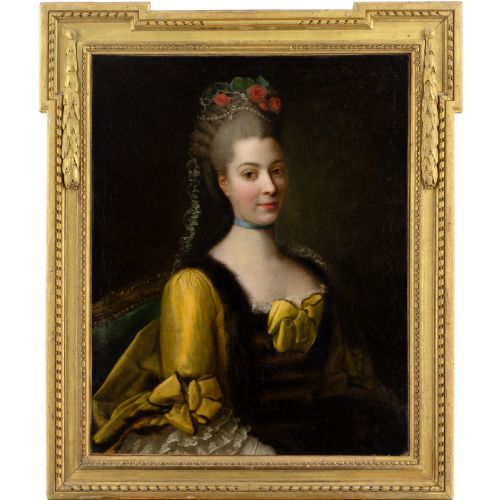
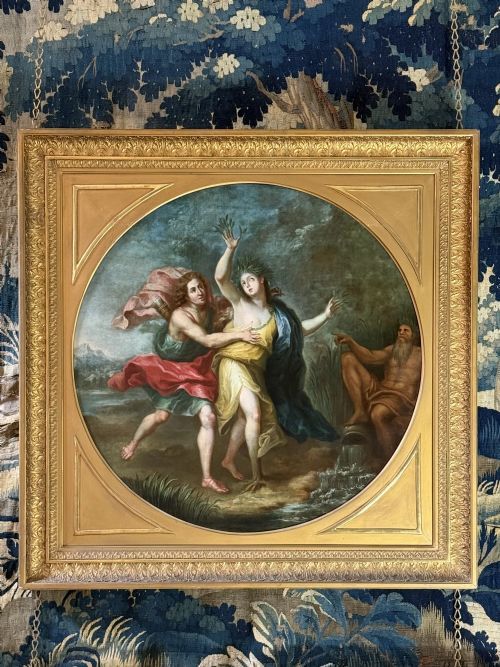
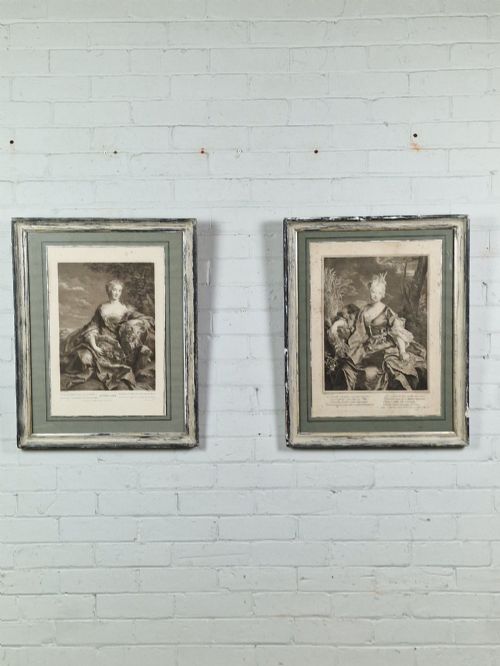
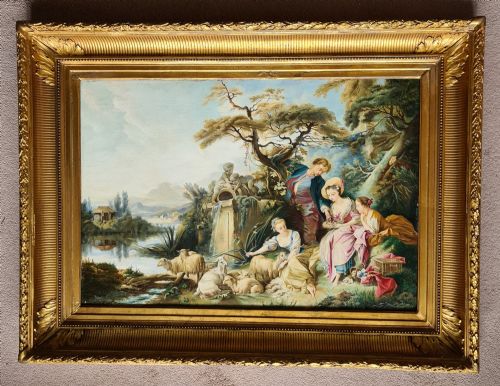
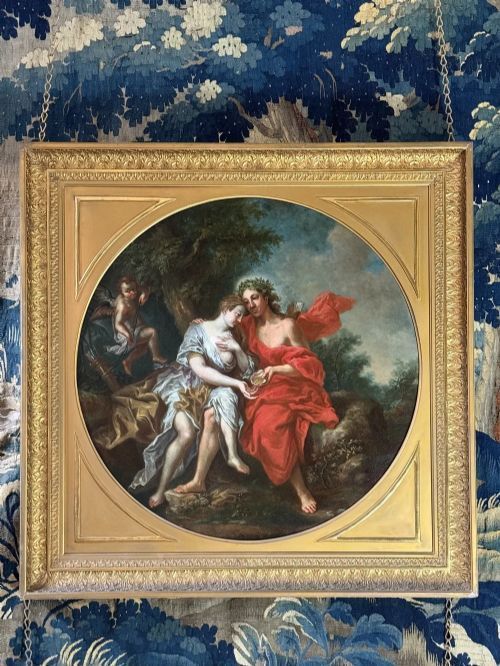
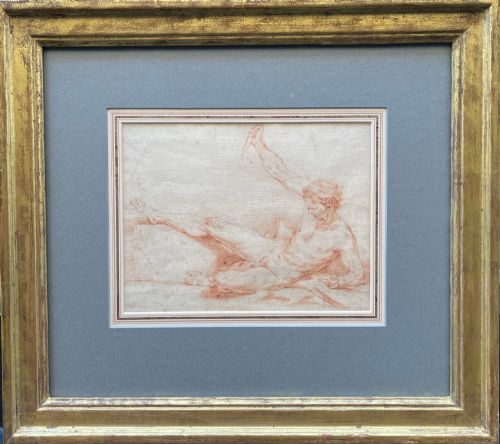
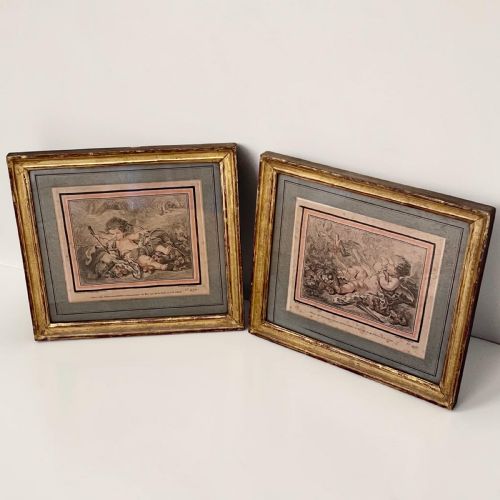
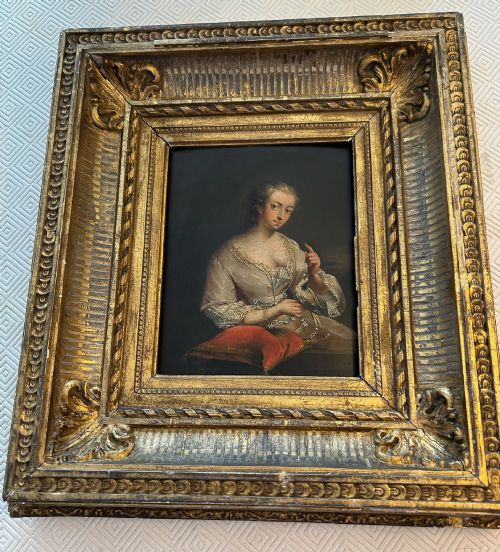
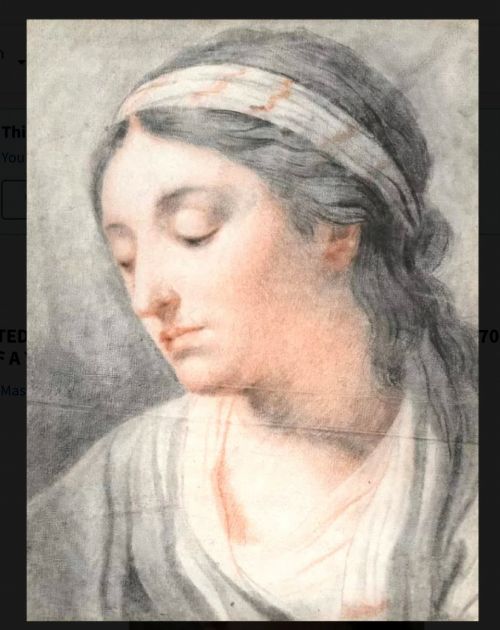
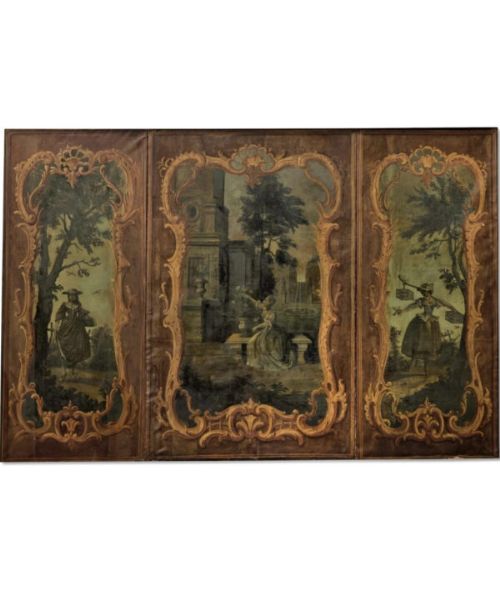
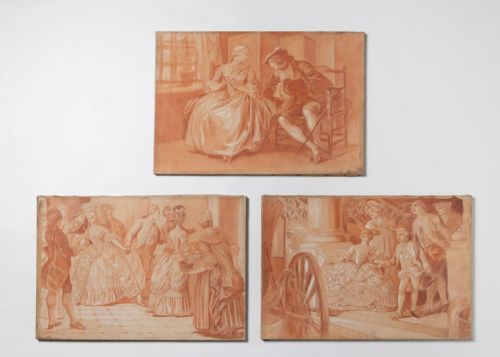
When exploring french rococo art, buyers encounter a diverse selection of oil paintings, portrait miniatures, engravings and wall hangings dating primarily from the eighteenth and nineteenth centuries. These works often depict classical figures, cherubs and pastoral scenes executed in the manner of prominent historical masters.
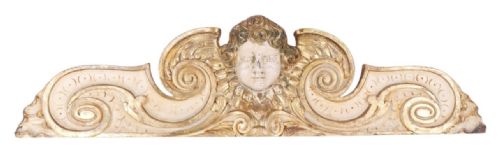
Beyond flat works on canvas and paper, the category encompasses carved wooden overdoor panels, devotional shadow boxes with glass figures and intricate gilt bronze cartel clocks. Many pieces reflect later revivals of the style, maintaining the characteristic ornamentation and asymmetry associated with the period.
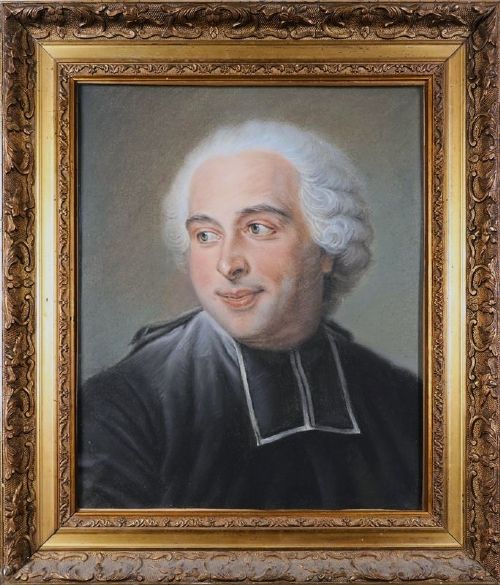
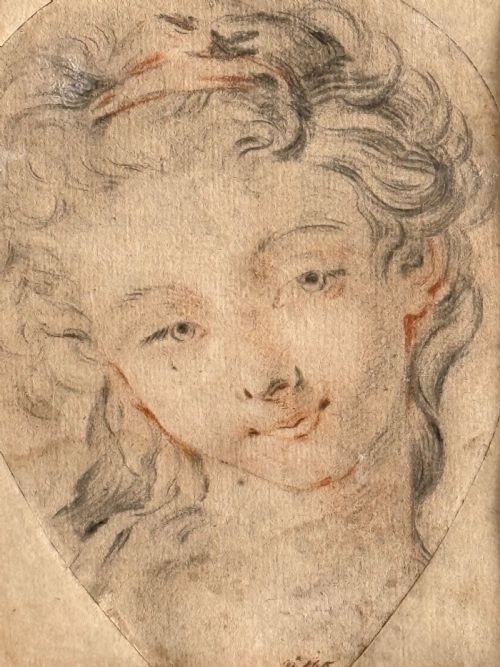
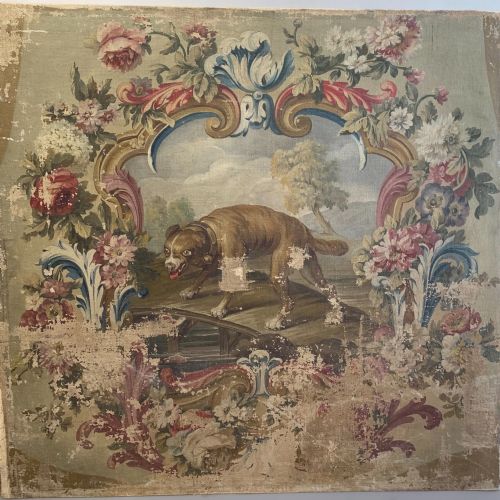
The selection ranges from intimate pastel portraits and watercolour studies to large tapestry panels and decorative wall art designed for interior display. Each object demonstrates the decorative impulse and craftsmanship characteristic of French ateliers across multiple centuries.
Materials and Techniques
The production of these works relies upon traditional painting supports including oil on canvas, copper plates and prepared paper, overlaid with oil paint, pastel or watercolour. Artisans employed meticulous brushwork to achieve soft flesh tones and fluid drapery, occasionally utilising monochrome camaieu bleu grisaille techniques.
Three-dimensional elements and frames incorporate carved wood, gesso and applied giltwood or ormolu, utilising metal casting and hand-carving methods. Bronze clock movements and decorative mounts were cast, chased and gilded to create rich surface textures that catch the light.
Several clocks feature playful bronze dolphins writhing gracefully beneath the dial, proving that even eighteenth-century timekeeping took a moment to swim.
Evaluating Quality
Quality in these works is determined by the finesse of the draughtsmanship and the expressive depth of the figures, particularly in facial details and hand gestures. Paintings attributed directly to period schools or executed with accomplished brushwork stand apart from later decorative copies.
For decorative objects and clocks, the crispness of the bronze casting, the preservation of the original gilding and the complexity of the wood carving dictate the tier of the piece. Integrated suites, such as clock sets or paired panels, demonstrate a higher degree of original conception.
Charles Antoine Coypel·Francois Boucher·Jean Baptiste Greuze·Samuel Marti·Japy Freres·Fritz Marti
The French Rococo Art Glossary
- Grisaille
- A painting executed entirely in shades of grey or neutral monochrome, often used to create the illusion of relief sculpture.
- Gesso
- A plaster-like mixture applied to wooden frames as a smooth base before gilding with gold leaf.
- Camaieu
- A monochromatic painting technique rendered in a single colour other than grey, such as blue.
- Overdoor
- A decorative painted panel or carved wooden relief positioned directly above a doorway.
French Rococo Art: Frequently Asked Questions
What subjects appear in these paintings?
The painted works frequently depict classical mythology, pastoral scenes and portraits of elegant women or gentlemen. Cherubs and allegorical figures also feature prominently across canvases and decorative panels.
Many compositions draw inspiration from established historical artists, reflecting the fashionable tastes of eighteenth-century French interiors.
How do I distinguish eighteenth-century pieces from later revivals?
Original eighteenth-century works display period pigments, canvas preparation and wear consistent with age. Nineteenth-century revival pieces often utilise standardised mechanical components or modern framing techniques.
Examining the reverse of paintings, panel construction and clock movements provides clearer indicators of the actual date of manufacture.
How were cartel clocks used originally?
Cartel clocks served as functional timepieces and high-status decorative wall ornaments in period salons and antechambers. Their elaborate gilt bronze frames complemented wall panelling and mirrors.
They were mounted securely to walls, often positioned centrally to draw the eye within the decorative scheme of a room.
How do I care for antique gilded frames?
Gilded wood and gesso surfaces require careful maintenance in stable environments away from direct sunlight and excessive moisture. Dusting should be performed gently with a soft, dry brush to preserve the delicate gold leaf.
Harsh chemical cleaners must be avoided entirely to prevent permanent damage to the historic surface layers.