


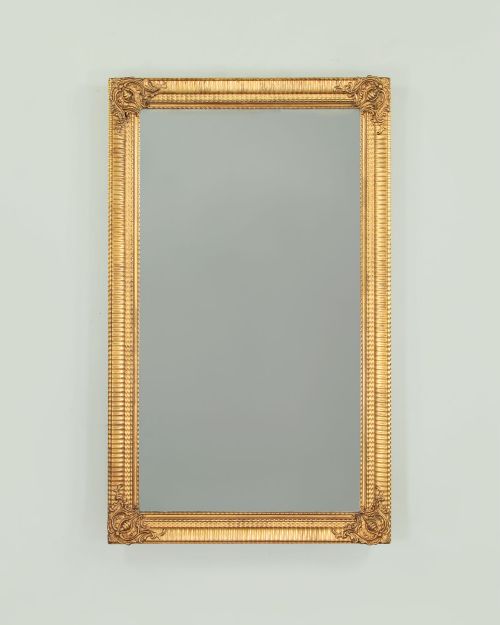
Antique Style Overmantel
An antique style overmantel brings scale and a reflective focal point to a room, drawing the eye naturally above a fireplace.
Antique Style Overmantel
An antique style overmantel is a large mirror designed specifically to sit above a mantelpiece, though many pieces also function as tall leaner mirrors or wall mirrors.
The pieces encountered on this page span the eighteenth, nineteenth, and early twentieth centuries, drawing heavily on Victorian, Regency, and French revival aesthetics.
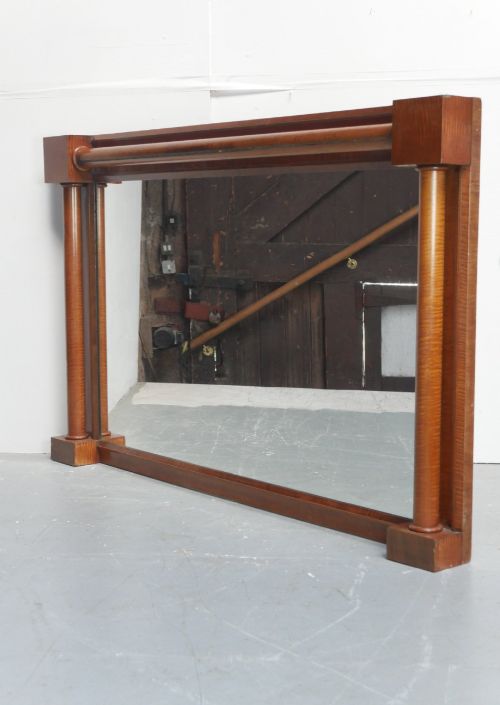
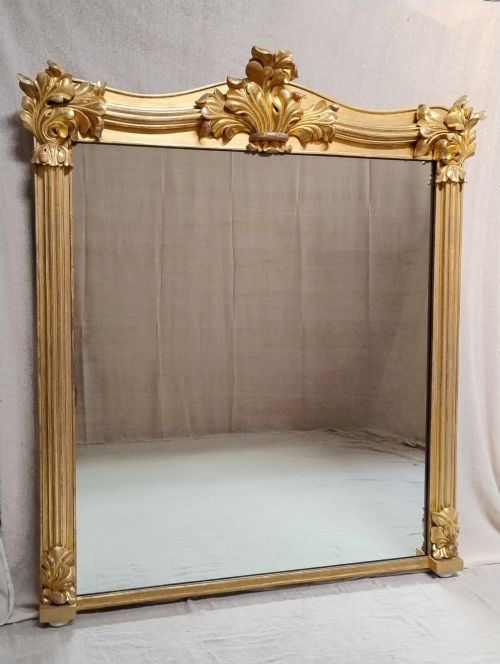
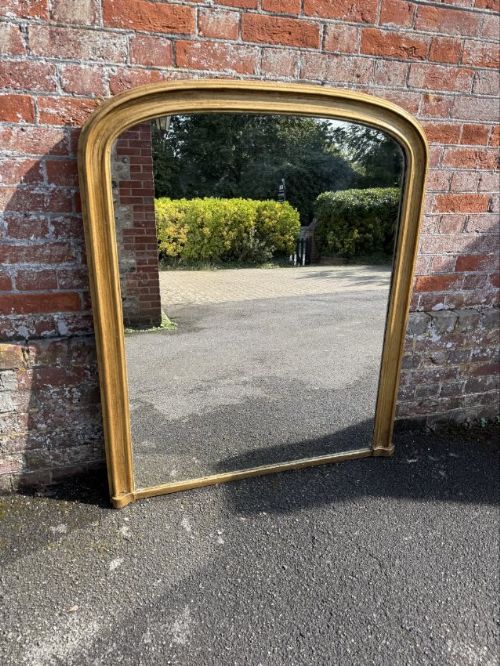
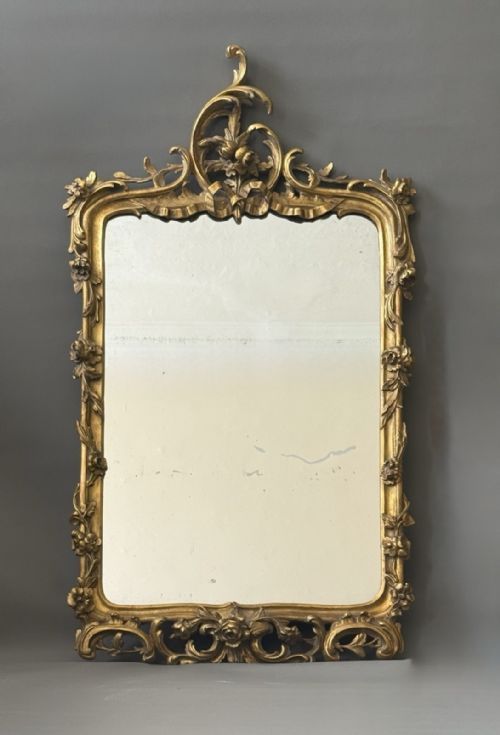
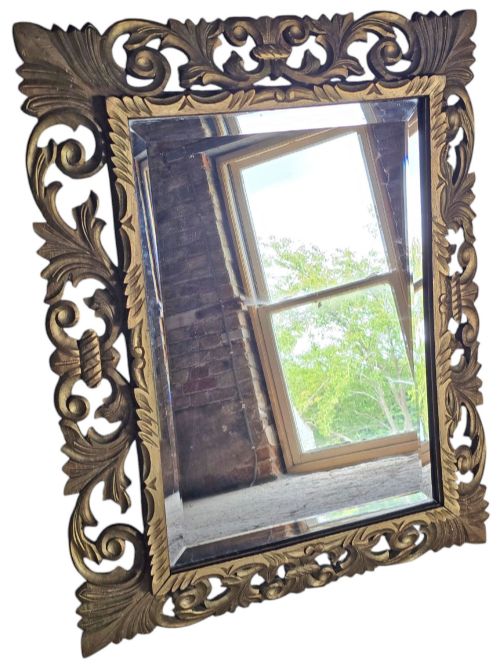
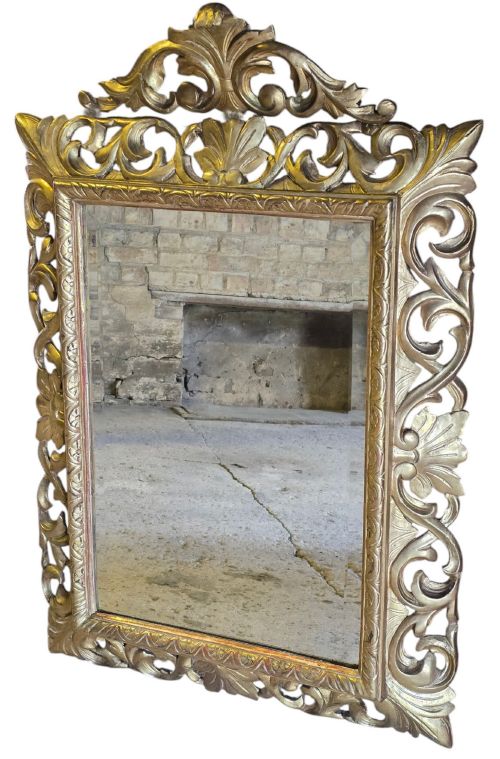
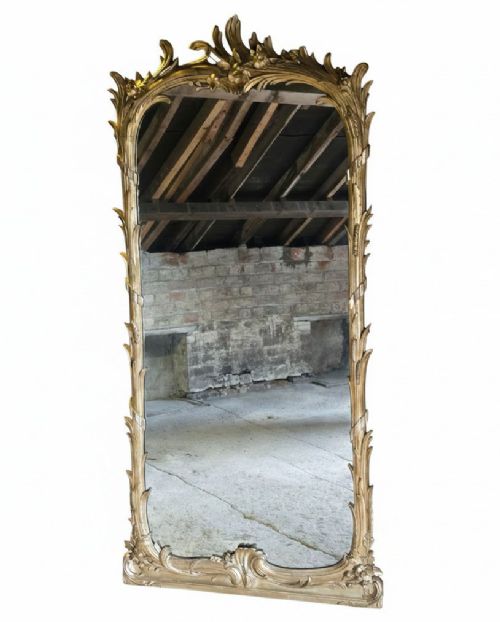
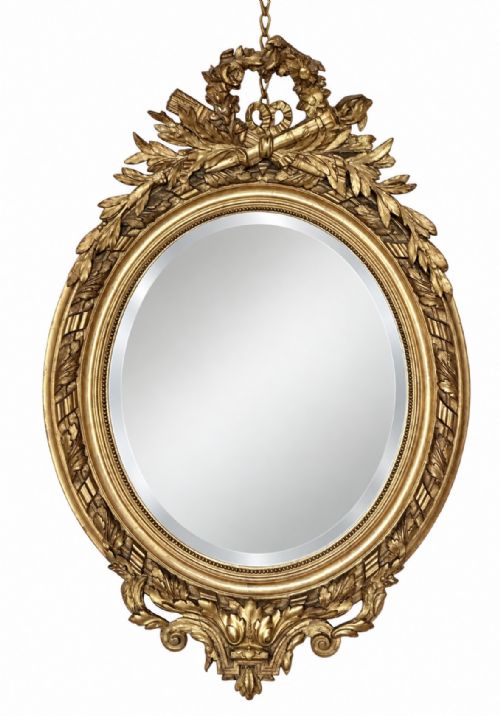
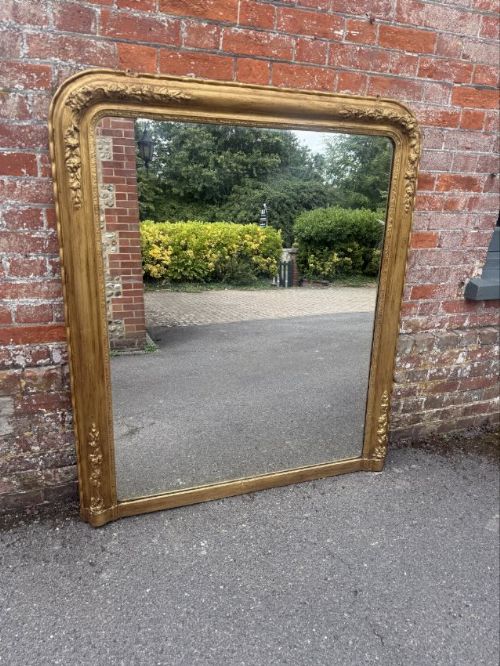
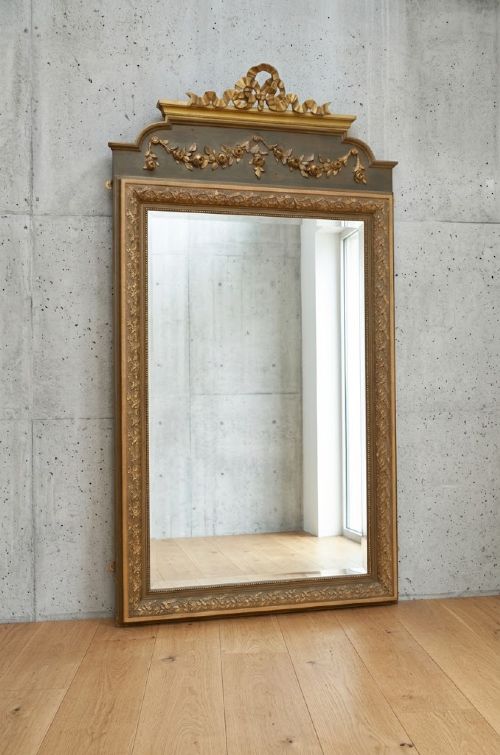
Forms range from arched tops and shaped frames to monumental gilt compositions with ornate crests, columns, and carved detailing.
Materials and construction methods
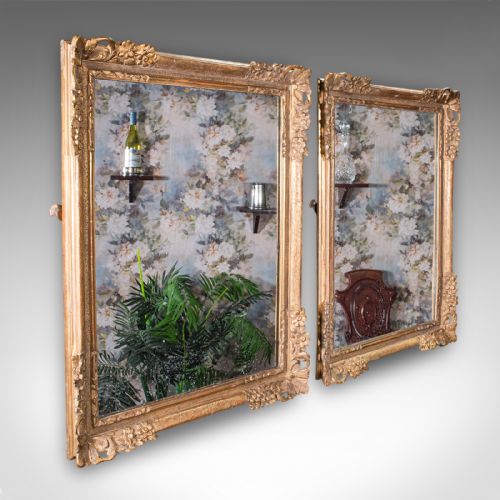
Frames are constructed primarily from carved wood, oak, or composition materials, frequently built up with layers of gesso to receive intricate surface ornamentation.
Gilding is applied using gold leaf or giltwood techniques, while select pieces feature painted finishes, bleached oak, or gilt bronze frames.
Listings feature oak, gesso, and giltwood frames spanning the eighteenth to the twentieth centuries.
Distinctions in quality
Quality rests in the depth and crispness of the hand-carved wooden ornament, where deep relief moulding and well-defined gesso scrollwork outlast simpler pressed composition substitutes.
The integrity of the mirror plate itself matters greatly, with older mercury glass and original antique plates carrying an authentic aged character that machine-rolled modern glass lacks.
The Antique Style Overmantel Glossary
- Gesso
- A plaster-like mixture applied to wooden frames as a smooth base for gilding. It allows craftsmen to carve intricate relief details before applying gold leaf.
- Overmantel mirror
- A large mirror proportioned to hang directly above a fireplace mantel. These pieces were traditionally designed to reflect light and fill the vertical wall space.
- Trumeau mirror
- A decorative wall mirror incorporating a painted panel or oil painting within the upper frame. They originated in eighteenth-century French interior design.
- Foxed glass
- Mirror plate showing mottled dark spots and oxidation caused by age. This natural weathering process is valued by collectors for its soft reflectivity.
Antique Style Overmantel: Frequently Asked Questions
How do I hang a heavy overmantel mirror?
Because these frames incorporate substantial wood, gesso, and glass, they require professional wall anchors fixed directly into masonry or structural studs. Many period examples were also designed to rest on the mantel shelf itself while being secured safely to the wall at the top.
A mirror of this scale exerts significant downward and pulling force, so load-rated brackets or heavy-duty mirror plates are essential to support the weight securely over time.
Where should I place an overmantel mirror?
Traditionally hung above a fireplace, these mirrors work equally well positioned above a low sideboard, console table, or as a tall floor-standing leaner mirror. Their generous proportions bounce natural light around the room and alter the perceived volume of the space.
When positioning the piece, consider what the glass will reflect from across the room, such as a window or a statement piece of furniture, to maximise its visual impact.
How do I clean an antique giltwood frame?
Giltwood and gesso surfaces require gentle dusting with a soft, dry brush to remove particulate matter without disturbing the delicate gold leaf. Avoid using water, liquid cleaners, or modern chemical polishes, as moisture can soften the underlying gesso.
For stubborn dust trapped within deep carved recesses, a clean artist's paintbrush used with a light touch helps preserve the fragile surface layers.
How do I identify a French rococo revival style?
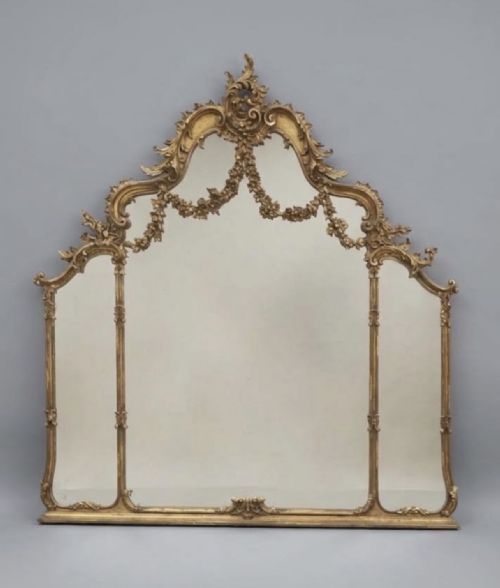
French rococo revival mirrors display characteristic asymmetry, naturalistic C-scrolls, floral motifs, and flowing organic lines derived from eighteenth-century designs. Nineteenth-century interpretations often feature elaborate crests with ribbons or floral sprays.
Look for the combination of carved gesso over wood, rich gilding, and shaped or arched tops that typify the decorative exuberance of the period.