



Carved Moulding Overmantel
These carved moulding overmantel mirrors are commanding architectural pieces designed to anchor a room above a fireplace.
Carved Moulding Overmantel
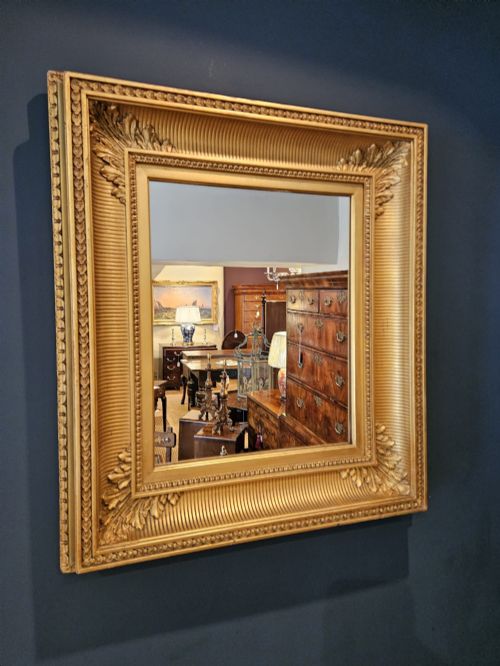
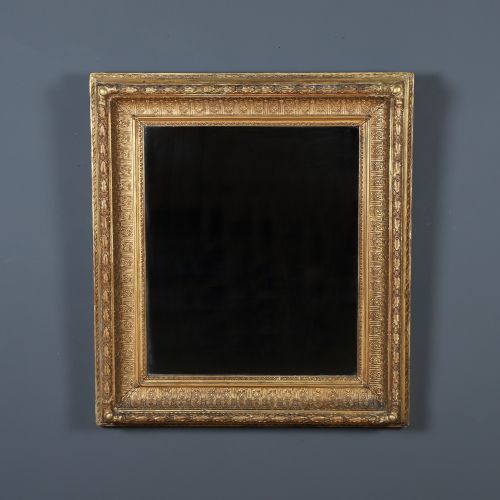
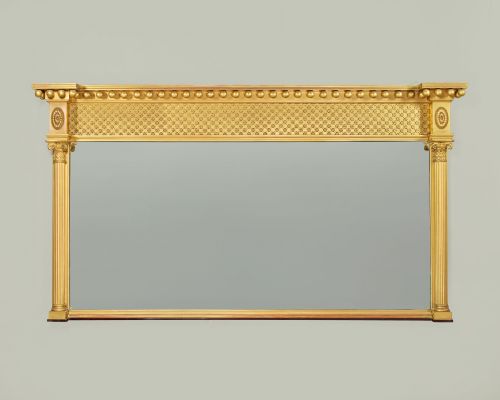
A carved moulding overmantel is a substantial mirror or architectural element designed to sit directly above a fireplace mantelpiece. The pieces listed under this search phrase span the Victorian, Edwardian, and seventeenth-century periods, capturing centuries of domestic interior design. You will most frequently encounter nineteenth-century and Victorian examples featuring arched, shaped, or landscape formats.
The selection ranges from large gilded overmantel mirrors with detailed leaf decoration to simpler painted timber frames and earlier carved friezes. Formats vary from grand, tulip-framed designs to rectangular landscape mirrors intended to reflect light across a principal room. Each object originates from British decorative traditions, utilising traditional framing techniques to create a commanding focal point.
How they were made
The construction of these pieces relies heavily on carved wood foundations finished with gesso and gold leaf or composition mouldings. Artisans shaped timber frames before applying fine layers of gesso to build up intricate relief patterns such as acanthus leaves.
Gilding techniques included the application of gold leaf and sand finishes to create textured, light-catching surfaces on nineteenth-century frames. Mirror glass was then fitted into the rebate, accompanied by substantial backing timbers to support the weight of the wall hanging.
Some nineteenth-century makers cleverly hid minor timber shrinkage behind generous applications of gesso and gold leaf.
What varies in quality
The distinction between standard examples and superior pieces rests upon the crispness of the hand-carved elements and the depth of the gilding. Finer nineteenth-century pieces display deeply undercut foliage and carefully burnished gold leaf that retain their brilliance over time.
Simpler or later pieces often rely on cast composition ornament applied to basic timber frames rather than skilled manual carving. The integrity of the original mirror glass and the structural stability of the heavy wooden carcass further separate standard production from exceptional work.
The Carved Moulding Overmantel Glossary
- Gesso
- A plaster-like mixture applied to wood frames as a base for gilding or painting. It is built up in layers and carved or moulded to create intricate decorative details.
- Giltwood
- Timber that has been coated with gold leaf or gold paint. This technique gives the frame a luminous, reflective surface characteristic of formal period mirrors.
- Composition
- A moulded material made from whiting, resin, glue, and oil pressed into ornaments. It was widely used as a cost-effective alternative to hand-carved wood on nineteenth-century frames.
- Overmantel
- A large mirror or panel designed to hang specifically above a fireplace mantelpiece. These pieces were scaled to balance the hearth below and reflect light into the room.
- Sand finish
- A decorative surface treatment where fine sand is embedded into the wet gesso or paint layer before gilding. This creates a contrasting textured matte effect against shiny gold leaf.
Carved Moulding Overmantel: Frequently Asked Questions
How were these mirrors originally used?
These mirrors were positioned above mantelpieces in principal reception rooms to bounce natural daylight around the interior. By reflecting light from windows and candles, they brightened spaces before the advent of electricity.
Their substantial scale also helped to visually balance the heavy masonry of the fireplace hearth below, anchoring the room's decorative scheme.
How do I live with an overmantel mirror?
Living with an overmantel involves mounting it securely to a solid wall above a mantelpiece, where its weight can be properly supported. Because of their impressive size, they work best in rooms with adequate ceiling height and clear wall space.
Keep them away from direct moisture and clean the glass gently with dry or slightly damp cloths to protect the historical frame finishes.
How do I tell Victorian pieces apart from earlier ones?
Victorian overmantels often feature machine-prepared timbers combined with applied composition ornament and bright gilding techniques. Earlier seventeenth-century and Regency examples typically display heavier, hand-carved solid wood construction with different joinery methods.
Examining the backboards, fixings, and the composition of the gesso layer helps reveal the true age and production methods of the frame.