

Antique Style Mahogany Chairs
Antique style mahogany chairs bring enduring British craftsmanship into the home, offering both solid dining sets and comfortable library armchairs.
Antique Style Mahogany Chairs
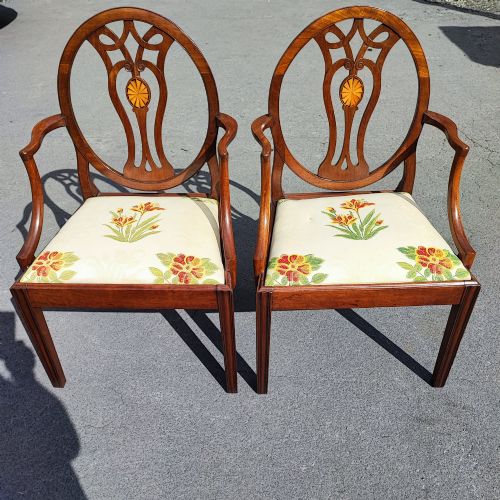
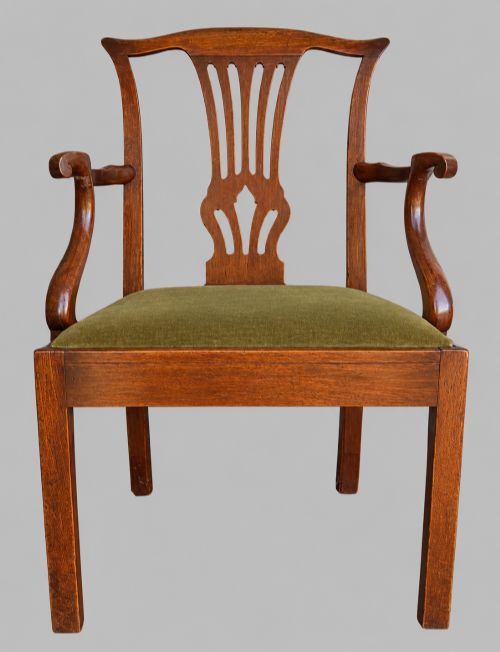
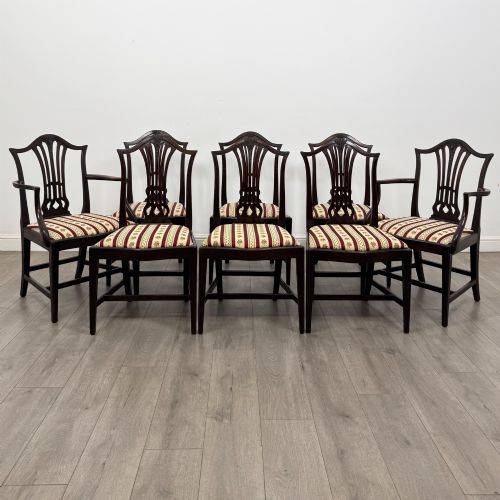
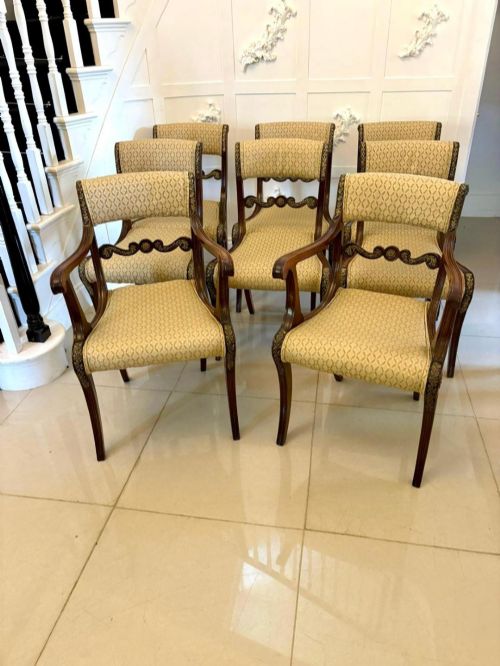
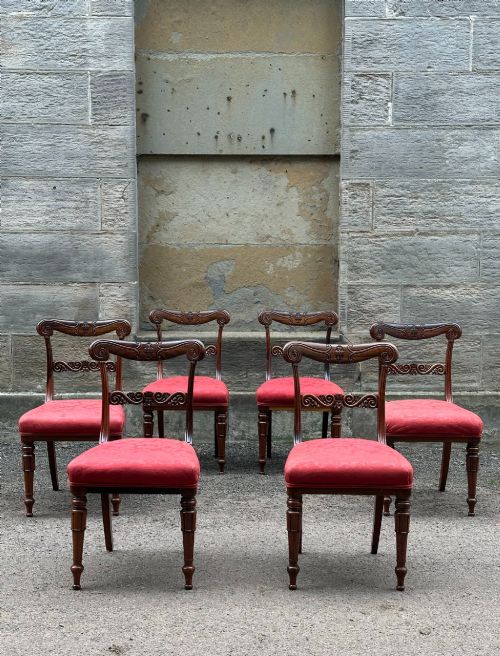
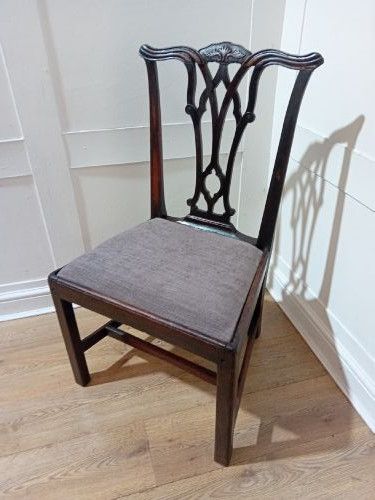
When browsing for antique style mahogany chairs, buyers encounter a diverse selection ranging from original 18th century Georgian dining seats to later revivals from the Victorian and Edwardian eras. The most common versions on this page are dining sets and individual armchairs reflecting classic Chippendale, Sheraton, and Hepplewhite designs.
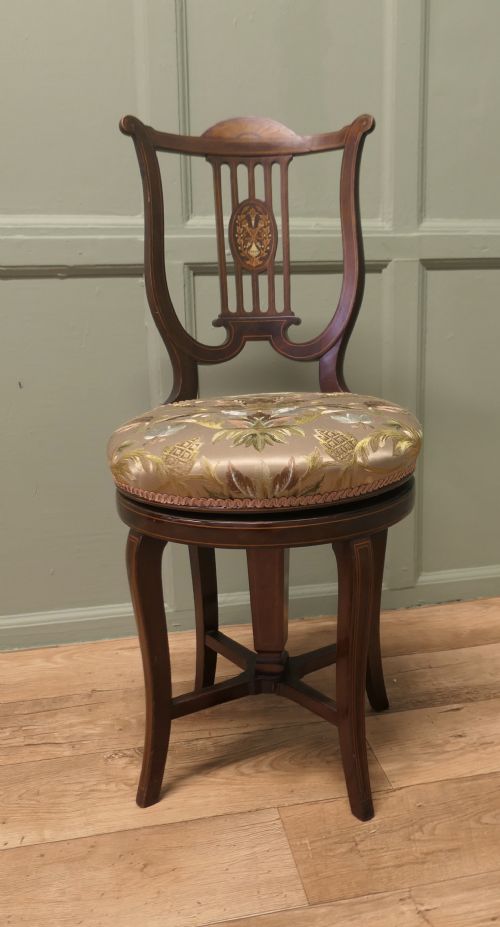
The assortment spans formal single chairs intended for around a dining table to specialised forms such as library armchairs, desk chairs, and music chairs. Many pieces date from later periods including the 1900s and 1920s, adopting earlier aesthetic vocabularies with notable fidelity.
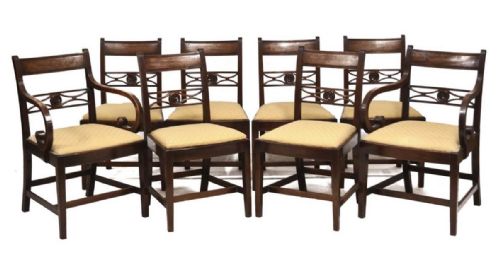
Originating predominantly from British cabinet making traditions, these seats incorporate regional variations and stylistic revivals. Whether seeking a matched set of eight for a dining room or a single elbow chair for a study, the selection bridges formal heritage and domestic utility.
Materials and construction techniques
Construction relies heavily on dense mahogany timber, selected for its rich grain and structural stability. Workshops frequently paired this primary wood with secondary supports, incorporating traditional joinery such as mortise and tenon frames.
Upholstery forms an essential component of many pieces, utilising historical materials like leather, velvet, brass nails, and woven fabric over traditional stuffing. Carved details - ranging from ribbon backs to intricate lyre motifs - demonstrate skilled hand-tooling across both Georgian originals and later revival pieces.
Some music chairs feature revolving mechanisms that allowed 19th-century cellists and harpists to adjust their height mid-performance with theatrical flair.
Indicators of distinction
Distinction in these chairs rests upon the crispness of carved ornamentation and the architectural proportion of the frame. Pieces featuring deeply undercut mahogany carving and well-balanced cabriole or straight legs stand apart from simpler commercial alternatives.
The integrity of the original timber and the sympathetic retention of period upholstery materials influence the standing of a piece. Cohesiveness across larger sets further elevates the desirability of dining chairs.
HOWARD AND SONS·Gill & Reigate·Maple & Co·Whytock & Reid
The Antique Style Mahogany Chairs Glossary
- Carver armchair
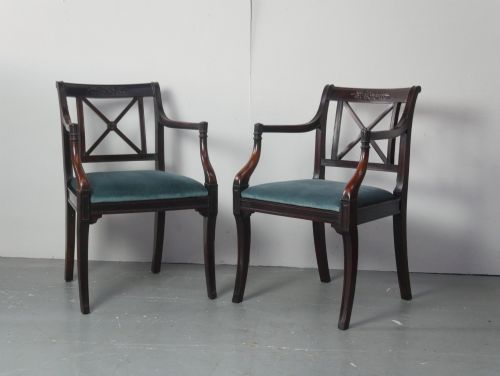
- An armchair designed with open elbow rests, traditionally placed at the head of a dining table alongside matching single chairs. These often mirror the decorative splat of the associated dining set.
- Chippendale style
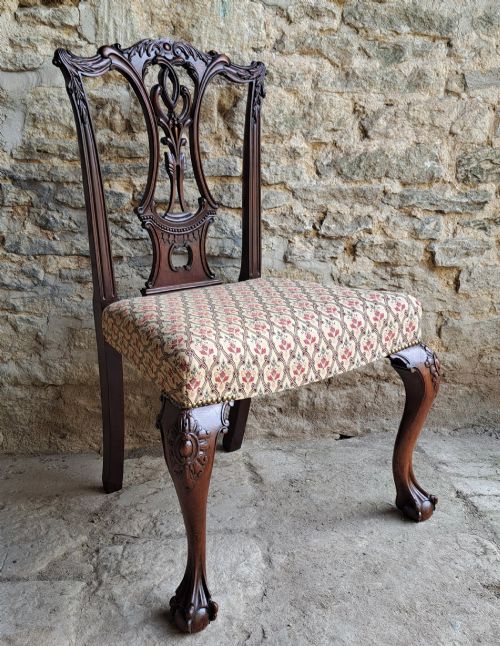
- A design vocabulary drawing on the mid-18th century pattern books of Thomas Chippendale, characterised by interlaced ribbon backs, carved crest rails, and sturdy cabriole legs. Revival versions appeared frequently in the Victorian and Edwardian periods.
- Sheraton style
- A neoclassical furniture design featuring straight tapered legs, geometric symmetry, and delicate inlaid veneers. These chairs often incorporate shield-shaped or rectangular lattice backs.
- Bar back
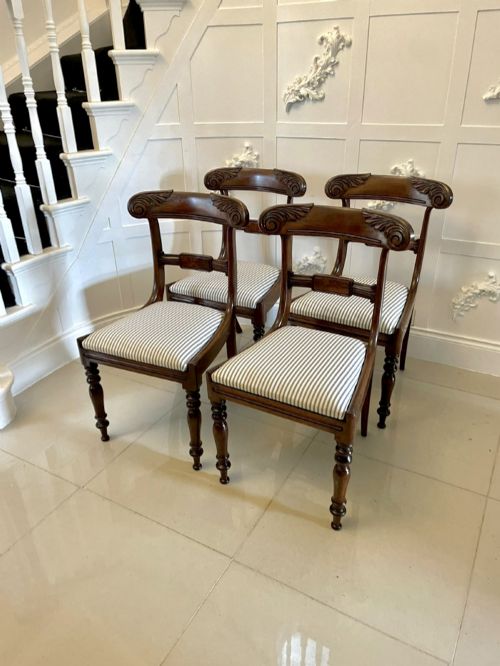
- A chair back featuring a horizontal crossbar or splat resembling the shape of a curved rail. This form gained significant popularity during the William IV and Regency periods.
- Library armchair
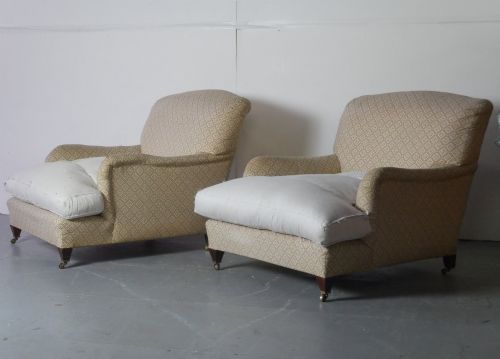
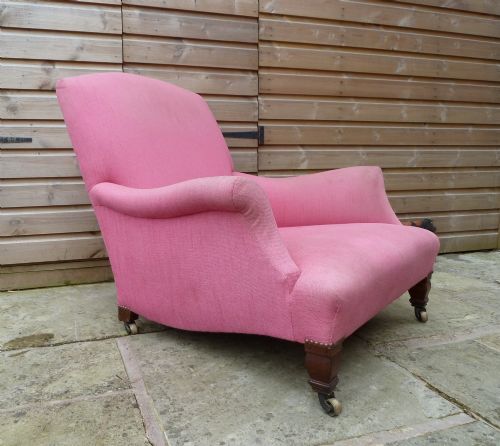
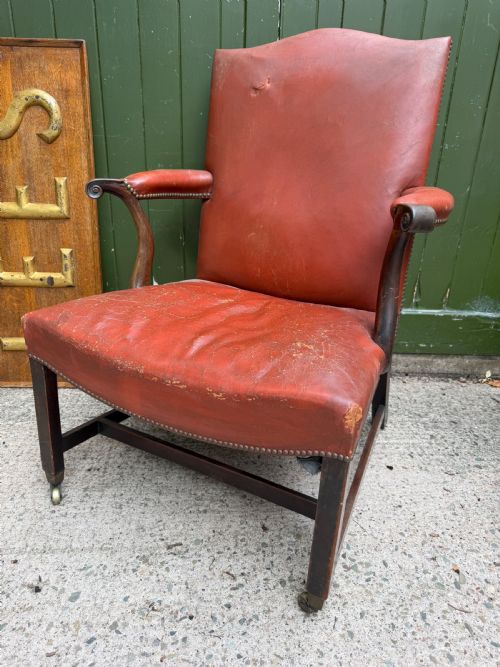
- A generously proportioned seating form designed for reading and study, frequently upholstered in leather and padded for extended comfort. These pieces often feature padded armrests and robust mahogany frames.
Antique Style Mahogany Chairs: Frequently Asked Questions
How do I care for antique mahogany furniture?
Maintain timber surfaces by applying appropriate natural waxes sparingly and buffing gently with a soft cloth. Avoid placing mahogany furniture in direct sunlight or near heat sources to prevent the wood from drying and splitting.
Protect upholstered sections by keeping them away from moisture and vacuuming fabric surfaces regularly with a low-suction attachment. Professional conservation is recommended for deep cleaning antique leather or delicate textiles.
Can I mix different styles of dining chairs?
Combining different chair styles can create a layered, eclectic interior if the wood tone and approximate period share common traits. Ensuring the seat heights align correctly is essential for practical comfort around a dining table.
Sticking to mahogany frames across different revival styles helps maintain a cohesive visual narrative within the room. Contrast works best when pairing simpler single chairs with a more ornate pair of carvers.
What is the difference between single chairs and carvers?
Single chairs are built without arms to allow multiple seats to fit compactly around the perimeter of a dining table. Their narrower frames make them versatile for placement against hallway walls or at a desk.
Carver chairs feature integrated armrests and generous proportions, traditionally designated for the host at the head of the table. They also function well as standalone reading chairs in studies or bedrooms.
How can I tell a Georgian original from a later revival?
Examining the construction methods underneath the seat frame reveals vital clues regarding age and origin. Hand-cut joinery, timber shrinkage patterns, and the type of secondary wood utilised often point towards 18th century manufacture.
Revival pieces from the Victorian and Edwardian eras typically display machine assistance in secondary framing while still employing skilled hand-carving on primary surfaces. Comparing stylistic motifs against documented pattern books helps confirm the period of execution.