

Antique Style Lounge Chairs
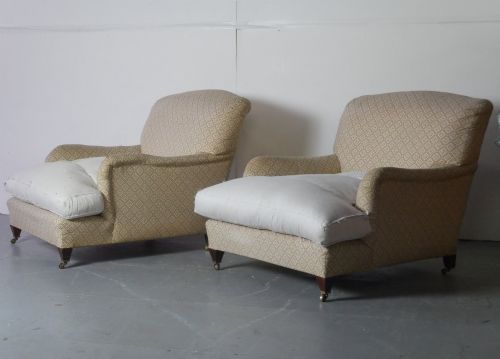
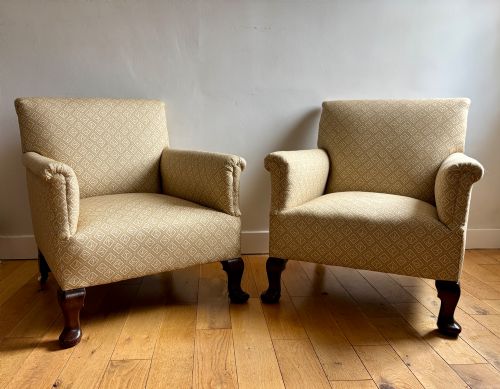
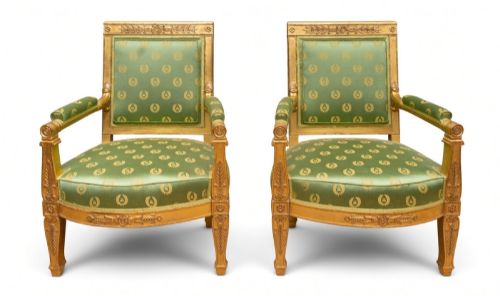
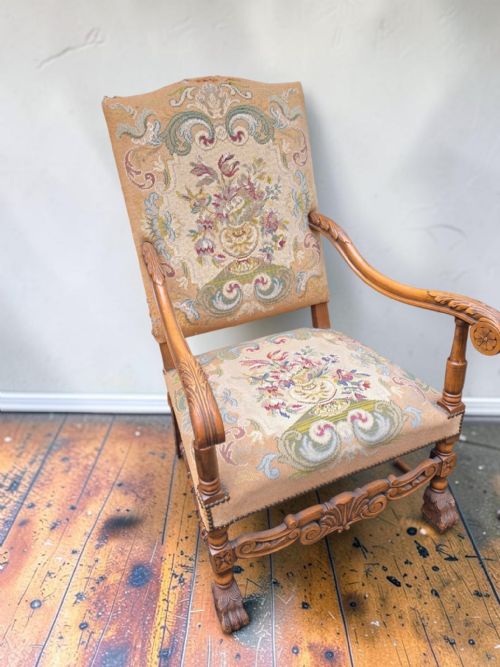
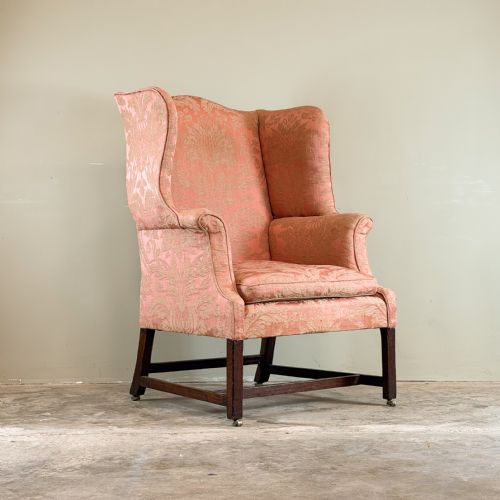
These antique style lounge chairs span the nineteenth and twentieth centuries, offering deep seats and period silhouettes designed for comfort.
Antique Style Lounge Chairs
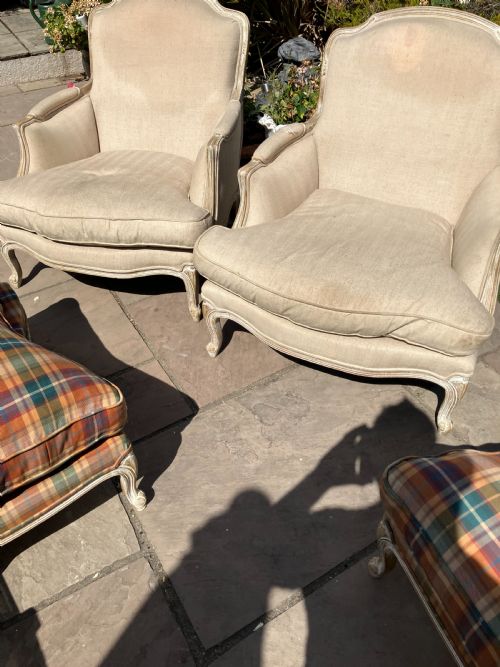
When you search for antique style lounge chairs, you encounter a diverse selection of seating including armchairs, daybeds, chaise longues, and rocking chairs. The pieces hail from periods such as the Victorian and Edwardian eras, alongside the 1920s and 1930s, reflecting stylistic revivals from French Louis to English Country House.
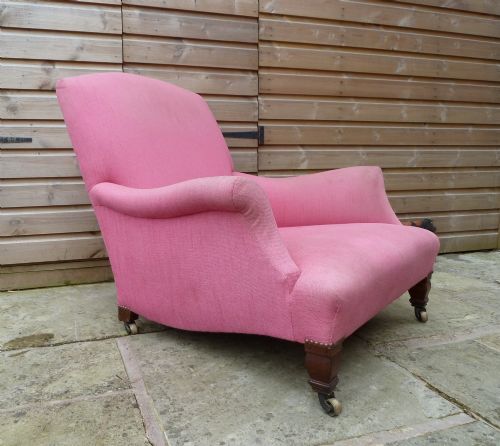
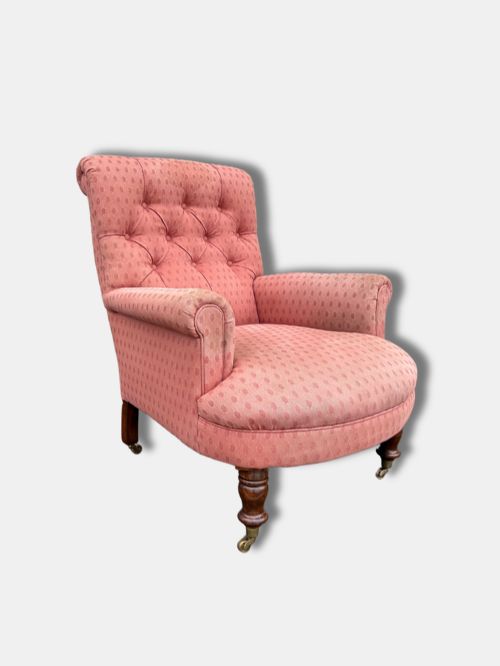
You are most likely to meet Victorian and Howard style armchairs upholstered in velvet, fabric, or leather, often featuring deep buttoning and generous proportions. Frames range from walnut and mahogany to oak and bentwood, spanning styles from Arts and Crafts to Art Deco club chairs.
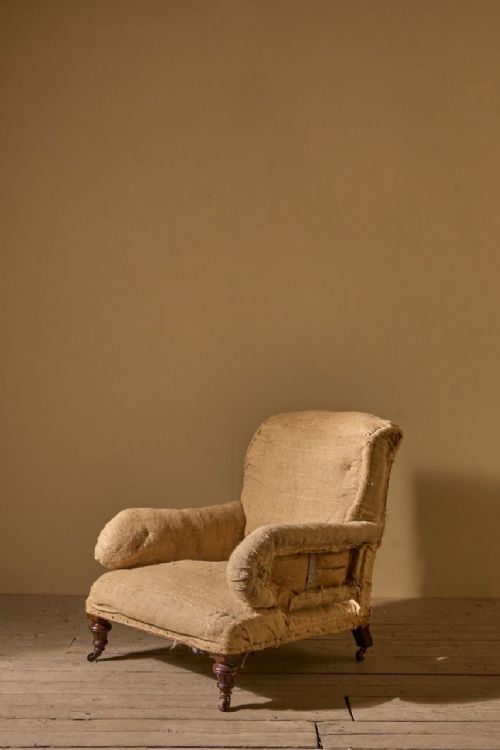
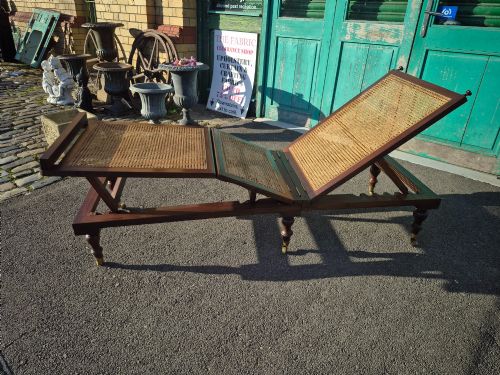
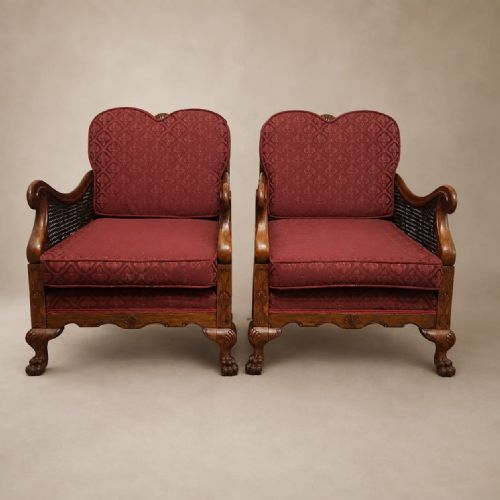
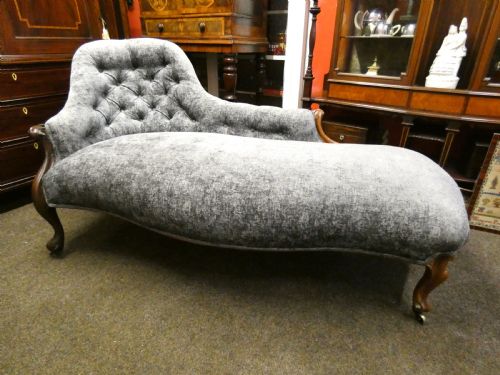
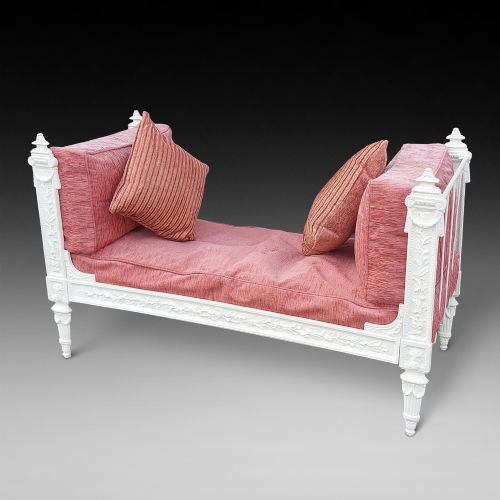
The selection includes daybeds and chaise longues with distinctive legs and frames, alongside bergere suites and rocking chairs. These seats combine historical forms with period upholstery materials like hessian and tapestry.
How they were made
Makers constructed the frames using hardwoods such as walnut, mahogany, and oak, occasionally incorporating cast iron or bentwood for specific structural forms. Joinery and carving support the weight and decorative outlines of armchairs, daybeds, and chaise longues.
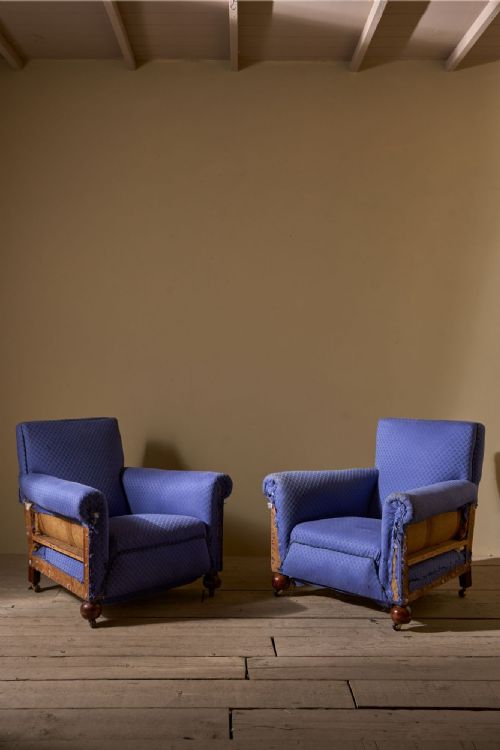
Upholstery relies on traditional stuffing methods contained by Hessian, finished with top layers of fabric, velvet, leather, silk, or tapestry. Brass elements, giltwood, and gilt bronze mounts appear on specific French and English revival pieces to accent the woodwork.
What varies in quality
The integrity of the underlying hardwood frame and the retention of original or sympathetic upholstery materials dictate the standing of a piece. Finer examples display crisply carved woodwork, substantial timber frames, and well-sprung interiors that maintain their original silhouette.
Execution of style, from precise French Louis carving to the characteristic low-slung comfort of Howard style armchairs, separates standard production from superior work. The harmony between frame timber, such as figured walnut or mahogany, and the chosen textile finish defines the upper tier.
Howard and Sons·Whytock and Reid·Jacob Desmalter·Gillows·Epstein
The Antique Style Lounge Chairs Glossary
- Bergere
- An enclosed upholstered armchair with wooden framing, often featuring cane panels on the back and sides. This form gained popularity in eighteenth-century France and reappeared in later revival pieces.
- Fauteuil
- An open-armed upholstered chair with an exposed wooden frame, typically carved. The style originates from French design traditions.
- Duchesse Brisée
- A multi-part chaise longue comprising an armchair and an ottoman, or two chair units separated by a footstool. It allows for reclining in extended seating arrangements.
- Split cane
- Material woven in an open mesh pattern to form lightweight panels for chair backs and sides. It adds textural contrast to walnut and hardwood frames.
Antique Style Lounge Chairs: Frequently Asked Questions
What defines a Howard style armchair?
Howard style armchairs are known for their deep proportions, low rolled arms, and upholstered seating designed around comfort. They typically feature casters and sprung backs that distinguish them from rigid formal seating.
These chairs became staples of English Country House interiors and remain sought after for their understated silhouette and construction quality.
How do I identify a Victorian daybed?
Victorian daybeds and chaise longues feature elongated upholstered decks supported by timber frames in mahogany, walnut, or oak, occasionally utilising cast iron. They often incorporate scroll ends or carved woodwork reflecting the revival styles of the nineteenth century.
Placement usually suits a bedroom, library, or drawing room where reclining furniture served social and resting purposes.
How do I care for antique velvet upholstery?
Antique velvet requires gentle brushing with the pile to maintain its texture and prevent flattening over time. Avoid direct sunlight to preserve the depth of the textile colour.
Professional cleaning and careful handling of the underlying frame ensure the fabric survives alongside the woodwork.