


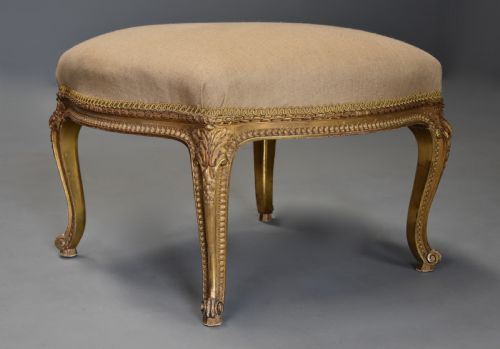

Antique Style Footrest
An antique style footrest brings period comfort to a room, offering low seating or support crafted in walnut, mahogany, and oak.
Antique Style Footrest
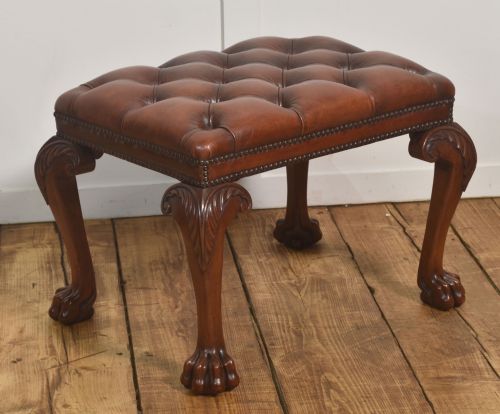
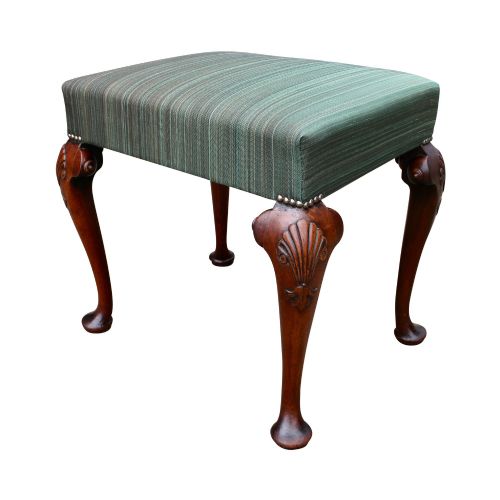
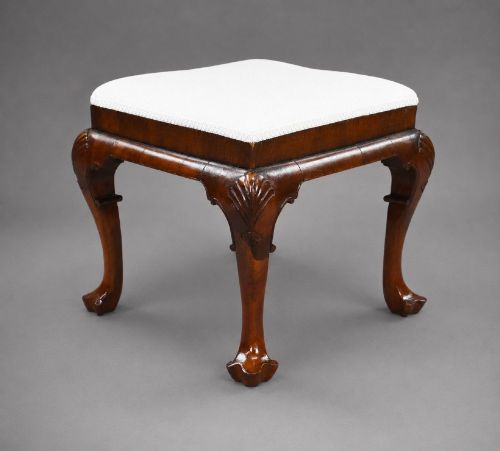
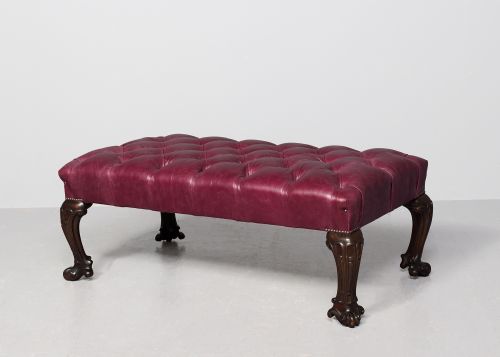
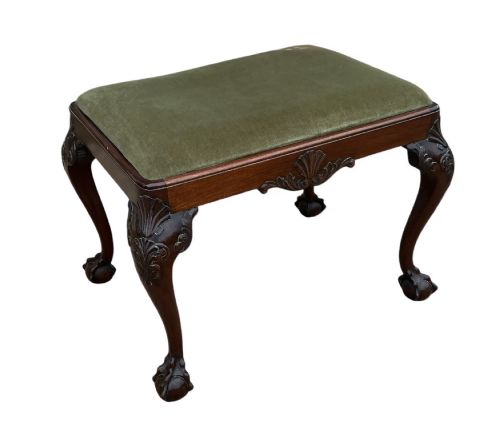
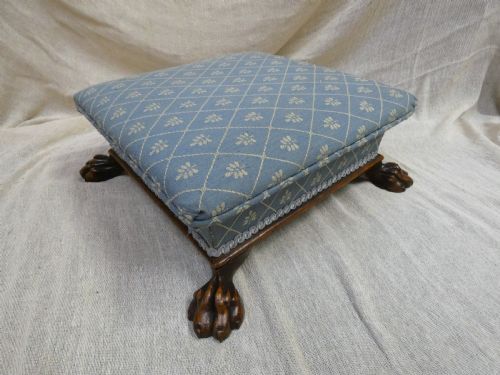
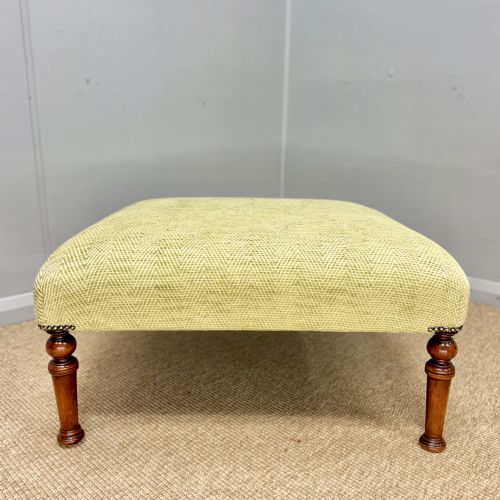
When you search for an antique style footrest, you encounter low seating and support pieces designed to elevate feet or provide casual seats by the fire. The listings here span the nineteenth and early twentieth centuries, drawing on revival designs that mimic earlier cabinet-making traditions. You will frequently find walnut and mahogany frames shaped in Queen Anne, Chippendale, and Victorian styles.
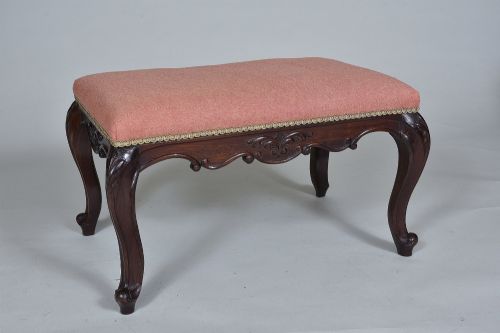
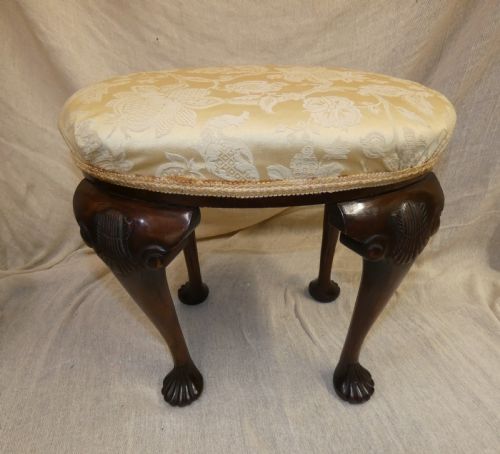
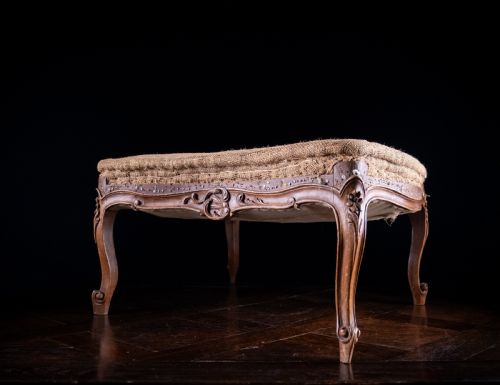
Makers of these periods reinterpreted earlier forms, producing everything from compact gout stools with adjustable mechanisms to large upholstered ottomans. Many pieces feature cabriole legs, carved wooden frames, and textile coverings ranging from needlework to buttoned leather. The selection ranges from simple dressing stools to elaborate French revival giltwood pieces.
Materials and construction methods
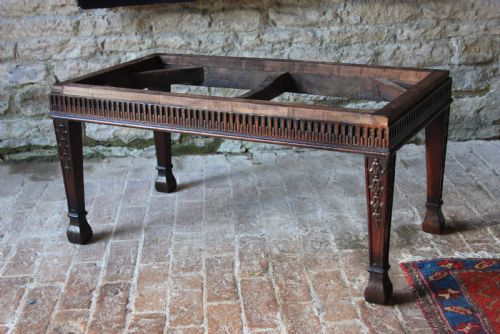
Cabinet-makers relied on dense timbers like mahogany, walnut, and oak to build sturdy frames capable of withstanding daily pressure on the joints. Joinery typically involved pegged mortise and tenon construction, ensuring stability beneath the upholstery and webbing. Secondary woods often line the internal frames, while decorative elements rely on hand-carved details directly into the primary timber.
Upholstery techniques dictate the profile of each piece, utilising traditional stuffing materials secured over supportive webbing or springs. Leather, wool, velvet, and needlework textiles form the visible surfaces, often fastened with brass tacking or finished with gimp braid. Metal components such as castors appear on larger Victorian examples to ease movement across heavy carpets.
Listings feature mahogany, walnut, and oak frames across Victorian, Edwardian, and eighteenth-century revival styles.
Distinguishing quality in period stools
The distinction between ordinary and superior pieces rests on the crispness of the timber carving and the integrity of the frame. Finer examples display deeply carved cabriole legs and well-proportioned frames that remain rigid under weight. Lesser pieces may feature soft or shallow machine-cut detailing on replacement timber rather than period hardwood.
Upholstery execution also signals grade, as high-end examples retain sympathetic stuffing methods and premium coverings like hand-stitched needlework or buttoned leather. The presence of original brass castors or maker stamps adds notable distinction to nineteenth-century French and English workshop output.
Omersa For Liberty·Loidrault Freres Paris
The Antique Style Footrest Glossary
- Cabriole leg
- A furniture leg that curves outward at the knee and tapers inward toward the ankle, ending in a pad or foot. This form draws heavily on eighteenth-century design vocabulary.
- Gout stool
- A specialised footrest featuring an adjustable sloping top designed to elevate and comfort swollen joints. These often incorporate mechanical ratchets beneath the upholstery.
- Chinoiserie
- A decorative style reflecting European interpretations of Chinese artistic traditions, frequently seen on lacquered wooden surfaces. Black lacquer finishes form a distinct part of this decorative group.
- Giltwood
- Timber coated with a thin layer of gold leaf or metallic powder, commonly utilised on French revival frames. This finish catches the light and highlights carved scrollwork.
- Needlework
- Hand-stitched textile work utilising wool or silk yarn on canvas mesh, frequently employed for period upholstery. Surviving examples display intricate floral or geometric patterns.
Antique Style Footrest: Frequently Asked Questions
How do I date an antique style footrest?
Dating relies on examining the timber species, secondary woods, and construction marks beneath the upholstery. Cabinet-making styles often reflect specific revival periods from the nineteenth or early twentieth centuries rather than the original eighteenth-century dates of the design.
Examining the wear on the feet and the type of fixings used provides further clues to the age. Fasteners and castors evolved significantly between the Georgian era and the Edwardian period.
What is a gout stool used for?
A gout stool provides adjustable elevation for legs and feet, historically used by individuals suffering from circulation issues or joint pain. The sloping top angle can typically be altered via a ratchet mechanism beneath the padding.
These functional pieces combine medical utility with decorative woodwork, often appearing in mahogany or beech. They remain practical accessories for fireside seating today.
Are these footstools comfortable for daily use?
Period footstools offer firm support through traditional stuffing and springing methods, differing significantly from modern foam cushions. Their solid timber frames provide a sturdy foundation for resting legs or sitting.
Many pieces feature generous padding upholstered in durable leather, wool, or velvet. They suit modern living spaces when paired with standard armchairs or fireside seating.
How should I clean a wooden footstool frame?
Wooden frames require gentle dusting with a dry cloth to protect the polished or lacquered finish. Avoid harsh chemical polishes that can degrade nineteenth-century wax surfaces and patination.
Leather and fabric upholstery components need specialised cleaning appropriate to the specific textile. Regular maintenance preserves the integrity of both the wood and the covering materials.