
Traditional Wooden Footstool
A traditional wooden footstool brings practical comfort and solid craftsmanship into a room, spanning simple country forms to formal revival styles.
Traditional Wooden Footstool
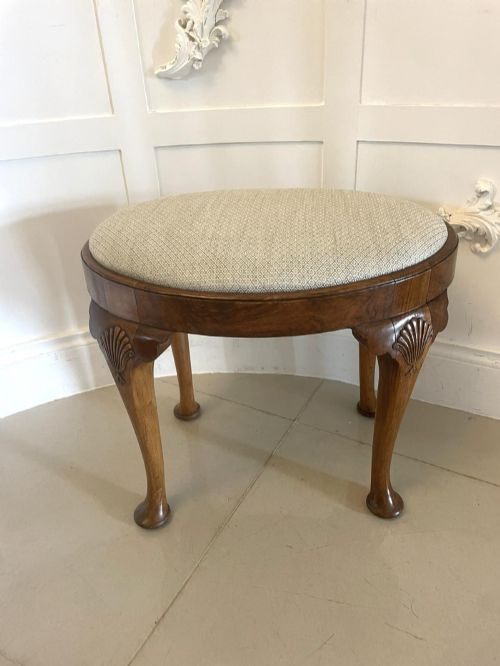
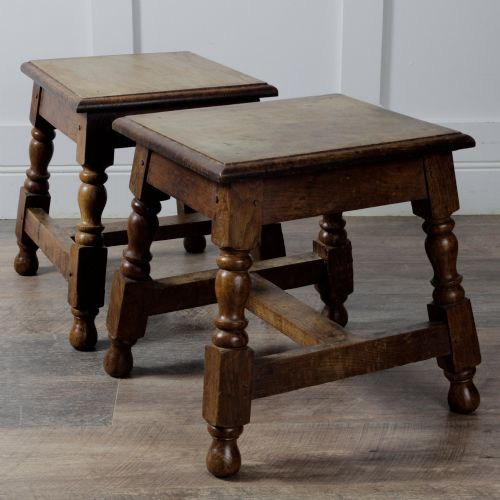
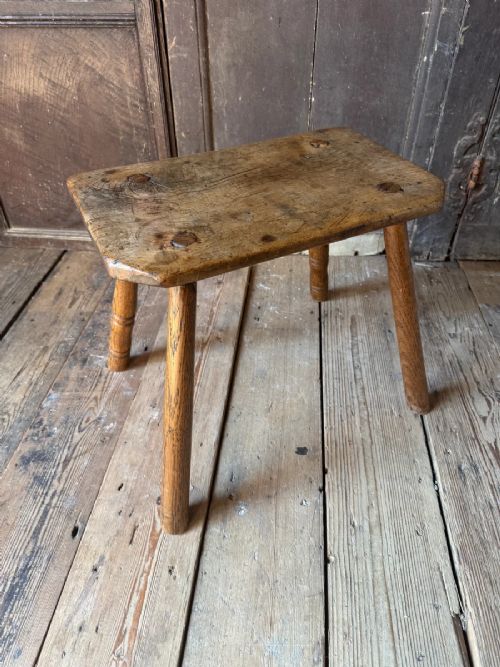
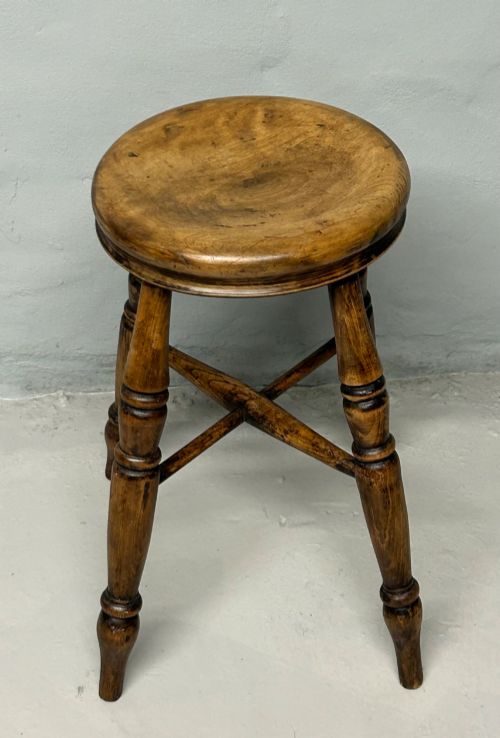
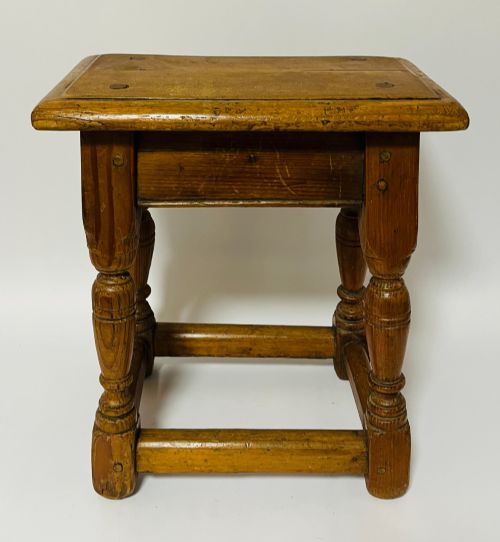
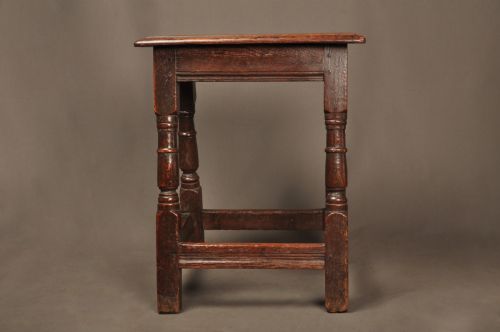
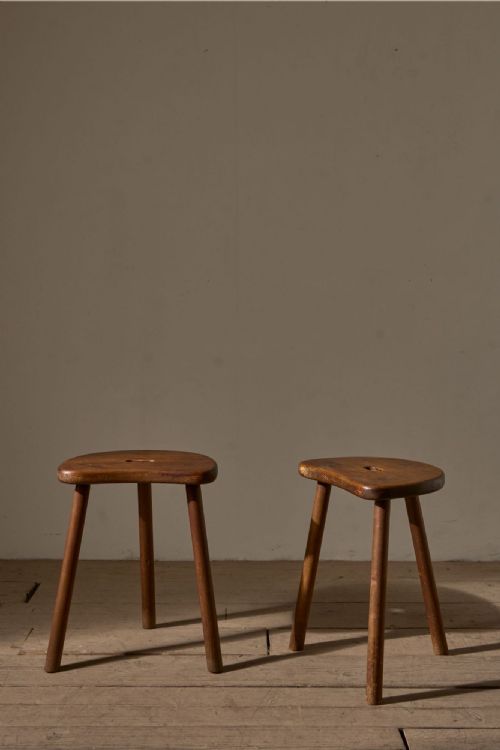
A traditional wooden footstool covers a diverse range of low seating and support pieces, from utilitarian country forms to formal period styles. When searching for a traditional wooden footstool, you encounter low stools, joint stools, and upholstered footstools originating primarily from the eighteenth and nineteenth centuries. The selection includes simple vernacular pieces alongside distinct revival designs such as Queen Anne and Jacobean styles.
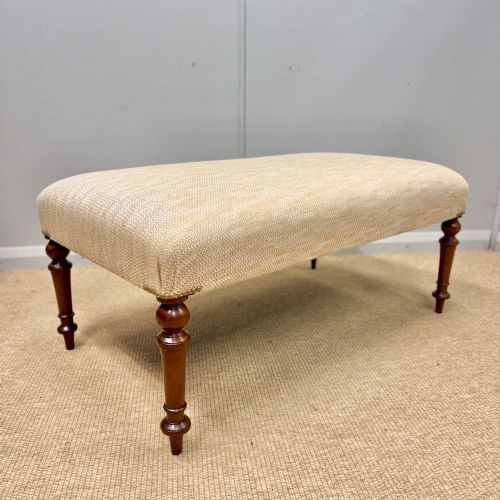
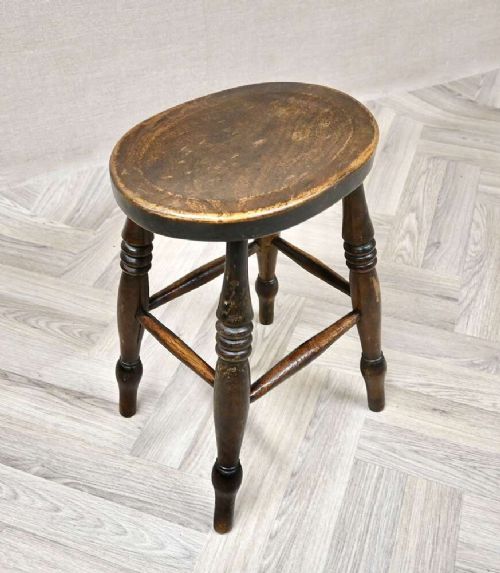
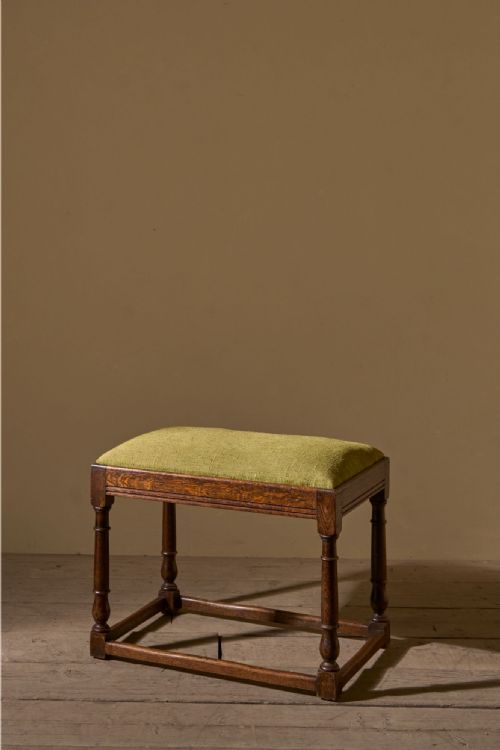
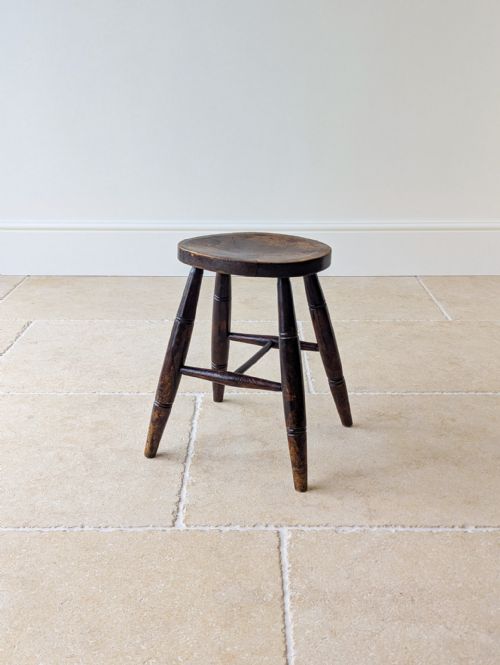
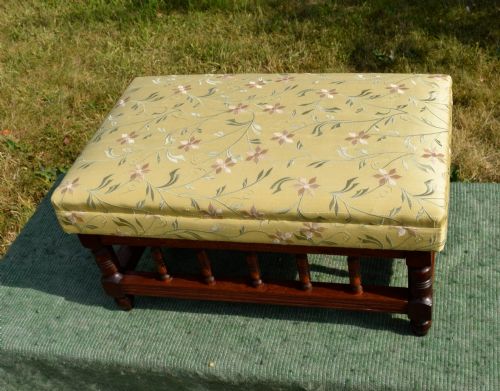
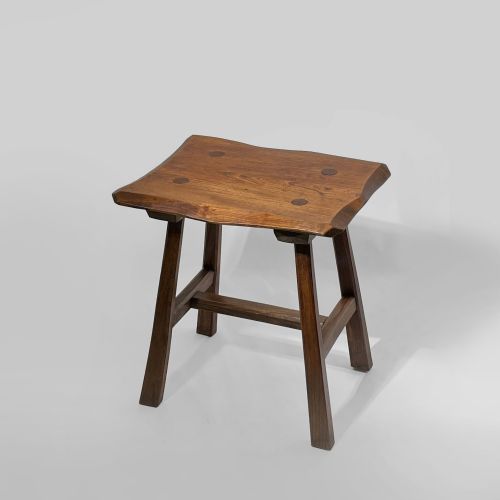
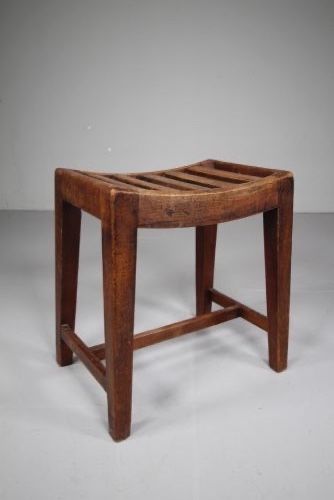
The objects take many shapes, including oval, square, oblong, and rectangular formats, sometimes constructed with turned legs or ball feet. Many examples incorporate woven elements such as rush and rattan, while others feature upholstered tops in fabrics like green linen, wool, and kilim. These pieces serve functional roles as footboards, low seats, or small stands within domestic spaces.
Construction and materials
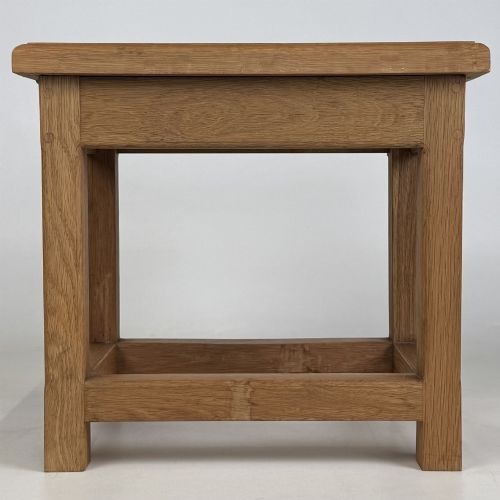
These items rely heavily on hardwoods and local timbers, with oak and mahogany appearing frequently alongside elm, beech, walnut, pine, and ash. Joinery methods often involve pegged construction, jointed frames, or traditional turning techniques for legs and stretchers. Maker methods range from robust pegged five-plank assemblies to refined shaped and slatted mahogany frames.
Upholstered versions combine solid wooden bases with textile coverings, utilising materials like herringbone fabric, heavy linen, and woven rattan or rush for seating surfaces. The application of textiles varies from newly upholstered panels to period needlework and kilim covers, reflecting the functional needs of each era.
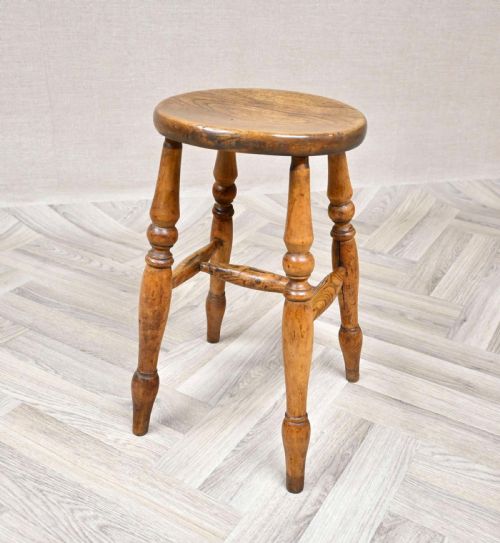
Some nineteenth-century makers evidently repurposed sturdy tavern seating into comfortable footrests by simply adding a heavy green linen cushion.
Distinctions in quality and execution
Quality in these pieces rests upon the integrity of the timber selection and the precision of the joinery, such as tightly fitted pegged joints in oak furniture. Finer examples display thoughtful proportion, careful turning on legs, and sophisticated stylistic details like shaped edges or carved elements.
The execution of secondary materials also dictates standard, where tightly woven rush or intact cane seating reflects superior craftsmanship compared to loose or poorly maintained woven surfaces. The harmony between the wooden frame and its upholstery defines the overall coherence of the piece.
Jack Grimble
The Traditional Wooden Footstool Glossary
- Joint stool
- A sturdy wooden stool constructed with mortise and tenon joints, pegged together for strength. These pieces date back centuries and often feature rectangular tops with straight turned legs.
- Windsor stool
- A traditional seating form characterised by turned wooden spindles inserted into a solid carved wooden seat. They embody robust vernacular woodworking traditions.
- Rush seat
- A seating surface woven from dried marsh rushes, creating a durable and textured platform. This method is common on country and Edwardian oak stools.
- Pegged construction
- A method of joining wooden elements using wooden pins or dowels rather than metal fasteners. It remains a hallmark of traditional cabinetmaking and joint stools.
- Vernacular furniture
- Everyday objects made by local craftsmen using regional timbers rather than following strict high-style metropolitan fashions. These items prioritise utility and local resourcefulness.
Traditional Wooden Footstool: Frequently Asked Questions
What is a joint stool?
A joint stool is a sturdy wooden seat built with pegged mortise and tenon joinery. These pieces were traditionally used as general domestic seating or for serving food.
Their heavy construction allowed them to double as small tables or steps when needed in a busy household.
How do I date a wooden footstool?
Dating relies on examining the timber species, tool marks, joinery methods, and overall stylistic influences. Eighteenth-century examples often feature mahogany or oak with formal shaping, while nineteenth-century pieces lean towards vernacular turnings or Victorian upholstery.
Secondary elements like rush or fabric can also provide clues, though upholstery is frequently renewed over time.
Were these stools used only for feet?
Historical low stools served multiple purposes beyond resting feet, acting as children's seats, tavern seating, or low work platforms. Their compact size made them easily transportable around the home for various daily tasks.
Some robust examples additionally functioned as small side tables or plant stands.
How do I care for antique wood?
Maintain antique wooden surfaces by keeping them away from direct heat sources and sudden humidity changes to prevent timber splitting. Regular dusting with a soft, dry cloth preserves the natural finish and patina.
Avoid modern silicone polishes, opting instead for traditional beeswax when the timber requires nourishment.