





Padded Walnut Dressing Stool
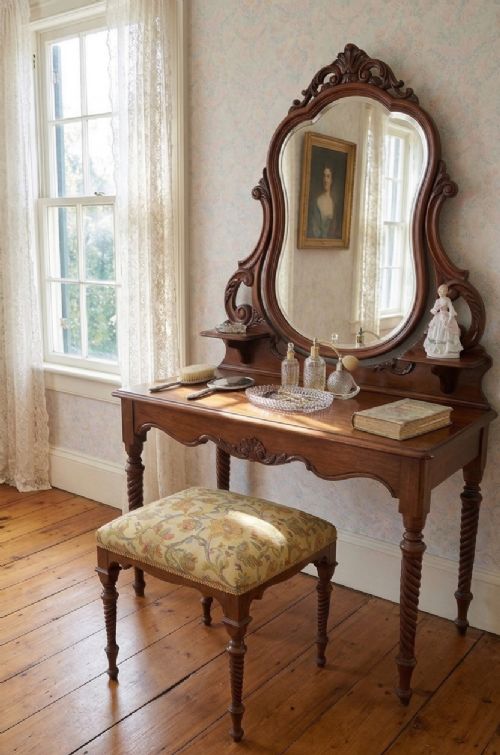
A padded walnut dressing stool brings tactile warmth to a bedroom, combining sturdy timber frames with soft textile tops.
Padded Walnut Dressing Stool
A padded walnut dressing stool is a low seating piece typically placed before a dressing table or vanity. These items range from compact bedroom seats to larger window benches and piano stools designed for domestic utility.
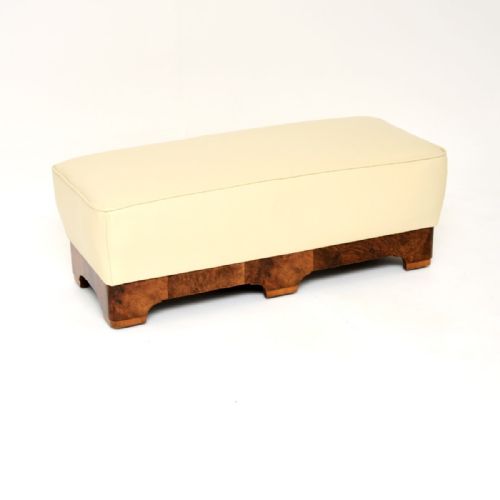
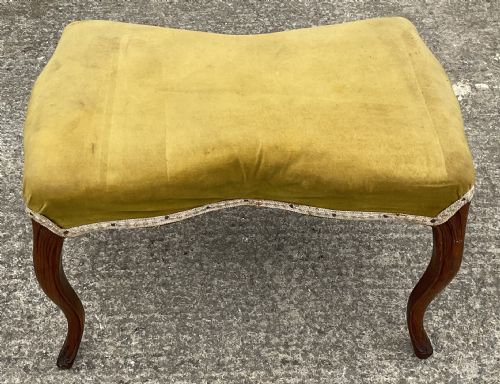
The selections span distinct historical eras, with Victorian interpretations and Queen Anne revival pieces appearing frequently alongside earlier George I and William & Mary examples. Makers also produced Art Deco variants featuring burr veneers and leather upholstery.
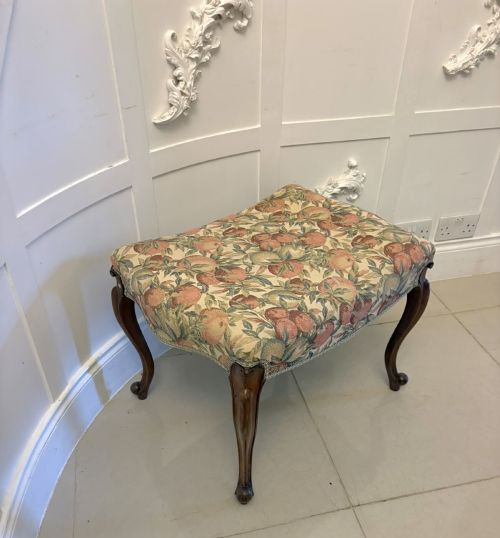
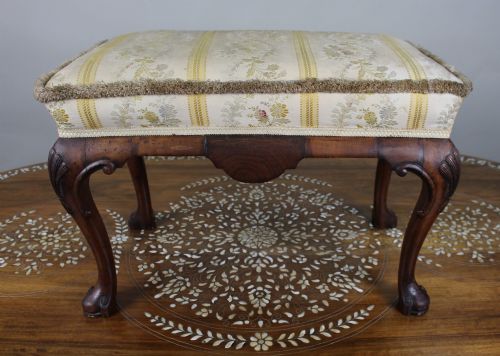
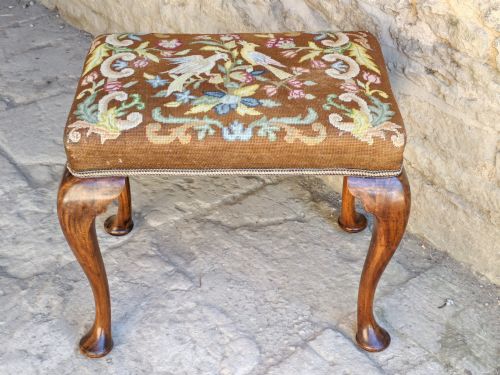
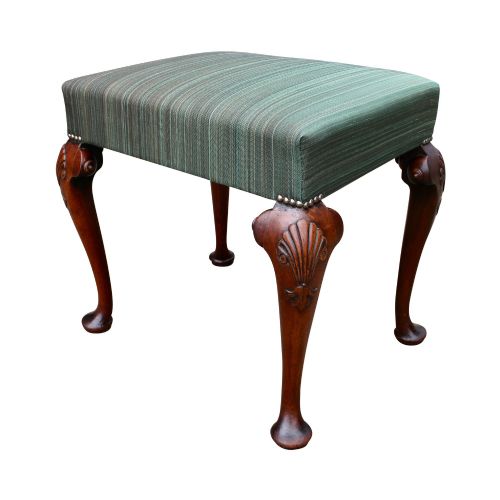
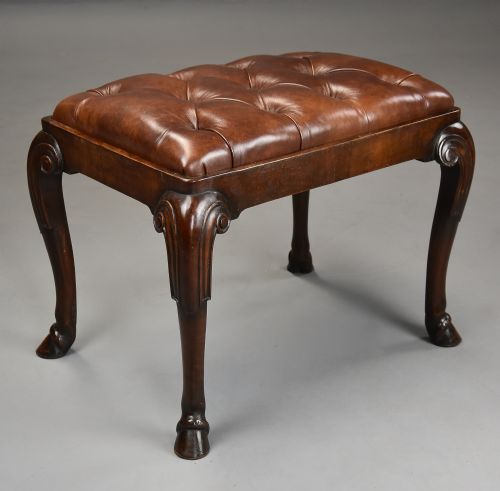
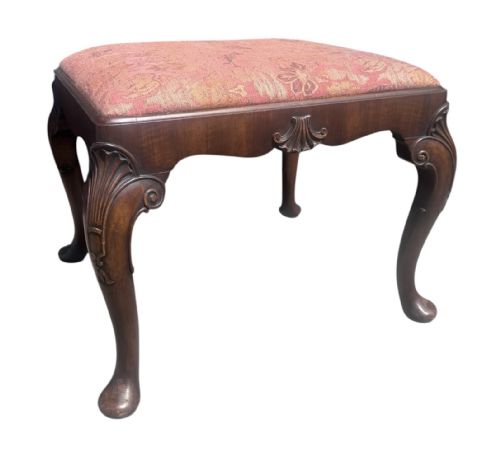
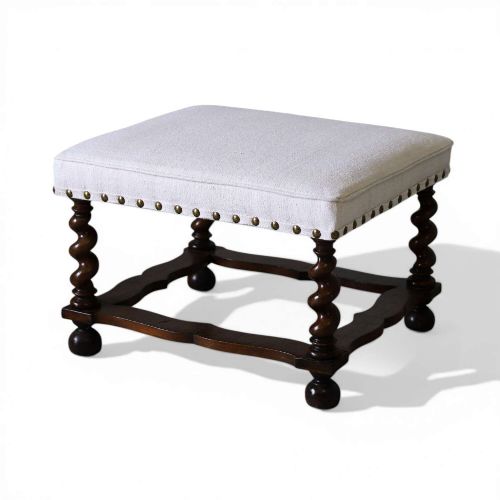
Formations vary between rectangular and oval top shapes, supported by either cabriole legs with claw and ball feet, twisted rope members, or barley-sugar supports. Many pieces integrate traditional upholstery methods such as buttoning or needlepoint needlework.
Materials and construction methods
The structural framework relies predominantly on solid walnut, occasionally enhanced with decorative oyster veneers upon stretchers or burr grain surfaces on later Art Deco editions. Carved details adorn the knees and rails of Victorian Rococo revival and Queen Anne style interpretations.
Upholstered top surfaces employ textiles such as velvet, tapestry, needlepoint wool, leather, and fabric, often secured over internal padding with brass tacks. Some examples feature newly applied covers while retaining their historic wooden chassis.
Padded Walnut Dressing Stool Retail Price Guide 2026
Typical asking prices for padded walnut dressing stool among the pieces listed under this phrase on Sellingantiques today, from the lower quarter to the upper quarter. They describe what is for sale here now, not the wider market.
Listings incorporate walnut, textile, leather, and brass across Victorian, Queen Anne, and Art Deco styles.
Assessing craftsmanship and proportion
Distinction across the range lies in the crispness of carved wooden ornamentation on the cabriole legs and the balance of the overall silhouette. Pieces exhibiting well-drawn proportions and robust joinery command greater appreciation than simpler, utilitarian equivalents.
The integrity of the timber grain, the sophistication of the upholstery textiles, and the survival of original decorative elements such as stretchers and brass hardware further differentiate standard examples from masterworks.
The Padded Walnut Dressing Stool Glossary
- Cabriole leg
- A furniture leg that curves outward at the knee and tapers inward toward the foot, mimicking an animal limb. This form appears frequently on Queen Anne and Victorian revival stools.
- Barley-sugar twist
- A spiral turning resembling a column of confectionery, used to shape wooden legs and stretchers. It adds vertical momentum to the frame.
- Needlepoint
- A type of canvas work embroidery executed with wool yarn, often utilised for traditional stool upholstery. These textile tops display floral or geometric patterns.
Padded Walnut Dressing Stool: Frequently Asked Questions
How do I identify a Queen Anne style stool?
Queen Anne style stools display characteristic cabriole legs that often terminate in pad feet or claw and ball extremities. The wooden frames avoid heavy carving in favour of clean, curved lines.
Revival versions from the nineteenth and early twentieth centuries emulate these eighteenth-century proportions using walnut timber.
Were these stools used exclusively for dressing tables?
While primarily designed for the bedroom vanity, these versatile seats also served as piano benches and window seats in period homes. Their compact dimensions allowed easy movement between rooms as needed.
Surviving examples often show dual utility in historical inventories as piano stools or small occasional seats.
How should I care for the walnut frame?
Maintain the polished walnut timber by dusting gently with a dry, soft cloth and avoiding direct sunlight. Excessive moisture can damage both the wood finish and the underlying joinery.
Occasional application of appropriate furniture wax helps preserve the sheen of the grain without buildup.