



Edwardian Queen Anne Stool
These edwardian queen anne stool examples are revival seats combining earlier design motifs with early twentieth-century craftsmanship for practical domestic seating.
Edwardian Queen Anne Stool
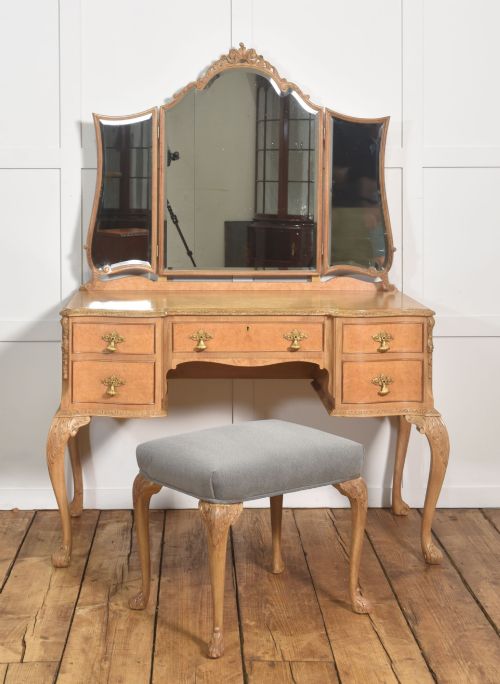
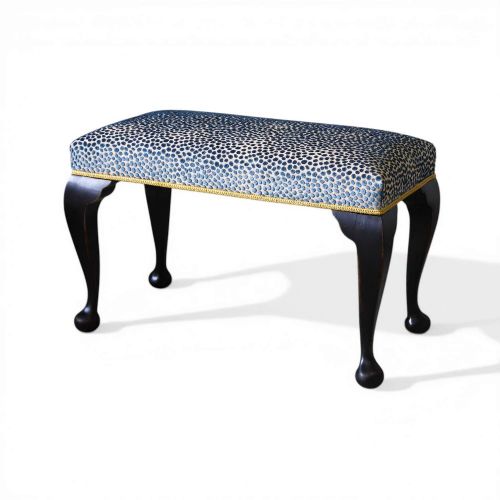
An edwardian queen anne stool is typically encountered as a walnut or mahogany seat produced during the Edwardian period or the early twentieth century. These furnishings often follow the Queen Anne revival style, featuring characteristic design elements adapted for contemporary domestic use.
The inventory includes various forms such as dressing stools, piano stools, duet stools, window seats, and small footstools. Walnut and mahogany frames frequently incorporate upholstered seats covered in fabric, textile, or upholstery fabric.
How they were made
Makers utilised timber such as walnut, burr walnut, and mahogany to construct the solid frames of these seats. Surface treatments sometimes included ebonising the wood.
Upholstery fabric or textile was applied over padding for the seats, while structural and decorative details occasionally incorporated brass components or glass elements.
Edwardian Queen Anne Stool Retail Price Guide 2026
Typical asking prices for edwardian queen anne stool among the pieces listed under this phrase on Sellingantiques today, from the lower quarter to the upper quarter. They describe what is for sale here now, not the wider market.
Listings for this phrase include items constructed from mahogany, walnut, and burr walnut, spanning the Victorian and Edwardian periods up to nineteen-twenty.
What varies in quality
The choice of primary timber creates a distinct difference across the range, with figured woods like burr walnut sitting apart from standard mahogany or ebonised frames. Selection of the timber dictates the visual weight and finish of each piece.
Execution of the revival style influences the character of the seating, distinguishing simple utilitarian forms from more decorative dressing and duet stools.
The Edwardian Queen Anne Stool Glossary
- Queen Anne Revival
- A design movement popular in the late nineteenth and early twentieth centuries that reinterprets eighteenth-century furniture forms. Pieces in this style emulate earlier proportions and structural characteristics.
- Duet Stool
- An extended seating form designed to accommodate two people simultaneously, frequently associated with piano playing. These benches offer a wider upholstered surface than standard single stools.
- Ebonised
- Wood finished with a dark coating to imitate ebony. This treatment creates a formal, uniform black surface on the timber frame.
- Burr Walnut
- Timber taken from a walnut tree growth that produces complex, swirling grain patterns. This material is typically utilised as a decorative veneer on prominent surfaces.
Edwardian Queen Anne Stool: Frequently Asked Questions
What is an edwardian queen anne stool?
These furnishings are domestic seats produced around the early twentieth century that revive earlier eighteenth-century design characteristics. They appear in forms such as dressing stools and piano seats.
Makers built them primarily in mahogany and walnut, frequently incorporating upholstered tops for domestic utility.
How were piano stools used?
Piano and duet stools provided seating for musicians practising at keyboard instruments in the home. Their proportions accommodated single players or multiple performers.
Many examples feature rectangular upholstered tops designed for comfort during extended periods of practice.
How do I identify the style?
Queen Anne revival pieces typically display characteristic timber frames and curved structural lines associated with earlier eighteenth-century cabinet making. Walnut and mahogany are the predominant woods encountered.
Upholstered textile seats complete the standard appearance of these domestic furnishings.
Where were these stools placed?
These seats served versatile functions in domestic interiors, appearing beside dressing tables, windows, and pianos. Their compact dimensions allowed easy movement around private rooms.
Small footstools and window seats provided flexible seating options throughout the Edwardian home.