
Antique Style Floor Light
An antique style floor light brings height and ambient illumination to a room, drawing on decades of period forms from standard lamps to torcheres.
Antique Style Floor Light
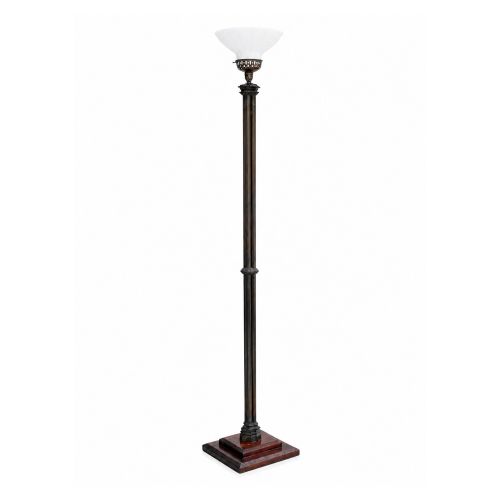
When searching for an antique style floor light, buyers encounter a diverse array of tall illumination pieces, standard lamps, and floor candelabras spanning the nineteenth century through the mid twentieth century. These objects include heavy brass telescopic columns, iron candle stands, and wooden shafts designed to hold shades or candles.
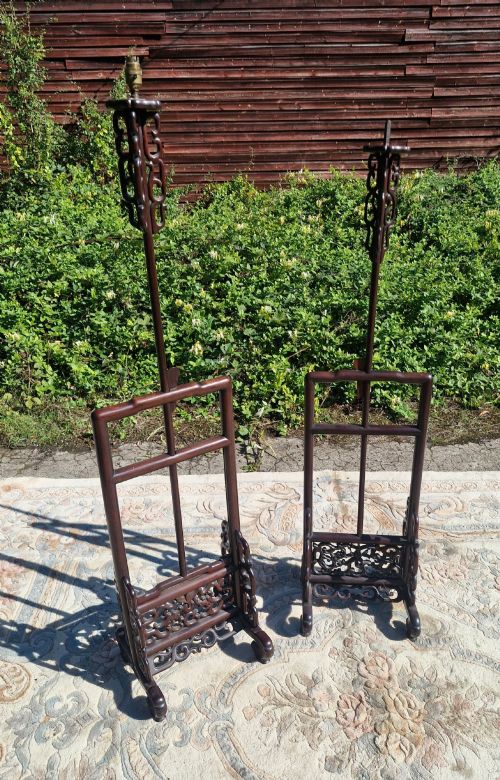
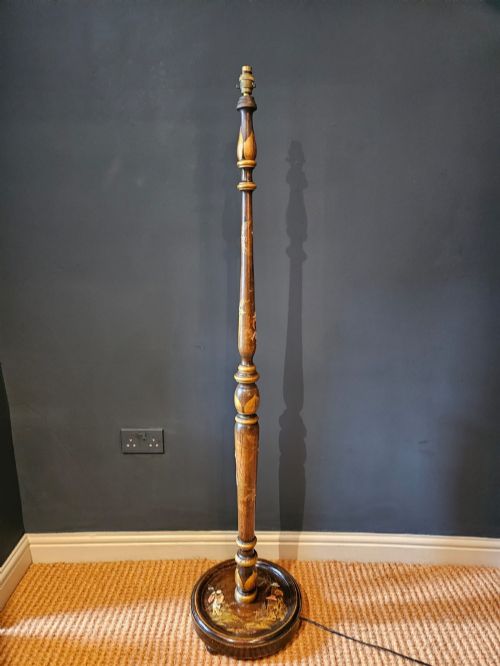
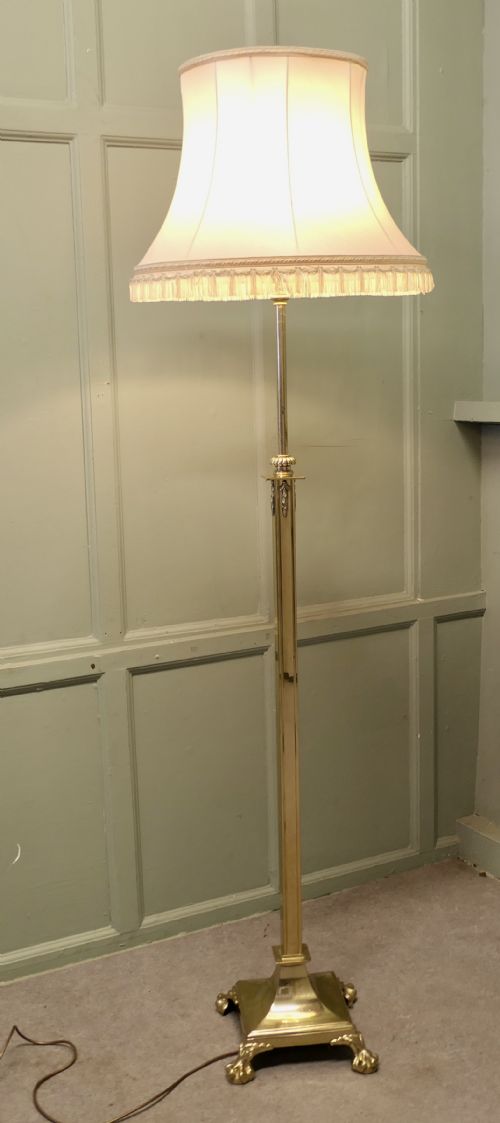
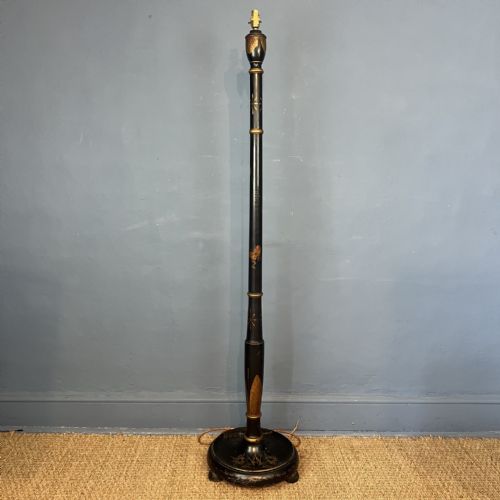
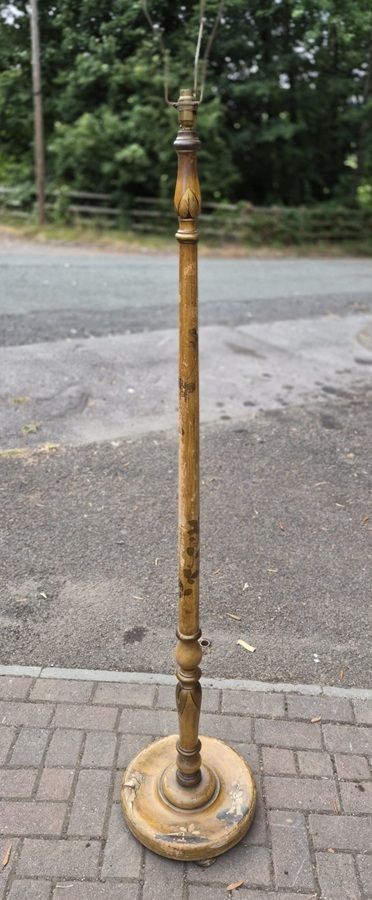
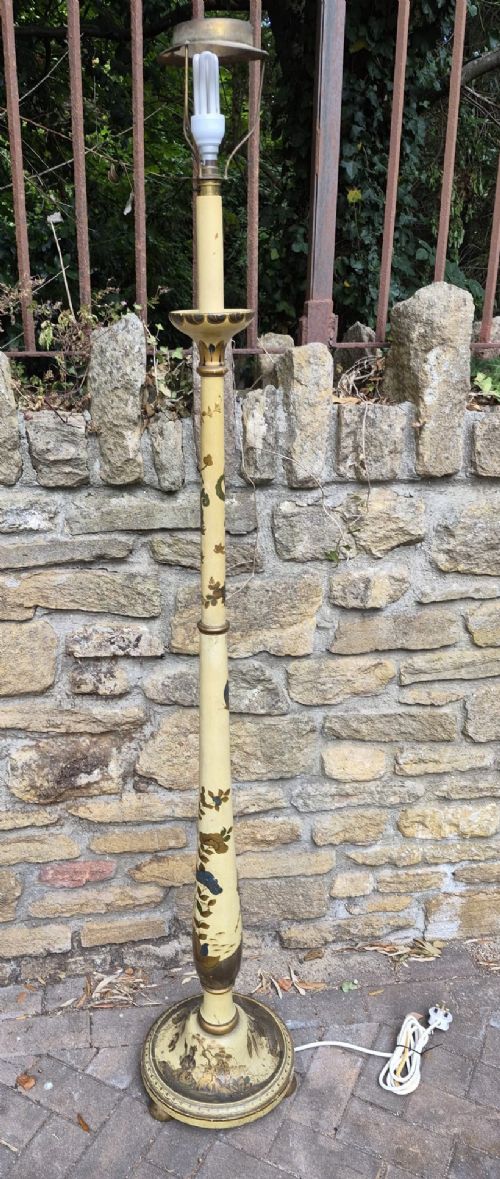
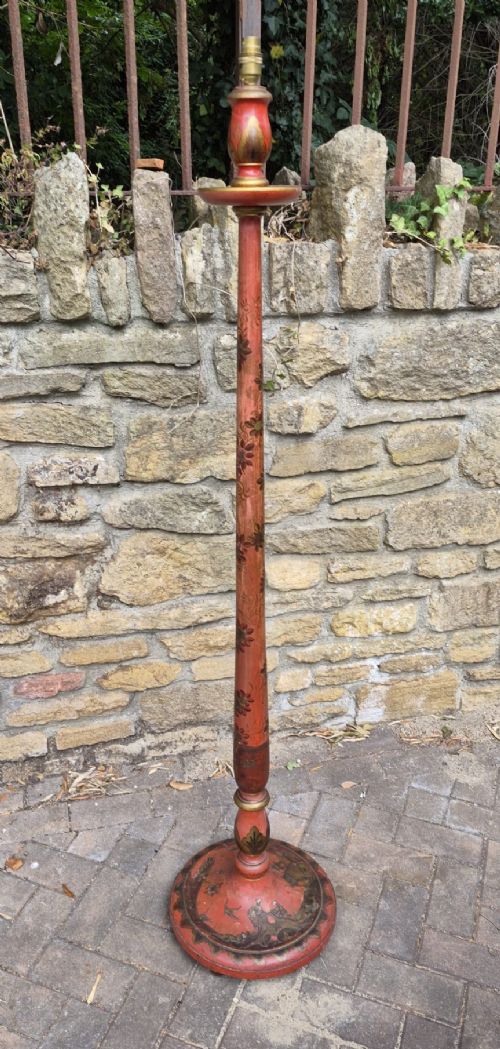
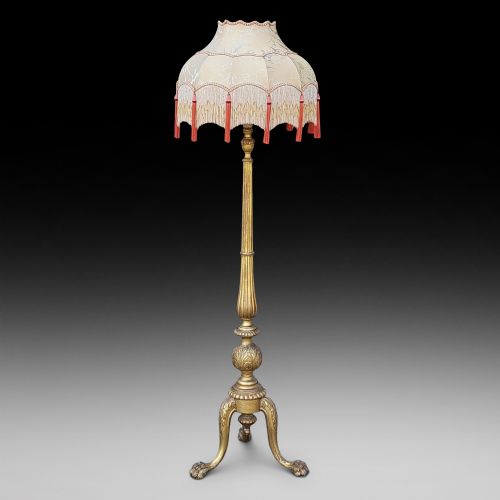
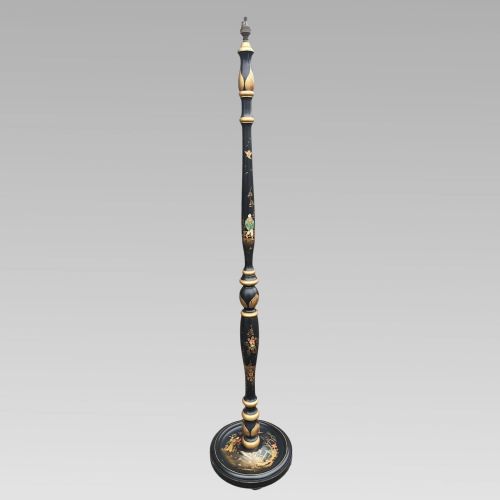
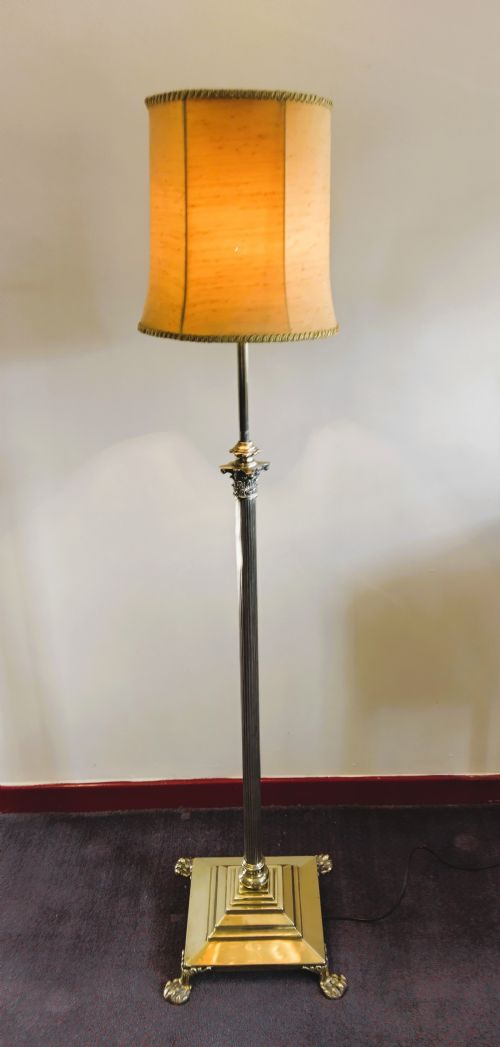
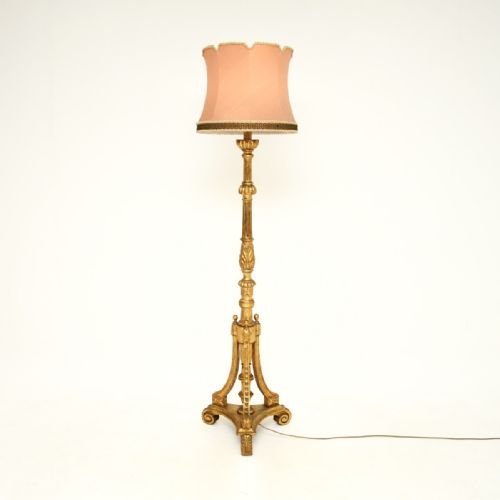
The most common examples on this page are Edwardian chinoiserie standard lamps, often finished in black or crimson lacquer, alongside neoclassical brass columns and occasional Gothic revival or Arts and Crafts variations. Forms range from simple tripod bases to elaborate carved pinewood torcheres and Italian giltwood fixtures.
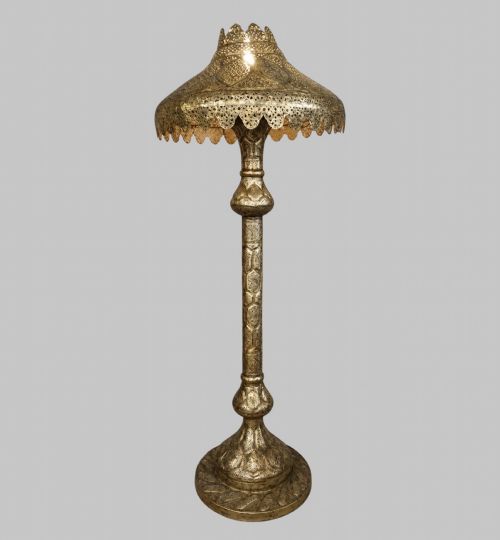
Originating from English, French, Italian, and Middle Eastern workshops, these pieces served both functional and decorative purposes in period interiors. Buyers select them to anchor a corner of a reception room or to introduce historic character alongside contemporary furnishings.
Materials and construction methods
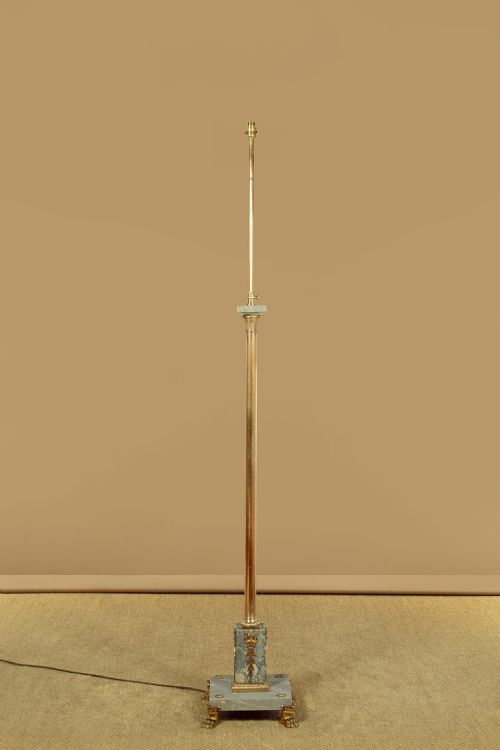
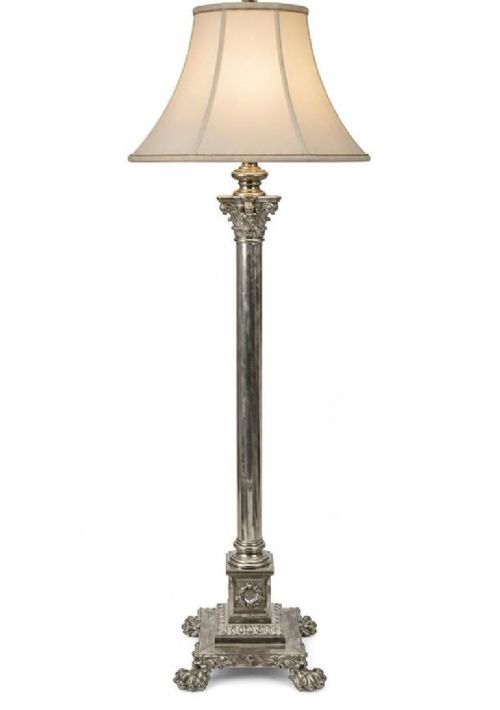
Construction relies heavily on metals such as brass, silver plate, cast iron, and wrought iron, frequently formed into adjustable telescopic shafts or Corinthian columns. Wood is equally prominent, featuring carved mahogany, walnut, giltwood, and pinewood.
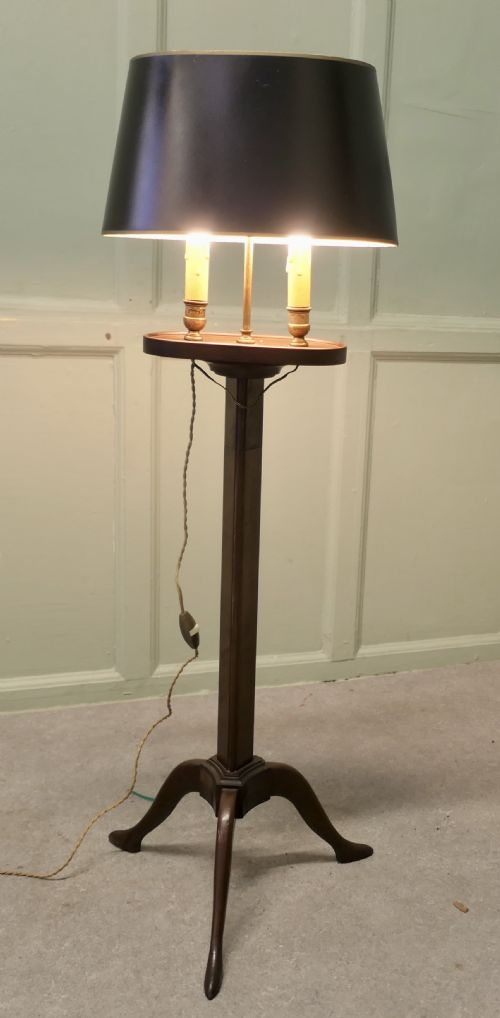
Decorative surfaces display traditional techniques including hand applied lacquer for chinoiserie pieces, parcel gilt highlights, polychrome paint, and elaborate gesso mouldings. Many standards incorporate tripod bases, weighted metal feet, or multi candle brackets to ensure stability.
Current listings feature pieces spanning the nineteenth century through the 1960s, constructed from brass, mahogany, lacquer, and giltwood.
Assessing quality and execution
Quality reveals itself in the crispness of the carving on wooden shafts, the weight and thickness of the brass or cast iron components, and the depth of the lacquer finish. Superior examples exhibit hand applied decorative details, such as intricate Chinoiserie motifs or refined neoclassical moulding, rather than superficial surface treatments.
Structural integrity also separates standard items from finer pieces, particularly in adjustable mechanisms, where robust engineering ensures the telescopic column holds its height securely. The integrity of the original timber, the precision of tripod joints, and the substance of the metal bases all determine the standing quality of the piece.
The Antique Style Floor Light Glossary
- Standard Lamp
- A floor standing lamp designed to support a fabric shade, often featuring a vertical wooden or metal shaft.
- Torchere
- A tall ornamental stand originally designed to hold a torch or candle, frequently executed in carved wood or giltwood.
- Chinoiserie
- European decorative art imitating Chinese artistic styles, typically characterised by lacquered finishes and painted oriental scenes.
- Bouillotte
- A type of lamp traditionally featuring an adjustable shade on a central metal column, originating from French card playing tables.
- Giltwood
- Timber that has been coated with a thin layer of gold leaf or gold paint, common in decorative neoclassical and baroque furnishings.
Antique Style Floor Light: Frequently Asked Questions
What is a standard lamp?
A standard lamp is simply the traditional British term for a floor lamp, consisting of a tall vertical pole on a stable base that supports an electrical light fitting and shade.
These pieces were designed to stand beside armchairs or in room corners to provide localized reading light or ambient illumination without requiring tabletop space.
How do I date an antique floor light?
Dating relies on examining the materials, decorative style, wiring methods, and manufacturing techniques characteristic of periods like the Edwardian era or the 1930s.
Stylistic cues such as neoclassical brass fluting, chinoiserie lacquer, or heavy ironwork help place the piece within its historical manufacturing decade.
Were these always electric?
Many older examples began life as gas lights, oil lamps, or candle stands before being converted to electricity during the twentieth century.
Floor candelabras and torcheres retain their original candle holding function, while standard lamps frequently show adaptations from earlier fuel or gas systems.
How do I style a floor lamp in a modern room?
An antique floor light provides a strong vertical accent that breaks up uniform modern layouts, particularly when paired with a simple contemporary fabric shade.
Placing a brass or lacquered wooden standard beside neutral seating adds texture, history, and warmth to an interior scheme.