



Antique Storage Ottoman
An antique storage ottoman combines concealed space with firm seating, offering a practical seat and a neat hiding place for household clutter.

Antique Storage Ottoman
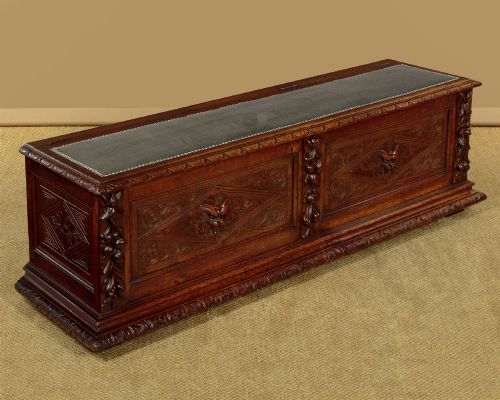
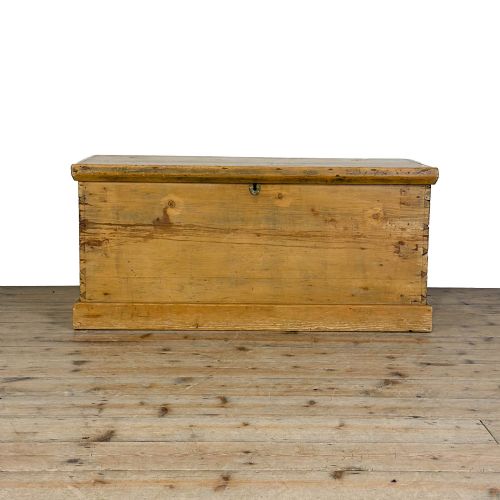
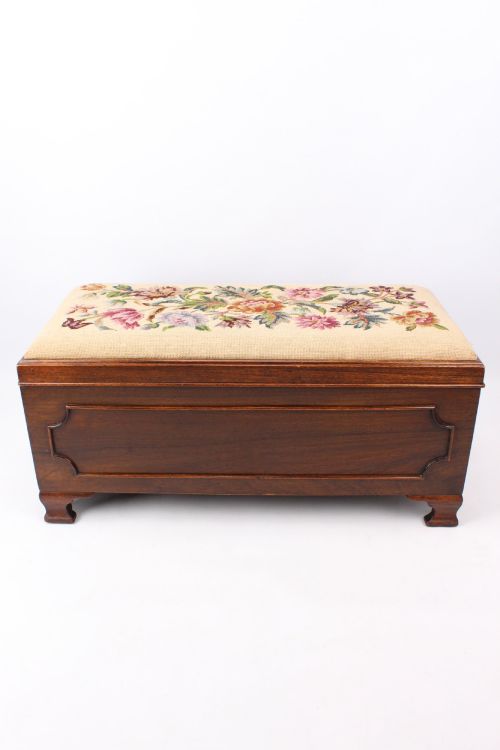
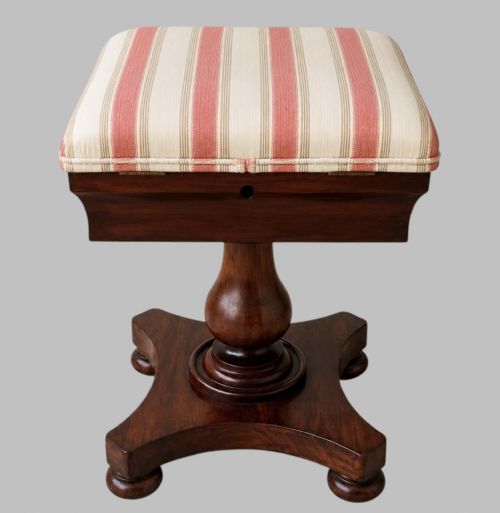
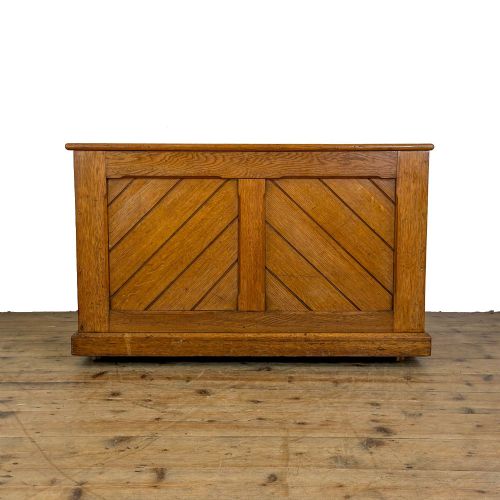
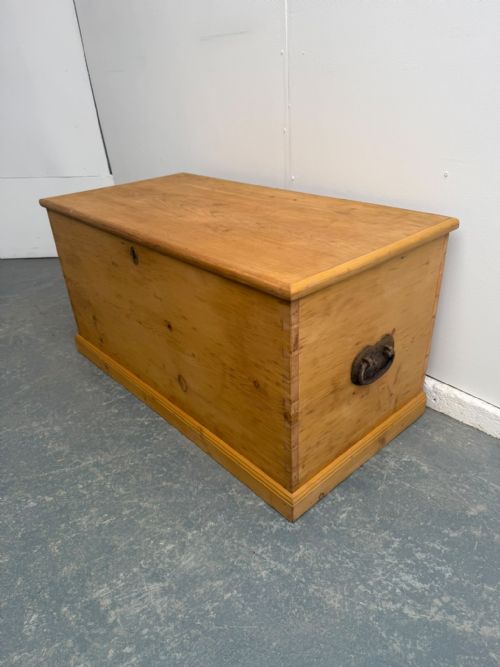
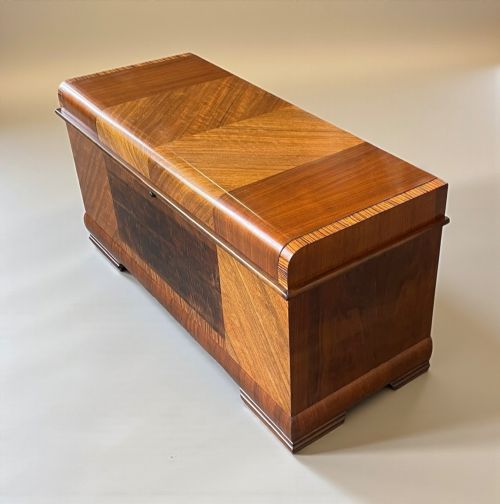
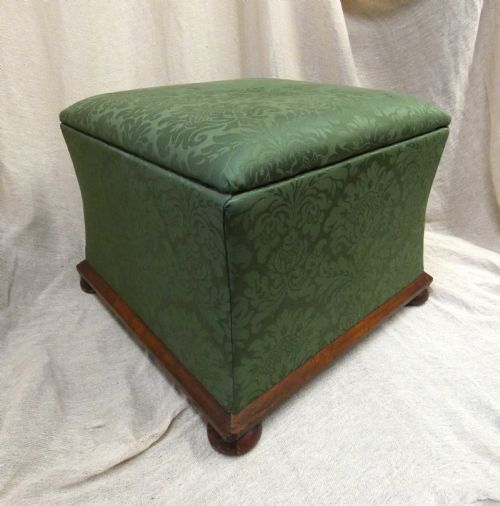
When you search for an antique storage ottoman, you are looking at practical combination pieces designed to hide domestic clutter while providing a seat or surface. The selection spans sturdy pine blanket boxes, upholstered mahogany piano stools, and leather-topped ottomans from various periods.
You are most likely to meet Victorian and nineteenth-century examples on this page, often fashioned from polished pine, mahogany, or rosewood. Many incorporate hinged seats or lids that reveal compartments previously used for blankets, needlework, or shoes.
The category also encompasses Regency box ottomans with decorative feet, alongside occasional trunks and mule chests adapted for domestic storage. These pieces bridge the gap between heavy wooden coffers and comfortable upholstered seating.
How they were made
Carpenters utilised solid timbers such as mahogany, pine, oak, and birch to construct the carcase and internal storage compartments of these boxes. Dovetail joints frequently secure the corners of wooden trunks, ensuring robust longevity under daily use.
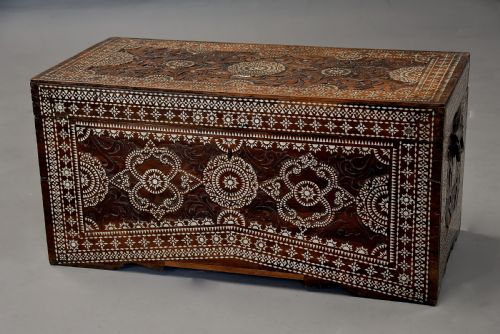
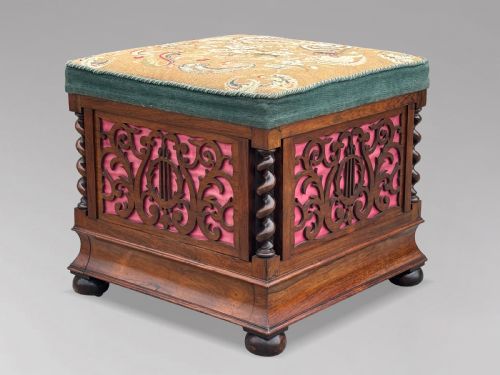
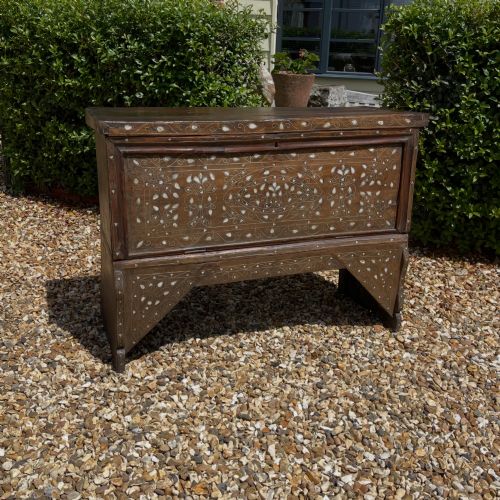
Upholstered variants rely on traditional stuffing and textile layers secured over webbing or springs beneath needlework, leather, velvet, or printed fabrics. Decorative touches include inlaid mother of pearl, brass fittings, and hand-dyed finishes applied to the timber frame.
Antique Storage Ottoman Retail Price Guide 2026
Typical asking prices for storage ottoman among the pieces listed under this phrase on Sellingantiques today, from the lower quarter to the upper quarter. They describe what is for sale here now, not the wider market.
The documented pieces span the Regency and Victorian eras through to Art Deco designs of the early twentieth century.
What varies in quality
The grade of timber and the precision of the joinery distinguish utilitarian utility boxes from refined parlour pieces. Finely figured mahogany, rosewood, and intricate inlay work indicate a higher order of cabinet-making than standard utilitarian pine.
Upholstery standards also differ, ranging from simple tacked fabric on plain pine to hand-stitched needlepoint, premium leather, and robust horsehair stuffing over supportive sprung bases. The stability of the hinging mechanism and the integrity of the frame dictate durability.
Hallett & Sons
The Antique Storage Ottoman Glossary
- Mule chest
- A traditional storage chest featuring one or more drawers beneath the main lifting lid. They bridge the design gap between simple blanket boxes and fully fitted chests of drawers.
- Needlework
- Hand-stitched textile work such as tapestry or needlepoint often used to cover the padded seats of Victorian footstools and ottomans. It introduces patterned colour to the top surface.
- Box ottoman
- An upholstered seating form with a hinged top that opens to reveal a deep storage cavity. They were frequently utilised in bedrooms and dressing rooms.
- Regency
- A design period spanning the early nineteenth century characterised by classical motifs, scroll arms, and dark woods like rosewood and mahogany. Pieces often display restrained elegance.
- Pine box
- A utilitarian storage container constructed from softwood, frequently waxed, painted, or stripped. These serve as straightforward antecedents to more decorative upholstered ottomans.
Antique Storage Ottoman: Frequently Asked Questions
What is an antique storage ottoman used for?
These pieces serve a dual purpose as both a functional seat and a concealed container for household textiles, blankets, or shoes. They provide discreet storage while fitting neatly into bedrooms, hallways, or living spaces.
Historically, they doubled as dressing stools, piano seats, or daybeds depending on their specific form and proportions. Their interior capacity makes them practical for modern rooms requiring tidy organisation.
How do I date an antique ottoman?
Dating relies on observing the prevailing wood types, construction methods, upholstery styles, and hardware associated with specific eras. Regency pieces often feature rosewood or mahogany with classical details, whereas Victorian examples frequently showcase polished pine, walnut, or heavy needlework.
Examining the underside, hinges, and interior linings offers further clues regarding manufacturing techniques. Comparing the stylistic markers against documented periods helps narrow down the decade of origin.
Are antique ottomans comfortable to sit on?
Many are built with padded tops containing traditional stuffing materials that provide a firm seat. Upholstered versions designed as piano stools or dressing seats offer supportive cushioning for regular sitting.
Those intended primarily as wooden blanket boxes or trunks feature flat lids meant strictly for resting items or occasional seating rather than prolonged lounging. Adding a loose cushion can enhance comfort on firmer wooden surfaces.
How do I care for leather and wood ottomans?
Wooden surfaces benefit from periodic waxing to nourish the grain and protect the finish from drying out. Leather requires conditioning treatments to maintain suppleness and prevent cracking over time.
Keeping upholstered panels clean with gentle brushing helps preserve delicate needlework or velvet fabrics. Positioning these pieces away from direct sunlight and excessive heat sources prevents warping and fading.