
Antique Stone Ornament
These antique stone ornament pieces bring classical form and weathered charm to gardens and interiors alike.
Antique Stone Ornament
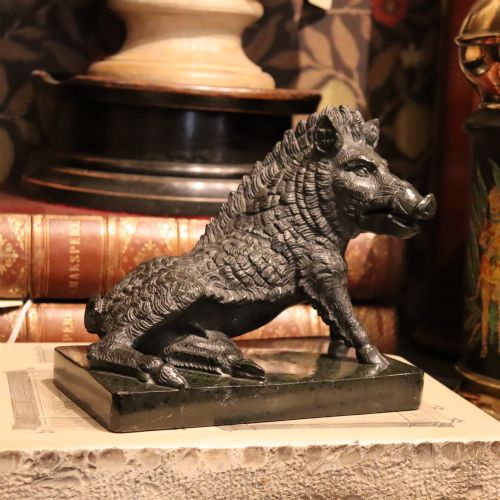
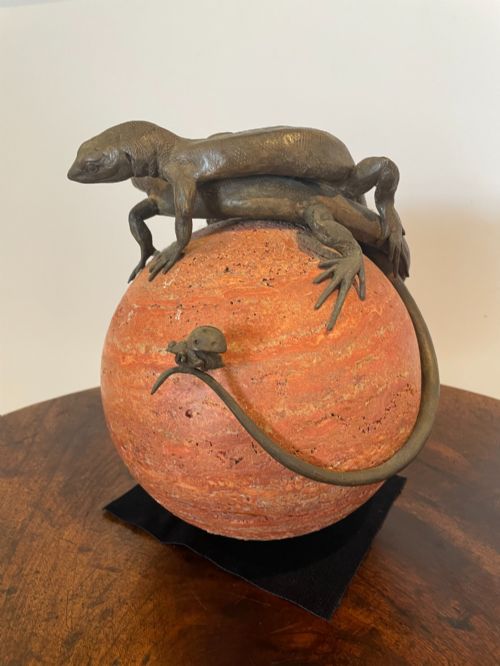
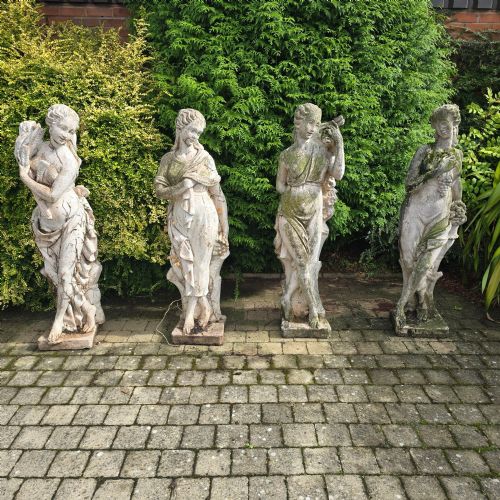
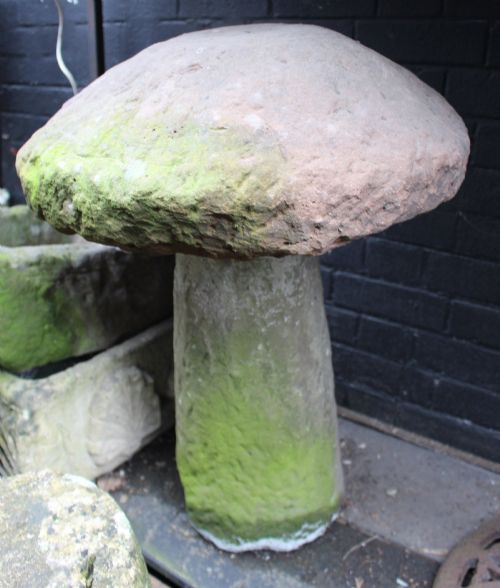
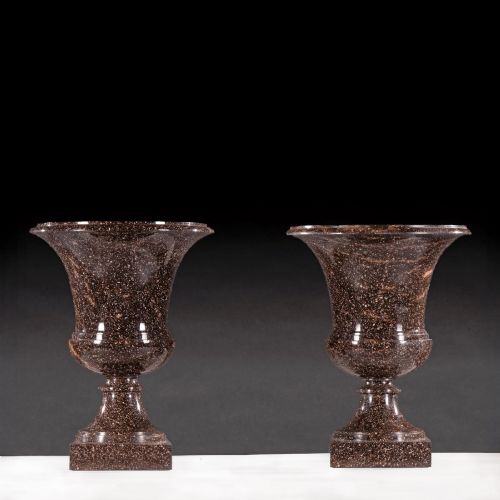
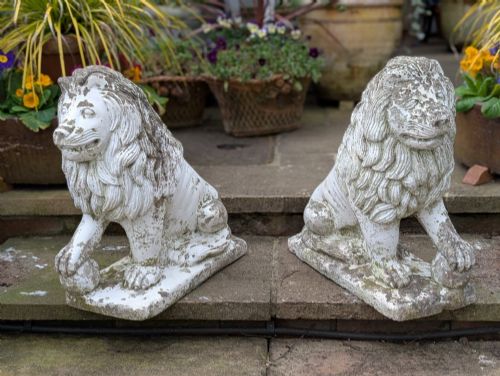
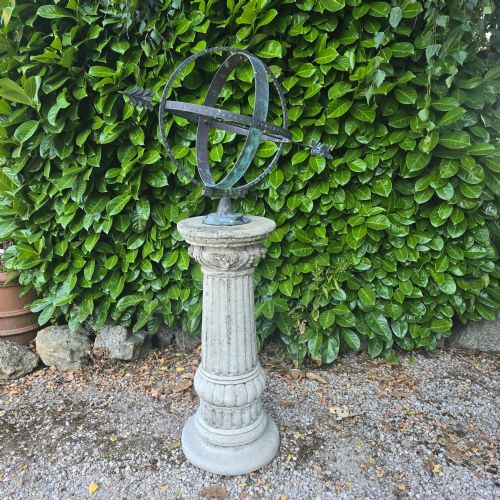
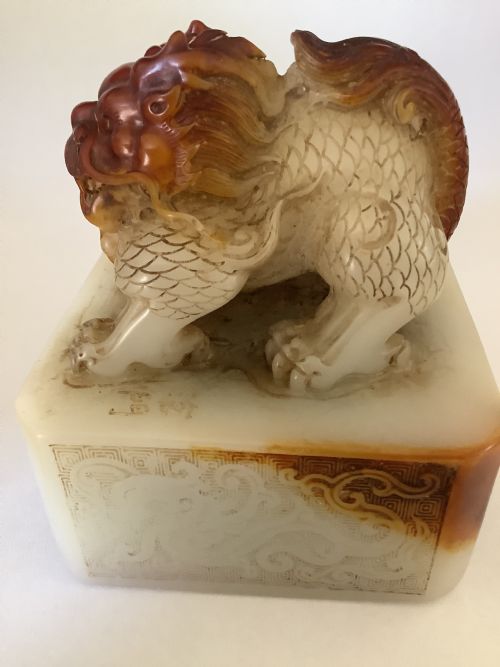
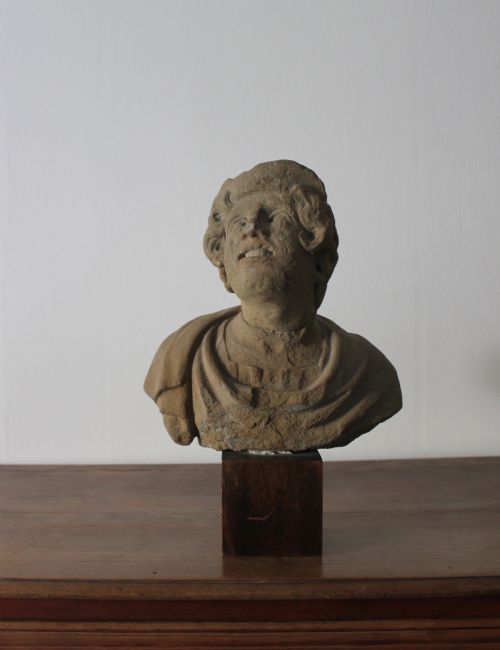
When you search for an antique stone ornament, you encounter pieces spanning from the eighteenth century through the mid twentieth century, encompassing garden statuary, architectural elements and decorative desk objects. The selection includes grand campana urns, sundials, garden lions, and carved marble obelisks originating from English, Italian, French and Chinese makers.
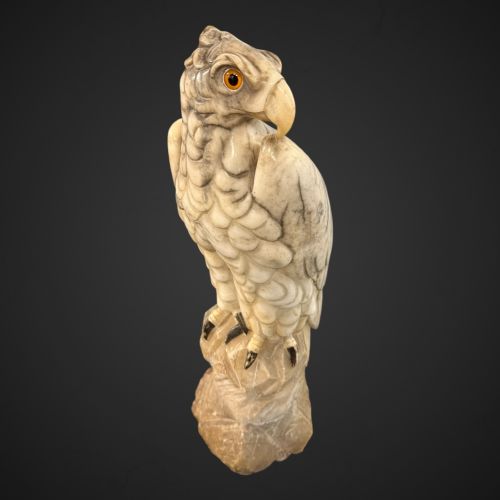
You will find garden ornaments designed for exterior placement alongside smaller carved marble sculptures meant for interior display. Many pieces show the natural weathering of decades spent outdoors, while others retain polished surfaces suited to domestic rooms.
How they were made
Makers shaped these pieces from natural materials including marble, sandstone, limestone, soapstone and jade using traditional hand-carving methods. Sculptors worked blocks of Portasanta, Rosso Antico, Blue John and serpentine marble to produce grand tour models and decorative architectural obelisks.
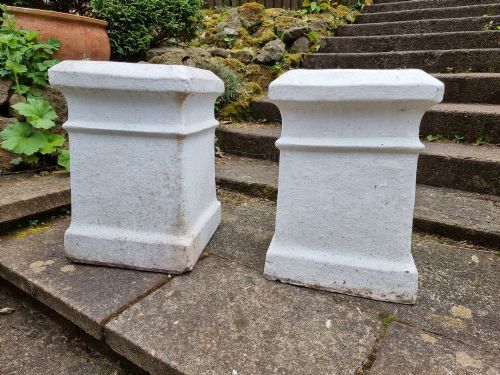
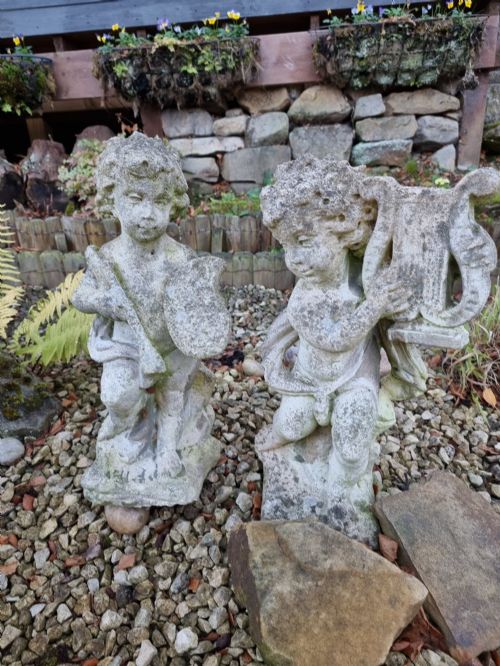
Other objects utilise cast stone, composite stone and reconstituted stone poured into moulds to replicate carved stone and terracotta garden ornaments. Surface treatments sometimes involve original old paint applied to cast stone figures and composite stone statues.
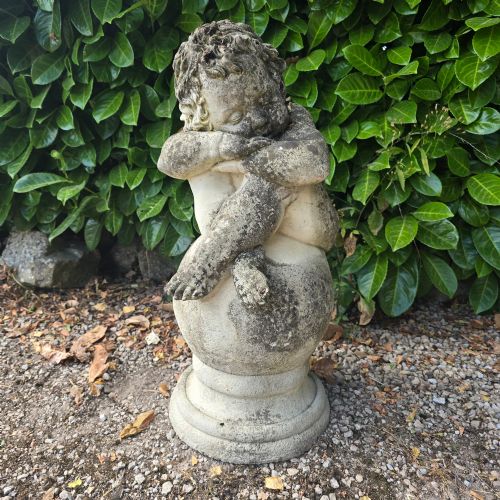
Among the stone and marble menagerie sits a solitary reconstituted stone pigeon, keeping watch over the garden alongside lions and cherubs.
What varies in quality
Quality rests in the crispness of the initial carving and the proportional balance of the form, whether viewing a life-sized garden lion or a small decorative tazza. Pieces produced after classical antiquities during the grand tour period depend upon the accuracy of proportion and the selection of fine specimen marbles.
The degree of natural weathering alters the visual weight of exterior garden ornaments, where gentle moss accumulation and surface softening distinguish age from recent manufacture. Interior decorative objects rely upon the depth of the stone figuring and the precision of the polishing.
The Antique Stone Ornament Glossary
- Campana urn
- A bell-shaped garden vessel with upturned rim and pedestal base, often cast in stone or carved from marble.
- Obelisk
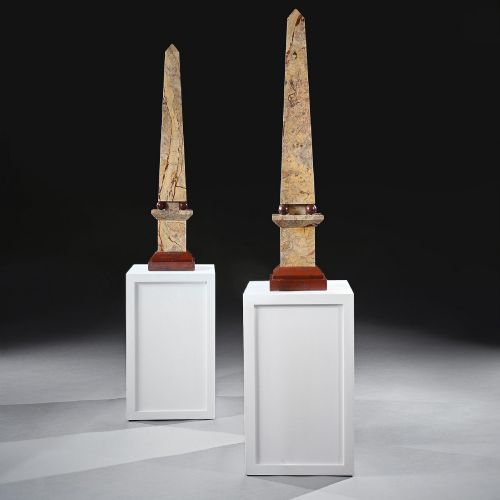
- A tall, four-sided, narrow tapering monument which ends in a pyramid-like shape at the top, frequently produced in pairs from decorative marbles.
- Reconstituted stone
- A manufactured material composed of crushed stone aggregate mixed with a binder, used to mould garden ornaments and statues.
Antique Stone Ornament: Frequently Asked Questions
How do I care for stone garden ornaments?
Exterior stone pieces tolerate natural weathering well, though heavy frost can damage saturated porous stone over winter months.
Gentle washing with water helps remove excessive moss buildup without eroding the surface texture of older cast stone or limestone.
What is a grand tour ornament?
Grand tour pieces are decorative objects and small marble sculptures purchased by travellers visiting classical sites in Italy during the nineteenth century.
These items replicate famous ancient statues, architectural fragments and obelisks using local specimen marbles.
How can I tell cast stone from carved stone?
Carved stone displays tool marks and individual variations inherent to direct hand chiseling from a single block of material.
Cast stone often reveals uniform surfaces and mould seams resulting from poured aggregate mixtures.
Where should I place a marble obelisk?
Marble obelisks suit indoor display on tables, mantelpieces or dedicated pedestals where lighting highlights the coloured mineral veining.
Their architectural silhouettes provide vertical balance within a room containing other decorative objects.