









Gothic Stone Carving
Gothic stone carving brings enduring medieval architecture and ecclesiastical presence into gardens and interiors.
Gothic Stone Carving
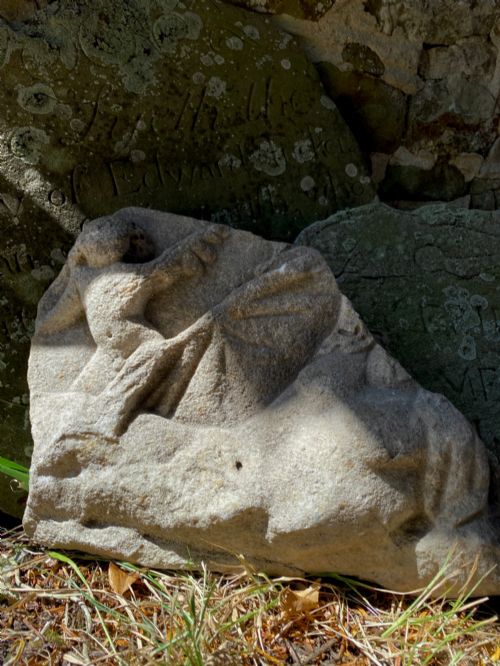
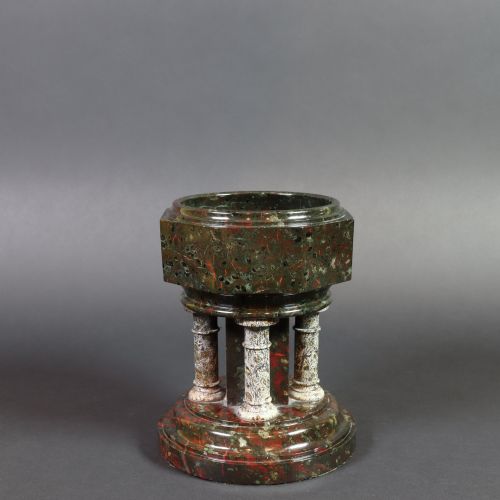
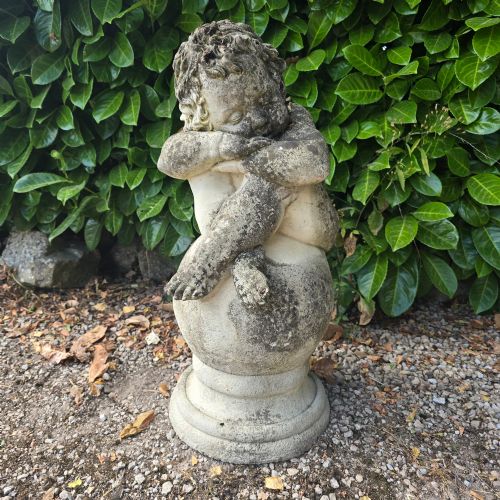
When you search for gothic stone carving, you encounter architectural salvage, garden statues, wall plaques, and sculptures spanning multiple centuries. The selection ranges from pre-sixteenth century church fragments to nineteenth century revival pieces.
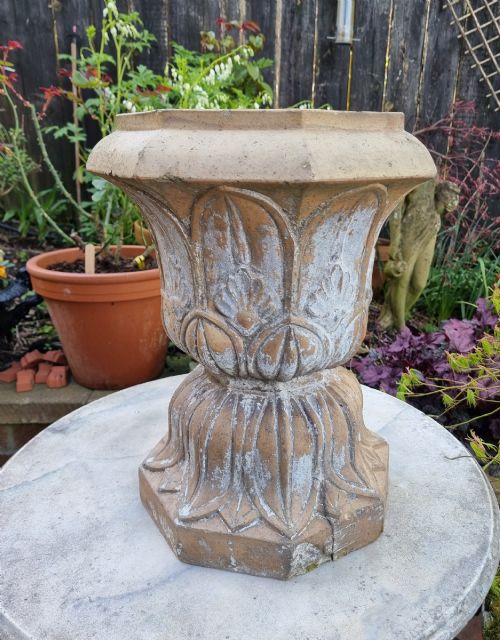
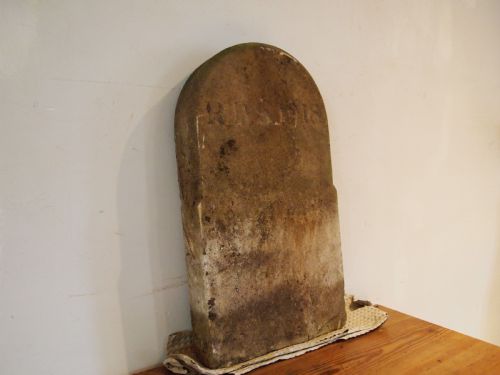
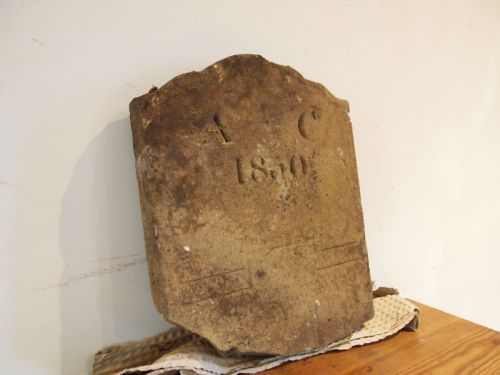
You are most likely to meet limestone and sandstone items originating from English and Scottish contexts, including corbels, pinnacles, and headstones. These objects carry distinct ecclesiastical and architectural forms.
The inventory encompasses both genuine medieval fragments and later nineteenth century gothic revival interpretations. Each piece reflects the enduring aesthetic of medieval stonemasonry.
Materials and construction
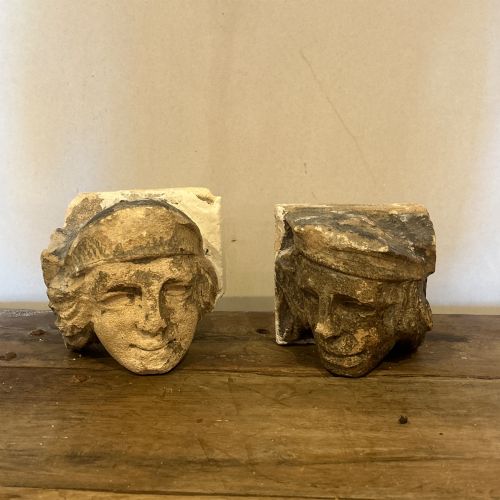
Masons shaped these pieces primarily from limestone, sandstone, and York stone using traditional hand-carving techniques. The natural properties of these stones allowed for crisp detailing on corbels, busts, and architectural fragments.
Weathering and patination develop naturally over decades and centuries on exterior stone. Terracotta and wood also appear among specific garden ornaments and architectural elements.
Gothic Stone Carving Retail Price Guide 2026
Typical asking prices for gothic stone carving among the pieces listed under this phrase on Sellingantiques today, from the lower quarter to the upper quarter. They describe what is for sale here now, not the wider market.
Materials represented include limestone, sandstone, York stone, terracotta, and wood.
Assessing quality and character
Quality rests in the crispness of the original chisel work and the depth of the relief. Pieces retaining sharp architectural profiles stand apart from those worn flat by weather.
Provenance and historical context elevate certain examples, particularly those with documented ecclesiastical origins. The natural weathering pattern also contributes significantly to the visual weight of the stone.
The Gothic Stone Carving Glossary
- Corbel
- A structural piece of stone jutting from a wall to carry a superincumbent weight. These architectural supports often feature carved figural or foliate designs.
- Pinnacle
- An architectural ornament forming a relatively small pointed cap on a roof or buttress. These vertical elements draw the eye upward in gothic design.
- Limestone
- A sedimentary rock composed largely of calcium carbonate, widely used by traditional masons. It accepts fine detail while weathering distinctively outdoors.
- Sandstone
- A clastic sedimentary rock composed mainly of sand-sized minerals or rock grains. This durable material handles exterior placement effectively.
Gothic Stone Carving: Frequently Asked Questions
How do I date a gothic stone carving?
Dating relies on tool marks, stone composition, stylistic traits, and documentary provenance. Pre-sixteenth century pieces display hand-chiselled surfaces distinct from later revival work.
Comparative analysis with known architectural fragments helps confirm the exact period of execution.
Can these stone carvings stay outside?
Most sandstone, limestone, and York stone items withstand outdoor weather conditions successfully. Natural weathering actually enhances the historic character of architectural salvage.
Extremely fragile medieval fragments sometimes require sheltered placement to prevent further frost damage.
What is architectural salvage?
Architectural salvage involves rescuing building components from structures undergoing demolition or restoration. This practice preserves medieval and revival stonework for future placement.
Pieces salvaged from churches and historic buildings carry direct historical associations.
How should I display a stone fragment?
Heavy stone items require stable, level surfaces or secure wall fixings capable of supporting substantial weight. Garden settings suit larger urns, plaques, and pinnacles.
Interior display allows intimate appreciation of the fine chisel work on busts and corbels.