
Antique Still Life Picture
An antique still life picture brings domestic intimacy and careful observation into a room through rendered fruit, game, and flora.
Antique Still Life Picture
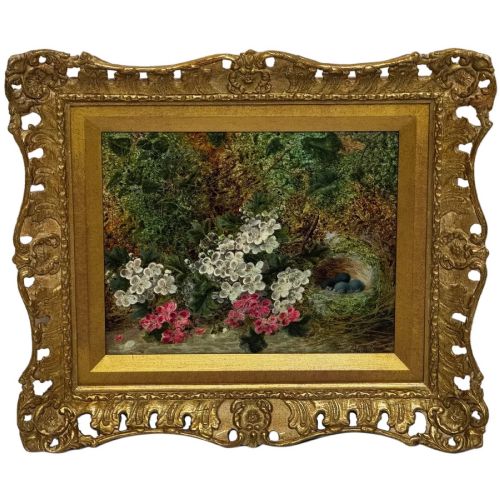
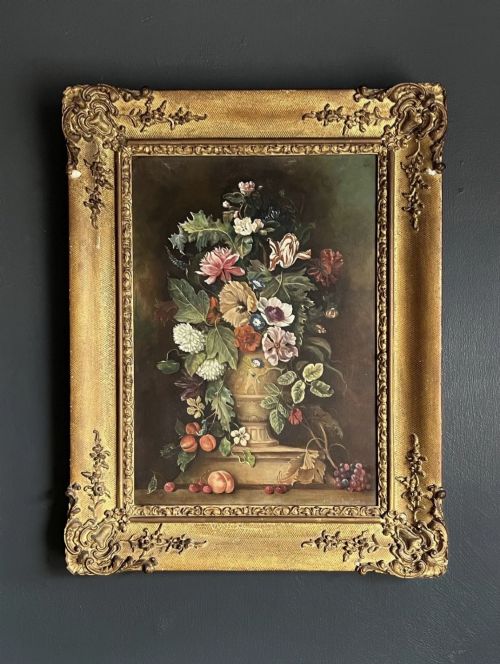
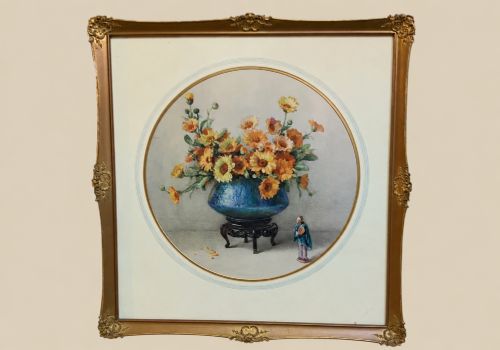
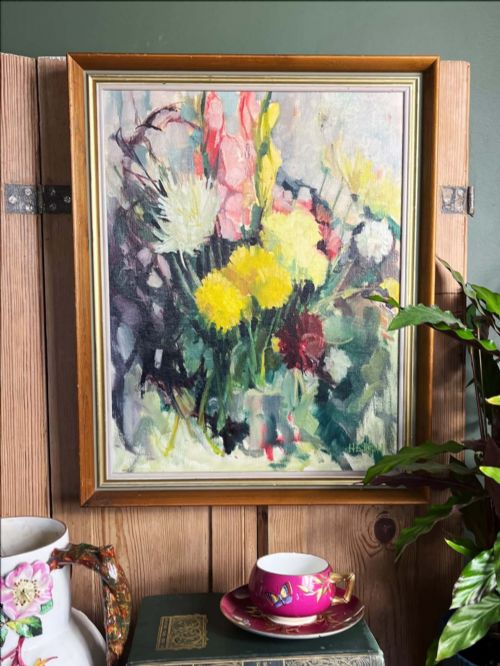
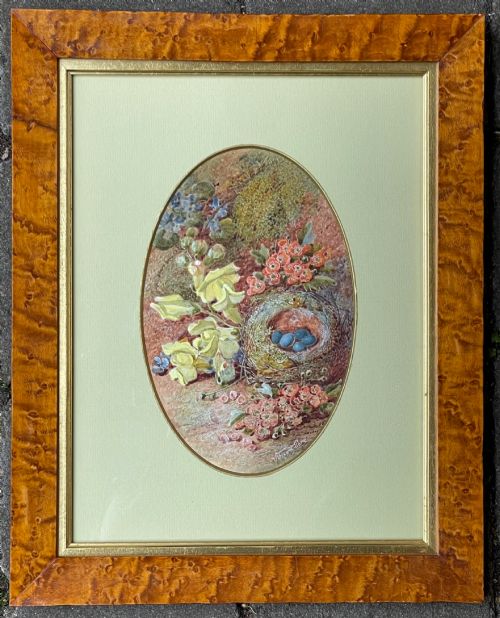
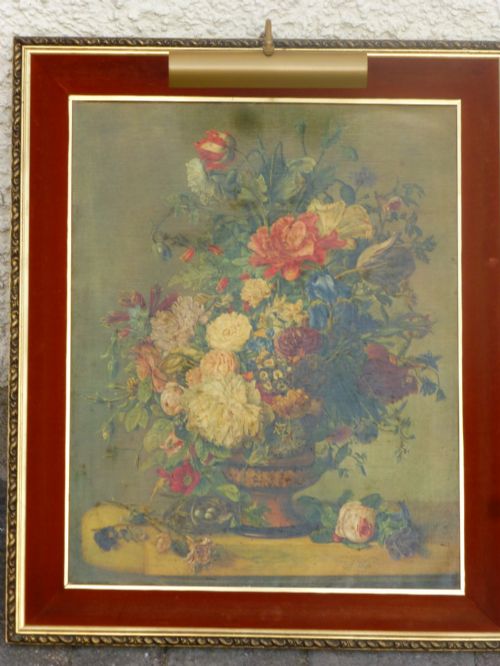
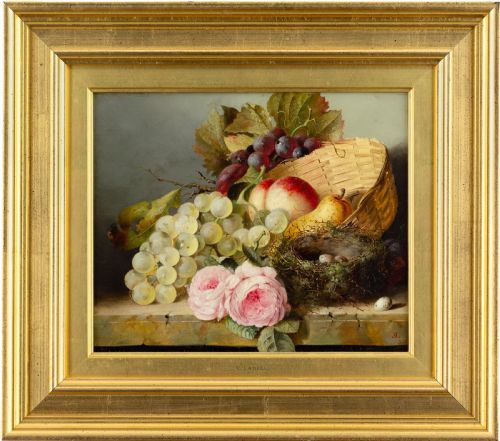
An antique still life picture captures inanimate subject matter such as fruit, flowers, game, and household objects rendered with precise detail. These works span multiple centuries, appearing in both oil and watercolour mediums.
The most common examples on this page date from the Victorian period through to the early twentieth century, reflecting a strong British tradition of botanical and domestic study. Domestic interiors frequently accommodated these framed compositions.
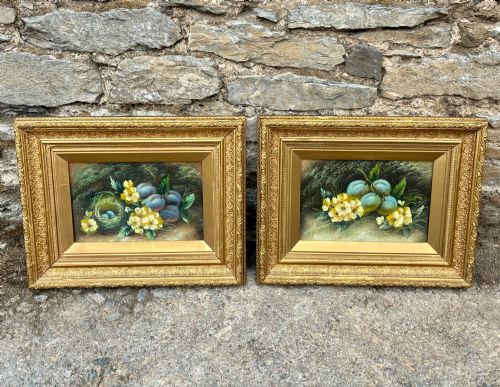
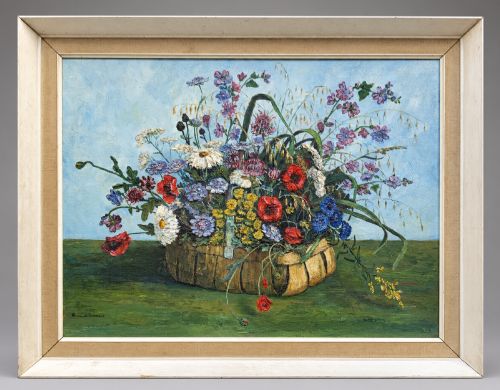
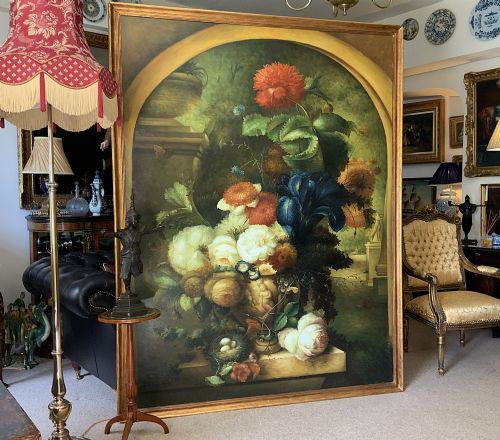
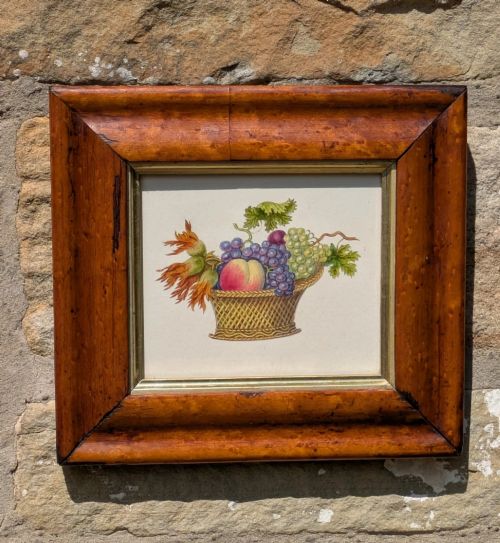
Subjects range from simple floral arrangements in jugs to elaborate baskets of fruit, bird nests, and game, often framed in gilt gesso or carved wood.
How They Were Made
Artists painted primarily with oil paint on canvas, panel, or board, while others utilised watercolour, bodycolour, gouache, and pastel on paper. The choice of medium dictated the delicacy of the brushwork and the depth of colour achieved.
Many works incorporate gold leaf within ornate moulded gesso frames that reflect the prevailing taste of the Georgian, Victorian, or Edwardian periods. Support materials range from stretched canvas to robust wooden panels and thick paper sheets.
The selection includes works executed across the eighteenth, nineteenth, and twentieth centuries, employing both oil and watercolour on various supports.
What Varies in Quality
The sophistication of composition and the naturalism of light and shadow differentiate the most accomplished works from standard decorative studies. Skilful handling of texture in petals, fruit skins, and feathers reveals the hand of a trained painter.
The preservation of the original pigment and the integrity of the period frame contribute significantly to the standing of an antique still life picture. Finer examples retain their original surface varnish and escape heavy restoration.
George Sydney Shepherd·Oliver Clare·Edward Ladell·Edwin Steele·William Duffield·Vincent Clare·William Hough·Eloise Harriet Stannard·Henry Schouten·William Rayworth
The Antique Still Life Picture Glossary
- Bodycolour
- Watercolour mixed with white pigment to make it opaque, producing solid areas of colour and sharp highlights.
- Gesso
- A plaster-like mixture applied to wooden picture frames before gilding or painting, often heavily moulded with decorative motifs.
- Gouache
- A water-based paint consisting of pigment and other inert material, similar to watercolour but designed to be opaque.
- Oil on board
- A painting technique where oil paint is applied directly to a rigid wooden or composition board rather than woven canvas.
Antique Still Life Picture: Frequently Asked Questions
What subjects are most common?
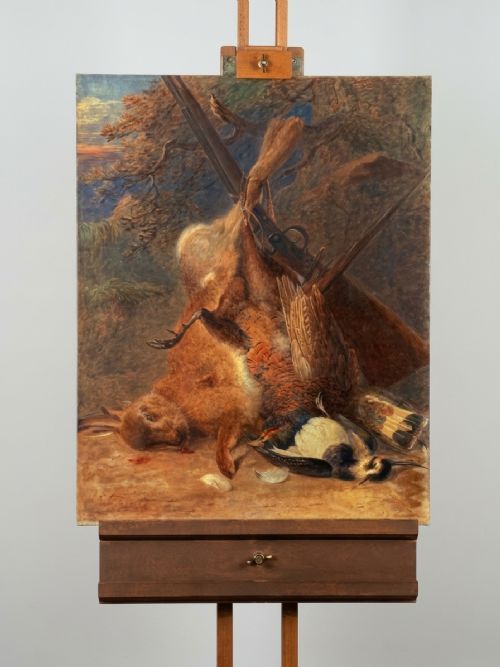
Floral arrangements, fruit in baskets, and dead game dominate the subjects encountered in these historic works. Artists frequently arranged these items on table tops to study light and texture.
Such themes reflected contemporary domestic interests in botany, natural history, and the bountiful display of provisions within the home.
How do I identify the period?
Stylistic clues within the brushwork, the choice of pigments, and the framing style help narrow down the date of execution. Victorian works often show vibrant floral groupings, while Georgian and Regency pieces favour neoclassical symmetry.
Examining the reverse of the panel or canvas often reveals historic labels, framer marks, or handwritten inscriptions that confirm the era.
Were these always framed?
Most oil paintings and watercolours received a protective frame shortly after completion, often featuring gilt gesso ornamentation. These surrounds were chosen to complement the interior decor tastes of the Georgian, Victorian, or Edwardian eras.
Original frames provide important contextual clues about the picture's history, though many pieces have been reframed over the centuries.
How should I hang them?
These pictures require placement away from direct sunlight and excessive moisture to protect delicate watercolours and oil pigments from fading or cracking. Stable indoor wall environments help preserve both the paper or canvas support and the antique frame.
Grouping smaller watercolours or oil studies together creates a traditional gallery wall effect suited to studies, hallways, and living spaces.