
Green Floral Painting
Green floral painting brings together botanical subjects and verdant tones across oil, porcelain, and glass from the eighteenth century to the mid twentieth century.
Green Floral Painting
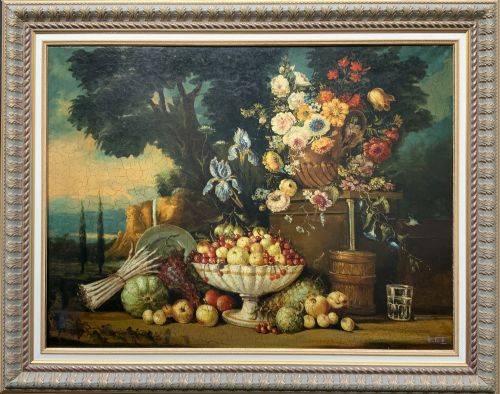
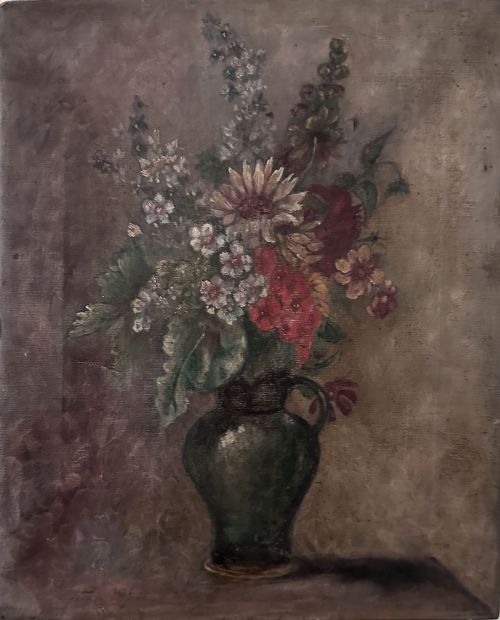
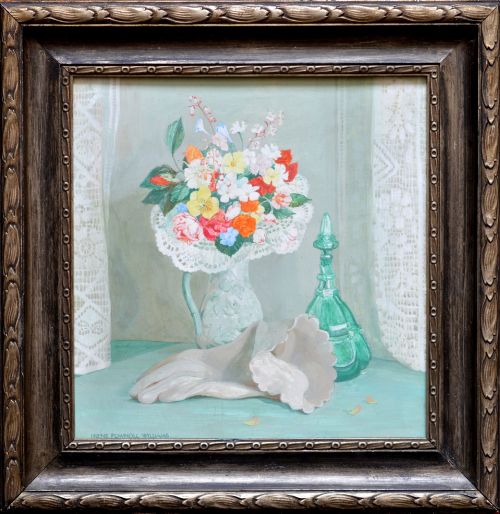
A green floral painting encompasses oil paintings on canvas and board, framed panels, and botanical studies that pair plant motifs with green pigments. These works range from Dutch style still life compositions to Impressionist flower arrangements and post impressionist studies.
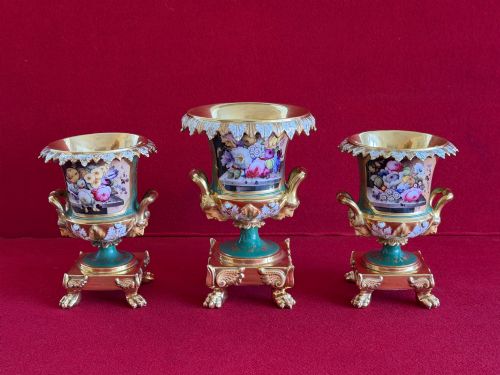
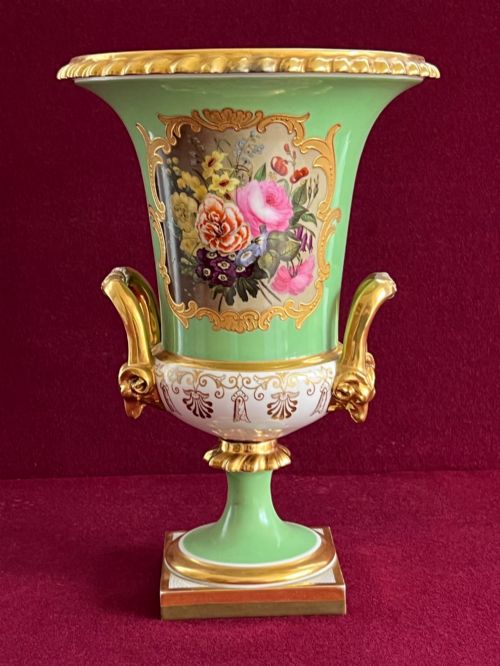
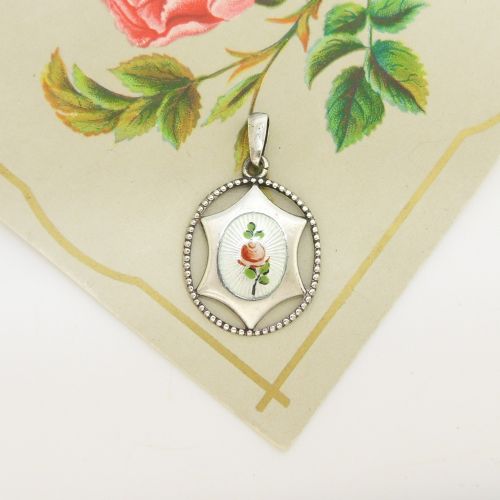
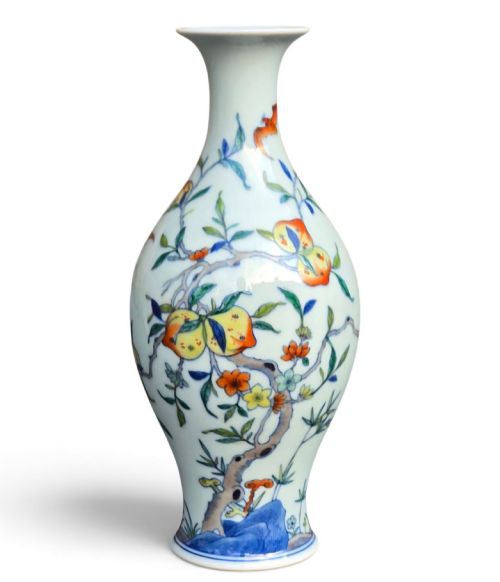
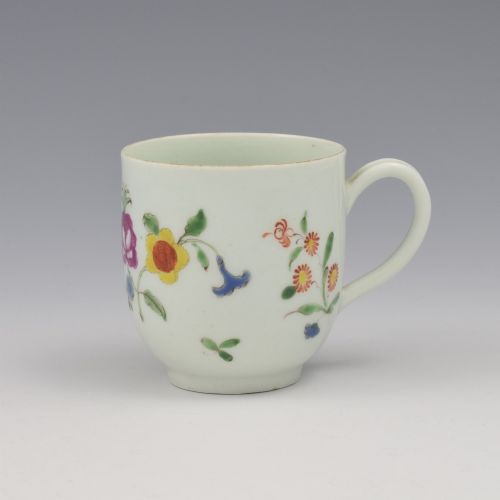
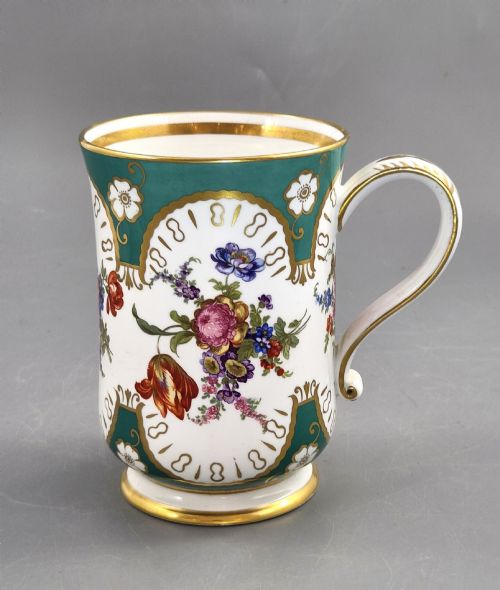
The selection here extends beyond flat canvas into decorative arts where floral painting meets green grounds on porcelain cabinet mugs, dishes, vases, and enameled glassware. Pieces originate from diverse schools including English, Austrian, and Dutch makers across the Victorian, Edwardian, and mid twentieth century periods.
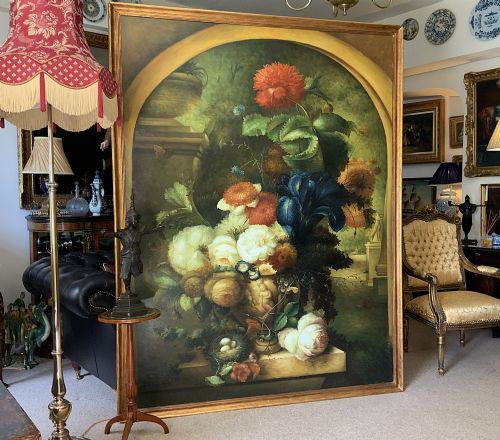
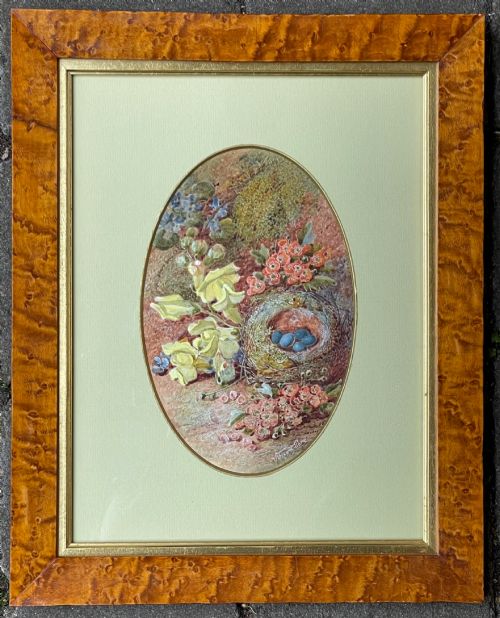
Buyers seeking this phrase encounter both large scale still life oil paintings intended for prominent wall display and smaller cabinet porcelain or glassware decorated with hand painted blossoms. The variety spans centuries of botanical observation rendered in oil, watercolour, enamel, and porcelain.
Materials and Techniques
Oil paint on canvas or wood provides the medium for expressive floral still life works, while watercolours, gouache, and pencil serve for botanical studies on paper. Enamel pigments decorate glass and porcelain pieces, often fired to achieve durable colour.
Ceramic forms such as porcelain cabinet dishes, vases, and bowls utilise hand painted glazes applied over white bodies, sometimes accented with gilding. Glassware employs surface enamelling to render floral details upon tinted or clear vessels.
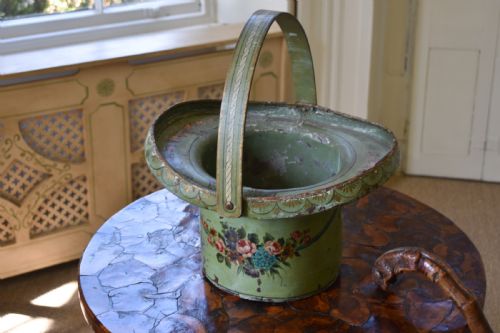
A painted leather hat box sits quietly among the porcelain and oils, proving that flowers bloom on almost any surface.
Assessing Quality
Quality rests upon the execution of the botanical forms and the depth of the green pigments used in the ground or foliage. Finer works display confident brushwork in oil or precise detail in porcelain and enamel decoration.
The reputation of the maker, whether a documented porcelain factory or a recognised landscape and still life painter, influences the standing of a piece. Preservation of the painted surface, canvas tension, and original glazing further define the calibre of the object.
Richard Chaffers·Vincent Clare·Konstantin Stoitzner·Edward Ladell·Gaspar Peeter Verbruggen·Peter Newcombe·Moorcroft McIntyre·Chamberlains Worcester·Dr Wall Worcester·Royal Doulton·David Dewsberry·Doe and Rogers·H and R Daniel·Owen Bowen·TG Green·James Tower
The Green Floral Painting Glossary
- Still life
- An artwork depicting inanimate subject matter, typically commonplace objects such as flowers in a basket, vase, or jug. These compositions allow artists to focus on colour harmony and natural detail.
- Porcelain
- A ceramic material made by heating materials, generally including kaolin, in a kiln. It forms a hard, nonporous body suitable for intricate cabinet cups, dishes, and vases with painted floral motifs.
- Enamel
- Decorative glass or paint fused to the surface of metal, glass, or porcelain through firing. It creates vibrant, glossy floral patterns that resist fading over time.
- Gilt
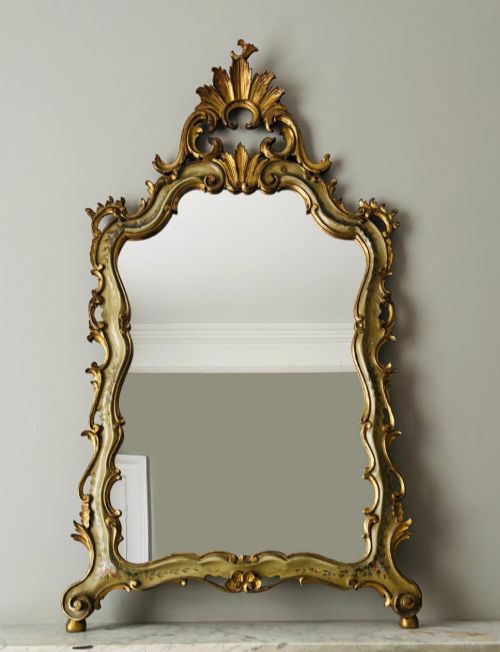
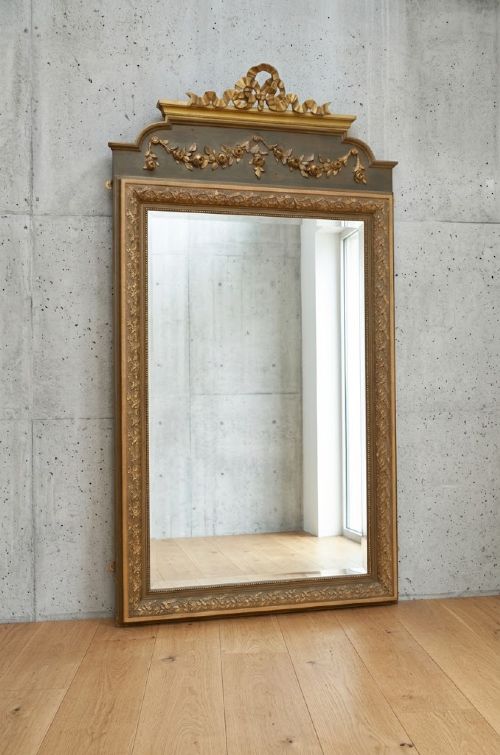
- Covered thinly with gold leaf or gold paint. This technique highlights rims, frames, and borders on mirrors, porcelain, and furniture.
- Toleware
- Painted or lacquered metalware, commonly tinplate, utilised for decorative items such as chandeliers, bedsteads, and containers often finished with floral designs.
Green Floral Painting: Frequently Asked Questions
What periods do these green floral painting pieces cover?
The selection spans from the eighteenth century through the Victorian and Edwardian eras into the mid twentieth century. Works reflect stylistic shifts from classical botanical studies to Impressionist and mid century interpretations.
Earlier examples include eighteenth century porcelain and seventeenth century oils, while later pieces embrace twentieth century textile art and watercolours.
How were painted porcelain dishes used historically?
Porcelain cabinet dishes and trays served primarily for display within drawing rooms and cabinets rather than daily dining. They demonstrated the wealth and refined taste of the household through detailed floral artistry.
Many bear the hand painted marks of notable factories, intended to be admired as miniature works of art.
Where do green floral oil paintings work best in a home?
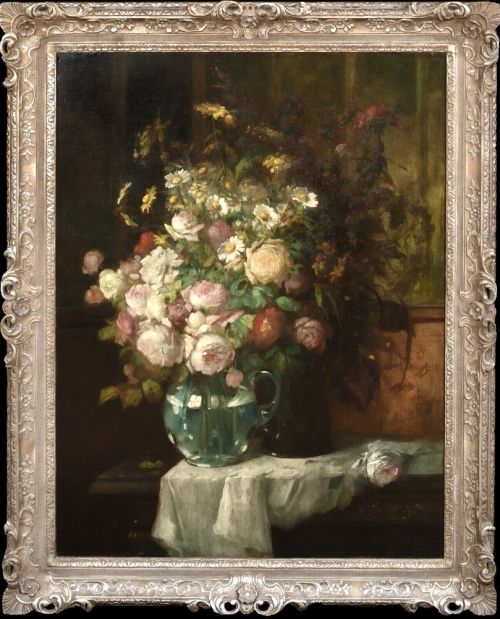
Large scale oil paintings featuring floral still life compositions suit reception rooms or dining spaces as primary focal points. Smaller framed panels and watercolours fit well in studies or hallways.
The verdant green tones in these artworks pair naturally with neutral wall colours and traditional or transitional interiors.
How can I distinguish between Victorian and mid century floral art?
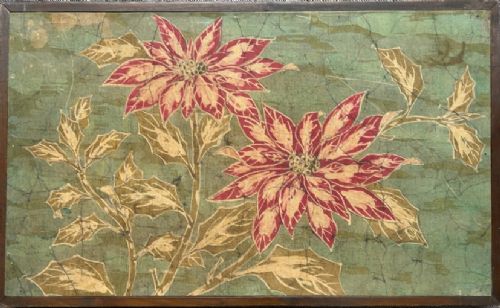
Victorian floral works typically lean toward detailed realism, ornate framing, and rich colour palettes as seen in traditional still life oils and botanical watercolours. Mid century pieces often adopt looser brushwork, stylised motifs, or modernist mediums such as batik textile art.
Examining the framing materials, canvas preparation, and the signature style provides clear clues to the date of execution.