

Antique Sterling Tankard
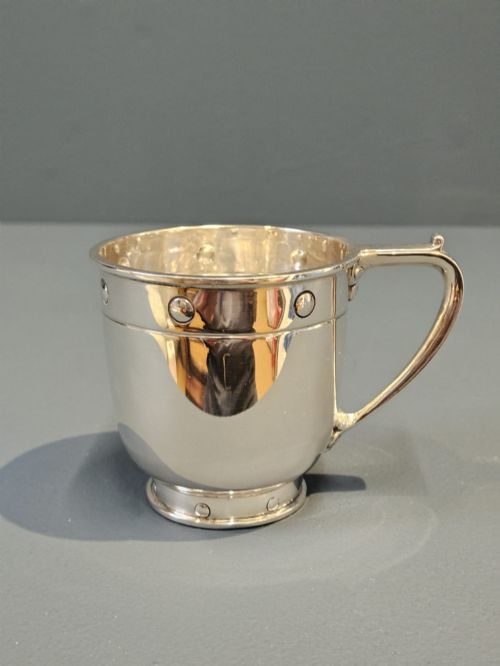
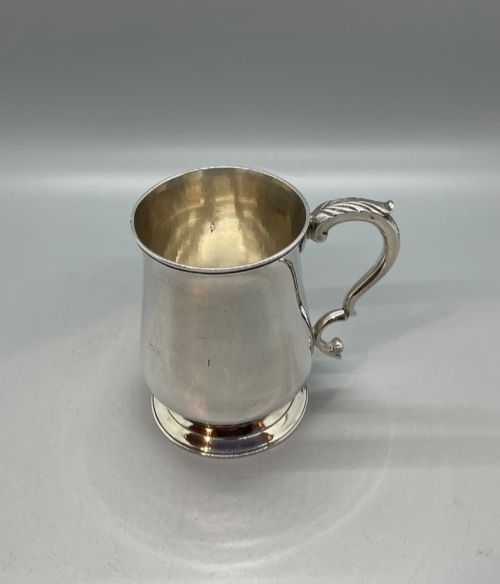
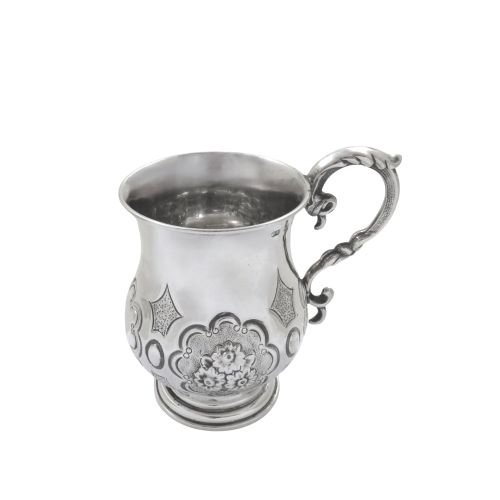
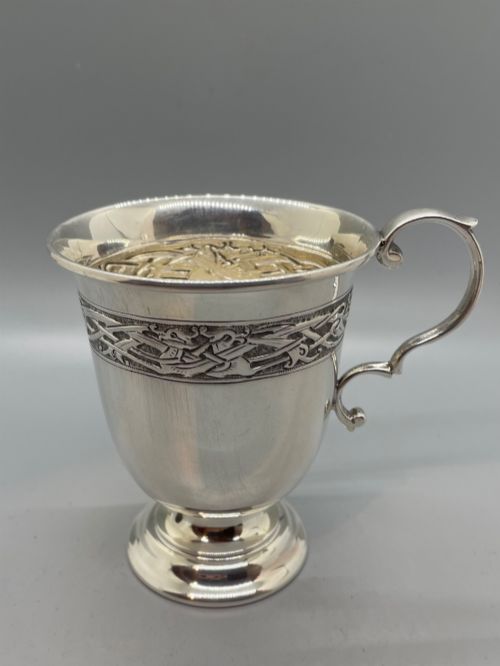
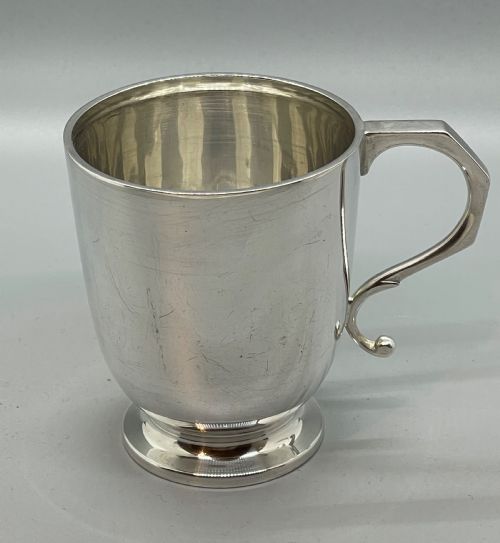
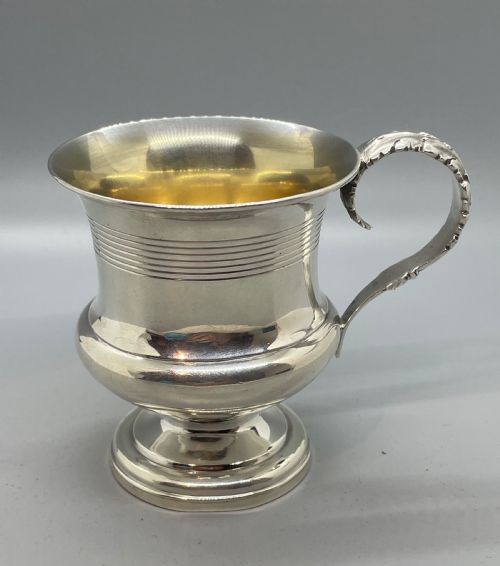
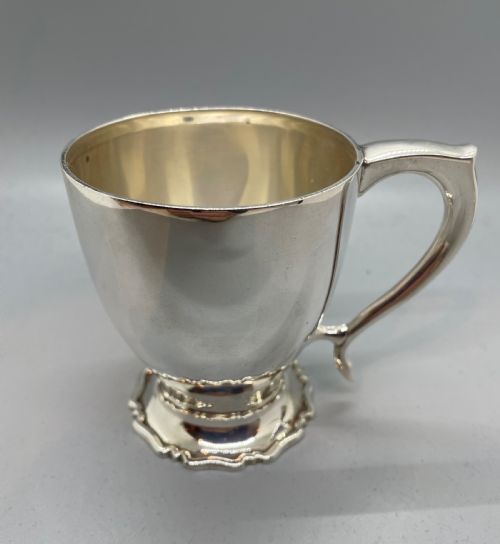
When searching for an antique sterling tankard, collectors meet substantial drinking vessels and smaller presentation pieces spanning the Georgian, Victorian, and later periods.
Antique Sterling Tankard
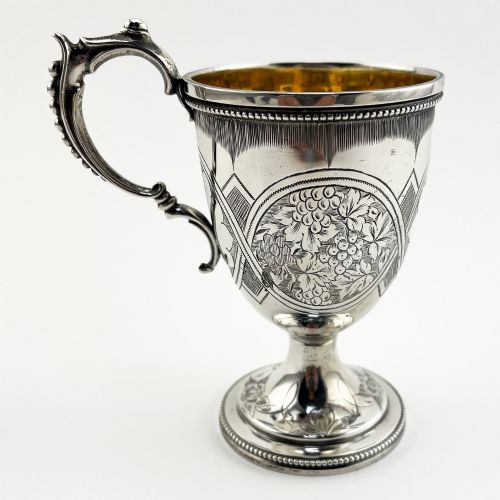
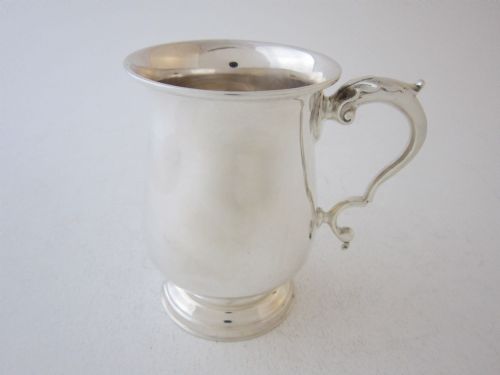
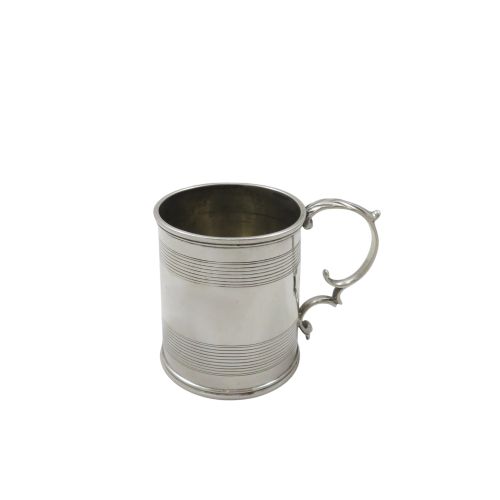
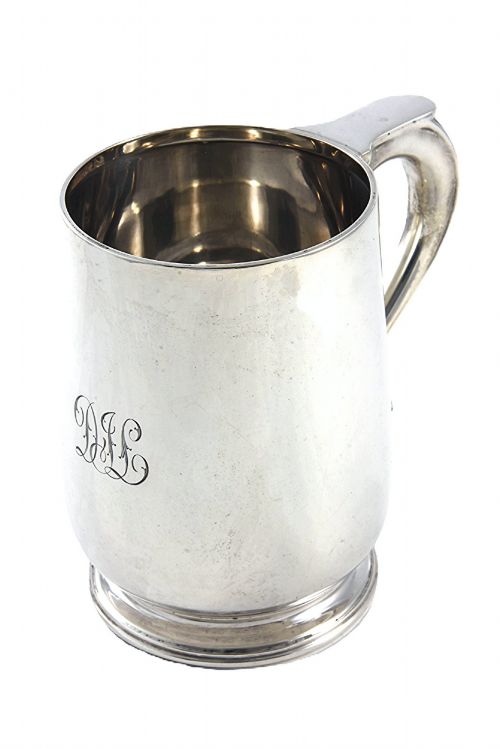
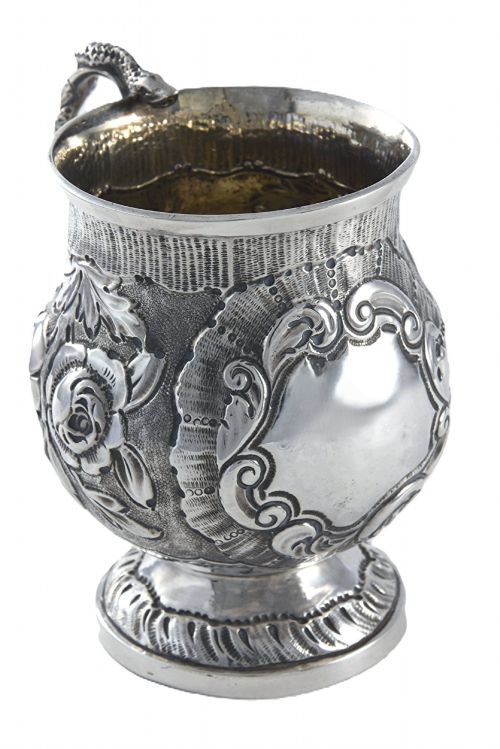
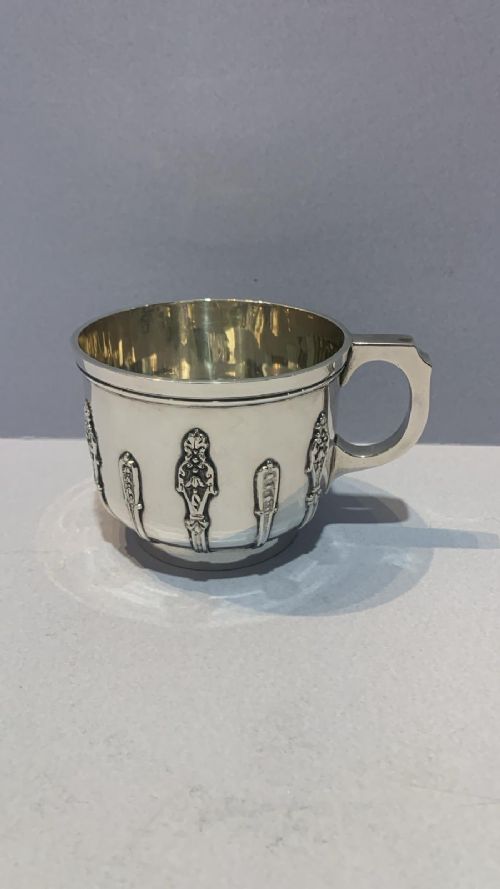
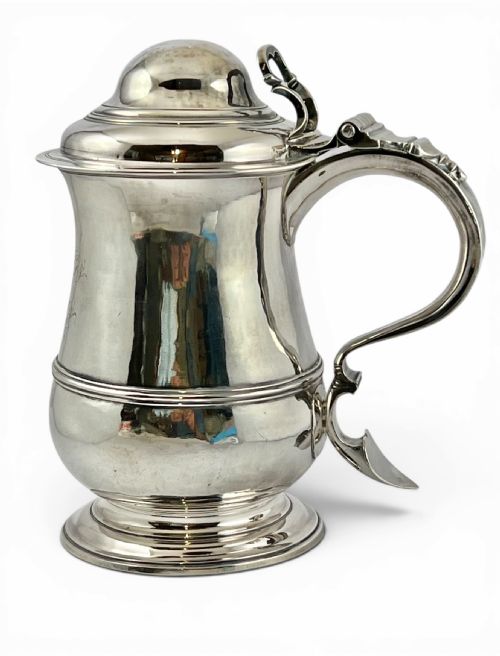
The pieces grouped under this description encompass large pint tankards designed for table use alongside smaller christening mugs intended as gifts. Buyers searching for an antique sterling tankard frequently encounter Victorian and George V examples, which dominate the available forms.
Early specimens from the eighteenth century appear alongside Edwardian and mid-century items, reflecting diverse drinking habits and presentation traditions. These objects range from plain, straight-sided pint mugs to elaborately engraved baluster vessels with scroll handles.
How They Were Made
Makers shaped these drinking vessels from solid sterling silver, occasionally incorporating interior gilt known as silver-gilt or gold gilt to protect the metal from acidic contents. Certain lidded examples and specialised pieces also integrate materials like leather or velvet.
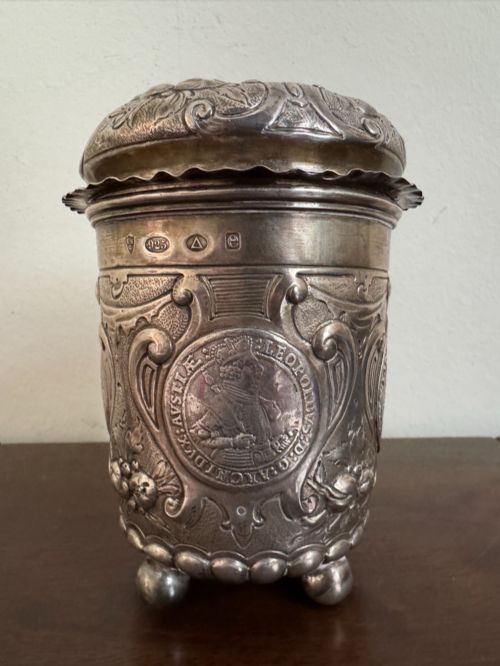
Smiths employed raising, casting, and hand-engraving techniques to form the bodies and handles, applying hallmarks to designate assay offices and years of production.
Several makers transformed domestic beverage customs by crafting novelty pepper pots shaped precisely like miniature drinking tankards.
What Varies in Quality
Substantial weight and gauge of silver separate robust drinking vessels from lighter presentation items. The clarity of maker marks, the crispness of floral or armorial engraving, and the structural integrity of applied handles determine the standing of individual examples.
Pieces bearing specific provincial or London assay marks and those retaining original gilding or fitted presentation cases demonstrate superior workshop execution.
Barker Bros·John Payne·William Grundy·R E Stone·William Bateman·Garrards
The Antique Sterling Tankard Glossary
- Sterling Silver
- An alloy consisting of 92.5 percent silver by mass, with the remainder composed of copper or other metals. This standard has served as the baseline for British plate for centuries.
- Silver-Gilt
- Silver objects that have been coated with a thin layer of gold on their interior or exterior surfaces. This technique prevented tarnishing and added a rich decorative contrast.
- Baluster Form
- A vertical architectural shape resembling a pillar or vase, swelling gently towards the lower section. Many eighteenth-century mugs utilise this pleasing contour.
- Hallmark
- A series of official marks stamped onto precious metals indicating the standard of purity, the assay office, and the date letter. These stamps provide a secure method for dating antique silver.
Antique Sterling Tankard: Frequently Asked Questions
What is an antique sterling tankard used for?
These vessels originally served practical functions for consuming ale or beer at the table, while smaller variants were produced as christening gifts.
Over time, many larger pint vessels transitioned into decorative display items or presentation pieces within domestic settings.
How can I tell a Georgian tankard from a Victorian one?
Georgian pieces often display restrained lines, plain cylindrical bodies, or classic baluster contours associated with eighteenth-century manufacturing standards. Victorian examples frequently incorporate heavier cast scroll handles and denser floral or crest engraving.
Examining the underlying hallmarks provides the definitive guide to the exact period of production and the assay office responsible.
Did these tankards always have glass bottoms?
Glass bottoms appear on select pint tankards, particularly from the Victorian period onwards, allowing drinkers to monitor their company while imbibing.
Solid silver bases remain far more common across both eighteenth-century specimens and twentieth-century commemorative mugs.
How do I care for silver-gilt interiors?
Silver-gilt surfaces require gentle washing with mild soapy water and a soft cloth to preserve the delicate gold layer over the silver base. Abrasive polishes must be avoided entirely because they strip away the thin gilt finish.