



Antique Sterling Sugar Basket
An antique sterling sugar basket brings Georgian elegance or Edwardian intricacy to the table, holding lumps or grains with grace.
Antique Sterling Sugar Basket
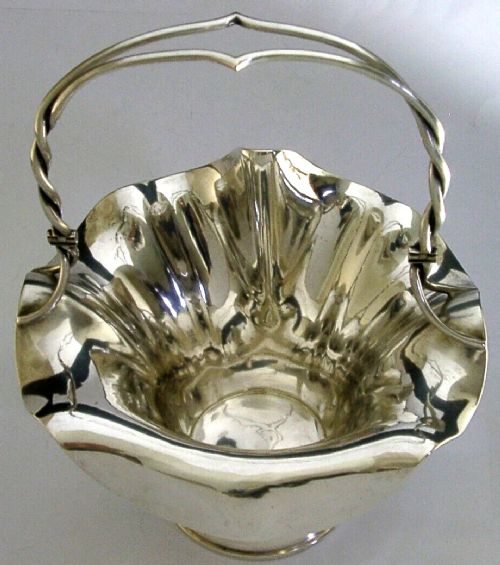
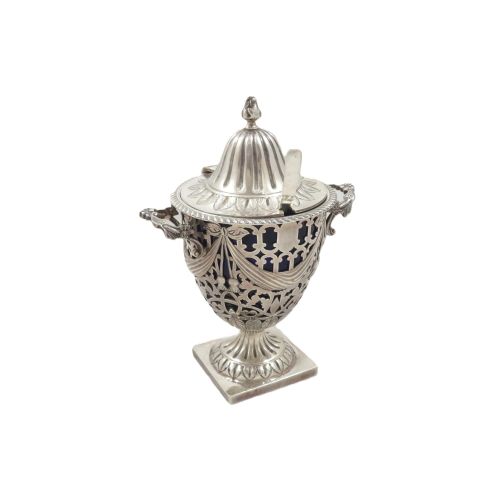
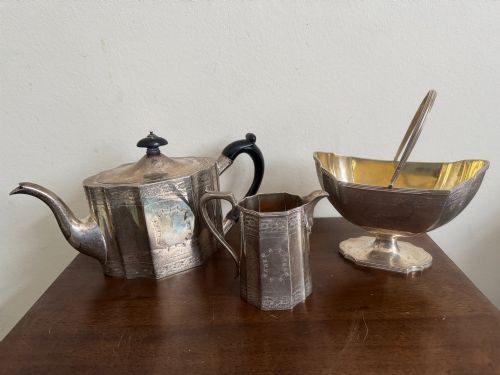
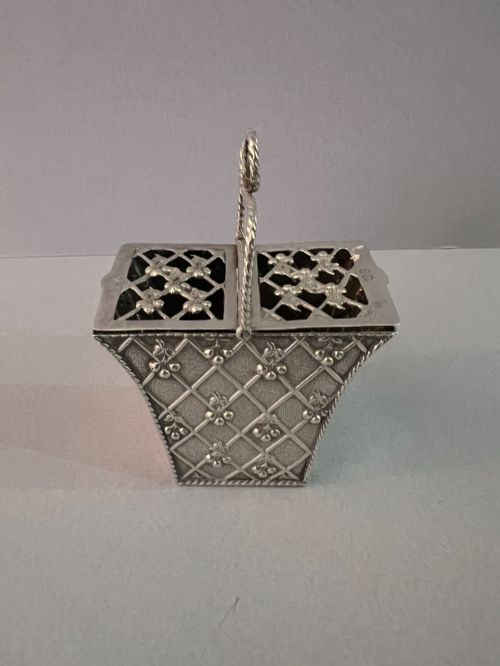
An antique sterling sugar basket is a small, handled table vessel designed to hold sugar during tea service. These pieces range from eighteenth-century cream pails and wirework designs to Edwardian swing-handled models and lidded urns.
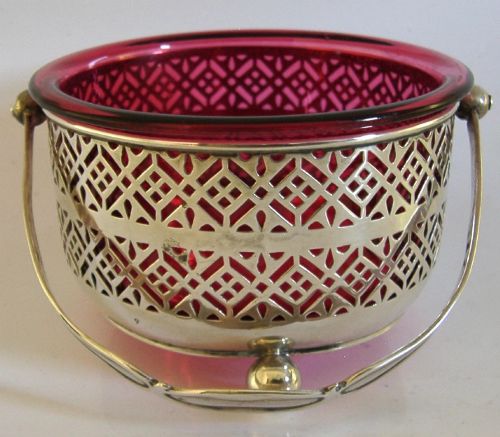
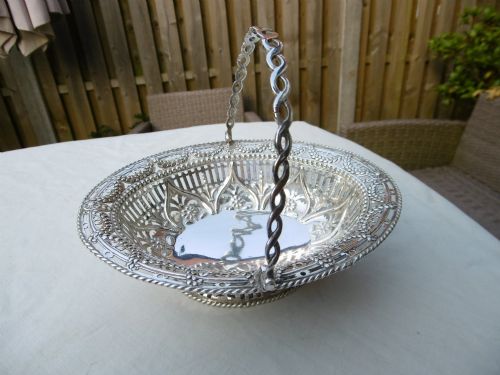
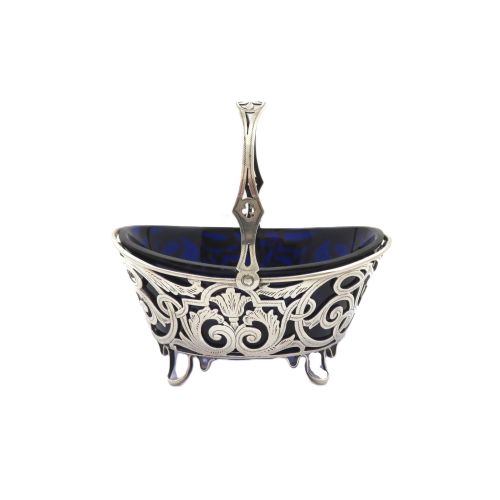
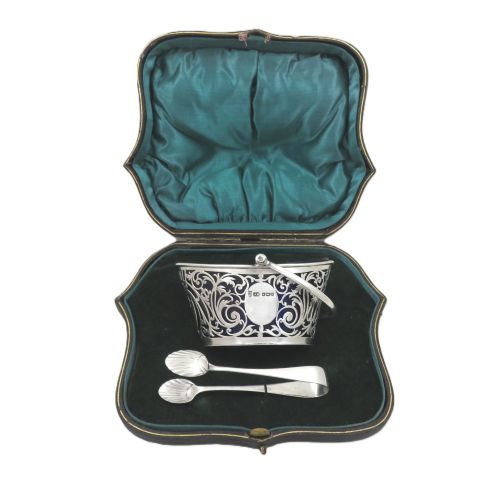
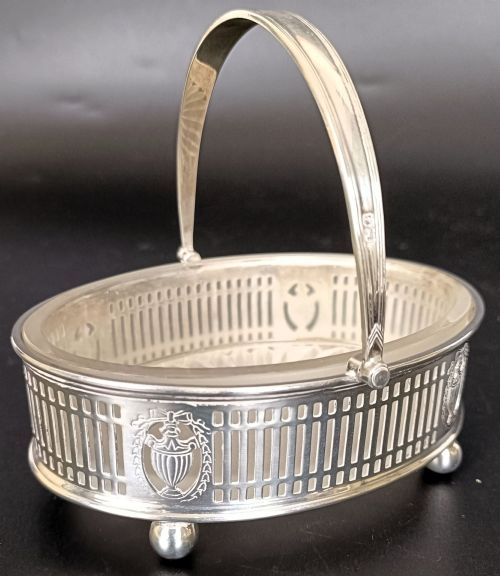
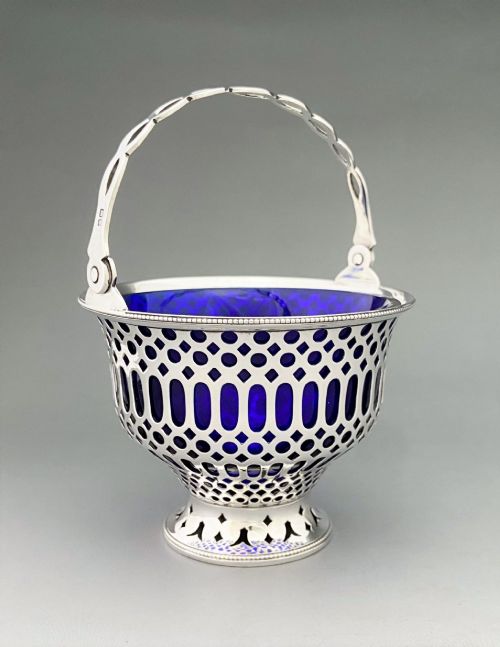
The version most commonly met on this page is the Edwardian or Victorian sterling silver basket, often featuring pierced work, fretwork, or a coloured glass liner.
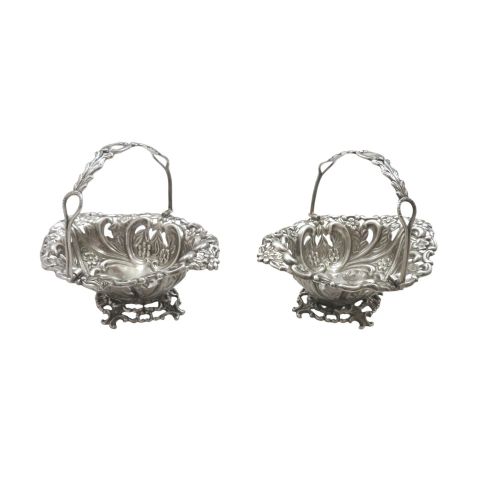
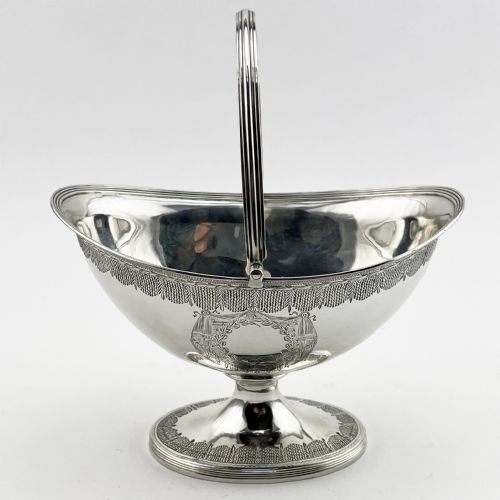
Makers produced these items in various forms, including oval baskets, footed bowls, and cylindrical pails, spanning Georgian, Victorian, and Edwardian periods.
Materials and construction methods
Silversmiths constructed these pieces primarily from solid sterling silver, shaping the body through piercing, wirework, or fretwork to create intricate patterns. Many examples incorporate a swing handle attached via visible pivots to the main body.
Interiors frequently hold removable glass liners in cobalt blue, cranberry, or ruby glass, which protected the silver from corrosion caused by moist sugar. Certain items also received a layer of gold wash, known as silver gilt, across the interior surface.
Some eighteenth-century cream pails are so diminutive they appear ready to serve sugar mice rather than tea for guests.
Distinctions in quality and execution
Quality rests upon the crispness of the pierced or wirework decoration and the structural integrity of the swing handle. Heavier gauge silver provides a more substantial feel in the hand and resists distortion better than thinner alternatives.
The presence of a matching original glass liner or a fitted case elevates the standing of a piece. Maker marks and clear hallmarks add historical weight, distinguishing standard production items from those bearing the touch of notable silversmiths.
Aldridge and Green·Henry Chawner·Fenton·Hammond Creake and Co·James Dixon and Sons Ltd·William Bond·George Fox·Garrard
The Antique Sterling Sugar Basket Glossary
- Sterling silver
- A silver alloy containing 92.5 percent pure silver and 7.5 percent other metals, typically copper, chosen for durability in tableware. This standard forms the material basis for the majority of these baskets.
- Swing handle
- A movable arched handle attached to the rim of the basket by pins or hinges. It allows the handle to drop to the side when the vessel rests on the table.
- Pierced work
- A decorative technique where metal is cut through to create openwork patterns such as lattices, scrolling foliage, or geometric designs. This method lightened the visual weight of heavy silver table pieces.
- Cream pail
- A small, cylindrical or slightly tapered bucket-shaped vessel with a fixed or swing handle. Eighteenth-century examples often mirrored the design of larger sugar baskets on a smaller scale.
- Silver gilt
- Sterling silver that has been coated with a thin layer of pure gold on the surface. This finish prevented the silver from tarnishing when in contact with acidic substances.
Antique Sterling Sugar Basket: Frequently Asked Questions
What was a sugar basket used for?
These vessels held lump or loose sugar for tea service on the dining table or drawing room sideboard. Guests or hosts used sugar tongs or a sifter spoon to dispense the contents into cups.
During the eighteenth and nineteenth centuries, sugar was an expensive commodity displayed prominently in worked silver to signal status and hospitality.
How do I clean an antique silver basket?
Use a soft cloth and a specialised silver polish designed to remove tarnish gently without abrading the metal surface. Avoid harsh chemical dips, especially on pieces with fitted glass liners or delicate wirework.
Wash the item by hand in warm soapy water and dry thoroughly immediately afterward to prevent water spots on the sterling silver.
Can I use these baskets for daily dining?
These pieces function well for serving sweets, nuts, or small fruits during meals or gatherings. The presence of a glass liner protects the silver base from sticky residue and moisture.
Care should be taken with delicate pierced work or antique swing handles during handling and washing to preserve their structural integrity.
How do I identify the date of a basket?
Examine the hallmarks stamped onto the silver, which typically include a maker's mark, a standard mark indicating sterling quality, a town mark, and a date letter. Reference tables match these assay letters to specific years of production.
Stylistic indicators such as Neoclassical wirework or Edwardian fretwork also help narrow down the period of manufacture.