
Antique Sterling Silver Accessories
These antique sterling silver accessories span desk wares, vanity items and smoking accoutrements shaped across the Victorian, Edwardian and Art Deco decades.
Antique Sterling Silver Accessories
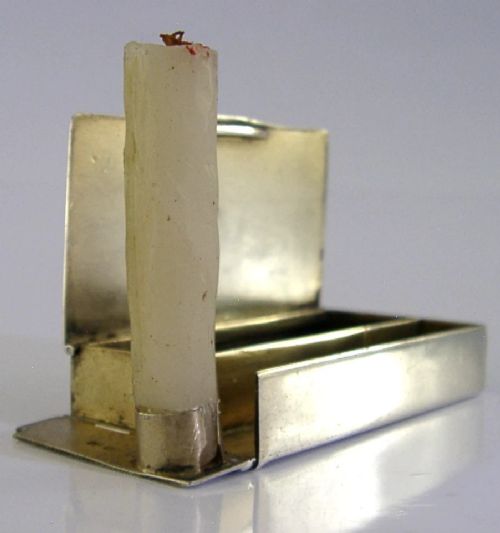
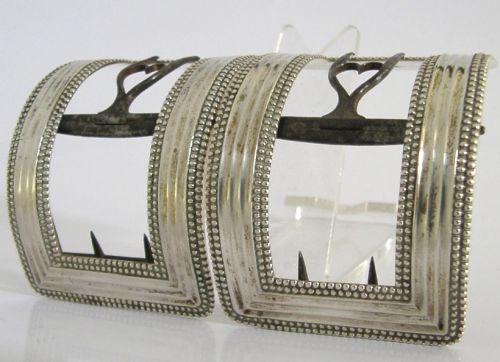
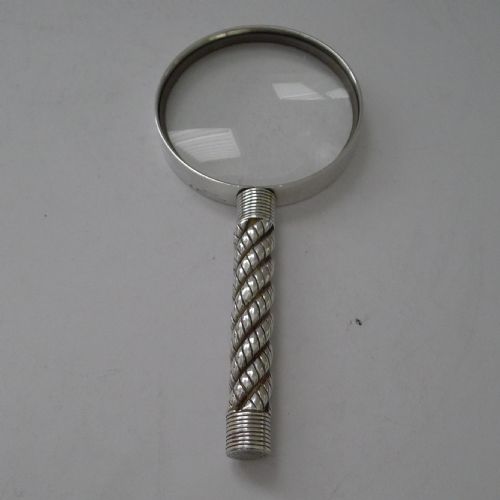
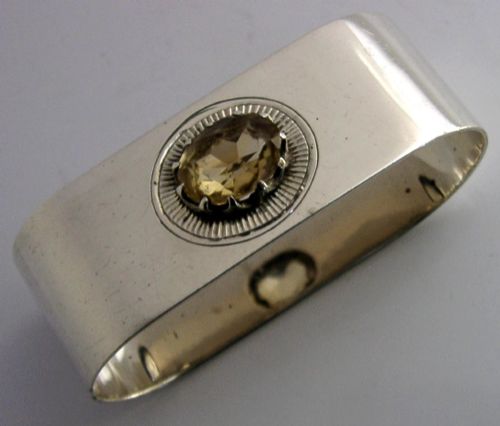
When searching for antique sterling silver accessories, you encounter smaller functional objects designed for personal use, dining tables and writing desks. These pieces range from vesta cases and napkin rings to page turners and pin cushions made in solid silver.
The versions most commonly met on this page date from the Victorian and Edwardian eras through to the 1930s. They include desk accessories and pocket items produced by English, Scottish and continental silversmiths working in various historical and modern styles.
Many of these objects combine sterling silver with secondary materials such as glass, leather, silk, velvet or tortoiseshell. Their survival in cased sets or individual examples reflects domestic habits of past centuries.
How they were made
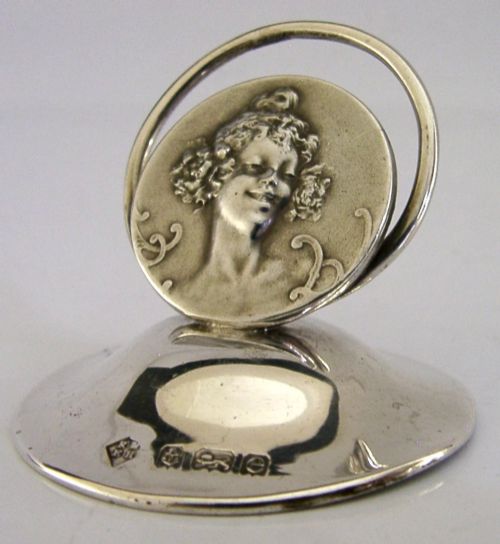
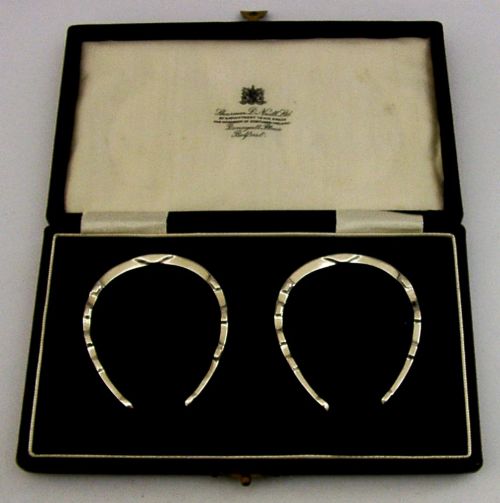
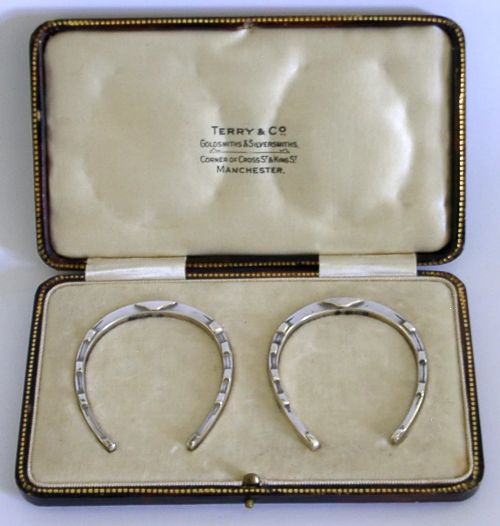
Makers utilised sterling silver sheet and wire, shaping them through hand-hammering, piercing, chasing and embossing. Pieces were frequently cast for figural elements such as novelty pin cushions, menu holders and horse shoe napkin rings.
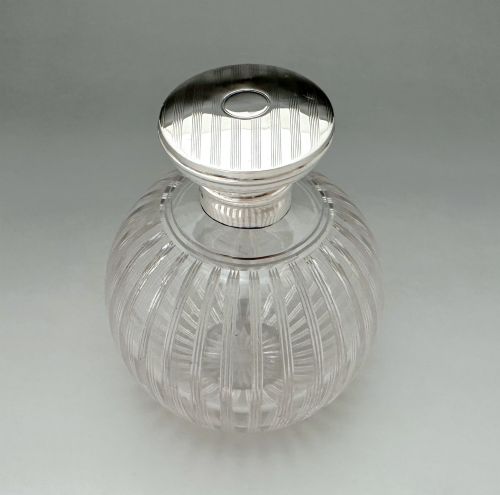
Internal structures often combined silver mounts with glass bottles, leatherette linings or silk and velvet interiors for cases and boxes. Hallmarks stamped directly into the metal record the assay office, standard and year of production.
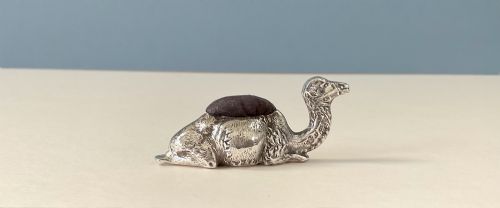
A seated camel pin cushion waits patiently on the desk, holding needles instead of water.
What varies in quality
Quality rests upon the crispness of detail in chased or cast decoration, such as the feathers on bird pin cushions or the engraving on page turners. Crispness distinguishes standard production wares from pieces requiring higher specialist skill.
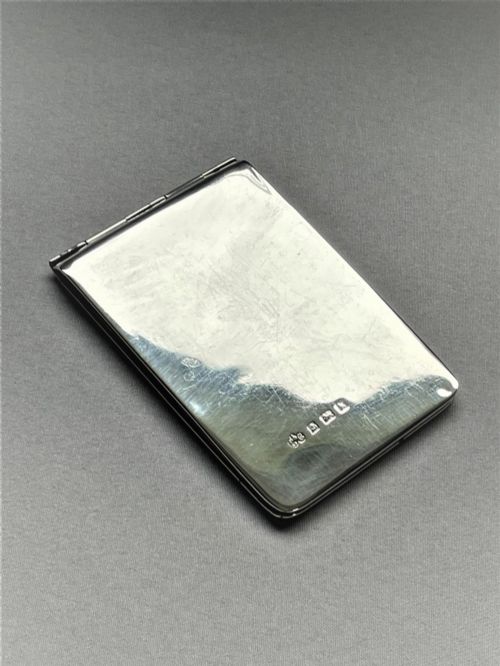
The integrity of the maker's mark and the clarity of full hallmarks influence desirability. Complete, legible stamps confirm authenticity and original manufacture without later alterations.
Braham·Hermes Paris·Sampson Mordan·Aaron Lufkin Dennison·Walker & Hall·William Neale·Mappin & Webb·Garrard·Levi & Salaman·EV Pledge & Son·Robert Chandler
The Antique Sterling Silver Accessories Glossary
- Vesta case
- A small pocket container designed to hold matches, typically fitted with a striking stripe on the base. These boxes often feature engraved scrollwork or figural repoussé designs.
- Caddy spoon
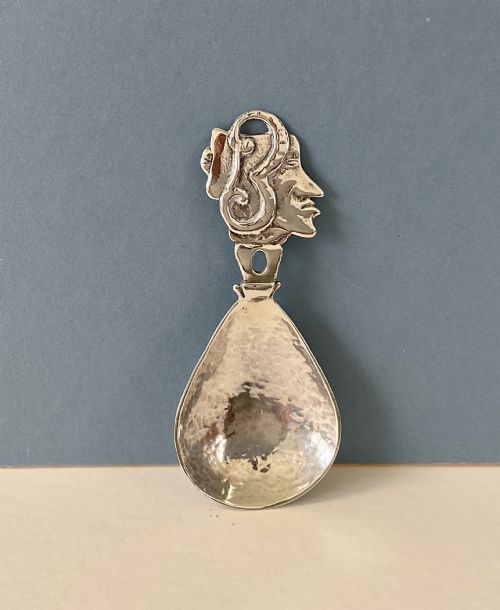
- A short-handled spoon specifically created for measuring loose tea leaves from a storage caddy. Examples often display shell bowls or Arts and Crafts hand-beatean textures.
- Page turner
- A desk accessory featuring a flat blade attached to a handle, used for separating uncut pages in books. Blades are constructed from materials such as horn, tortoiseshell or ivory with sterling silver mounts.
- Assay office
- An official body responsible for testing the purity of precious metals and applying hallmark stamps. Towns such as Birmingham, Sheffield and Chester operated distinct offices.
- Sovereign case
- A small circular pocket container engineered to hold gold sovereign coins securely. Many incorporate spring-loaded mechanisms or double compartments.
Antique Sterling Silver Accessories: Frequently Asked Questions
How were silver vesta cases used?
Vesta cases were carried in pockets or attached to watch chains to hold and protect safety matches before the widespread availability of lighters. The corrugated base allowed the user to strike a match directly on the case.
Smokers relied on these containers while travelling or outdoors. Their robust construction kept matches dry and prevented accidental ignition.
How do I read silver hallmarks?
British hallmarks typically consist of a maker's mark, a standard mark indicating sterling silver purity, an assay office symbol and a date letter. These stamps provide verifiable data regarding where and when an item was made.
Reference tables match the specific letter fonts and shield shapes to exact assay years. This system allows collectors to date pieces accurately to specific reigns and decades.
How should I care for antique silver?
Regular dusting with a soft, dry cloth prevents the accumulation of airborne particles on silver surfaces. When polishing becomes necessary, use a non-abrasive silver cream and apply it gently along the contours of the metal.
Avoid harsh dips that strip the natural patina accumulated over decades. Store items away from rubber and high humidity to minimise tarnishing.