
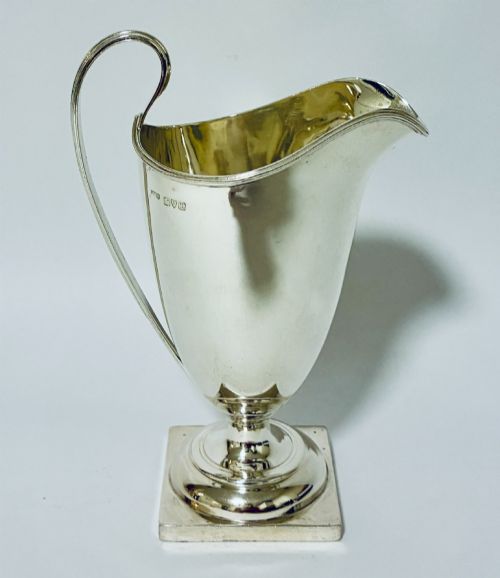
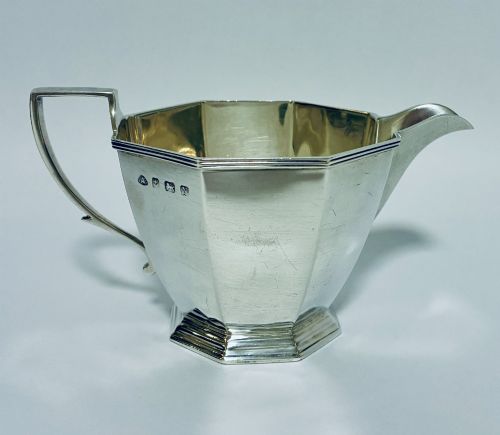
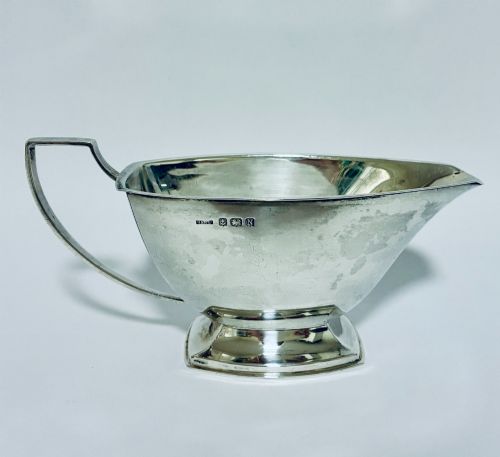
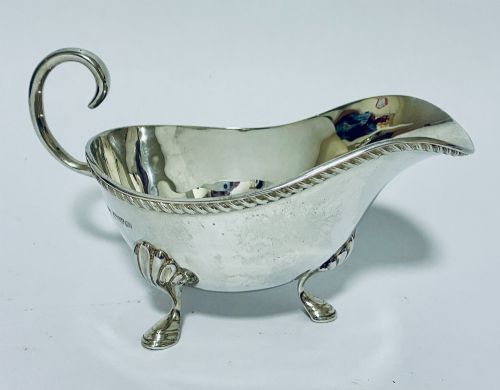



Antique Sterling Sauce Jug
An antique sterling sauce jug brings heavy silver gravity and crisp pouring edges to a serious dining table.
Antique Sterling Sauce Jug
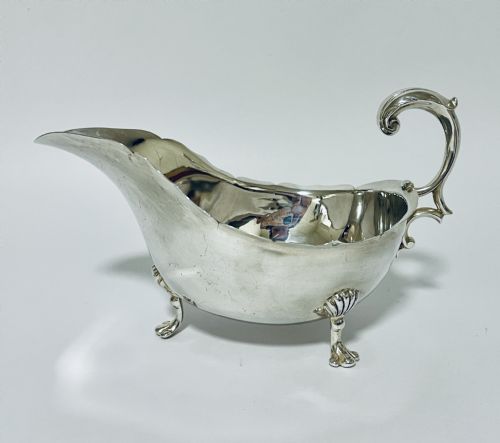
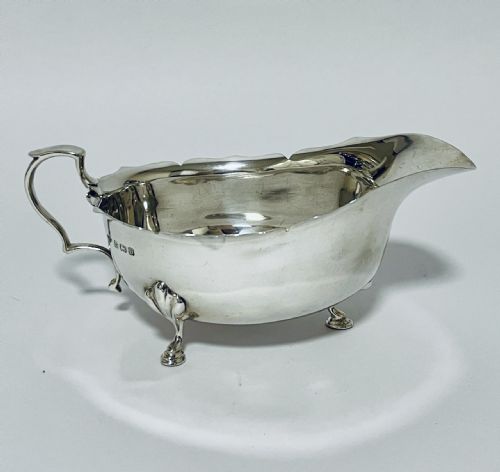
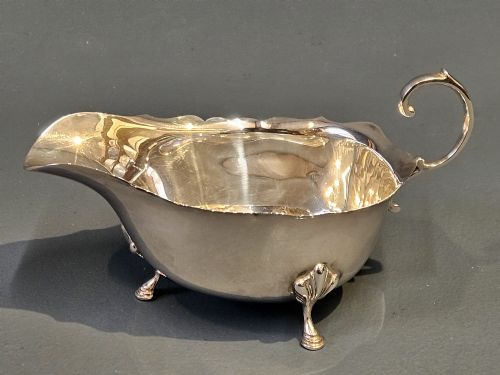
When you hunt for an antique sterling sauce jug, you encounter vessels designed explicitly to hold and pour hot gravies, rich sauces, or cream across centuries of dining. These objects span periods from the mid-eighteenth century through the early and mid-twentieth century, capturing shifts from plain Georgian forms to ornate Victorian naturalist designs and streamlined Art Deco shapes.
Makers shaped these serveware items with deep bellies, broad spouts, and sturdy handles designed to balance the weight of liquid silver. Whether cast with scrolling feet or raised on a distinct pedestal stand, each vessel serves a practical culinary function rooted in formal dining traditions.
Materials and Silversmithing Techniques
Silversmiths constructed these jugs predominantly from solid sterling silver, utilising hammering, raising, and casting methods to shape the metal. Handles were frequently cast separately and securely attached, while bodies were hammered from flat sheets or cast as singular robust forms.
Decorative details such as acorn motifs, neoclassical borders, and naturalistic edges required skilled chasing and repoussé work by hand. Assay office hallmarks stamped directly into the silver record the exact town of origin, purity standard, and year of creation.
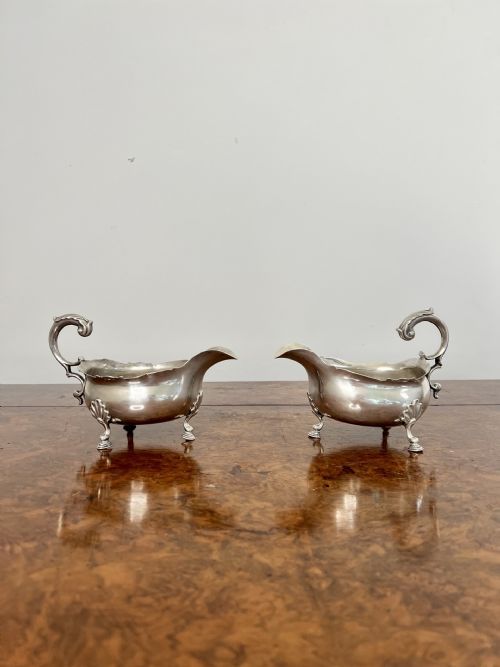
Makers utilised heavy-gauge silver standards, producing both solo serveware and matched pairs.
Judging Quality in Silver Serveware
The distinction between ordinary and exceptional pieces rests primarily on the gauge of the silver and the crispness of the casting. Heavier vessels maintain thicker walls that resist dents and provide a reassuring heft in the hand during service.
Detail work separates standard production from master craftsmanship, visible in the sharpness of chased decoration, the symmetry of the pouring lip, and the secure integration of the handle. Pairs matching in weight and form demand greater respect than individual mismatched items.
WALKER AND HALL·Asprey
The Antique Sterling Sauce Jug Glossary
- Sterling Silver
- A standard alloy consisting of ninety-two point five percent silver and seven point five percent other metals, chosen for durability in functional serveware.
- Sauce Boat
- A vessel with a lip and handle designed specifically for serving gravies and liquid condiments at table.
- Repoussé
- A metalworking technique where the silversmith hammers the silver from the reverse side to form raised decorative designs on the exterior.
- Hallmark
- A series of official marks stamped on precious metals indicating the maker, assay office, and year of testing.
- Chasing
- The method of ornamenting the front side of metal by indenting tools with a hammer to sharpen surface details.
Antique Sterling Sauce Jug: Frequently Asked Questions
How do I identify the date of my silver jug?
You look for the stamped assay office hallmarks on the underside or exterior wall of the vessel.
Each letter stamp corresponds to a specific year and city where the piece was tested and verified.
Are these jugs safe to use for hot gravy?
Solid sterling silver conducts heat rapidly, making these vessels effective at maintaining the temperature of warm liquids.
Pouring hot gravy or melted butter into the boat presents no structural harm to the metal.
Why do some sauce boats come in pairs?
Large formal dining tables in the eighteenth and nineteenth centuries required balanced placement of condiments at opposite ends.
Silversmiths created matching pairs to satisfy the symmetry demanded by grand hosting customs.