

Antique Sterling Pocket Case
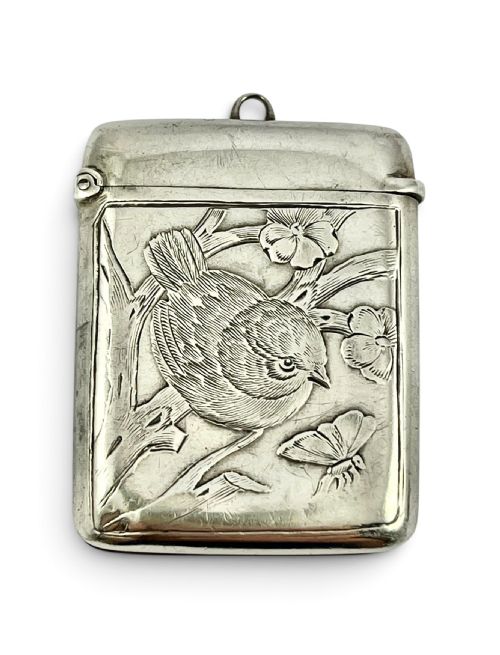
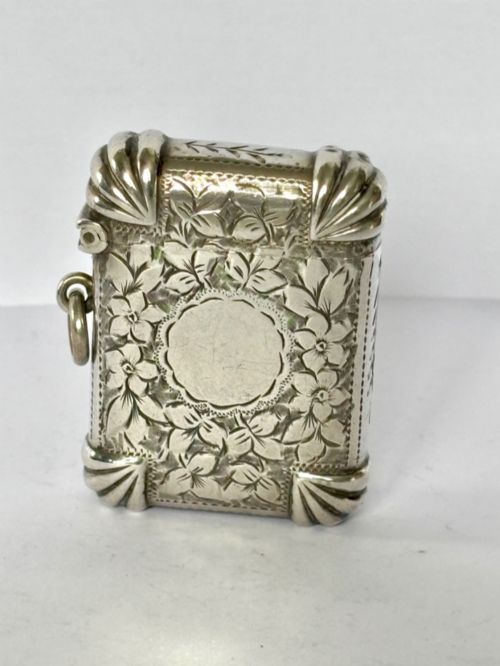
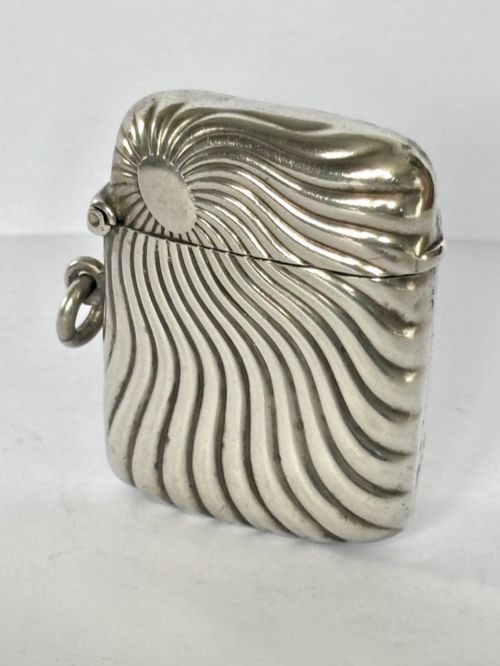
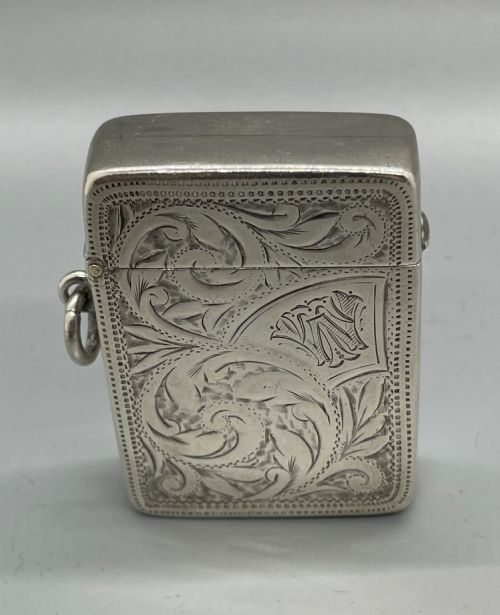
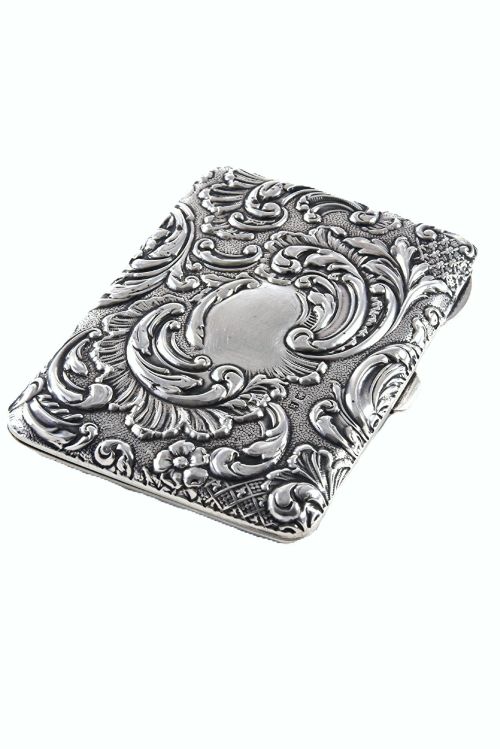
When you search for an antique sterling pocket case, you encounter functional silver containers designed to hold cards, matches, coins, or notes close to the body.
Antique Sterling Pocket Case
The selections span from the mid-nineteenth century through the 1930s, reflecting changing social habits and personal accessories of the era. Buyers most frequently encounter vesta and card cases produced by British makers, alongside pocket watches and specialised holders incorporating leather or enamel.
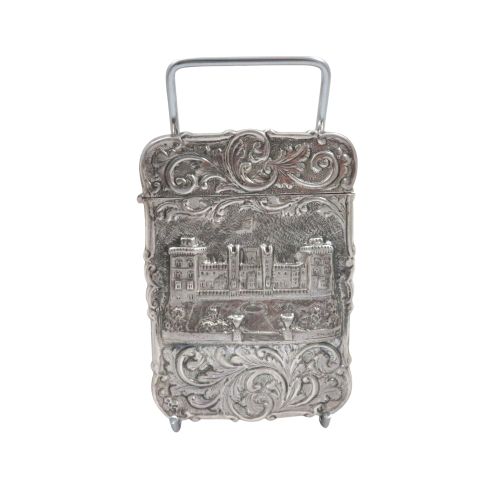
Forms range from simple rectangular boxes to novelty shapes like kidney beans, hearts, and envelopes, as well as castle top designs featuring engraved architectural scenes. Many examples demonstrate specific local assay marks from Birmingham, Chester, and London across various decades.
How they were made
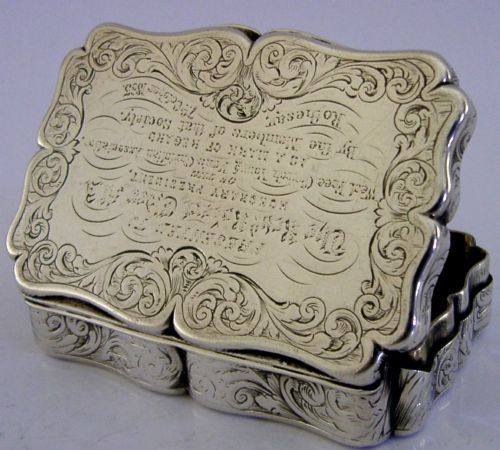
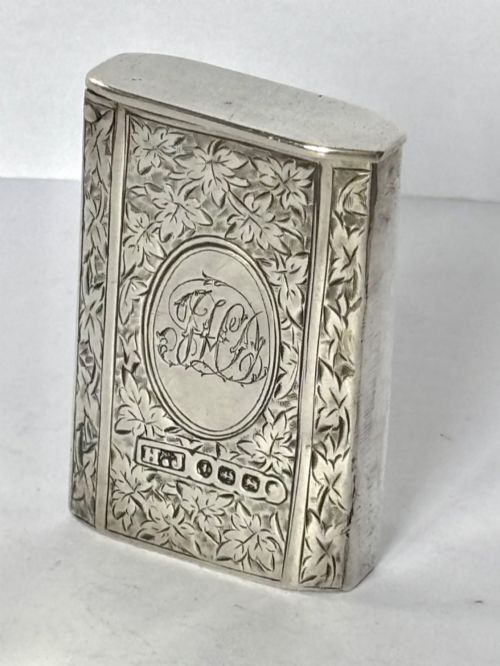
Silversmiths shaped sterling silver through pressing, casting, and hand engraving, utilising techniques that allowed for intricate surface decoration and structural rigidity in daily use. Many pieces feature engine-turned patterns, repoussé work, or applied cast borders soldered to the main body.
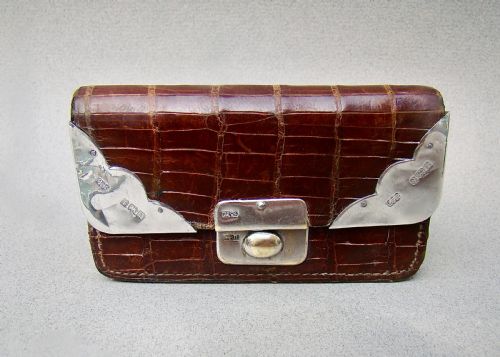
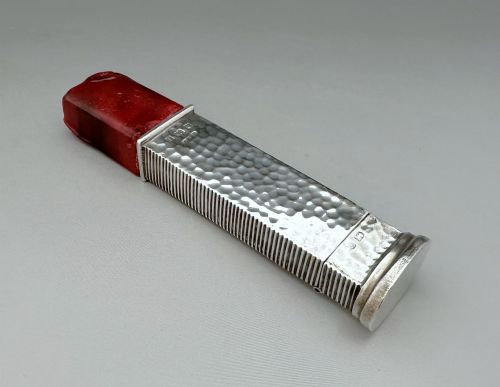
Makers combined sterling silver with contrasting materials such as crocodile leather, glass, sealing wax, and vitreous enamel to create tactile and visually striking accessories. Hand-painted enamel floral motifs and pictorial scenes frequently adorn the surface of specialised vesta and cigarette cases.
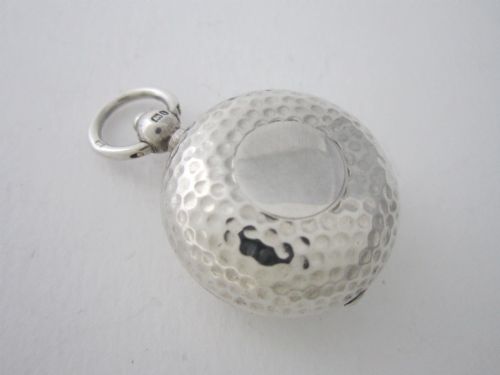
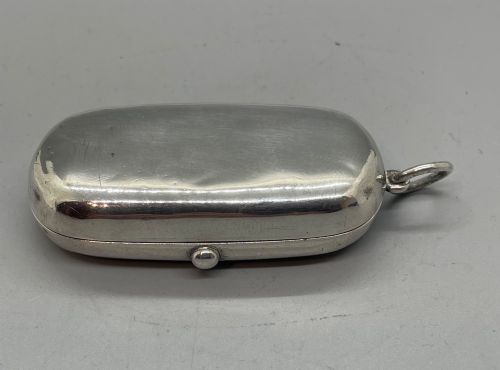
Object forms include card cases, sovereign holders, stamp wallets, and novelty vesta shapes.
What varies in quality
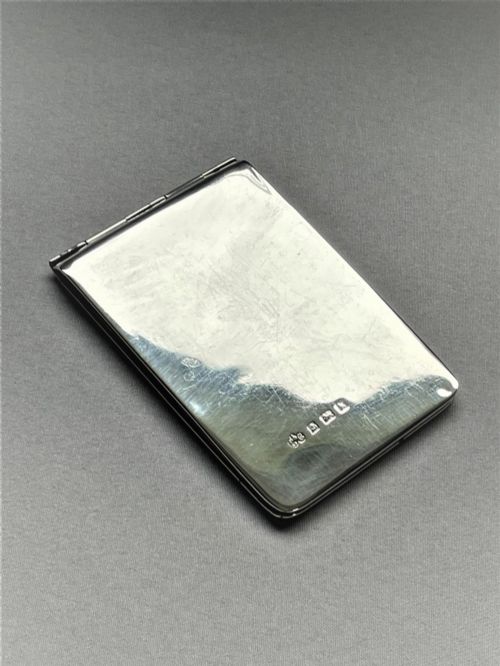
Quality in an antique sterling pocket case rests upon the crispness of the chasing, the precision of the hinge and snap closure, and the integrity of any applied enamel or leather work. Superior examples exhibit deep, clear hallmarks and retain the original sharpness of their engraved motifs without excessive thinning of the silver from polishing.
Makers known for exceptional output, such as Sampson Mordan or Nathaniel Mills, often distinguished their work through superior weight, structural ingenuity in combination pieces, and artistic execution of scenic or floral decoration.
Charles Penny Brown·Aaron Lufkin Dennison·EV Pledge & Son·Robert Chandler·Sampson Mordan & Co·Crisford & Norris·George Unite·William Neale
The Antique Sterling Pocket Case Glossary
- Vesta Case
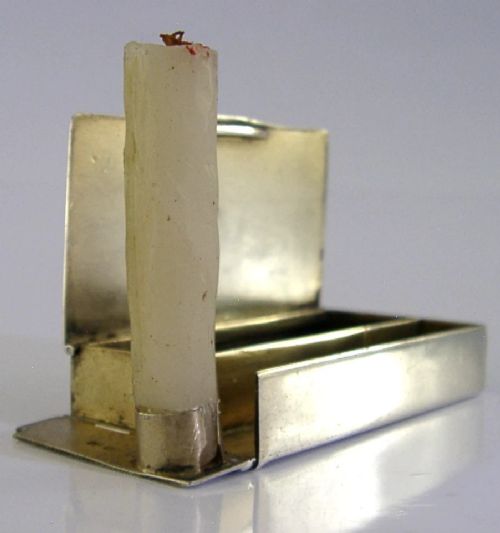
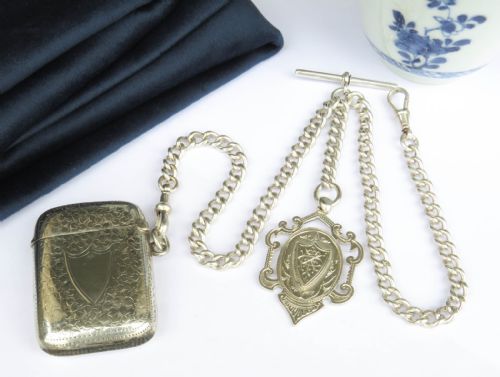
- A portable container designed to hold matches and keep them dry, typically fitted with a striking strip on the base. These small boxes often feature hinged lids and loops for attachment to a watch chain.
- Sovereign Case
- A specialised circular container engineered to hold British gold sovereign or half-sovereign coins securely, often featuring internal spring mechanisms. Double versions accommodate multiple coins.
- Castle Top
- A style of card case or vesta featuring a detailed, high-relief architectural engraving of a famous building or landmark on the cover. Nathaniel Mills is particularly noted for this technique.
- Aide Memoire
- A small pocket notebook or memorandum case often combined with silver panels, a pencil, and storage for cards or stamps. They served to record appointments and social notes.
- Hallmark
- A system of official marks stamped on precious metals indicating the standard of purity, the assay office, the maker, and the year of production. British sterling silver standard is indicated by the lion passant.
Antique Sterling Pocket Case: Frequently Asked Questions
What is a vesta case used for?
A vesta case was designed to safely hold matches, known as vestas, in a pocket or attached to a watch chain. The textured base allowed the user to strike the match securely upon retrieval.
These small silver containers protected matches from moisture and friction, preventing accidental ignition while carrying them daily.
How do I identify the date of a silver case?
Dating relies upon the series of official hallmarks stamped into the silver, which typically include a maker mark, a purity standard mark, an assay office symbol, and a date letter.
Reference tables correlate the specific shape of the date letter and the surrounding shield to the exact year the piece was tested and entered the market.
How were combination cases used?
Combination cases united two or more personal accessories into a single pocket-sized item, such as a sovereign holder paired with a match safe, or a wallet incorporating a stamp compartment.
These versatile objects reduced the number of individual items a person needed to carry, reflecting the structured social habits of the Victorian and Edwardian eras.