
Antique Sterling Ladle
An antique sterling ladle brings the refined weight of eighteenth and nineteenth century dining straight to the modern table.
Antique Sterling Ladle
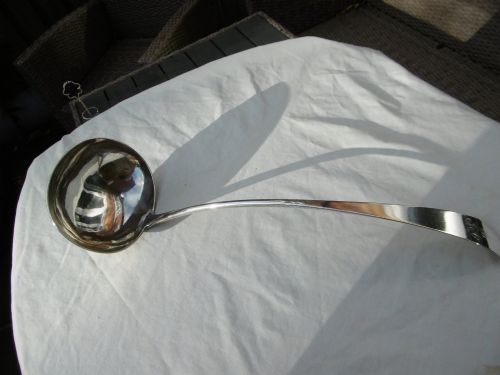
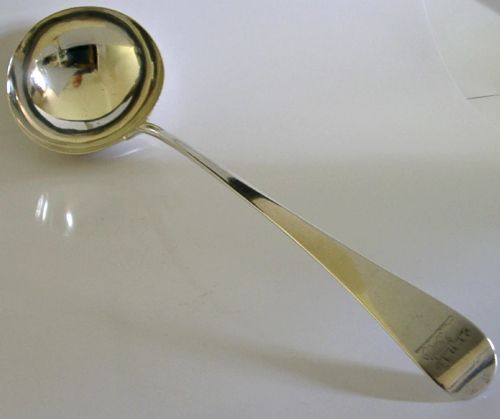
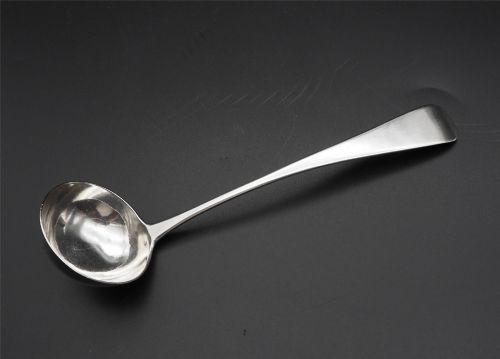
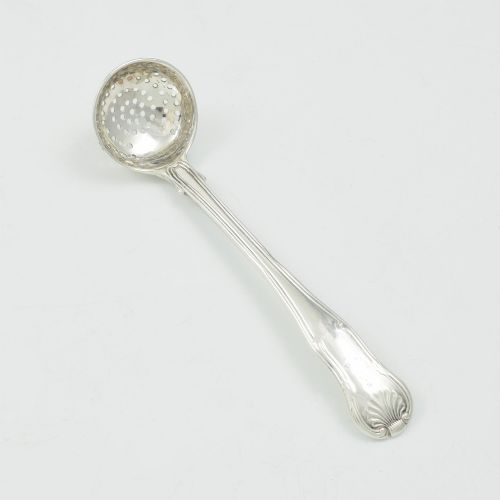
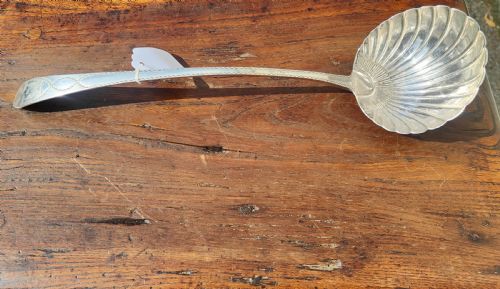
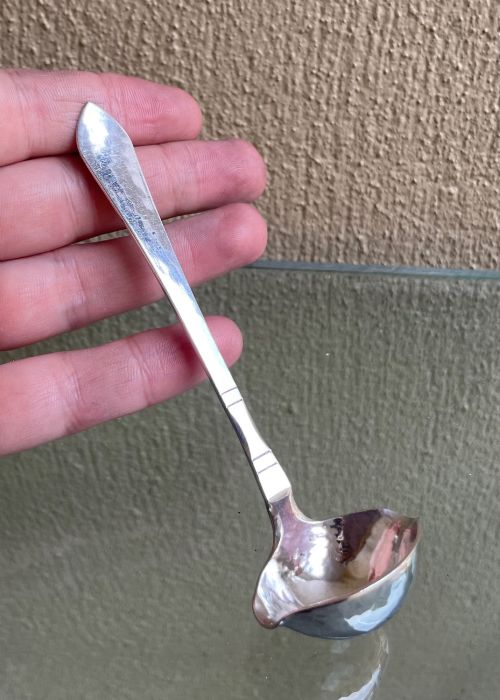
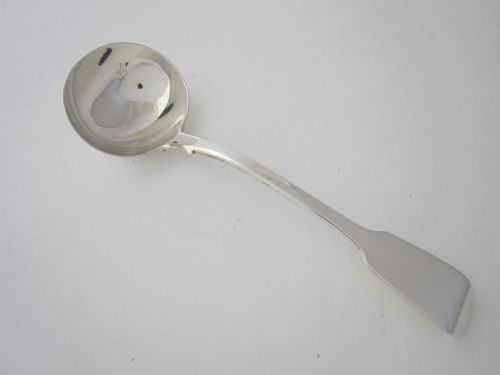
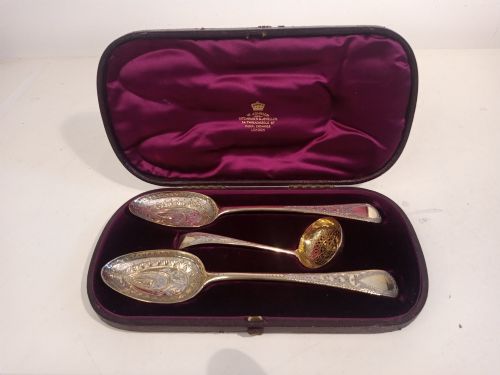
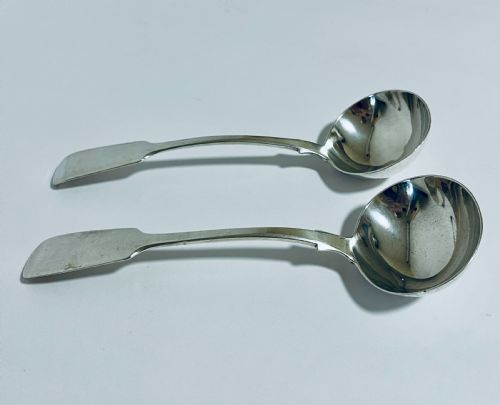
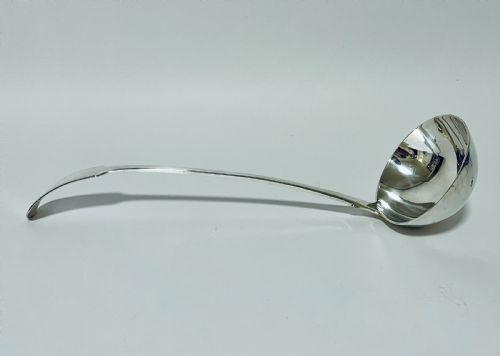
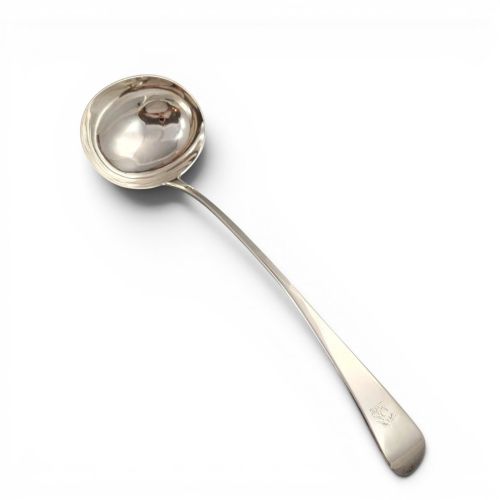
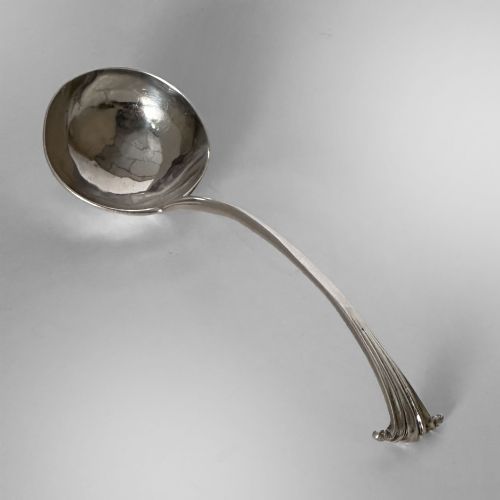
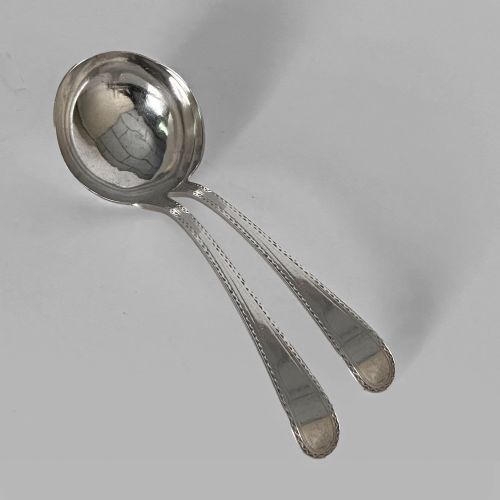
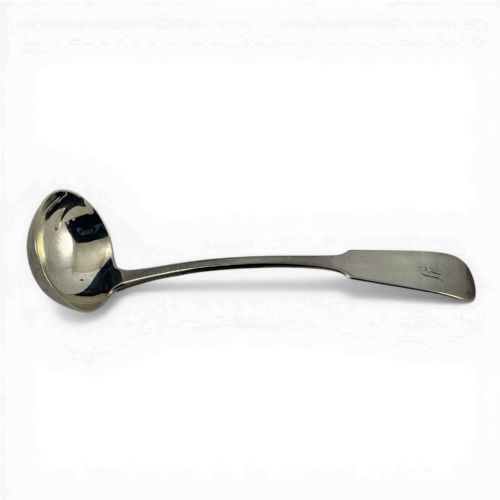
When searching for an antique sterling ladle, collectors encounter diverse forms including large soup ladles, smaller sauce and gravy ladles, toddy ladles, and sifter spoons. These utensils emerge from Georgian, Victorian, and later periods, reflecting the shifting dining customs of British, Irish, Scottish provincial, and international makers.
Materials and Technique
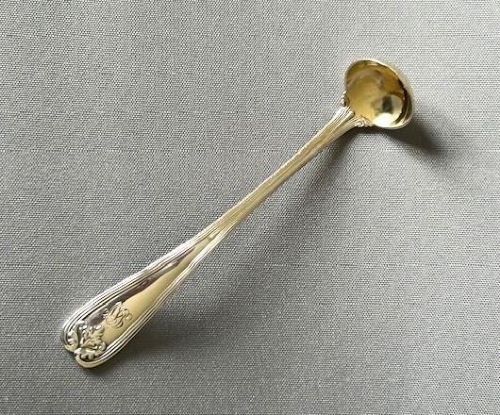
Makers shaped these pieces primarily from sterling silver and silver gilt, frequently employing techniques such as hammering, casting, and piercing. Some domestic and punch variants incorporate turned wood handles, horn inserts, or delicate silver-gilt bowls designed to resist acidic liquids.
Patterned stems rely on struck dies for crisp motifs like Old English, Fiddle, King's, and Queen's patterns, while handcrafted punch ladles feature twisted whalebone or wooden shafts secured via silver mounts.
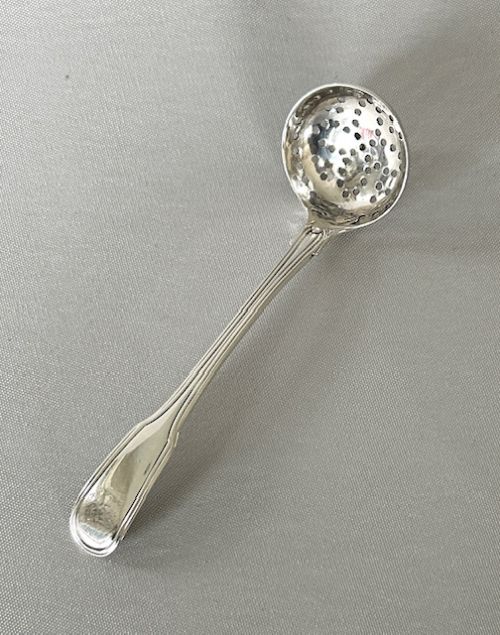
Object forms span large soup servers, gravy ladles, toddy variants, and pierced sugar sifters.
Evaluating Craftsmanship
Quality rests in the gauge of the silver, the crispness of maker's marks, and the integrity of any engraved family crests. Heavier gauge metal resists bending at the neck junction where leverage applies the most strain during daily service.
Superior examples retain clear assay stamps, unpolished hallmarks, and balanced proportions between the bowl and handle. Hand-engraved crests and pierced decoration executed with sharp precision elevate a piece above standard factory production.
Hester Bateman·Georg Jensen·Tiffany and Co·Mary Chawner·John McDonald
The Antique Sterling Ladle Glossary
- Sterling silver
- A silver alloy containing 92.5 percent pure silver and 7.5 percent other metals, usually copper, to add durability. This standard forms the baseline for the vast majority of antique ladles.
- Silver gilt
- Silver that has been coated with a thin layer of gold on its surface, often used for the interior bowls of punch or berry ladles to prevent corrosion from fruit acids.
- Toddy ladle
- A small drinking utensil featuring a bowl and a long handle, frequently made with twisted whalebone or wood, used for serving hot mixed spirits during the eighteenth and nineteenth centuries.
- Sifter spoon
- A specialised spoon with a pierced or perforated bowl designed for dusting sugar over food or skimming solids from liquids.
- Provincial mark
- A regional hallmark stamped by silversmiths working outside major assay towns like London, highly valued for its local rarity.
Antique Sterling Ladle: Frequently Asked Questions
How do I use an antique ladle today?
These pieces transfer readily to modern dining tables for serving sauces, gravies, punch, and soups. Their durable construction makes them suitable for regular use alongside contemporary tableware.
Care requires hand washing with mild soap and warm water rather than placing them in an automatic dishwasher. Regular soft cloth drying preserves the original surface finish without abrasive polishing.
What is the difference between a soup and sauce ladle?
Soup ladles feature significantly larger bowl capacities and longer handles designed for deep tureens and communal serving bowls. Sauce and gravy ladles scale down the proportions to suit smaller gravy boats and cream jugs.
Both forms share similar handle patterns within matching flatware services, allowing collectors to assemble cohesive dining sets across different sizes.
How do I read silver hallmarks?
British and Irish silver hallmarks typically include a maker's mark, a standard mark indicating sterling purity, a town mark showing the assay office, and a date letter. Together these stamps establish the exact year and place of manufacture.
Provincial Scottish and Irish pieces often display unique maker initials combined with local town symbols rather than standard London Leopard heads.
Why do some toddy ladles have wooden handles?
Wooden or twisted whalebone handles prevented heat transfer from hot punch bowls to the user's hand during service. The organic material contrasted with the silver bowl while offering a comfortable, insulated grip.
These mixed media handles require careful handling to keep the wood from drying out or loosening from the silver collar over time.