



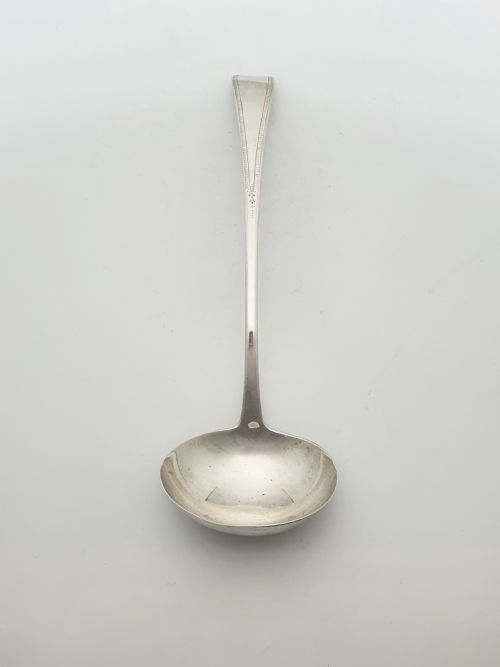


Georgian Punch Spoon
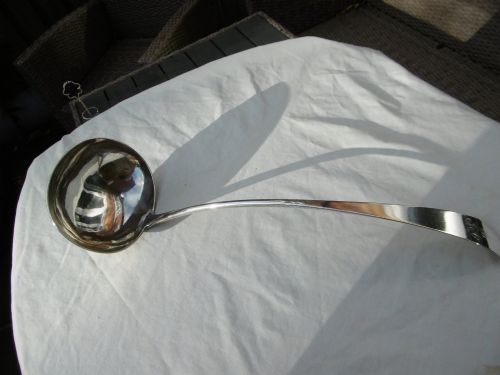
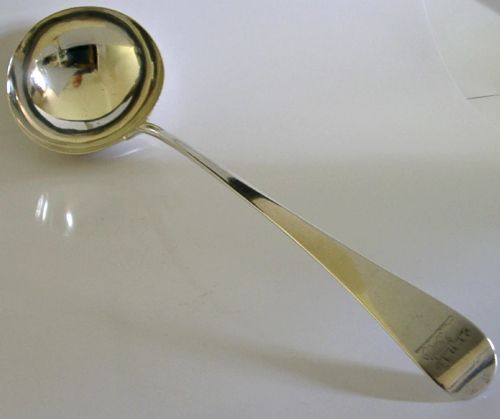
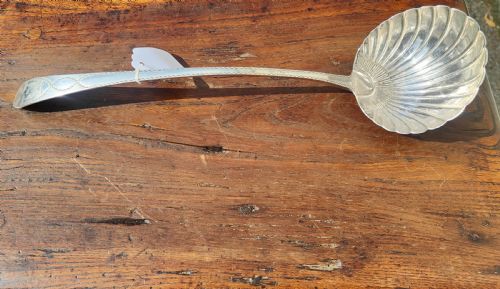
These georgian punch spoon items are traditional serving pieces created to dispense spirited drinks at the table, offering a tangible link to eighteenth-century hospitality.
Georgian Punch Spoon
When you search for a georgian punch spoon, you are looking at serving utensils, ladles, and toddy ladles originating from the Georgian and Victorian periods, often spanning the eighteenth and nineteenth centuries. These pieces were designed for communal bowl service and household dining, serving drinks like punch or toddy.
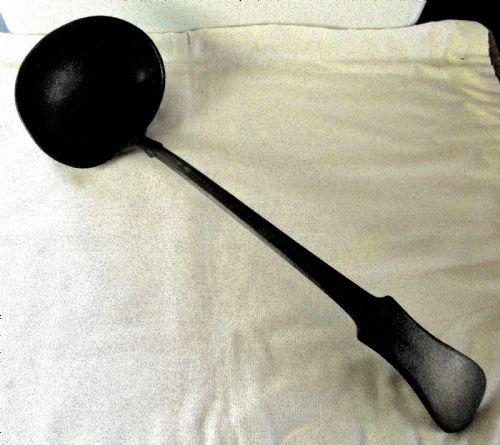
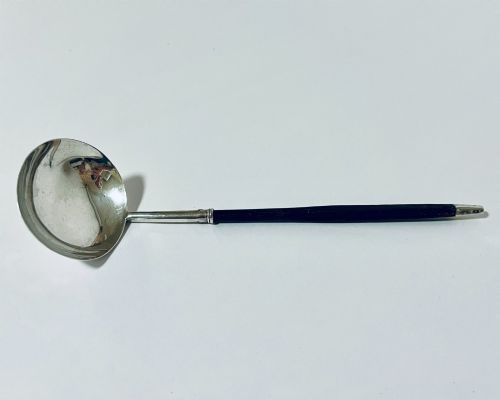
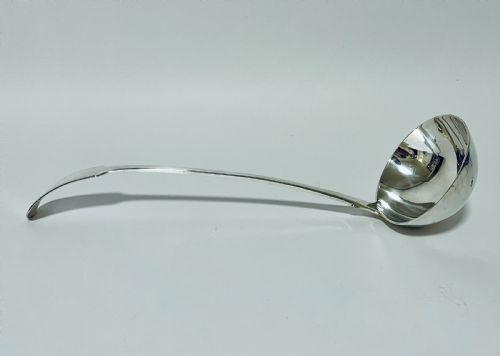
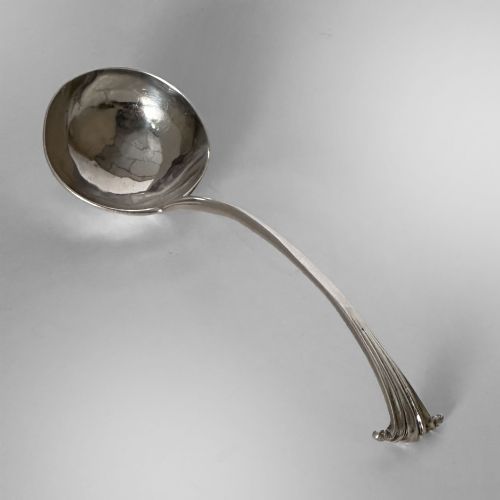
The version you are most likely to meet on this page is a sterling silver or silver ladle, frequently associated with the Georgian era, alongside occasional pewter and coquilla nut variations. Forms range from Scottish provincial examples to heavy soup ladles and long serving spoons.
Materials and methods
Makers utilised sterling silver and silver as the primary metals, shaping them into bowls and handles through traditional silversmithing techniques, while alternative items incorporated pewter, wood, horn, and coquilla nut.
Many of these utensils display hallmarks, crests, and engraved details that indicate their origin, such as London, Irish, Scottish provincial, or Glasgow marks.
Some toddy ladles feature twisted handles made of whalebone, designed to keep the warmth of the punch away from the pourer's fingers.
Distinctions in quality
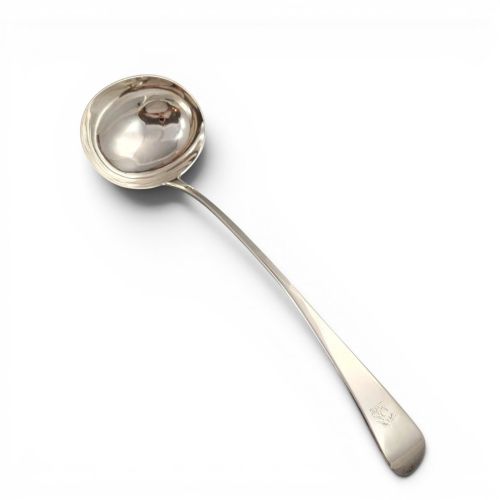
The distinction between standard examples and exceptional pieces rests upon the weight of the metal, the clarity of the town and maker marks, and the presence of period crests or specific patterns like Old English.
Execution of the handle and bowl assembly, along with the reputation of identified makers or regional provincial origins, elevates the standing of an individual piece.
Milne and Campbell·Hester Bateman·Dixon and Son·Michael Smith·BCN
The Georgian Punch Spoon Glossary
- Toddy ladle
- A small ladle used for serving hot mixed drinks containing spirits, water, sugar, and spices. These often feature twisted whalebone, horn, or wooden handles.
- Sterling silver
- A silver alloy containing 92.5 percent silver by mass, forming the predominant material for higher-end Georgian tableware. It provides durability for daily use.
- Provincial mark
- A stamp applied by silversmiths working outside the capital city, indicating regional assay offices or maker guilds in places like Scotland or Ireland.
- Hallmark
- A series of official marks stamped on precious metals, showing the standard of purity, the assay office, and the date letter for the year of manufacture.
- Old English pattern
- A traditional flatware design characterised by a rounded end curving downwards and a slight ridge down the middle of the stem.
Georgian Punch Spoon: Frequently Asked Questions
What is a georgian punch spoon used for?
These utensils served to ladle punch or toddy from a central bowl into individual drinking vessels during social gatherings. They helped hosts distribute mixed alcoholic drinks evenly.
Over time, many of these ladles transitioned into general dining roles, serving soups or sauces at the family table.
How do I identify a Georgian ladle?
Look for official hallmarks stamped on the metal, which often include date letters, town marks, and maker initials corresponding to the eighteenth or early nineteenth century.
Stylistic cues such as crested engraving, threaded borders, and specific handle profiles also point toward the Georgian period.
Are these ladles made only from silver?
While sterling silver and standard silver dominate the selection, examples in pewter, horn, wood, and coquilla nut appear frequently.
Some pieces combine organic materials for the handle with a metal bowl to prevent heat transfer.
How should I care for antique silver ladles?
Gentle washing with warm water and mild soap removes daily residues without harming the metal. Avoid harsh abrasives that can wear away engravings or hallmarks.
Proper storage in a dry environment prevents excessive tarnish accumulation over time.