


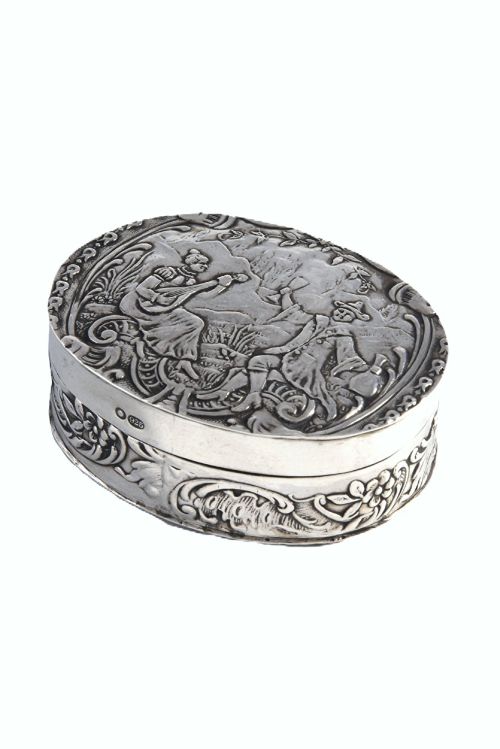
Antique Sterling Container
When you search for an antique sterling container, you enter a diverse field of small silver boxes, caddies and cases forged across Georgian, Victorian and Edwardian periods.
Antique Sterling Container
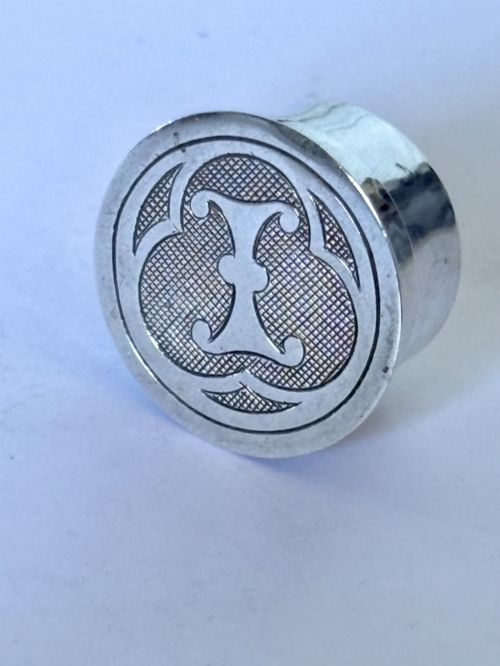
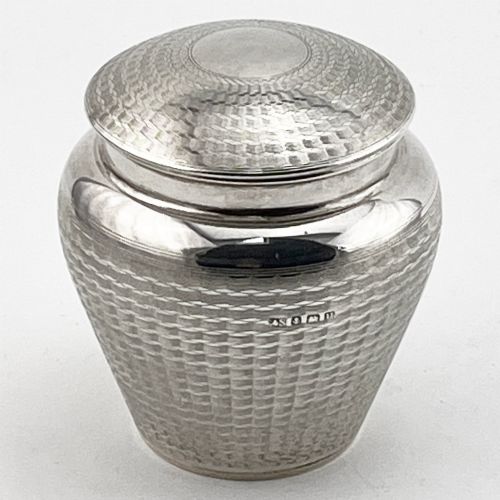
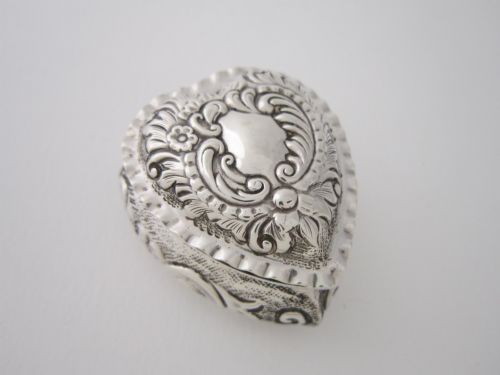
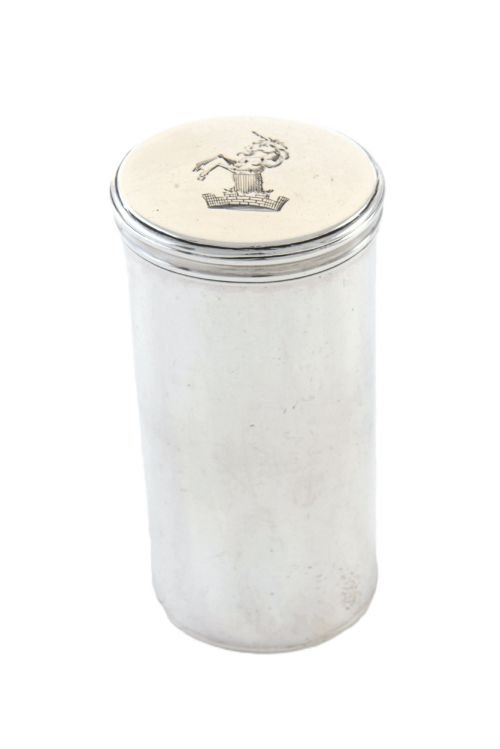
An antique sterling container encompasses a wide variety of small, functional silver receptacles designed to hold tea, snuff, pills, stamps, matches and trinkets. These pieces survive in forms ranging from heavy Georgian tea caddies and Victorian snuff boxes to Edwardian dressing table boxes and vesta cases.
The selection on this page leans heavily toward the Victorian and Edwardian eras, alongside Georgian and mid-century examples. You will frequently encounter tea caddies, snuff boxes, trinket boxes and vesta cases shaped as drums, hearts, knife boxes or novelty animals.
How they were made
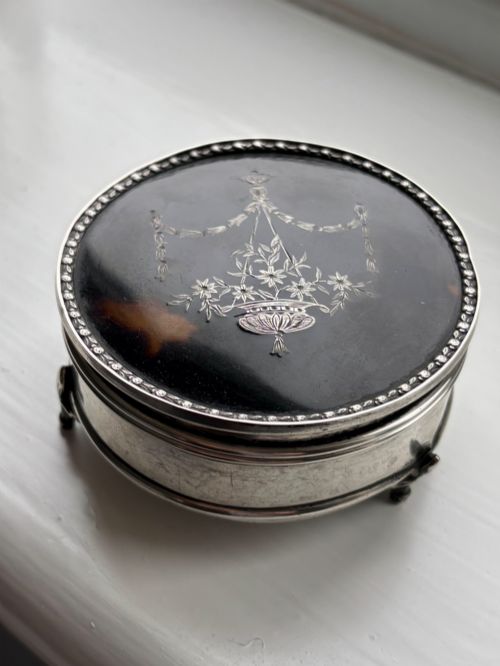
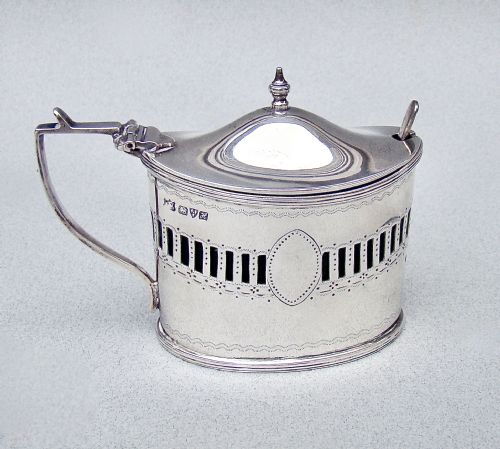
Silversmiths constructed these containers primarily from solid sterling silver and silver gilt, often combining the metal with cobalt glass, mother of pearl, garnet and faux tortoiseshell. Makers employed techniques such as piercing, casting, chasing and hand-painting to ornament the surfaces of tea caddies, condiment pots and pill boxes.
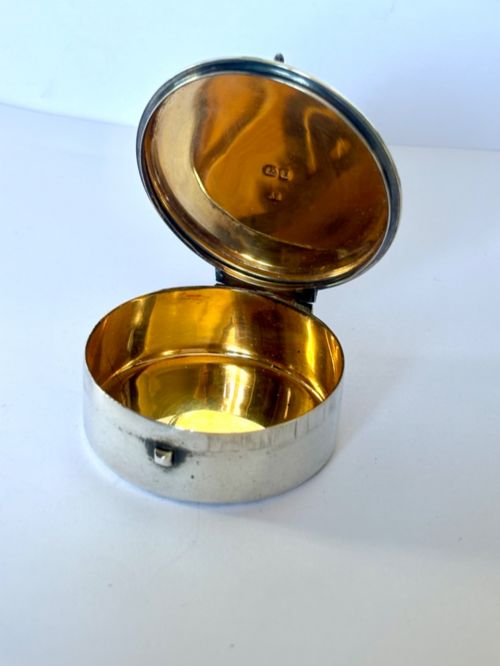
Makers utilised structural reinforcements like wooden cores for bridge playing cards boxes, while inner gilt layers protected silver pyx boxes and snuff boxes from the corrosive nature of their contents.
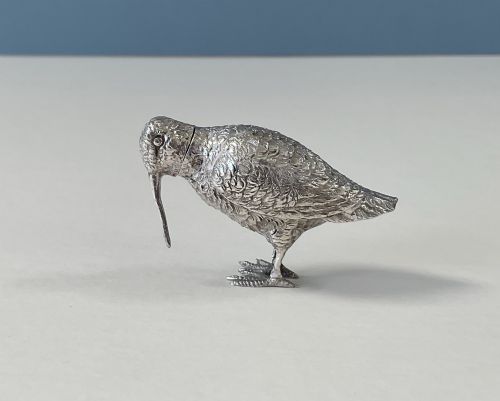
Among the silver menagerie, a small metallic snipe waits quietly in its box.
What varies in quality
Quality in an antique sterling container depends on the crispness of the hand-chased detail, the weight of the silver, and the structural integrity of hinges and lids. Pieces by notable silversmiths exhibit finer articulation in cast elements, such as novelty bird motifs or picture castle top scenes, compared to simpler utilitarian boxes.
The incorporation of contrasting materials like mother of pearl or faux tortoiseshell, alongside intact silver gilt interiors, distinguishes finer dressing table and pill boxes from standard production.
Aaron Lufkin Dennison·Ollivant & Botsford·Alfred Marston·EV Pledge & Son·F Osbourne & Co·Burns Oats & Washbourne·FA Barrett·Robert Chandler·Robert Hennell·Zimmermann·Levi & Salaman·Thomas Hayes·Nathan & Hayes·Paul Storr·Sampson Mordan·Robert Thornton
The Antique Sterling Container Glossary
- Sterling silver
- A silver alloy containing 92.5 percent pure silver and 7.5 percent other metals, usually copper, chosen for durability in domestic wares.
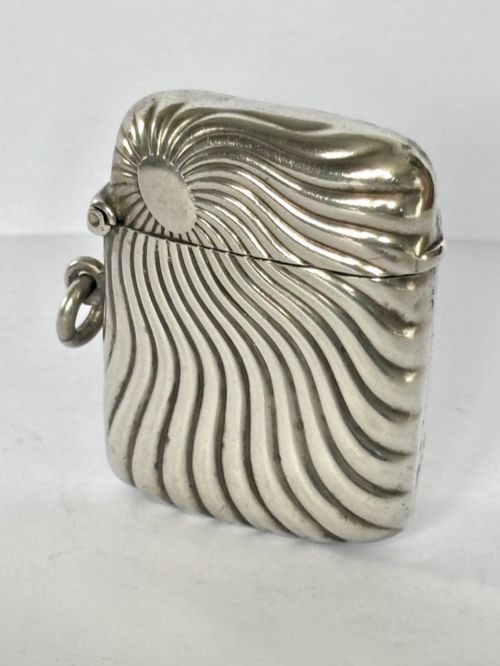
- Vesta case
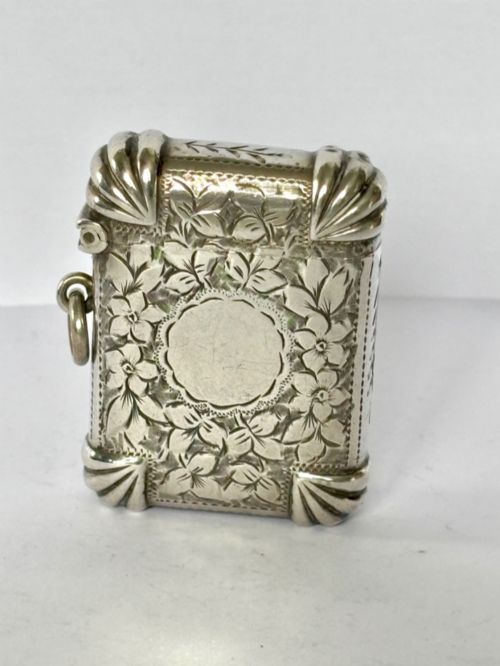
- A small pocket box fitted with a striking surface, designed to hold matches safely.
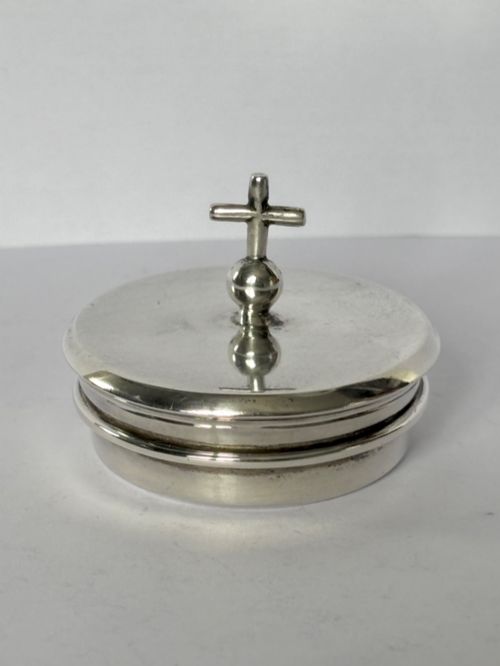
- Pyx box
- A small round container used in ecclesiastical contexts to carry the Eucharistic host.
- Tea caddy
- A box or jar manufactured to store dry tea leaves securely before brewing.
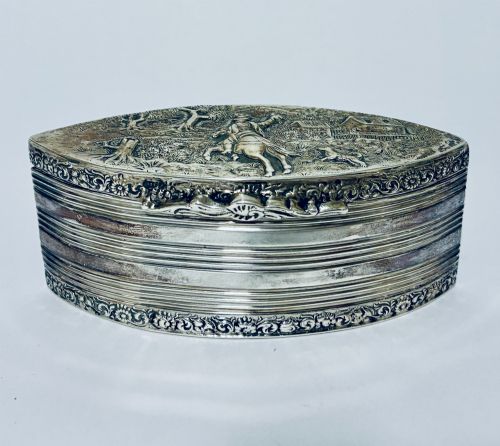
- Castle top
- A box lid decorated with a detailed repoussé or engraved view of a specific architectural landmark.
Antique Sterling Container: Frequently Asked Questions
How do I identify a Victorian tea caddy?
Victorian examples typically display hallmarks indicating Birmingham or London assay offices, along with date letters spanning the nineteenth century.
They often feature decorative motifs like bombe shaping, fluting, or piercing, differing from the simpler lines of later mid-century containers.
Can I use an antique pill box daily?
These small silver items suit modern pocket or handbag use for carrying small items securely.
Ensure the hinge and clasp mechanism operates smoothly before trusting the container to remain closed in daily transit.
What is the difference between a vesta case and a sovereign case?
A vesta case houses matches and incorporates a serrated edge on the exterior for striking them.
A sovereign case is a circular spring-loaded holder specifically proportioned to store gold sovereign coins.