













Antique Stem Glass
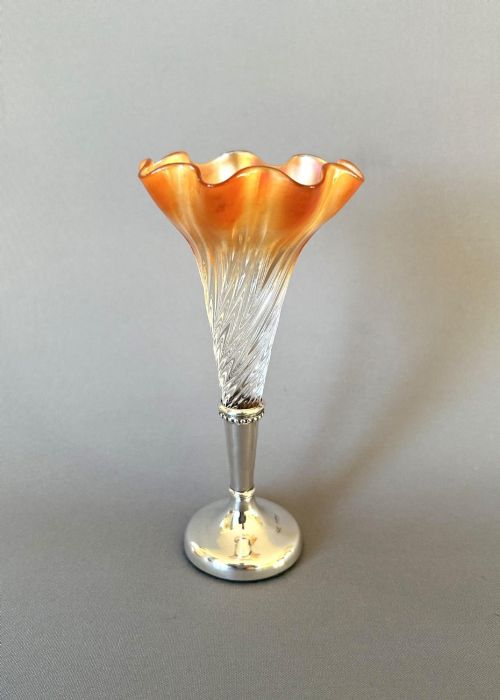
These antique stem glass pieces include Georgian balusters and Victorian flutes designed to hold wine, ale, and champagne.
Antique Stem Glass
An antique stem glass collection brings together drinking vessels spanning from the seventeenth century through the Victorian era and the early twentieth century. Buyers seeking this phrase encounter wine glasses, ale glasses, gin glasses, rummers, and champagne flutes shaped with distinct historical forms.
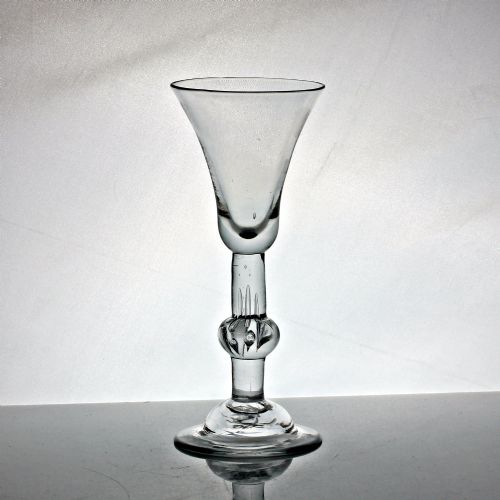
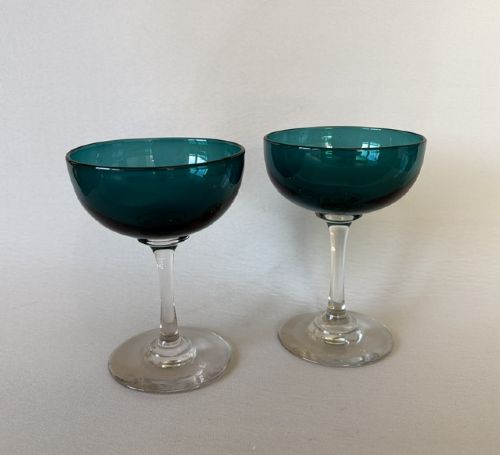
The eighteenth-century examples form a prominent part of the selection, featuring baluster, plain, and twisted stems supporting bell, ogee, or trumpet bowls. Later nineteenth-century items introduce coloured glass, cut patterns, and hollow stems suited for sparkling wines.
How they were made
Glassmakers utilised lead glass, lead crystal, clear glass, and flint glass to form these vessels, shaping the bowls while drawing or applying the stems separately. Many pieces incorporate interior air bubbles, known as air tears, trapped within the stem during shaping.
Decoration involved engraving, star-etching, enamelling, gilding, and the addition of gold leaf. Twists within the stems were created using opaque or clear rods spun and drawn inside the glass matrix.
Antique Stem Glass Retail Price Guide 2026
Typical asking prices for stem glass among the pieces listed under this phrase on Sellingantiques today, from the lower quarter to the upper quarter. They describe what is for sale here now, not the wider market.
Listings feature lead glass, flint glass, enamel, and gold leaf applied across eighteenth-century and Victorian drinking vessels.
What varies in quality
The distinction between standard vessels and superior examples rests on the complexity of the stem construction and the crispness of the bowl engraving. Mixed twists, balustroid profiles, and detailed hop and barley motifs indicate higher craftsmanship.
Proportion and weight also dictate quality, where heavy lead crystal metal and balanced foot folds demonstrate superior workshop execution.
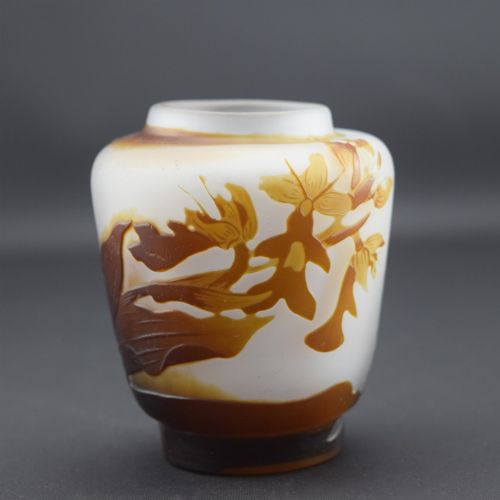
Galle·Baccarat·Moser·Thereisenthal
The Antique Stem Glass Glossary
- Baluster
- A heavy, thick stem shape seen on eighteenth-century drinking vessels, often featuring knops and swelling profiles. It draws inspiration from architectural supports of the period.
- Air twist
- A spiral thread of air enclosed inside a clear glass stem, formed by drawing bubbles through the molten metal. This technique creates a delicate optical effect.
- Opaque twist
- A stem containing white or coloured enamel rods twisted into a spiral pattern inside clear glass. These became popular in English drinking vessels after the mid-eighteenth century.
- Folded foot
- A base edge turned underneath to create a thickened rim, providing extra strength to the foot of an eighteenth-century glass. This detail helps prevent chipping during daily use.
- Rummer
- A short, sturdy goblet used for wine, ale, or punch during the Georgian and Victorian periods. They typically feature heavy bowls on short stems and wide feet.
Antique Stem Glass: Frequently Asked Questions
What is an antique stem glass?
An antique stem glass is a drinking vessel featuring an elevated foot, a stem, and a bowl, produced during past centuries. These items range from eighteenth-century lead glass wine vessels to Victorian champagne flutes.
Collectors prize them for their historical manufacturing methods and varied stem formations, including air twists and opaque twists.
How do I use them?
These historical glasses serve for special dining occasions or display within cabinets. Their delicate lead glass and engraved bowls require gentle hand washing rather than automated dishwashers.
Using them carefully allows you to experience historical drinking forms directly, matching the original intent of the makers.
How do I identify Georgian stem glass?
Georgian stem glasses typically show heavy lead glass construction with baluster, plain, or twisted stems supporting trumpet or bell bowls. Many feature folded feet and hand-engraved motifs such as hops and barley.
Examining the metal under magnification often reveals tiny internal air bubbles and wear marks on the underside of the base.
What is a double series twist?
A double series twist refers to an interior stem decoration combining two distinct sets of threads, such as an opaque white spiral paired with a fine air thread. Glassmakers achieved this by layering different twists during the drawing process.
This intricate technique creates a complex lace-like pattern visible through the clear glass stem.