


Antique Steel Curb
These antique steel curb pieces are sturdy hearth boundaries designed to protect flooring from stray embers, bringing functional Georgian and Victorian weight to your fireplace.
Antique Steel Curb
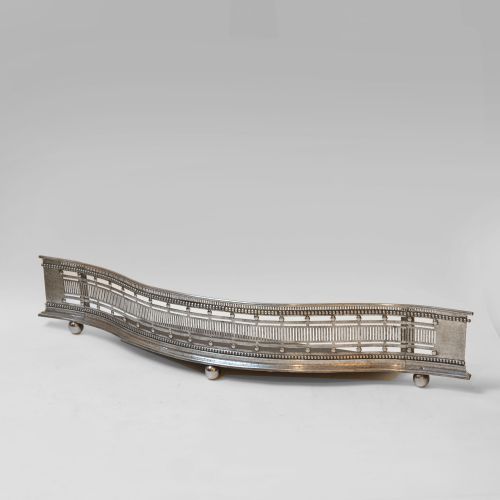
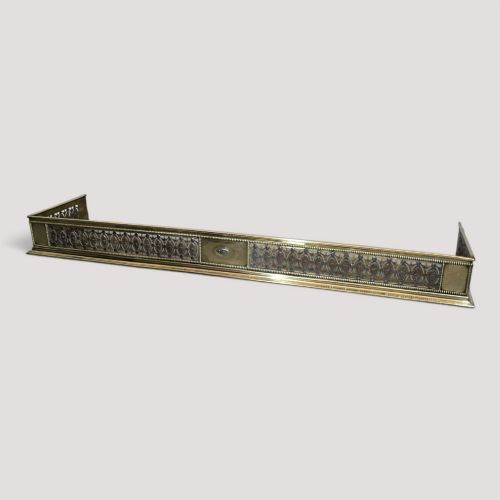
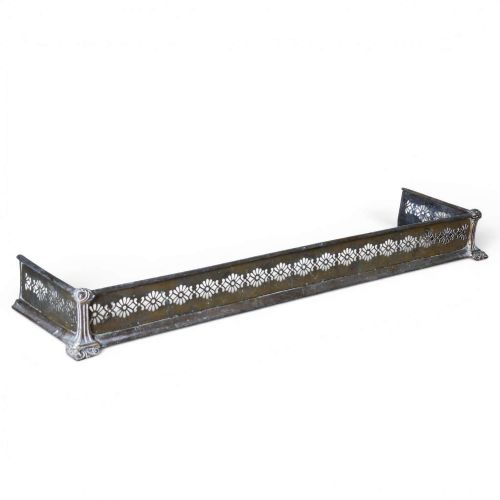
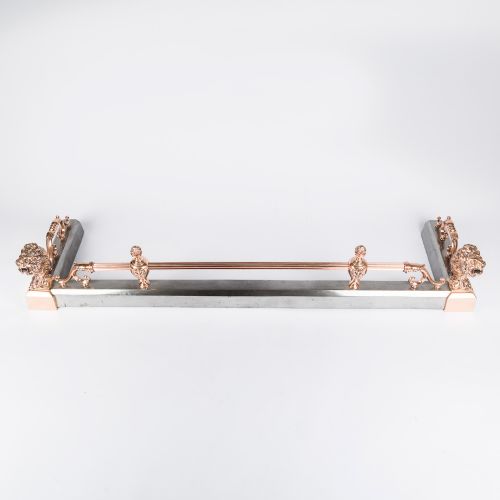
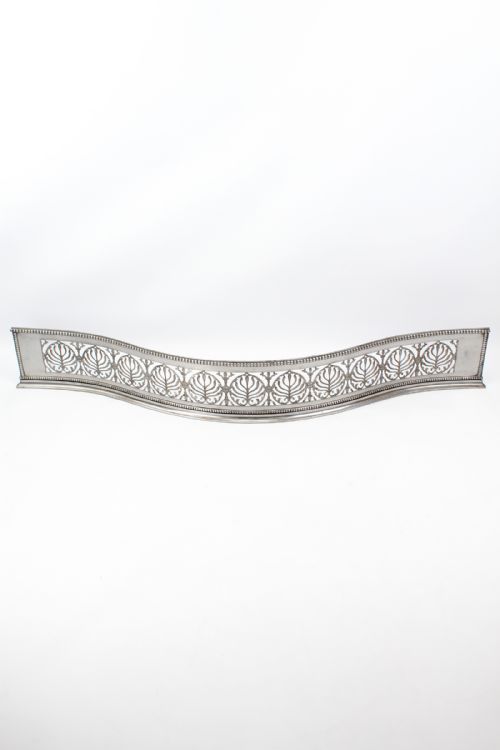
When you search for an antique steel curb, you are looking at heavy metal fireplace fenders and hearth guards designed to contain ash and protect the room. The version you are most likely to meet on this page is a Georgian or Victorian steel fender, frequently paired with brass details, pierced decorations, or a bowfront shape.
The evidence shows these hearth boundaries span several centuries, with forms ranging from simple iron and steel rails to large serpentine fire fenders. Examples appear from the Georgian, Victorian, and Edwardian periods, alongside a pocket watch entry.
Makers and designers worked within classical styles, producing curved serpentine fronts, bowfronts, and engraved surfaces. These hearth accessories served both a practical containment role and an ornamental function in period drawing rooms.
Materials and construction
The listings record construction primarily in steel, polished steel, and iron, frequently combined with brass elements, copper, and cut steel ornamentation. Black finishes and pierced sheet metal appear alongside cast iron components and bronze details.
Smiths shaped these metals through forging, piercing, and engraving, creating decorative friezes of flowers, dragons, or lions. Brass mounts and fire irons completed the metalwork assembly for hearth use.
Assessing quality in metalwork
Quality in these hearth fenders rests upon the depth of hand engraving, the crispness of pierced decorative brass and steel work, and the integrity of the metal structure. Superior examples display fine serpentine shaping and robust gauge metal rather than thin pressed plates.
The handling of mixed metals also distinguishes the work, where brass appliques or lions are securely integrated into the polished steel body. Original patination and substantial weight separate the finer decorative pieces from utilitarian ironguards.
The Antique Steel Curb Glossary
- Curb
- A low metal barrier or fender placed around the hearth to keep burning coals and ash from spilling onto the floor.
- Serpentine
- A curved shape featuring a convex centre flanked by concave curves, commonly seen on Georgian fire fenders.
- Pierced
- Metalwork perforated with decorative holes or patterns, frequently utilised on Victorian and Georgian fireplace fenders.
- Bowfront
- A curved frontal profile that arches outward into the room, appearing on several Georgian steel examples.
- Cut Steel
- Faceted small steel studs riveted to a backing plate to catch the firelight, seen on brass and steel fenders.
Antique Steel Curb: Frequently Asked Questions
What is an antique steel curb used for?
These metal barriers sit on the hearth directly in front of the fireplace opening. Their primary purpose is to stop rolling logs and hot embers from damaging carpets or wooden floorboards.
Beyond safety, they frame the fireplace arrangement and often incorporate rests for matching fire irons.
How do I date a steel hearth fender?
Dating relies on stylistic clues such as the silhouette and decorative motifs. Georgian pieces frequently display graceful serpentine or bowfront shapes with pierced detailing, while later Victorian versions often combine black finishes with brass mounts.
Construction methods also shift from hand-forged iron and polished steel toward mass-produced components in the later nineteenth century.
Are brass and steel mixed on these pieces?
Many examples combine a steel or iron body with brass mouldings, feet, or decorative appliques. This dual-metal approach provides visual contrast between the dark or polished steel and the warm golden tone of the brass.
Such combinations occur across both Georgian and Victorian listings on this page.
How do I clean an antique steel curb?
Careful dusting and gentle removal of surface soot are usually sufficient for maintaining these metal objects. Avoid harsh abrasive compounds that can strip historic patination or damage polished steel surfaces.
Preserving the natural age of the iron and steel ensures the piece retains its historical character.