
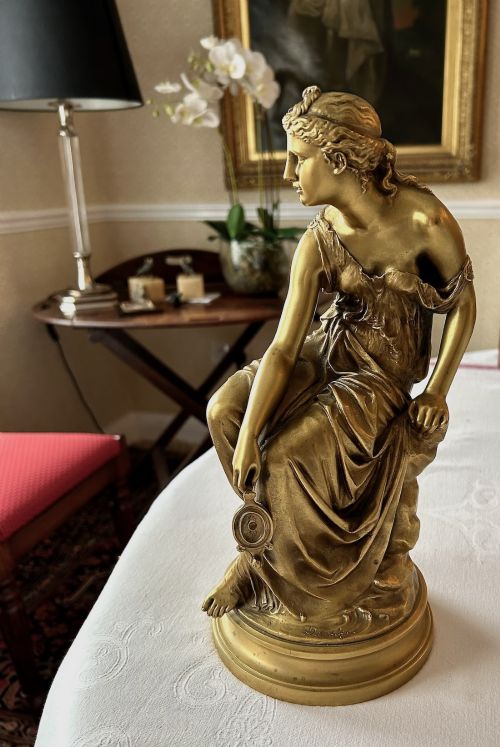
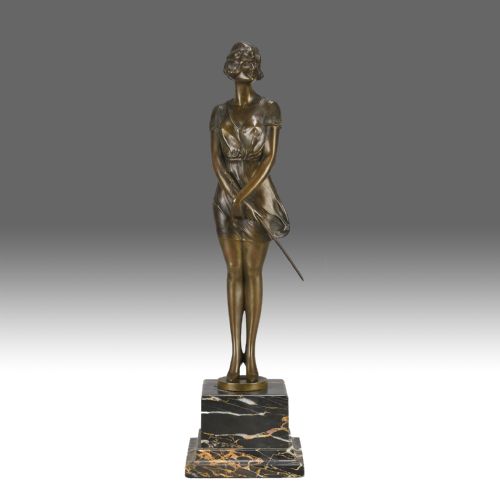
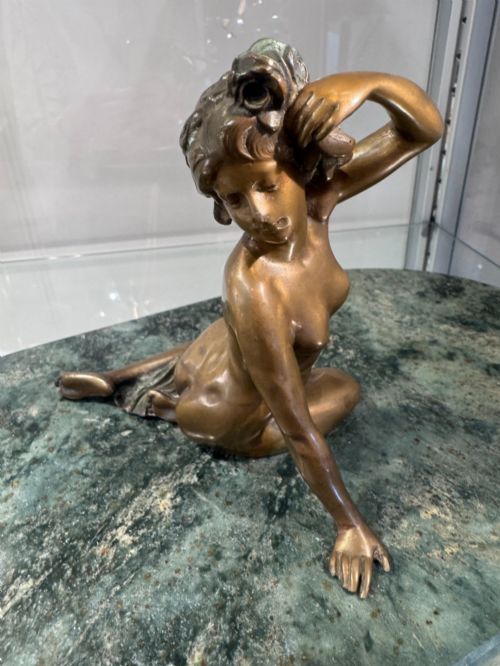
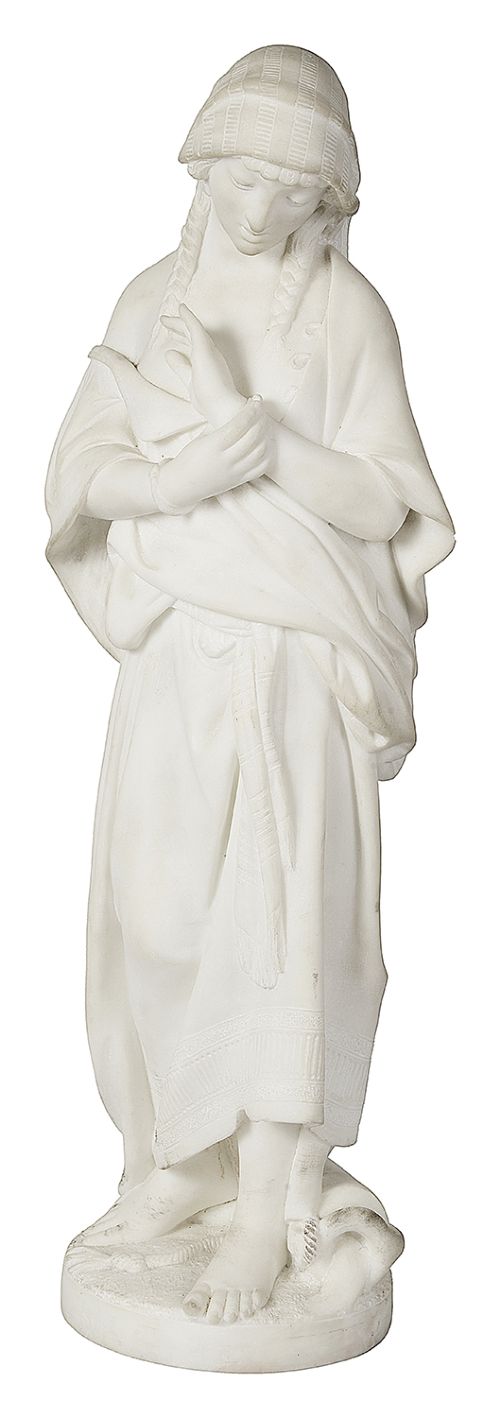

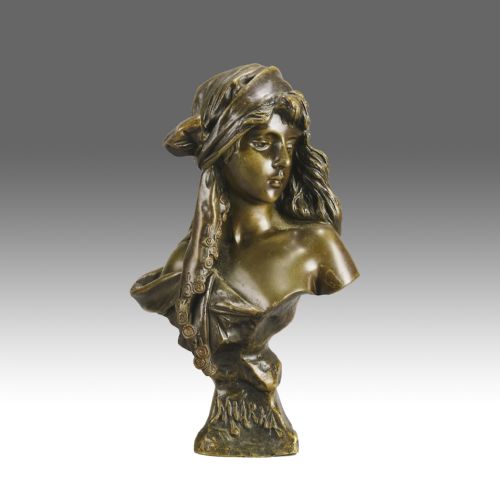
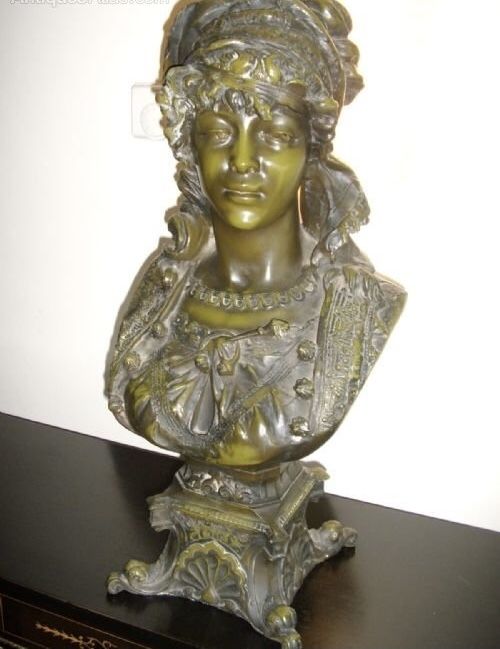
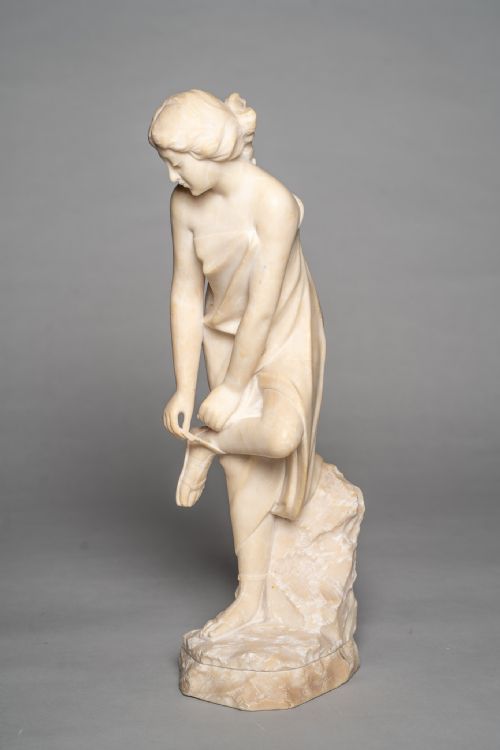
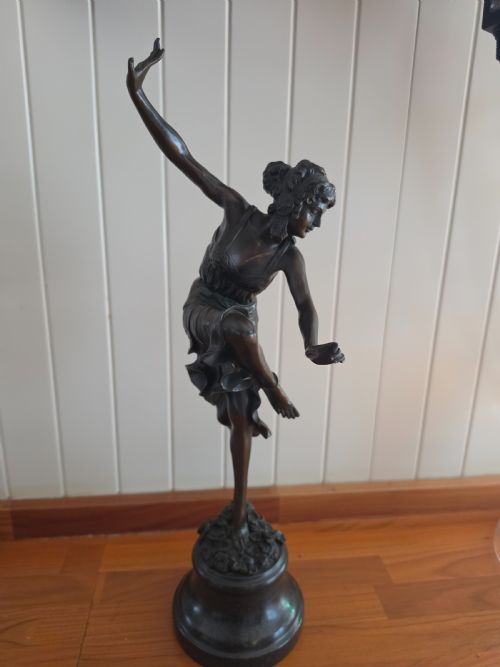
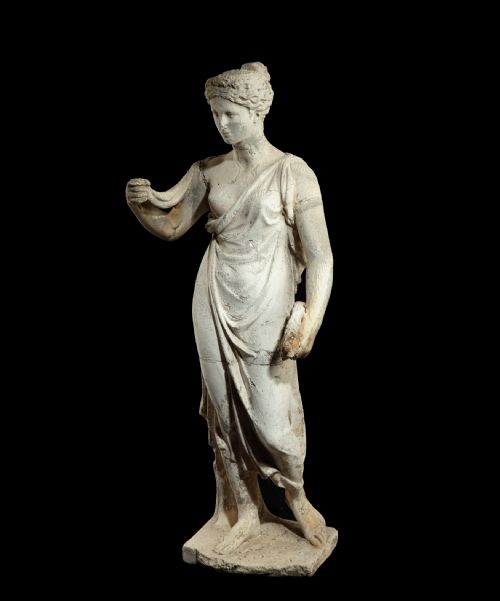
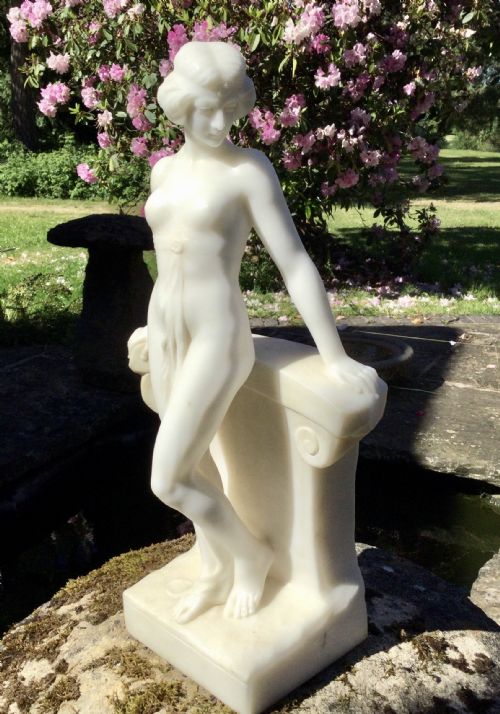
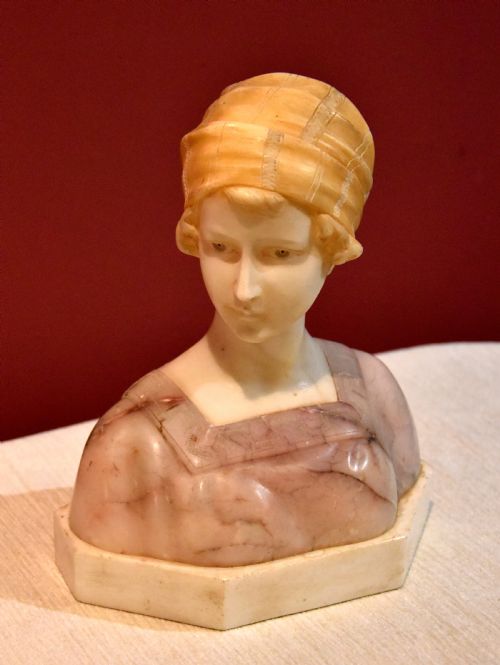
Antique Statue of Maiden
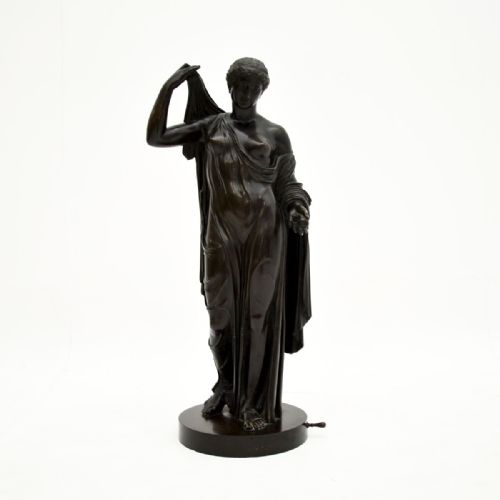
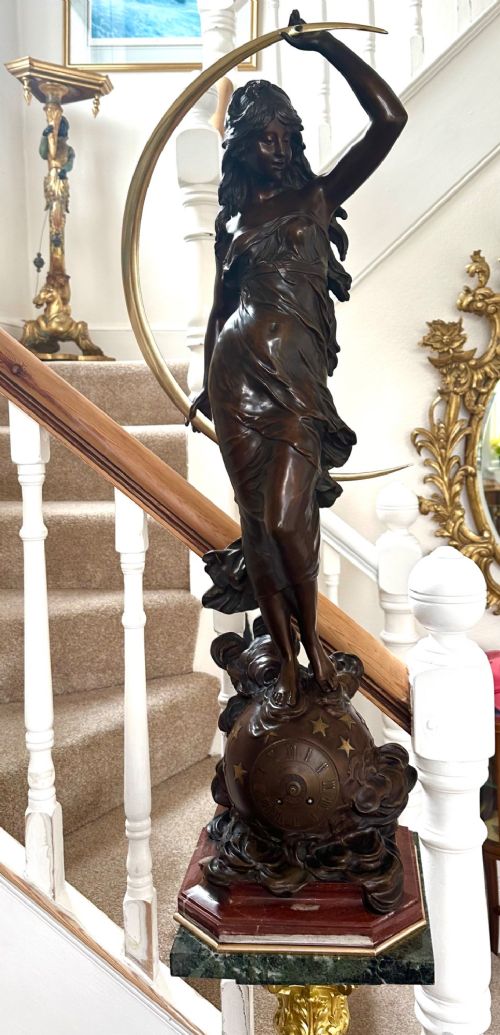
An antique statue of maiden captures classical grace in bronze, marble, and porcelain across the nineteenth and early twentieth centuries.
Antique Statue of Maiden
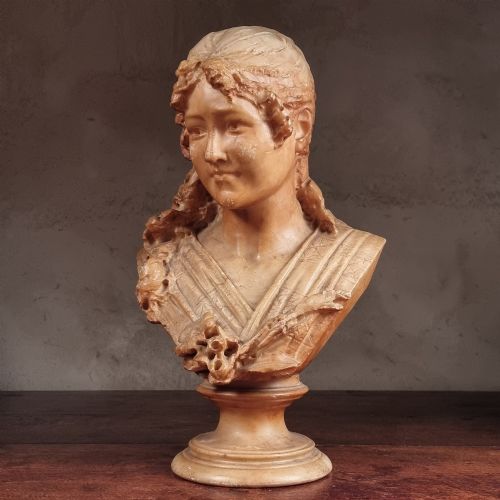
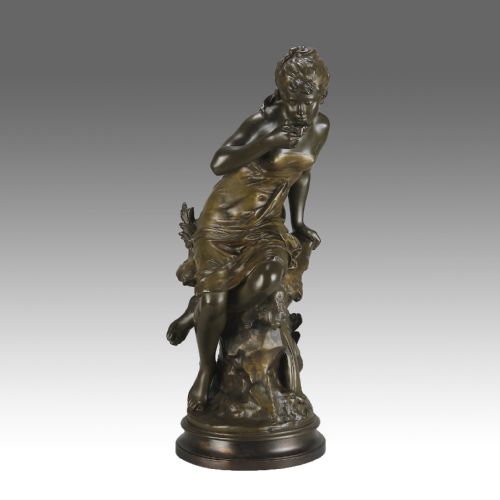
An antique statue of maiden brings neoclassical elegance and organic art nouveau lines into a room, taking the form of freestanding sculptures, busts, and figurines. Collectors encounter depictions of mythological figures, allegorical subjects, and dancers rendered with classical drapery.
The pieces span the Victorian period through the art deco era, originating largely from French and Italian foundries and studios. Makers utilised durable mediums to capture youthful femininity, ranging from monumental garden stone to cabinet-sized cabinet bronzes.
Materials and methods
Foundries cast metal figures using the lost-wax process, applying patinas that range from deep brown to gilt finishes. Sculptors carved stone pieces directly from blocks of white marble, veined verd de mer, and translucent alabaster.
Ceramic and porcelain works involved meticulous hand-painting and high-temperature firing, often incorporating enamel details. Terracotta and stucco forms relied on pressing clay or plaster into moulds before finishing details by hand.
Several figures hold tambourines, flower baskets, and doves, capturing quiet domestic moments alongside mythological drama.
Distinctions in craftsmanship
Signatures from recognised sculptors and foundry marks elevate a piece, alongside the integration of multi-media elements like marble bases paired with patinated metal. Superior specimens maintain intact patinas and unblemished carved surfaces without modern repairs.
Etienne-Henri Dumaige·Bruno Zach·Moreau Family·Mathurin Moreau·Emmanuel Villanis·Royal Dux Bohemia·Royal Worcester
The Antique Statue of Maiden Glossary
- Patinated bronze
- A metal sculpture treated with chemical solutions to produce a coloured surface finish. This layer protects the metal and defines the highlights of the casting.
- Alabaster
- A fine-grained mineral carved into translucent busts and figures. Its softness permits delicate facial detailing but makes the stone susceptible to scratching.
- Parian ware
- A fine white porcelain resembling carved marble, developed during the Victorian era. It takes its name from the Greek island of Paros.
- Neoclassical
- A style reviving classical Greek and Roman artistic forms, prevalent in nineteenth-century sculpture. Figures often wear traditional robes and adopt classical postures.
- Terracotta
- Fired unglazed clay used for sculptural studies and finished figures. The material ranges in tone from pale buff to deep reddish-brown.
Antique Statue of Maiden: Frequently Asked Questions
How do I clean marble statues?
Dust the surface regularly with a soft, dry cloth. Avoid water and chemical cleaners, which can penetrate porous stone and alter the finish.
For stubborn marks, consult a specialist conservator rather than attempting home remedies that might etch the polished surface.
Where were these statues made?
The majority originate from European workshops, with French and Italian foundries producing most of the bronze and marble figures. English potteries like Royal Worcester created porcelain equivalents.
Continental porcelain factories such as Meissen and Royal Dux also contributed significant figural works.
Are these pieces signed?
Many bronze and marble sculptures bear the signature of the artist cast directly into the metal or incised into the stone. Foundry stamps often accompany the artist's name.
Ceramic figures typically feature printed or impressed factory marks and model numbers on the base.
How do I date a bronze figure?
Examine the quality of the chasing, the type of patina, and any foundry cachets stamped on the base. Stylistic cues such as art nouveau curves or art deco geometry provide a reliable timeframe.
Comparing the signature format and casting technique with known dated works helps narrow the period of production.