



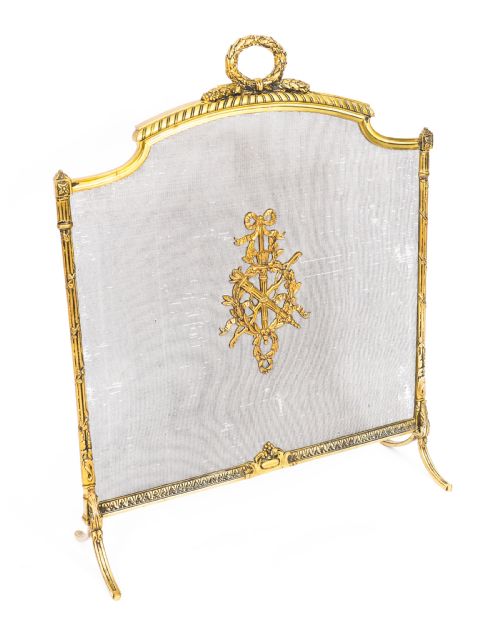


Antique Standing Screen
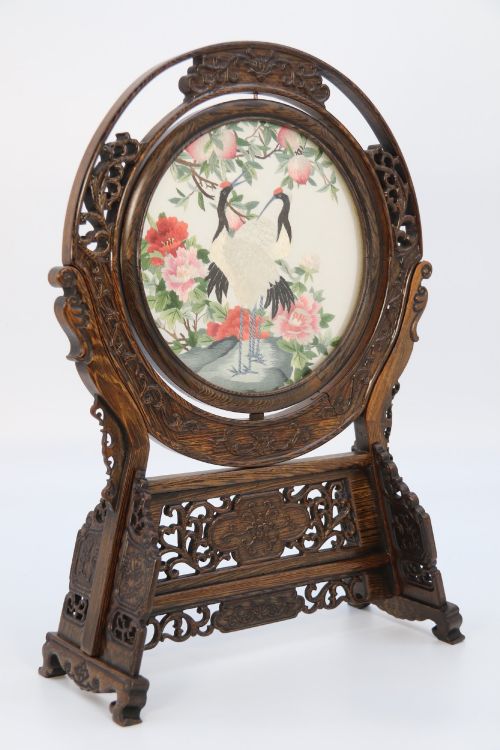
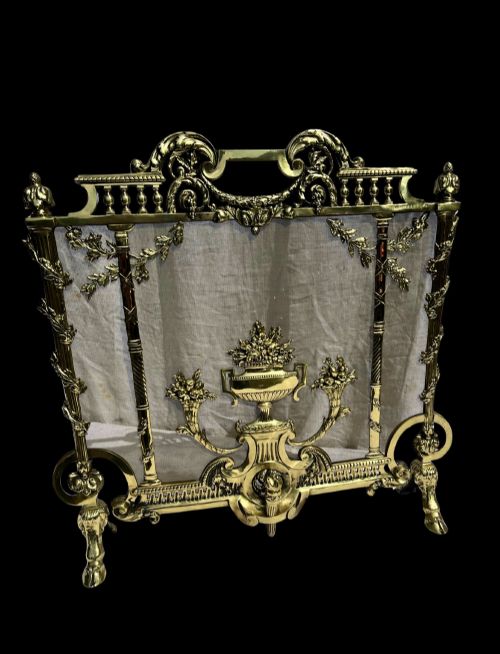
An antique standing screen keeps the hearth heat at bay while bringing needlework, brass and carved mahogany right into the room.
Antique Standing Screen
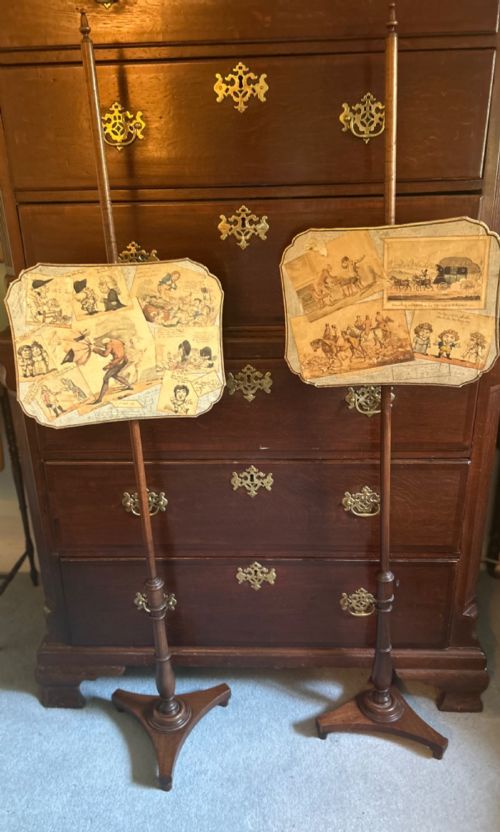
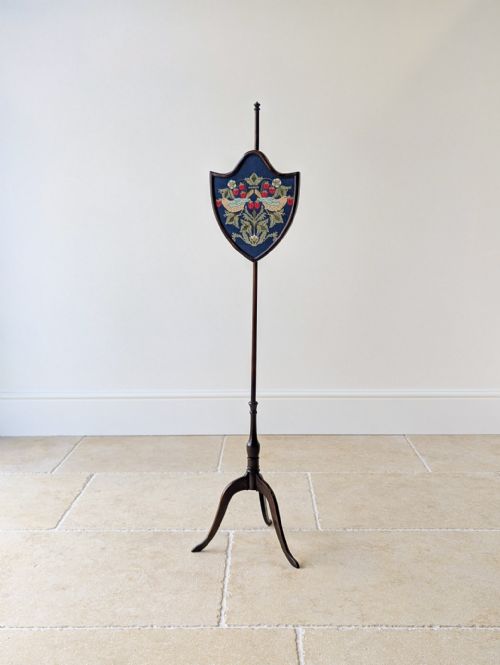
An antique standing screen is designed primarily to protect sitting occupants from the fierce heat of an open fire. The most common form on this page is the pole screen, featuring a vertically adjustable panel mounted on a tripod or pedestal base.
Makers produced these pieces across several distinct eras, spanning George III and Regency periods through to the heavy ornamentation of Victorian times. Alongside traditional British pole screens, buyers encounter folding panels and table versions from diverse origins.
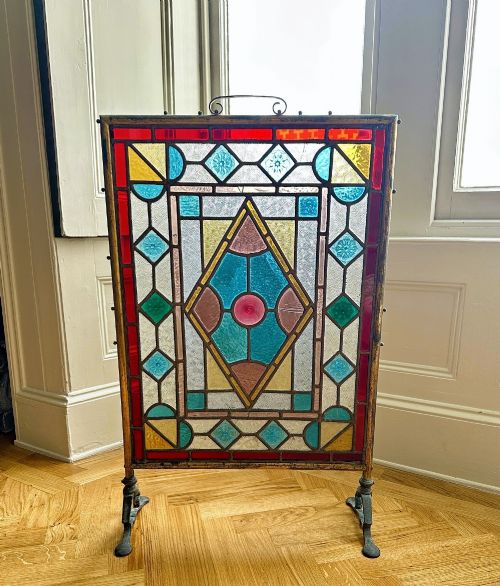
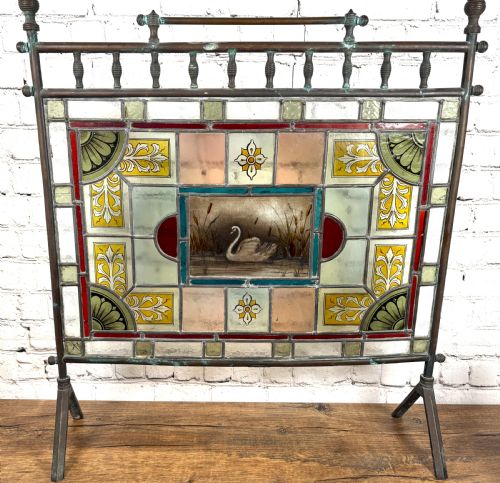
Workshops adapted these items for various domestic settings, ranging from simple floor-standing spark guards to elaborate screens incorporating embroidered panels or stained glass. Each variant served to block draughts or radiant heat in formal drawing rooms.
Materials and Technique
Cabinetmakers utilised rich timber species including mahogany, rosewood and walnut to turn slender pillars and carve sturdy tripod bases. These woods were often polished to a deep lustre to highlight natural grain patterns.
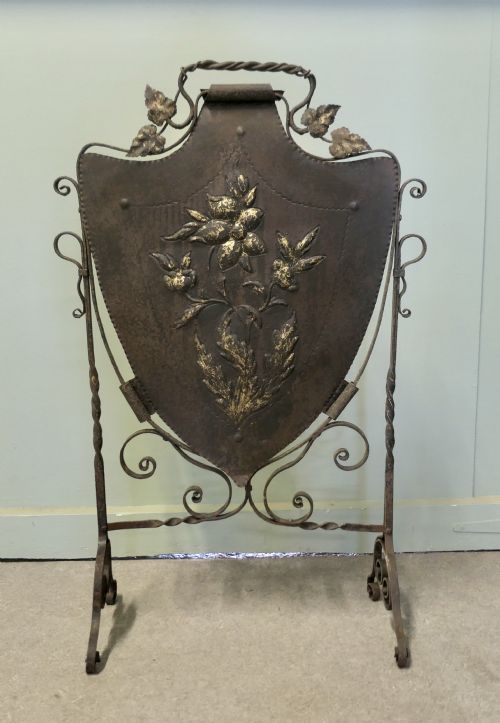
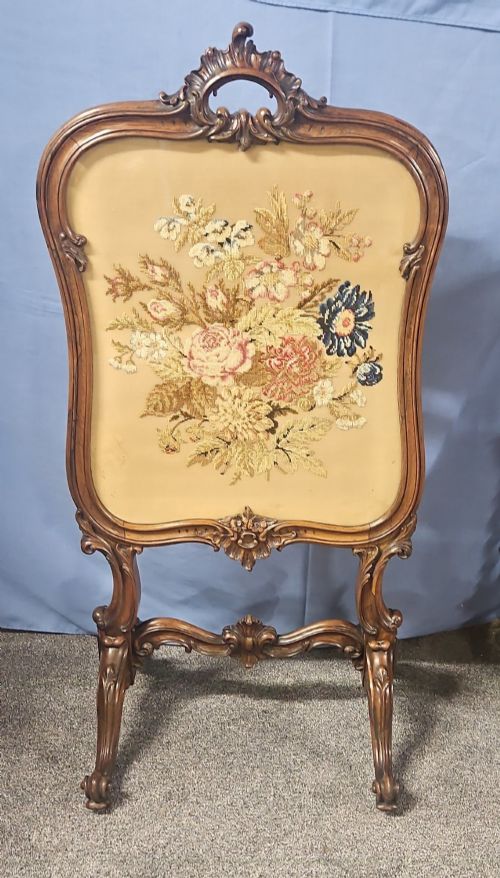
Panels frequently showcase textile artistry, employing silk embroidery, wool needlework and intricate needlepoint stretched across wooden frames or held within brass mounts. Artisans also worked with stained glass, iron and gilt bronze to construct durable fire guards.
Antique Standing Screen Retail Price Guide 2026
Typical asking prices for standing screen among the pieces listed under this phrase on Sellingantiques today, from the lower quarter to the upper quarter. They describe what is for sale here now, not the wider market.
The listings feature diverse materials spanning polished mahogany, cast brass, stained glass, silk embroidery and heavy rosewood.
Judging Quality
The distinction between ordinary and exceptional pieces lies in the crispness of the timber carving and the complexity of the needlework panel. Fine examples display deeply sculpted tripod legs and securely fitted adjustable mechanisms that hold their height without slipping.
Material choice and decorative ambition separate standard utilitarian guards from high-status objects. Superior items integrate specialist elements such as hand-painted Chinoiserie lacquer, weighty cast brass frames or double-sided silk embroidery.
The Antique Standing Screen Glossary
- Pole screen
- A type of standing screen with a vertically adjustable shield mounted on a slender central pole and supported by a tripod base.
- Needlepoint
- A form of canvas work embroidery used extensively to decorate the inset panels of firescreens.
- Tripod
- A three-legged support base commonly utilised on pole screens to ensure stability on uneven floors.
- Spark guard
- A metal mesh or brass frame placed before a fireplace to catch flying embers.
- Chinoiserie
- European decorative style employing Chinese motifs and lacquer techniques.
Antique Standing Screen: Frequently Asked Questions
What is a pole screen used for?
A pole screen was traditionally placed between seating and an open fireplace to shield the face from intense radiant heat. The adjustable panel could be raised or tilted to block warmth where needed.
They also served to protect delicate facial complexions and cosmetics from melting or sweating near the hearth during long winter evenings.
How do I adjust the height?
Most antique pole screens feature a small friction collar, thumbscrew or internal spring mechanism housed behind the sliding panel. Loosening this allows the wooden or brass shield to glide up and down the vertical shaft.
Care should be taken when adjusting older mechanisms to avoid straining the mounting bracket or damaging the central turned pole.
Where should I place it?
These screens suit placement beside a fireplace, in the corner of a reception room or acting as a subtle room divider. Their decorative needlework and carved timber frames make them effective focal points.
Placing them away from direct, harsh sunlight helps protect fragile silk embroidery and dyed wool panels from fading over time.
Are these screens stable on carpets?
Tripod bases provide three points of contact, which helps balance the upright pole effectively across various floor surfaces. Heavier timber and cast iron bases offer additional stability.
Thick carpets can sometimes cause slight wobbling on lighter stands, so positioning them carefully ensures the tall frame remains secure.