
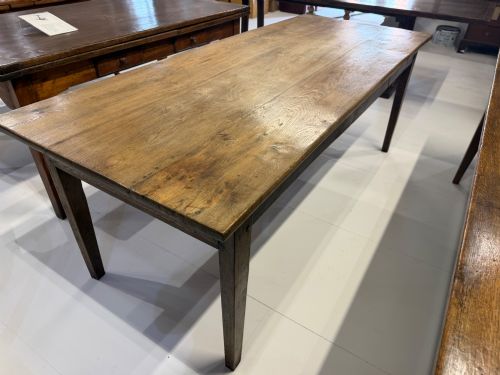
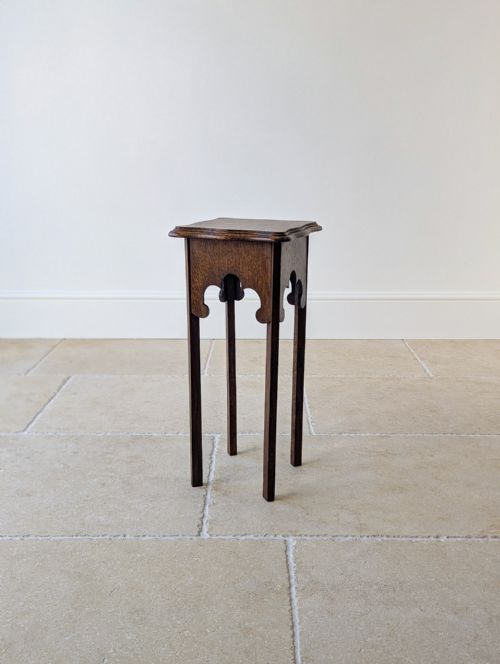
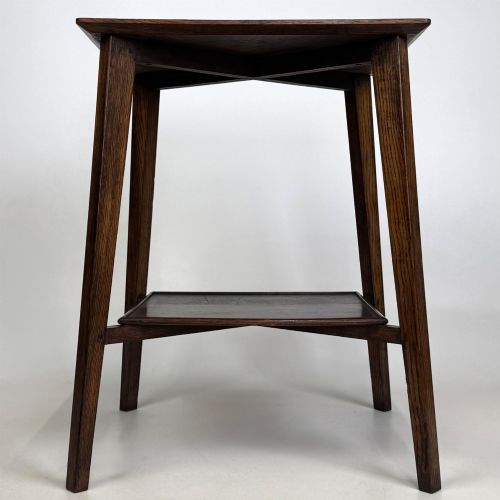
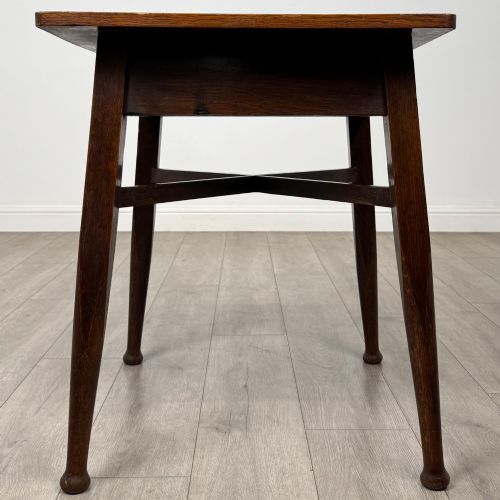

Antique Square Oak Table
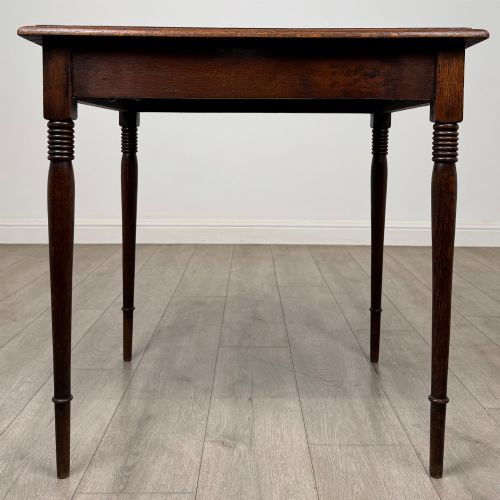
An antique square oak table anchors a room with sturdy timber and honest joinery, spanning farmhouse dining to Arts and Crafts utility.
Antique Square Oak Table
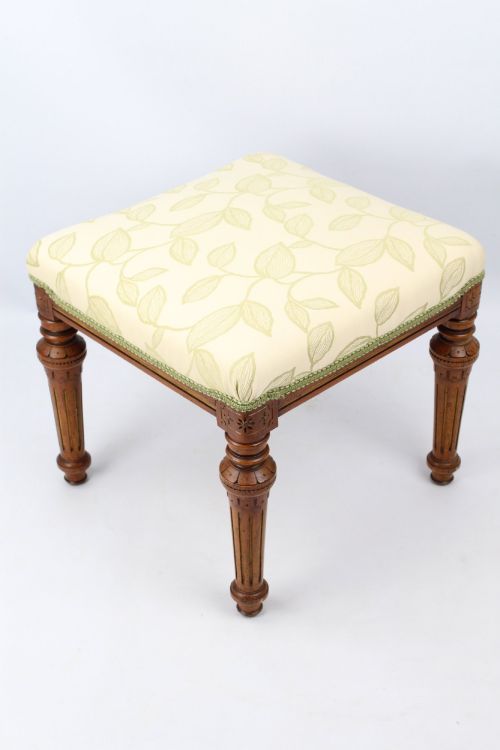
An antique square oak table encompasses a broad family of domestic furniture designed for daily utility, spanning compact side surfaces, occasional pieces, and robust dining formats. When buyers search for an antique square oak table, they encounter items shaped by periods from the nineteenth century through the 1930s, including Edwardian, Victorian, and Art Deco eras.
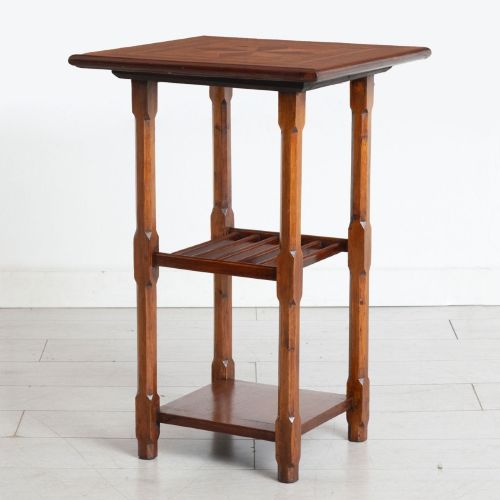
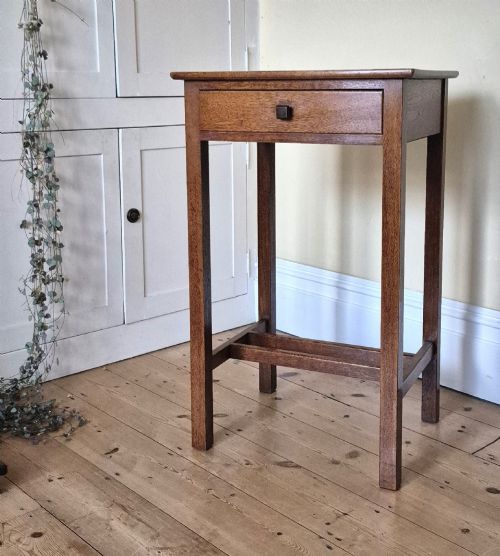
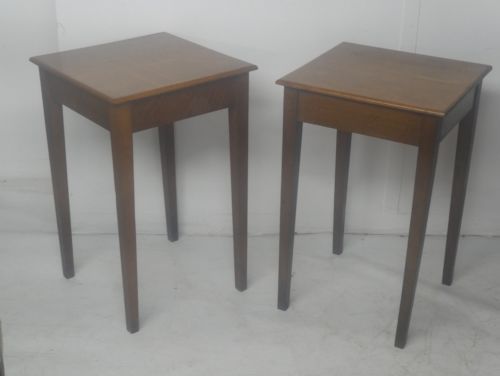
The assortment on this page leans heavily toward side tables, lamp tables, and occasional pieces originating from the Arts and Crafts movement, alongside farmhouse dining tables and compact nesting sets. These forms rely on the inherent strength of oak to provide stable surfaces for lamps, books, and tea wares.
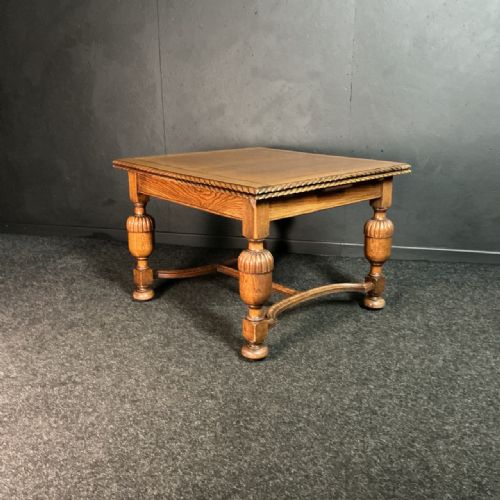
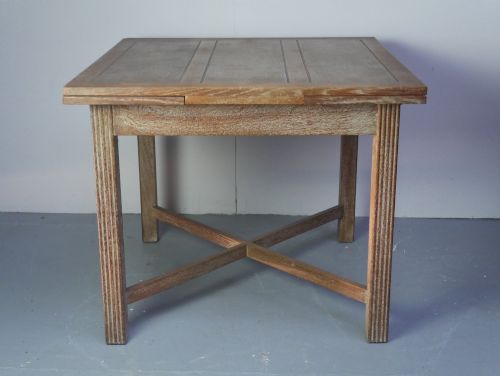
Origins vary from vernacular Scottish country workshops to metropolitan studios, reflecting regional preferences in turn-of-the-century design. Whether taking the form of a small plant stand or a substantial draw leaf dining table, each piece displays the distinct grain patterns characteristic of oak.
What varies in quality
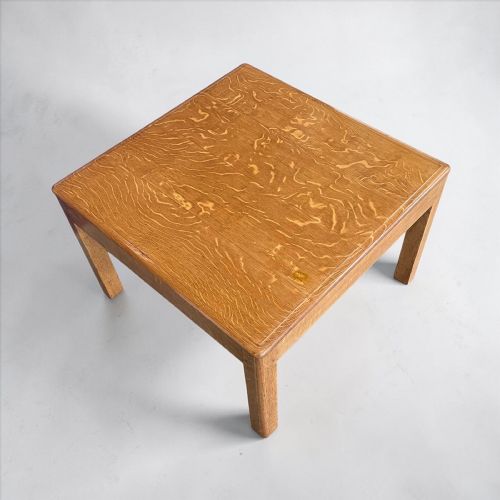
Distinction across the range rests upon the integrity of the timber selection and the precision of the joinery rather than mere age. Pieces featuring quarter-sawn oak exhibit superior figure and stability compared to plain-sawn equivalents, resisting warping over decades of domestic use.
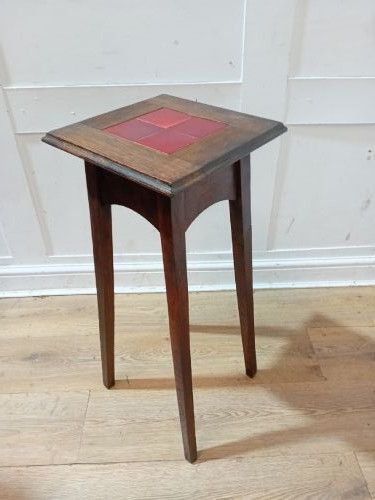
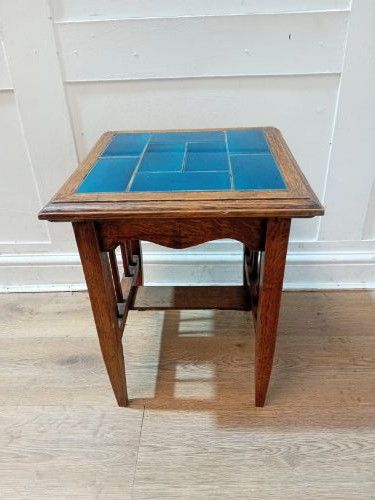
Design ambition separates standard production from works attributed to notable makers and retail houses. Sculptural hand-carving, thoughtful integration of secondary materials like brass or ceramic tiles, and balanced proportions elevate certain examples well above utilitarian workshop output.
Several tables include clever compartments or hidden leaves, proving that historical ancestors enjoyed a tidy surface just as much as modern hosts.
Baillie Scott·Heals·Betty Joel·Liberty of London
The Antique Square Oak Table Glossary
- Quarter-sawn
- Timber cut radially from the growth rings to produce distinct medullary ray flecks. This method yields more stable boards less prone to cupping.
- Arts and Crafts
- A design movement prioritising handcraft, vernacular traditions, and honest construction. Practitioners rejected industrial mass production in favour of visible joinery and natural materials.
- Draw leaf
- An expanding table mechanism featuring two leaves stored beneath the main top. These leaves slide out to extend the surface area for dining.
- Barley twist
- A carved wooden furniture leg resembling a spiralling rope or column. This decorative turning style appears frequently on table legs from the late nineteenth and early twentieth centuries.
- Occasional table
- A small, movable side table intended for flexible use around a room. These pieces support lamps, drinks, or decorative objects.
Antique Square Oak Table: Frequently Asked Questions
How do I use a square oak table?
These compact surfaces suit living spaces as lamp tables, card tables, or central display points for ceramics and books. Larger formats function effectively as kitchen or dining tables.
The square footprint allows these pieces to tuck neatly into corners or float beside seating arrangements without dominating the floor plan.
How do I care for antique oak?
Maintain the timber by applying natural beeswax periodically to nourish the grain and protect against surface moisture. Avoid placing wooden tables near direct heat sources.
Keep ceramic tile or leather inserts clean using dry or barely damp cloths to preserve the secondary materials without saturating the surrounding wood.
What defines Arts and Crafts oak tables?
Arts and Crafts pieces emphasise honest construction, visible joinery, and the natural grain of solid oak rather than applied veneers. Decorative restraint allows the quality of the timber to take precedence.
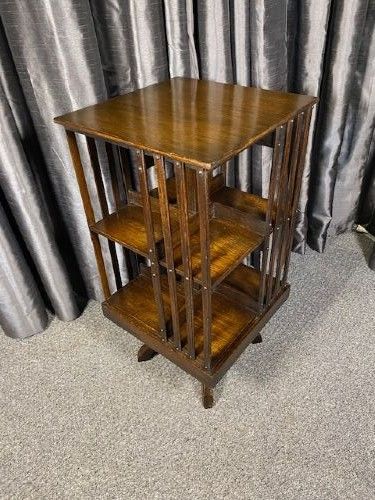
Many examples incorporate functional elements like inset ceramic tiles for hot vessels or sturdy lower shelves for book storage.
How do I date an oak table?
Dating relies on combining stylistic markers, construction methods, and period characteristics such as Edwardian turned legs or Art Deco geometric lines. Secondary materials like brass hardware and ceramic tiles often reflect the prevailing tastes of their manufacturing decade.
Examining the underside and interior joinery reveals tool marks and assembly techniques consistent with nineteenth or twentieth-century workshop practices.