



Antique Sporting Bird Art
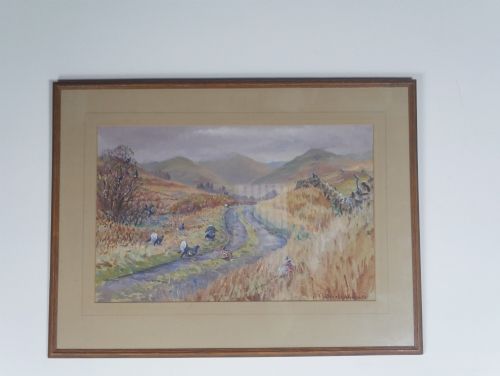
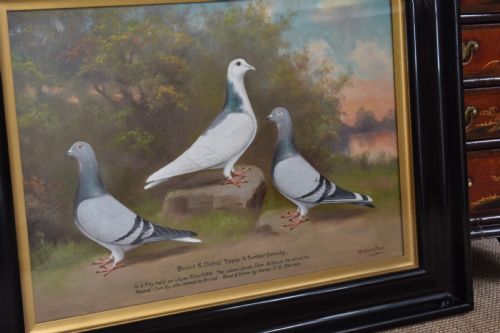
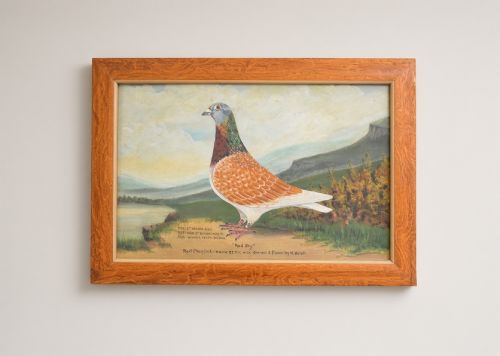
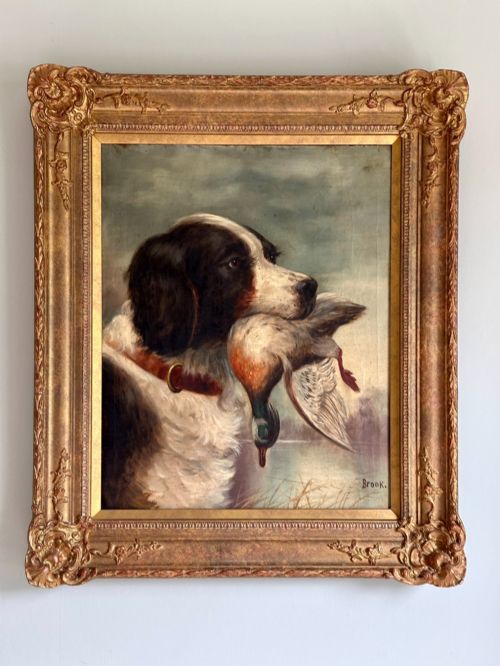
Antique sporting bird art captures the heritage of field sports through the skilled hands of painters and carvers.
Antique Sporting Bird Art
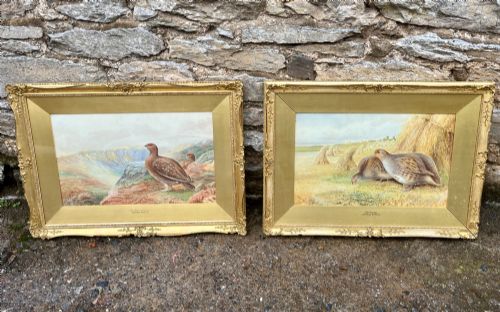
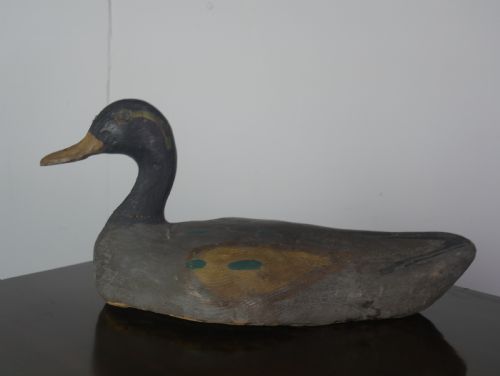
Antique sporting bird art encompasses painted canvases, watercolours, and carved wooden decoys that document country pursuits across the nineteenth and twentieth centuries.
The selection draws on British folk art traditions, Victorian sporting scenes, and early twentieth-century illustrations that celebrate avian life and field sports.
How They Were Made
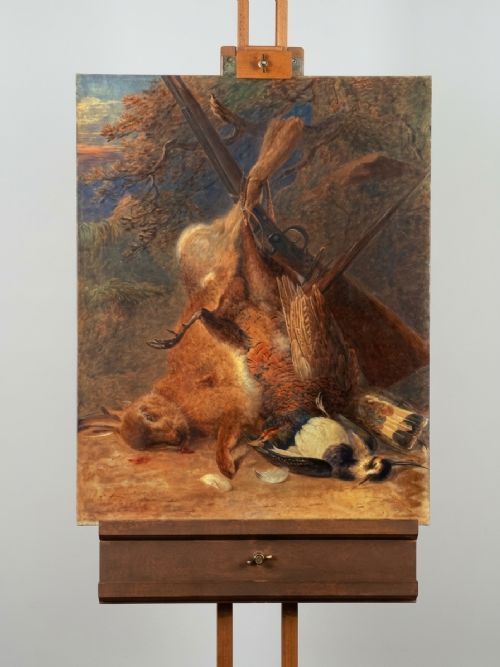
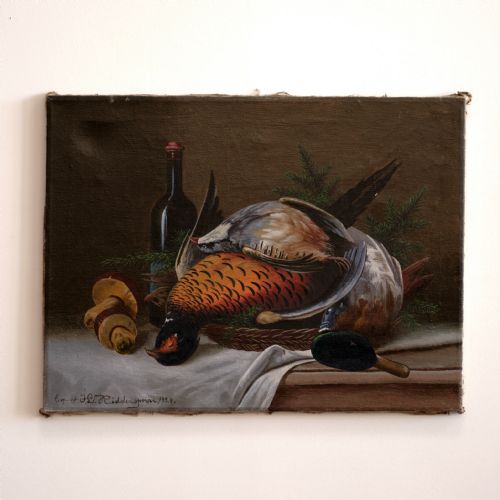
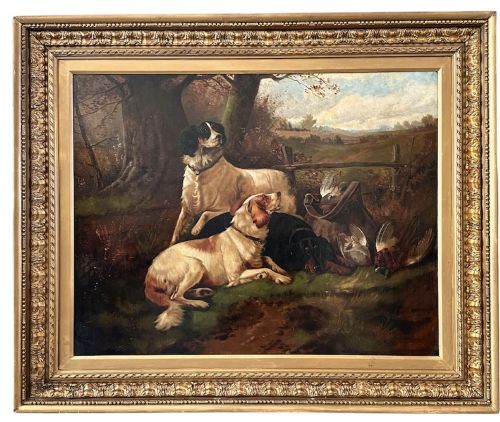
Painters utilised oil and watercolour on canvas, paper, or board to record birds and sporting dogs with careful attention to natural detail.
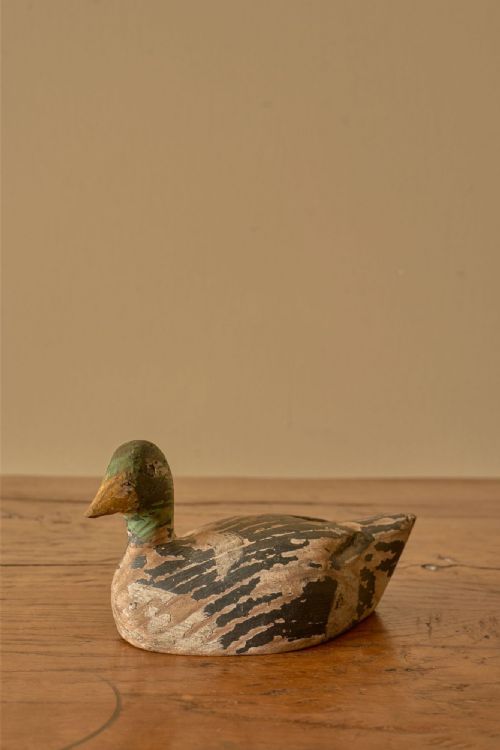
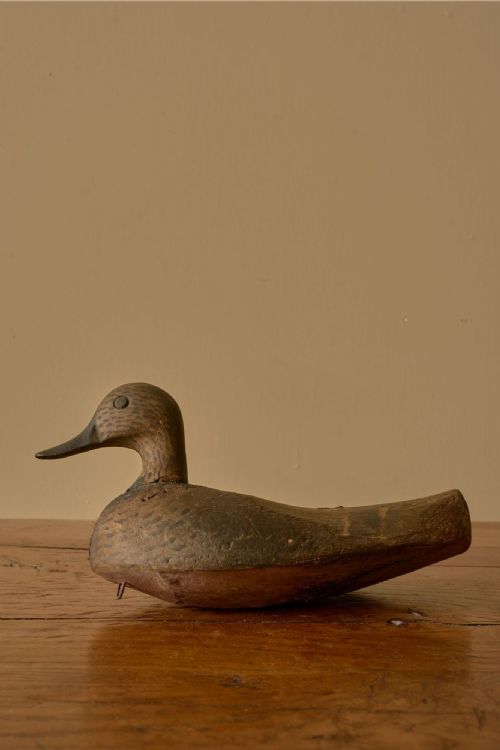
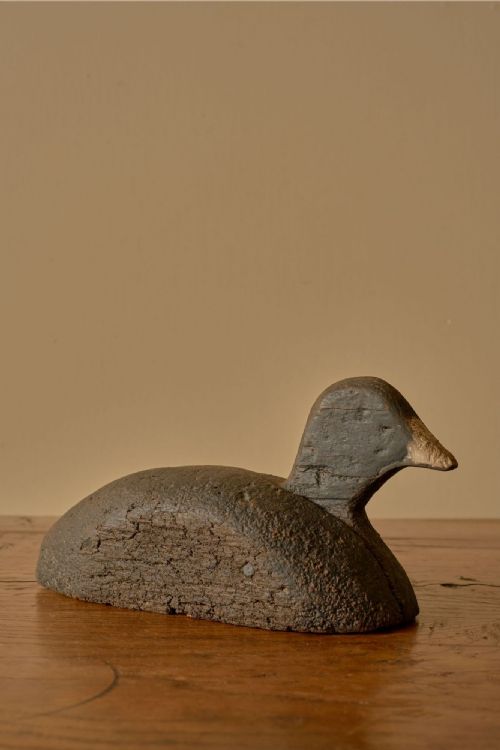
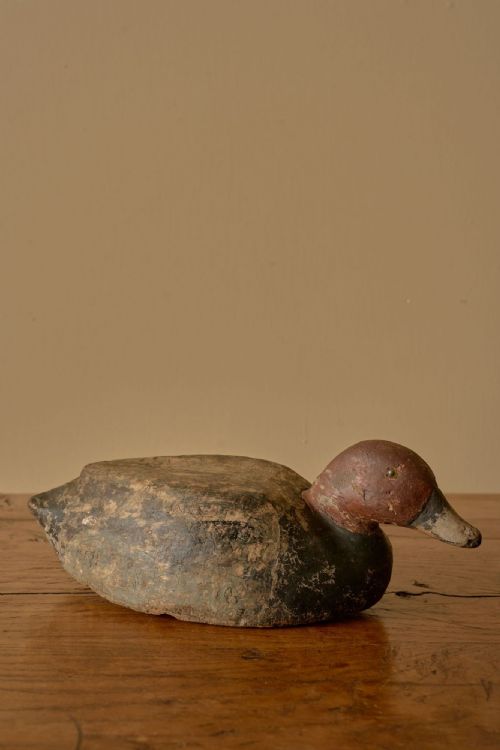
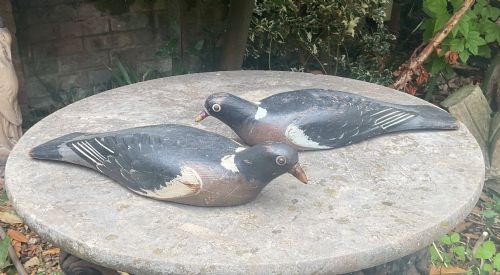
Carvers shaped timber by hand to create functional and decorative decoy ducks and pigeons, applying layered paint to achieve realistic plumage.
Makers finished works with gilt frames, embossed print techniques, and protective glazes suited to domestic interiors.
Antique Sporting Bird Art Retail Price Guide 2026
Typical asking prices for sporting bird art among the pieces listed under this phrase on Sellingantiques today, from the lower quarter to the upper quarter. They describe what is for sale here now, not the wider market.
Listings feature works spanning the nineteenth century through the 1940s, executed in oil, watercolour, and carved wood.
What Varies in Quality
The hierarchy rests upon the precision of the draughtsmanship and the artist's ability to render the anatomy and posture of the bird or sporting dog convincingly.
Original painted surfaces on wooden decoys retain their character better than pieces suffering from heavy overpainting or later restoration.
Signed works and exhibition pieces by recorded artists command greater attention than unsigned vernacular items.
Andrew Beer·George Sydney Shepherd·John Sargent Noble·George Rankin·Thomas Blinks·Stephen Elmer·Arthur E Gonne·Archibald Thorburn
The Antique Sporting Bird Art Glossary
- Decoy
- A carved and painted wooden bird utilised to attract game or serve as decorative folk art. These objects combine practical utility with vernacular sculpture.
- Watercolour
- A paint consisting of pigment suspended in a water-based solution, frequently applied to paper for detailed game bird studies. It offers a transparent and luminous finish.
- Bodycolour
- An opaque watercolour paint mixed with white pigment, known as gouache, which creates solid areas of colour. Artists employed this medium to add depth to game and landscape scenes.
- Oil on canvas
- Pigment bound in an oil medium and applied to stretched fabric support. This technique allows for rich colour blending and durability over centuries.
- Folk art
- Utilitarian or decorative objects created by self-taught or provincial makers outside academic traditions. These pieces reflect regional materials and traditional craft methods.
Antique Sporting Bird Art: Frequently Asked Questions
What is antique sporting bird art?
Antique sporting bird art comprises paintings, watercolours, prints, and carved wooden decoys depicting game birds and hunting scenes from the nineteenth and twentieth centuries.
These pieces reflect the deep British tradition of field sports and country life, capturing birds in their natural habitats or alongside gun dogs.
How were wooden decoy ducks used?
Decoys were originally floated on water or placed on land by shooters to attract wildfowl within range during sporting expeditions.
Over time, many surviving decoys transitioned from working tools to decorative objects appreciated for their folk art aesthetic and carved forms.
How do I care for framed watercolours?
Watercolours on paper are sensitive to direct sunlight, which can fade pigments and discolour the backing materials over years of exposure.
Display these works away from bright windows and damp environments, ensuring they are framed with conservation-grade materials.
How can I tell Victorian pieces apart?
Victorian sporting art often displays specific stylistic traits, such as detailed narrative scenes of gun dogs with game or formal embossed print techniques.
Examining the framing, paper ageing, and artist signatures helps place a work firmly within the nineteenth-century context.