




Antique Specimen Dome
An antique specimen dome captures a miniature world under glass, drawing the eye to preserved nature and preserved artistry from the Victorian and Edwardian eras.
Antique Specimen Dome
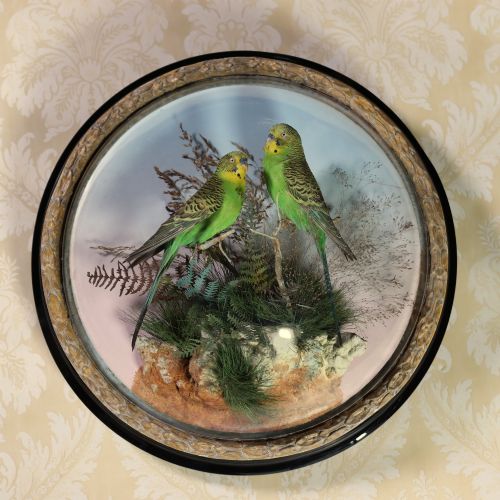
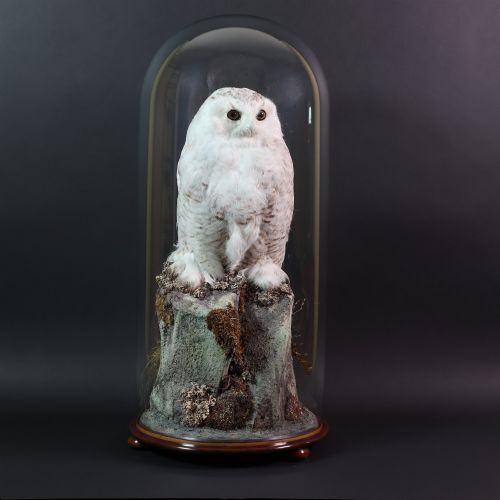
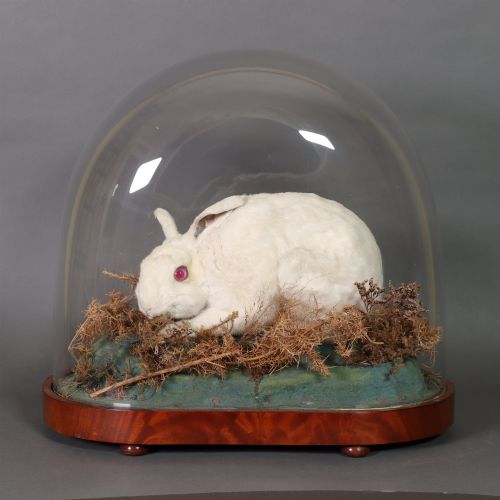
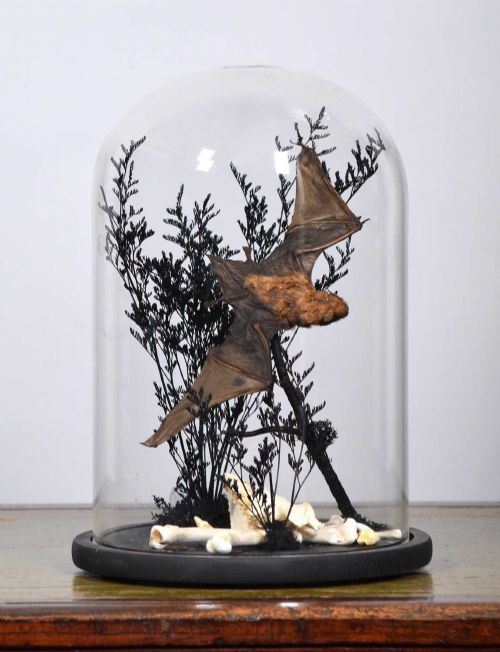
An antique specimen dome houses delicate taxidermy, osteology, or botanical items beneath a blown glass cover designed to protect fragile displays from dust and handling. These enclosures range from modest collector cases to grand taxidermy arrangements featuring birds, mammals, and insects.
Collectors encounter everything from simple glass bell jars to elaborate showcases housing complex multi-specimen taxidermy scenes. The fundamental purpose remains the protection and presentation of natural history specimens for study and interior display.
Materials and construction
Makers formed the clear covers through glass-blowing techniques, producing domes that often retain minor bubbles and thickness variations characteristic of nineteenth-century production. These glass covers sit securely upon turned or flat wooden bases, frequently finished in ebonised wood to provide a dark, contrasting frame for the contents.
Internal arrangements combine natural vegetation, feathers, bone, fabric, and preserved animal specimens secured within the wooden base. The taxidermy and display composition required steady hands and specialised preservation methods to maintain the appearance of the specimens over generations.
Antique Specimen Dome Retail Price Guide 2026
Typical asking prices for specimen dome among the pieces listed under this phrase on Sellingantiques today, from the lower quarter to the upper quarter. They describe what is for sale here now, not the wider market.
Listings feature Victorian and Edwardian examples utilising blown glass, ebonised wood, feathers, bone, and taxidermy specimens.
Variations in quality
Quality reveals itself in the clarity and historical integrity of the blown glass dome, where smoother surfaces and minimal distortion distinguish superior examples. The stability and craftsmanship of the wooden base also signal the standing of the piece.
James Gardner·A Pollard
The Antique Specimen Dome Glossary
- Dome
- A blown glass cover shaped to protect interior displays. It rests upon a fitted base.
- Ebonised wood
- Timber treated to resemble ebony, providing a deep black finish common on Victorian bases. This treatment offers a formal frame for natural specimens.
- Taxidermy
- The art of preparing, stuffing, and mounting animal skins for display. Victorian practitioners elevated this practice into elaborate interior compositions.
- Bell jar
- A bell-shaped glass vessel used as a protective cover for delicate objects. It functions similarly to a display dome.
- Cloche
- A glass cover originally used in gardening to protect plants, later adopted for interior display. These share a similar form to specimen domes.
Antique Specimen Dome: Frequently Asked Questions
What is inside a specimen dome?
Contents typically include taxidermy birds, small mammals, skulls, insects like butterflies, or botanical arrangements. Victorian makers often added natural vegetation and painted backgrounds to mimic natural habitats.
These compositions vary from single scientific specimens to elaborate multi-bird displays created by professional taxidermists of the nineteenth century.
How do I date a specimen dome?
Examine the glass for thickness, hand-blown imperfections, and pontil marks, which suggest nineteenth-century manufacturing methods. The style of the wooden base, such as ebonised Victorian mouldings or Edwardian turnings, also aids dating.
Maker labels pasted underneath the wooden base provide the most definitive chronological anchor when present.
Where should I place a dome?
Display your dome away from direct sunlight to prevent the fading of feathers, fur, and delicate fabrics. A stable surface away from heavy vibrations protects both the blown glass and the internal mounting.
Position the piece at eye level on a sturdy cabinet or desk where the details of the taxidermy and the clarity of the glass can be appreciated.