




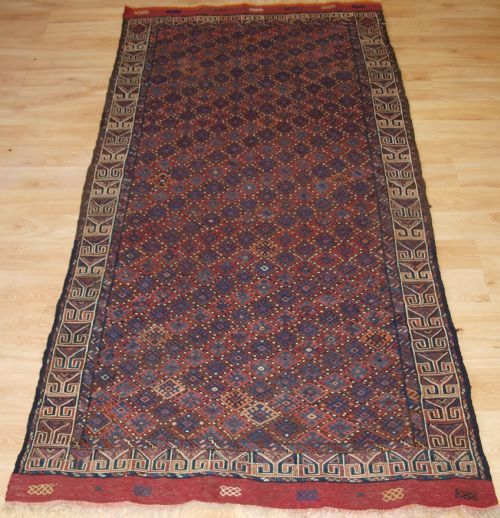
Antique Soumak Kilim
These antique soumak kilim pieces are woven tribal flatweaves prized for their intricate brocade-like structure and rich nomadic history.
Antique Soumak Kilim
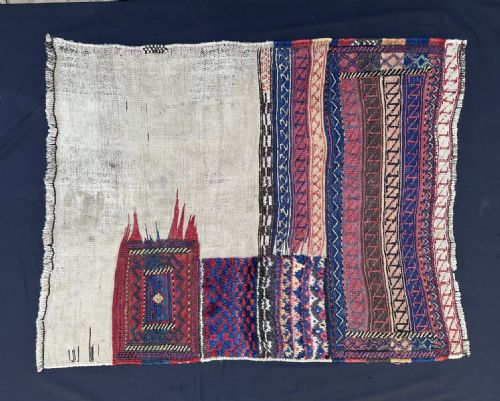
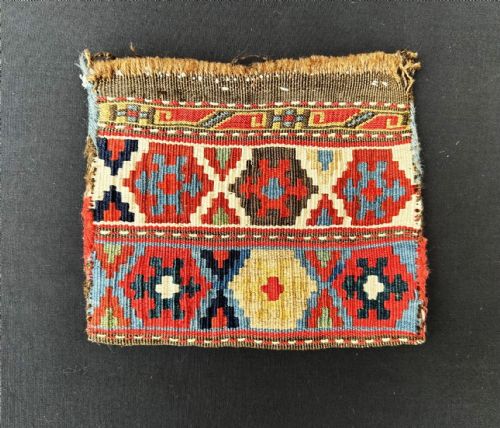
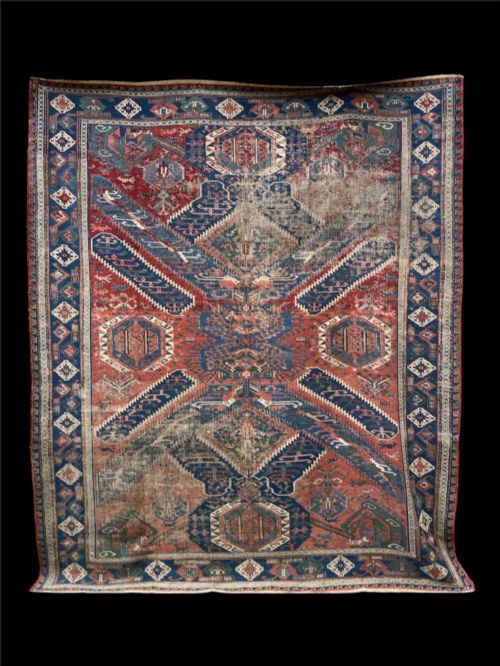
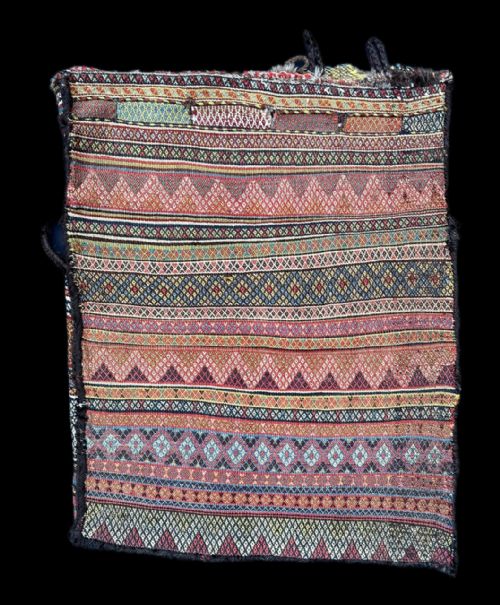
When you search for an antique soumak kilim, you encounter hand-woven flatweaves originating from nomadic and tribal groups across the Caucasus, Persia, and Anatolia. These textiles range from room-sized carpets and rugs to functional household objects such as vanity-bags, storage bags, panels, and cushions.
The pieces on this page span the late nineteenth century through to the early twentieth century, reflecting the production eras of various regional tribes. You frequently meet Yomut Turkmen palas examples alongside pieces attributed to Shahsevan, Lori-Bakhtiari, Qashqa'i, Kurdish, and Afshar weavers.
Many survivors began their lives as utilitarian containers like mafrash storage bags or juvals before being repurposed into cushions or collected as flatweave panels. Their diverse forms demonstrate the practical domestic artistry of pastoral communities who utilised warp-wrappedweft techniques to strengthen their belongings.
Materials and construction
These textiles rely principally on wool, often hand-spun, combined with cotton foundations in specific regional traditions. The defining technical characteristic involves wrapping supplementary weft threads around the vertical warp threads to create a textured, durable face resembling embroidery.
Weavers utilised natural dyes to colour the wool yarns, yielding deep tones that mellow gracefully over decades of exposure and use. The technique allows for sharp geometric patterns, dragon motifs, and intricate diamond or chevron designs without cutting pile.
Several bags retain their original long kilim ends, reminding us that nomadic weavers loved a decorative fringe just as much as we do.
Judgements of quality
Quality rests upon the precision of the wrapping technique, the complexity of the geometric layout, and the crispness of the tribal motifs. Tightly packed rows and fine hand-spun wool denote superior execution by the weaver.
The condition of the structural flatweave and the retention of original kilim ends heavily influence the standing of an individual piece. Examples featuring uncommon design elements, complete regional forms, or exceptionally clear natural dye palettes command greater attention.
The Antique Soumak Kilim Glossary
- Soumak
- A brocade-like flatweaving technique where coloured weft threads wrap around warp threads to produce a raised, durable surface texture. This method creates sturdy textiles without the knotted pile found in standard carpets.
- Kilim
- A general term for an untufted flat-woven textile produced across the Near East and Central Asia. These pieces rely entirely on the interlacing of warp and weft yarns.
- Mafrash
- A large rectangular storage bag typically woven in parts and assembled to carry household goods during nomadic migrations. Surviving panels often display intricate Soumak wrapping.
- Palas
- A descriptive term often applied to flatwoven tribal rugs and coverlets produced by Turkmen groups. They provide lightweight durability distinct from heavy pile carpets.
- Juval
- A large bag utilised by nomadic tribes for storage inside the yurt or tent. They frequently showcase concentrated tribal iconography on the face.
Antique Soumak Kilim: Frequently Asked Questions
What is an antique soumak kilim?
An antique soumak kilim is a traditional flat-woven textile created by nomadic and tribal weavers using a specific warp-wrapping technique. These pieces include rugs, carpets, storage bags, and cushions.
They originate primarily from nineteenth and early twentieth-century tribal groups in regions such as the Caucasus, Persia, and Anatolia. The method produces a textured, durable surface filled with geometric and symbolic motifs.
How were these tribal textiles used?
Nomadic communities utilised these woven items for practical daily storage, bedding containers, horse covers, and floor coverings inside tents. Bags like mafrash and juvals held household belongings during seasonal migrations.
Over time, many complete storage pieces and panels were preserved or converted into cushions and decorative wall hangings. Their sturdy construction made them ideal for demanding domestic environments.
How do I tell regional styles apart?
Regional attribution relies on identifying specific colour palettes, wool qualities, and characteristic geometric ornamentations. Yomut Turkmen pieces often display distinct palas structures and long kilim ends.
Caucasian and Persian tribal groups such as the Shahsevan, Qashqa'i, and Kurdish weavers employed their own unique structural borders and dragon or diamond motifs. Comparing the weave density and material preparation helps pinpoint the likely origin.
How should I care for flatweave textiles?
Protect these historic flatweaves by placing them out of direct sunlight to prevent natural dye fading. Regular gentle vacuuming without a rotating brush bar removes embedded dust.
Using a breathable underlay helps keep floor rugs stable and reduces friction against the weave. For deeper cleaning, consult a specialist experienced in antique tribal textiles.