
Antique Sofa with Castors
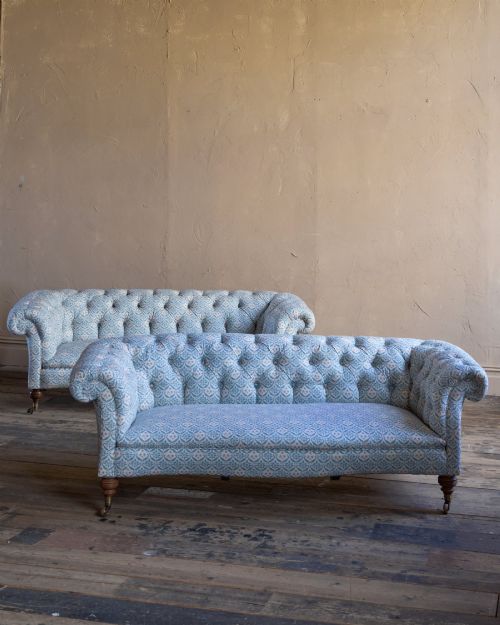
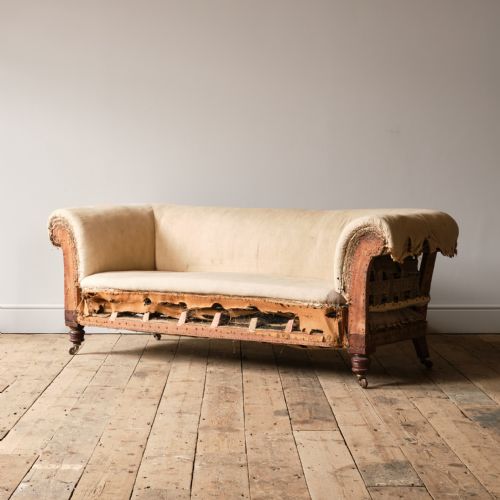
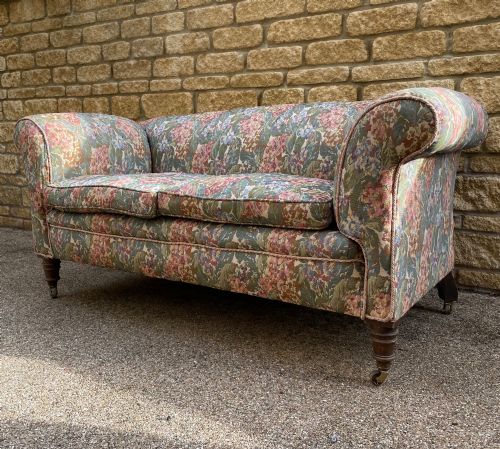
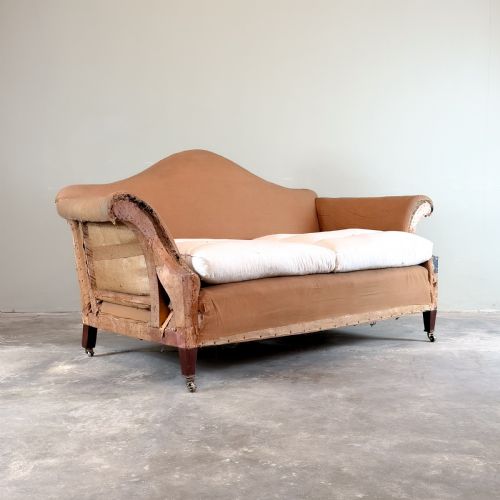
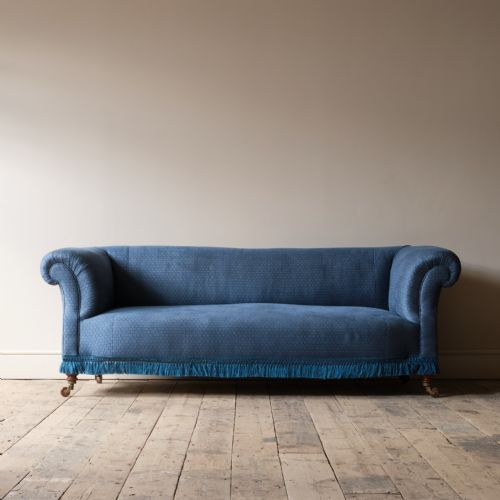
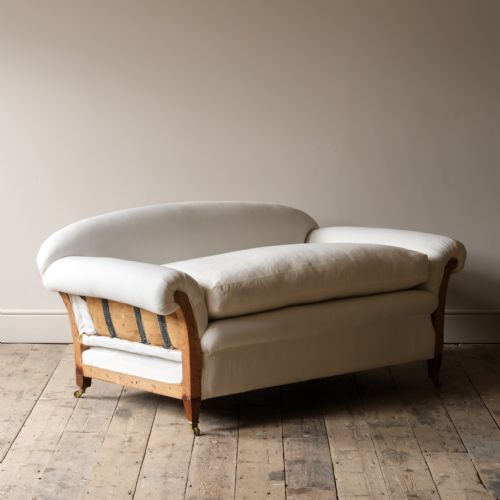
An antique sofa with castors brings versatile mobility and period elegance to a room, offering deep seating or drop leaves supported on small wheels.
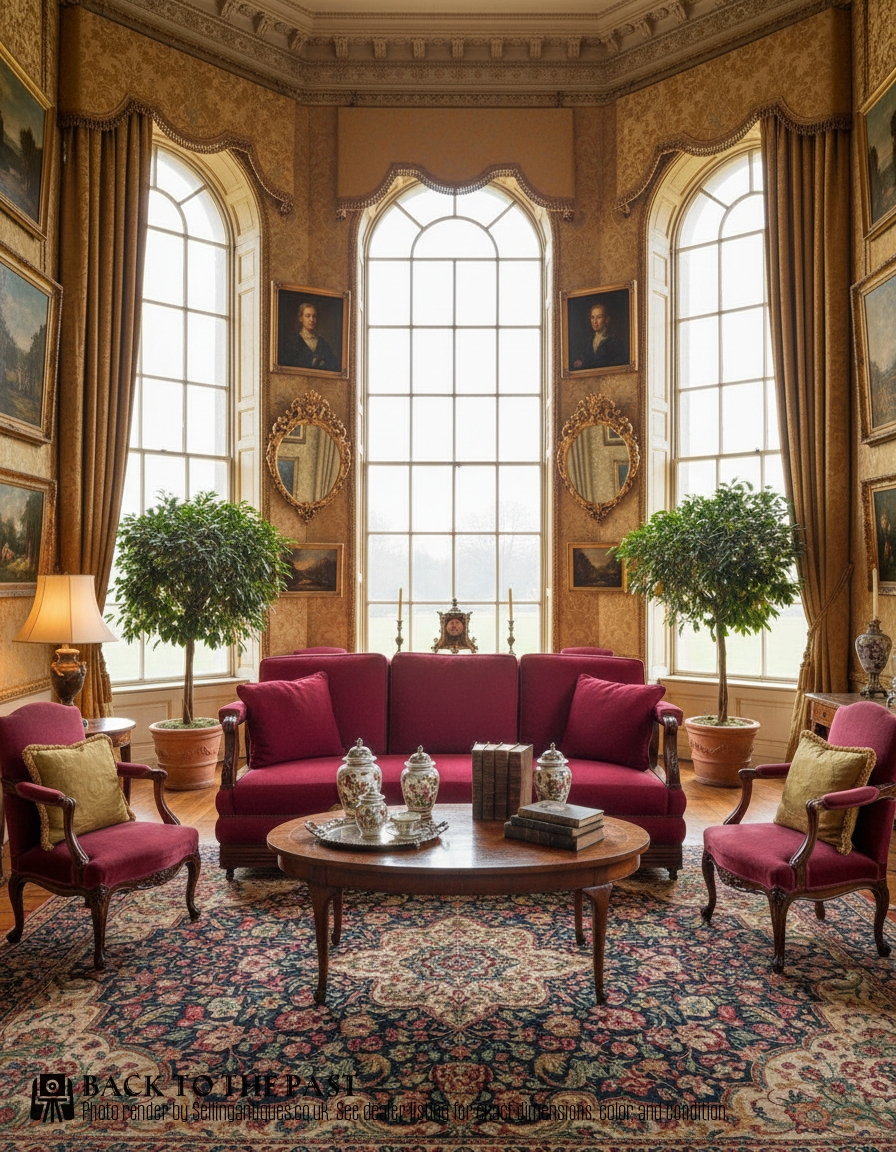
Antique Sofa with Castors
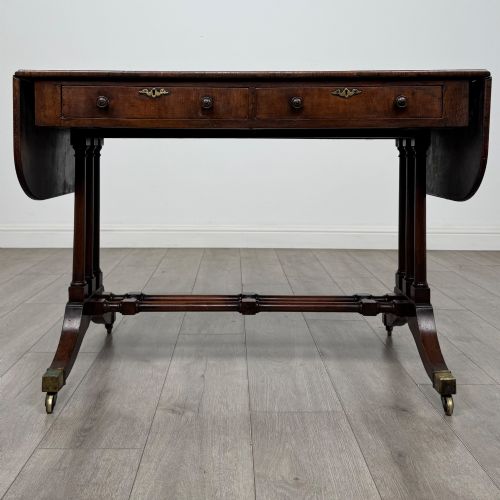
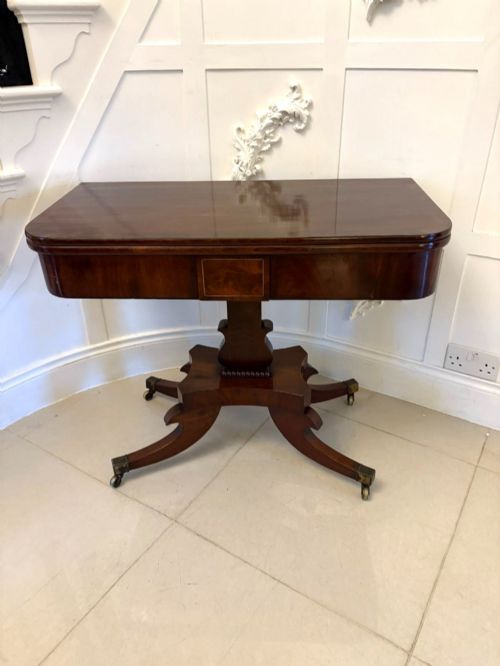
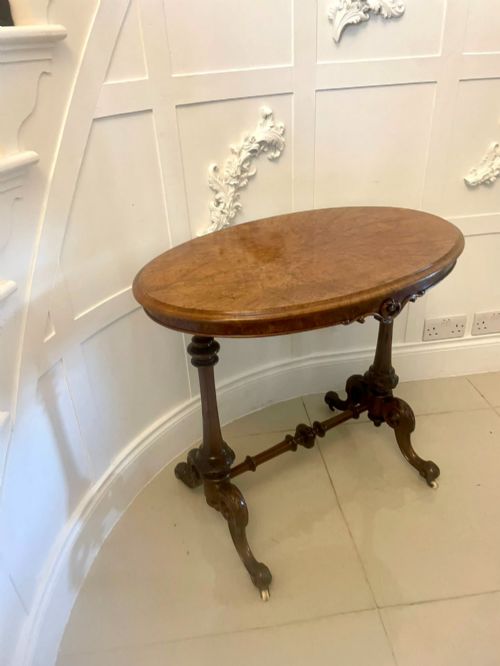
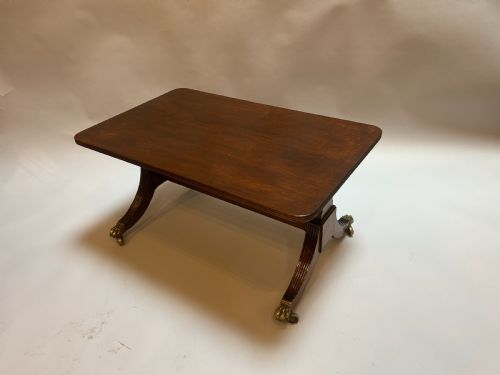
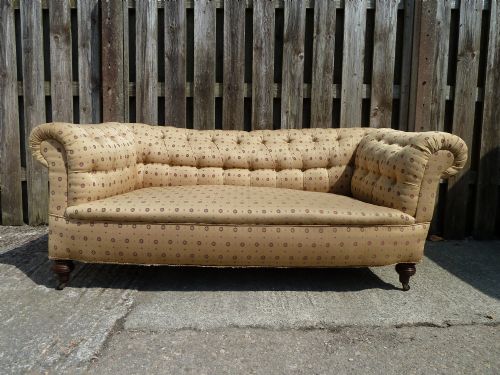
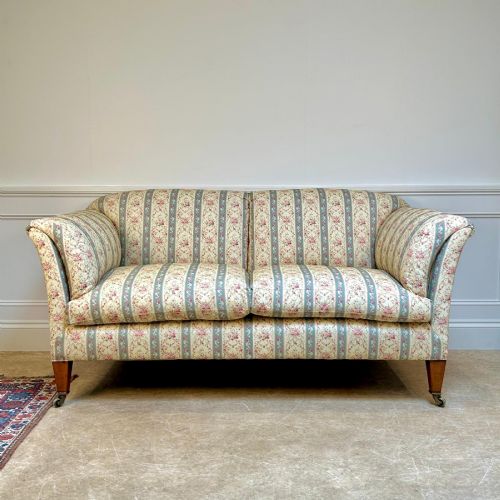
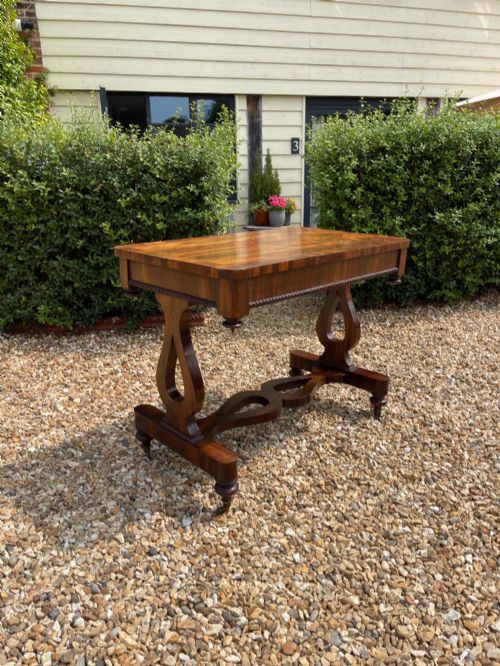
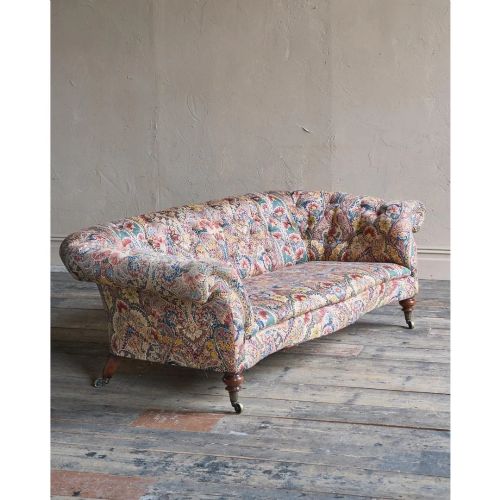
When buyers search for an antique sofa with castors, they encounter a range of seating and multi-functional table forms spanning the Georgian, Regency, and Victorian periods. The selection includes deep-seated country house settees, ottoman couches, and occasional sofa tables fitted with wheels for easy movement across floors.
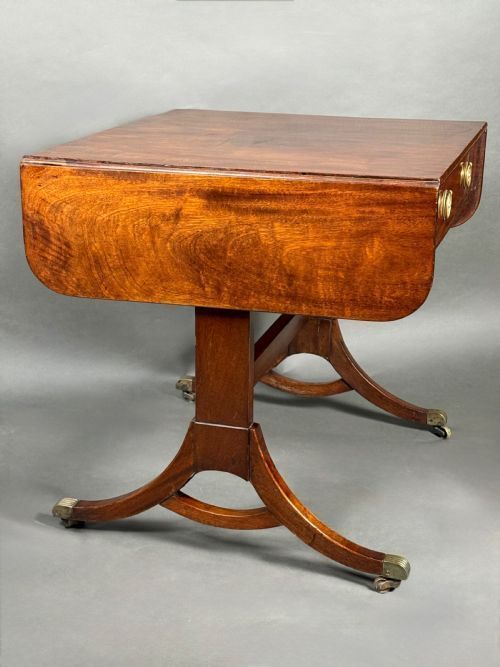
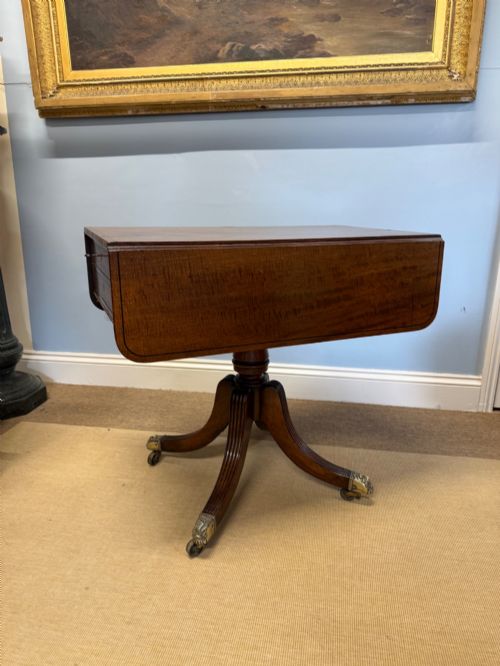
The Regency and nineteenth-century pieces dominate the selection, showing how makers combined sturdy timber frames with functional brass fittings. Buyers will find drop-flap tables alongside larger two-seater sofas designed for drawing rooms and morning rooms.
Assessing quality in period pieces
Quality depends upon the choice of timber and the precision of the cabinet work, particularly where veneers and banded inlays meet. Superior examples display carefully selected grain patterns, such as flame mahogany or burr walnut, alongside robust joinery.
The refinement of the brass castors and the integrity of the original underpinnings reveal the original maker's standard of production. Pieces that retain their structural balance and smooth-rolling wheels demonstrate superior craftsmanship.
Period materials recorded here include burr walnut, satinwood, calico, and hessian across various tables and seating forms.
Johnstone and Jeanes
The Antique Sofa with Castors Glossary
- Castor
- A small wheel mounted on a swivel assembly attached to the bottom of a furniture leg. This allows heavy tables and sofas to be moved across carpets and floors with minimal effort.
- Sofa Table
- A type of Pembroke table traditionally placed in front of a sofa, featuring drop leaves and often two small drawers. These tables were utilised for writing, sewing, and serving.
- Pembroke Table
- A small rectangular table featuring two hinged drop flaps on opposing sides. They were designed for versatility in sitting rooms and smaller parlours.
- Occasional Table
- A small, movable table intended for specific utility such as holding a lamp or books. They appear in various geometric shapes across the Georgian and Edwardian eras.
Antique Sofa with Castors: Frequently Asked Questions
What is an antique sofa table?
A sofa table is a small, drop-leaf table designed during the Georgian and Regency periods to sit directly behind a sofa. They typically feature frieze drawers and can be pulled forward for various tasks.
Over time, these versatile tables found use as writing desks and lamp tables in drawing rooms. Their defining feature remains the drop flaps, which allow the surface area to expand when needed.
How do you move furniture with castors?
Castors allow heavy timber pieces to glide across wooden floors or carpets without scraping the surface. The small wheels rotate on swivels to change direction easily.
When positioning these pieces, care should be taken to roll them straight rather than pivoting sharply on a single wheel. This protects both the furniture leg and the joint where the castor is fixed.
What woods were used for these pieces?
Makers relied heavily on imported tropical hardwoods like mahogany and rosewood for their strength and rich colour. Walnut and satinwood were also frequently selected for decorative veneers.
Secondary woods like pine or oak were often used for internal drawer linings and hidden framing. The exterior timber was then polished to highlight the natural grain.
How do I identify a Regency period table?
Regency tables, produced in the early nineteenth century, often display classical architectural lines and contrasting string inlay. They frequently incorporate brass mounts and pillar supports.
Look for clean proportions, rich mahogany or rosewood surfaces, and functional additions like drop leaves or drawers. The presence of original brass castors is also characteristic of the period.