



Antique Smoking Pipe
These antique smoking pipe examples range from humble clay churchwardens to carved meerschaums, offering a tangible link to historical smoking culture.
What these pieces are
An antique smoking pipe represents a portable piece of social history, originating from various global traditions and domestic workshops. When buyers search for an antique smoking pipe, they encounter functional smoking instruments spanning the eighteenth, nineteenth, and early twentieth centuries.
Tobacciana objects of this nature serve as both collectible artefacts and windows into past social habits. The most common survivals on the market lean towards European briar and clay iterations from the late nineteenth century.
How they were made
Maker techniques relied on a diverse palette of organic and mineral substances, including briar wood, pipe clay, bamboo, and meerschaum. Mouthpieces frequently incorporate contrasting materials such as ebonite or amber for comfort and visual distinction.
Pipes demanded specialist turning, carving, and moulding skills depending on the medium, with meerschaum requiring delicate hand-sculpting. Metal mounts and fittings were often integrated to secure stems and bowls on finer examples.
Listings incorporate items spanning the eighteenth century through to the early twentieth century, featuring materials such as bamboo, briar wood, and meerschaum.
What varies in quality
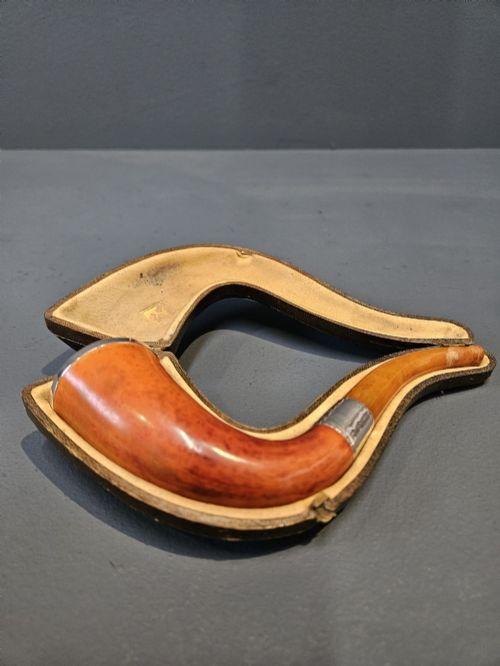
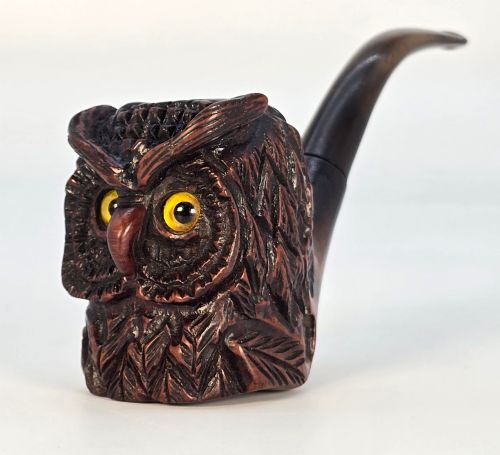
Quality separates standard utilitarian items from exceptional pieces through the intricacy of the carving and the prestige of the maker. Finer specimens display superior material selection, such as genuine block meerschaum paired with translucent amber.
The finesse of the original shaping and the preservation of delicate structural elements dictate the standing of a piece. Workshop provenance also elevates certain examples above ordinary production.
Butz Choquin·Southorn And Co Broseley
The Antique Smoking Pipe Glossary
- Churchwarden
- A tobacco pipe characterised by a long stem that delivers a cool smoke. This style became popular during the nineteenth century.
- Meerschaum
- A soft white mineral, hydrous magnesium silicate, carved into intricate bowls. It colours gracefully with use over time.
- Briar wood
- A dense burl from the root of the white heath tree used for making durable pipe bowls. It remains a standard material for quality pipes.
- Cheroot holder
- A short tube designed to hold a small cigar or cheroot while smoking. These often featured decorative mineral or amber components.
- Tobacciana
- Antiques and collectibles related to the consumption of tobacco. This category includes pipes, holders, and smoking accessories.
Frequently Asked Questions
What materials were antique smoking pipes made from?
Makers utilised a wide array of substances depending on the period and region of production. Common materials recorded include pipe clay, briar wood, bamboo, and meerschaum.
Fittings and mouthpieces also incorporated elements like amber, metal, and ebonite. Each substance offered different thermal and aesthetic qualities for the smoker.
How do I identify a churchwarden pipe?
A churchwarden is immediately recognisable by its exceptionally long stem, which distances the bowl from the smoker's face. This design was intended to provide a cooler, smoother draw.
They appear in materials such as traditional pipe clay.
What is a cheroot holder?
A cheroot holder is a slender implement designed to grip a small cigar while it is being smoked. They protected the fingers from staining and smoke.
Finer examples combined carved meerschaum bowls with amber mouthpieces.
Are these pipes suitable for actual use?
While many antique pipes remain physically robust, most collectors treat them primarily as historical display pieces. Usage can risk damaging fragile historical materials like aged amber or delicate clay.
Preserving the integrity of the object is usually the primary concern for owners.