


Victorian Tobacciana Collectibles
These Victorian tobacciana collectibles are the smoking accessories and smoker's desk pieces that defined the nineteenth century.
Victorian Tobacciana Collectibles
The selection ranges from practical desktop tobacco jars and match holders to personal snuff mulls and novelty portrait vesta cases. These items reflect the heavy prevalence of smoking and tobacco culture in daily Victorian life.
Makers utilised various materials suited to smoking habits, producing items that balance utility with decorative carving and metalwork. Each object points to the specific social rituals surrounding tobacco consumption in the 1800s.
How they were made
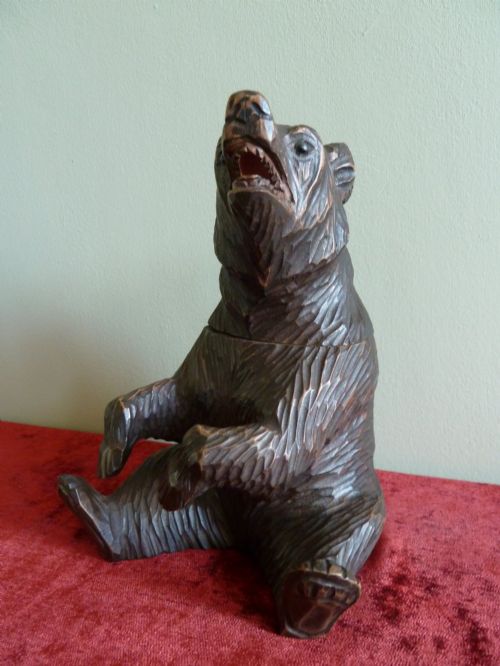
Makers fashioned these pieces using organic materials like horn, meerschaum, and crocodile skin alongside metals such as sterling silver, nickel-plated brass, and white metal. Woodcarvers utilised linden wood to shape intricate animal figures for desktop holders.
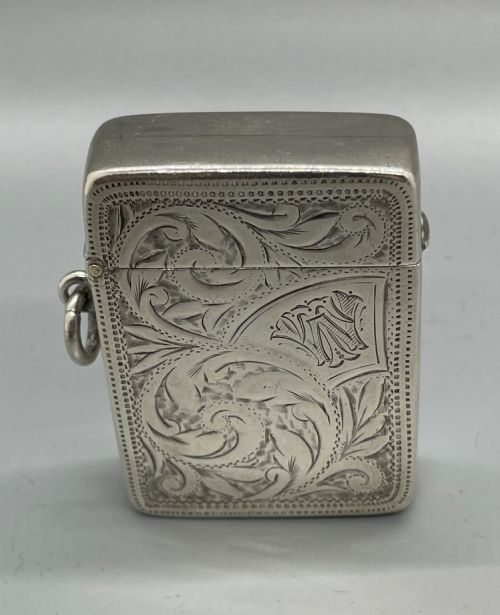
Craftspeople combined carved meerschaum bowls with quill stems and fitted horn snuff mulls with sterling silver mounts. Metalworkers stamped, cast, and plated brass and silver to create durable pocket vesta cases and advertising match strikers.
Materials appearing across the inventory include horn, meerschaum, sterling silver, linden wood, glass, ceramic, earthenware, and crocodile skin.
What varies in quality
Quality rests upon the fineness of the carving and the precision of the metal mounts, distinguishing mass-produced novelty items from masterworks. Hand-carved meerschaum and detailed Black Forest wood sculpture display a depth of artistry missing in simpler pieces.
The choice of materials also dictates the standard of the piece, with solid sterling silver and genuine crocodile skin representing finer manufacture than plated brass or standard earthenware.
The Victorian Tobacciana Collectibles Glossary
- Vesta case
- A small pocket box designed to hold safety matches and keep them dry. These containers often featured spring-loaded lids and striking surfaces on the base.
- Snuff mull
- A container used for holding and dispensing dry snuff tobacco, traditionally fashioned from ram's horn and mounted with silver.
- Match striker
- A heavy ceramic, glass, or metal desk accessory featuring a textured surface designed to ignite strike-anywhere matches.
- Meerschaum
- A soft white mineral carved into intricate pipe bowls that gradually colours with use as tobacco tars absorb into the stone.
- Black Forest
- A nineteenth-century wood-carving style originating in central Europe, well known for realistic depictions of bears and woodland animals.
Victorian Tobacciana Collectibles: Frequently Asked Questions
What are Victorian tobacciana collectibles?
They are functional and decorative items associated with tobacco use during the nineteenth century. These objects include pipes, vesta cases, match strikers, and snuff mulls.
They reflect the prevalent smoking habits and social customs of the Victorian era. Collectors prize them for their diverse materials and craftsmanship.
How were match strikers used?
Match strikers sat on desks, bars, or tables to provide a dedicated surface for igniting matches. Their textured bases created the friction required to light early matches.
Many featured advertising or novelty designs suited to public houses and smoking rooms. They kept matches close at hand for pipe and cigar smokers.
How do I care for meerschaum pipes?
Meerschaum requires gentle handling because the mineral is soft and porous. Owners should avoid using harsh cleaning agents that might strip the material.
Natural oils from hands can discolour the carved surface over time. Regular, careful wiping maintains the condition of the pipe bowl.
How are periods identified?
Periods are determined through hallmarks, maker marks, and stylistic indicators. Nineteenth-century pieces often display specific manufacturing techniques and material preferences.
Design motifs, such as Black Forest carving styles or Victorian portrait subjects, help narrow the date of manufacture. Comparing known factory marks confirms the era of production.