


Edwardian Tobacco Pipe
Edwardian tobacco pipe designs bring together briar wood, silver mounts and amber in practical smoking accessories from the early twentieth century.
Edwardian Tobacco Pipe
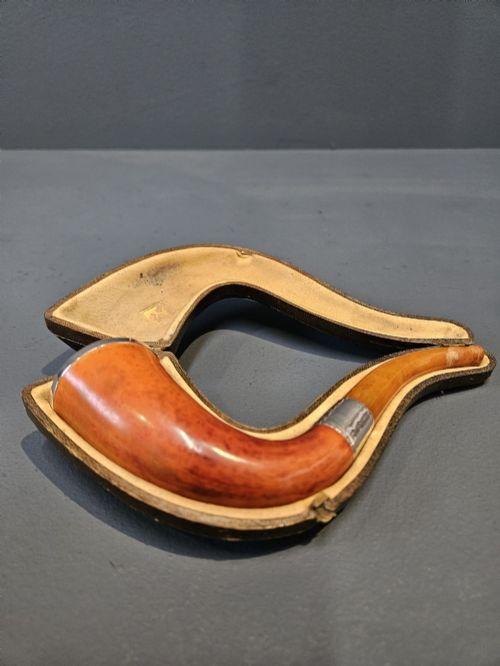
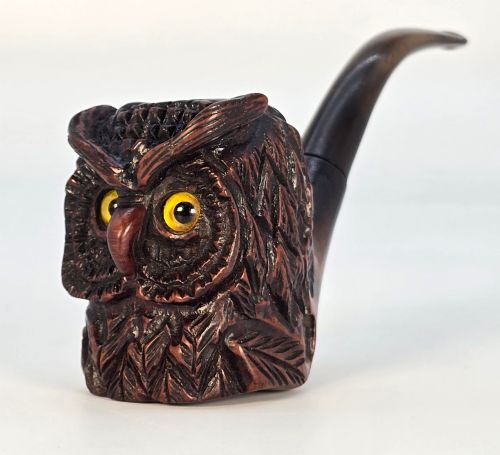
An edwardian tobacco pipe forms part of a broad range of smoking accessories and cabinets dating from the late nineteenth century into the 1920s. These pieces include briar wood pipes fitted with sterling silver mounts alongside cheroot holders and mechanical tobacco cutters.
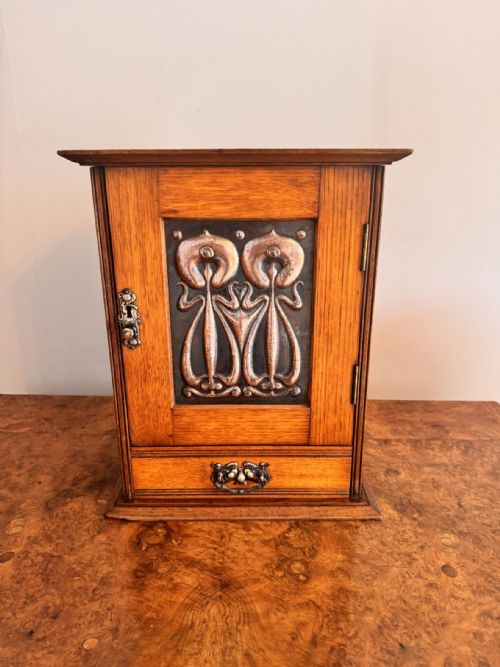
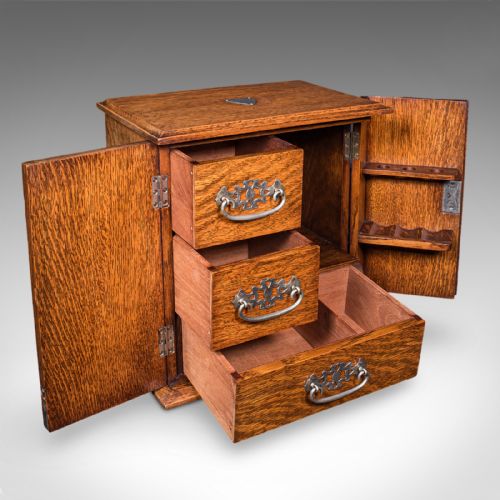
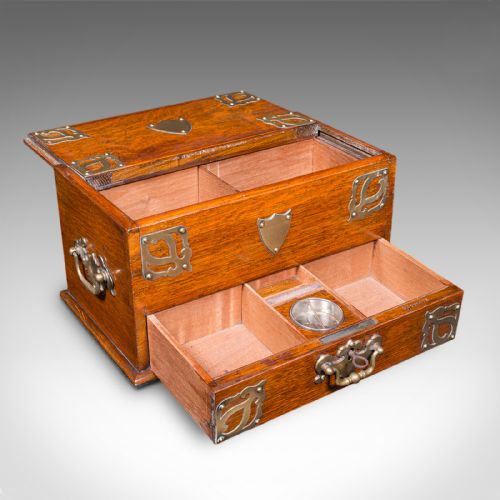
The most common examples on this page are briar wood pipes accompanied by fitted cases, often carrying silver mounts or amber stems. Alongside the pipes themselves, related tobacco storage items such as oak smokers cabinets, wall cabinets and ceramic tobacco jars appear frequently.
Makers and manufacturers from this era produced durable smoking equipment designed for daily use in club lounges and domestic rooms. Collectors encounter these items alongside larger smoking stands and inlaid satinwood cupboards.
How they were made
Makers fashioned edwardian tobacco pipe bowls predominantly from briar wood, selecting the material for its heat resistance and grain pattern. Silversmiths added sterling silver mounts and bands to reinforce the stems and provide decorative contrast.
Stems incorporated materials such as amber, whilst fitted cases utilised leather and velvet linings to protect the pipe during transport. Larger smoking items combined solid oak and mahogany with brass hardware and copper panels.
Materials span natural briar wood, amber, brass, sterling silver, oak, mahogany and satinwood alongside ceramic tobacco jars.
What varies in quality
The standard of an edwardian tobacco pipe rests upon the precision of its silver mounts and the quality of the briar wood grain. Superior examples retain their original fitted leather or velvet cases and bear clear hallmarks on the metal components.
Workshop execution differentiates standard production pieces from special commissions by named makers or firms. The inclusion of uncommon materials like amber stems or gold details elevates the distinction of the piece.
Blumfeld·Butz Choquin·Shapland and Petter·Royal Doulton·Southorn and Co Broseley
The Edwardian Tobacco Pipe Glossary
- Briar wood
- A dense burl wood derived from the root of the white heath tree, valued for pipe making because of its resistance to burning. It provides a durable bowl that handles high temperatures without cracking.
- Cheroot
- A cylindrical cigar with both ends cut straight, popular during the Edwardian period. Smokers used specialised holders made from silver, amber and gold to consume them.
- Churchwarden pipe
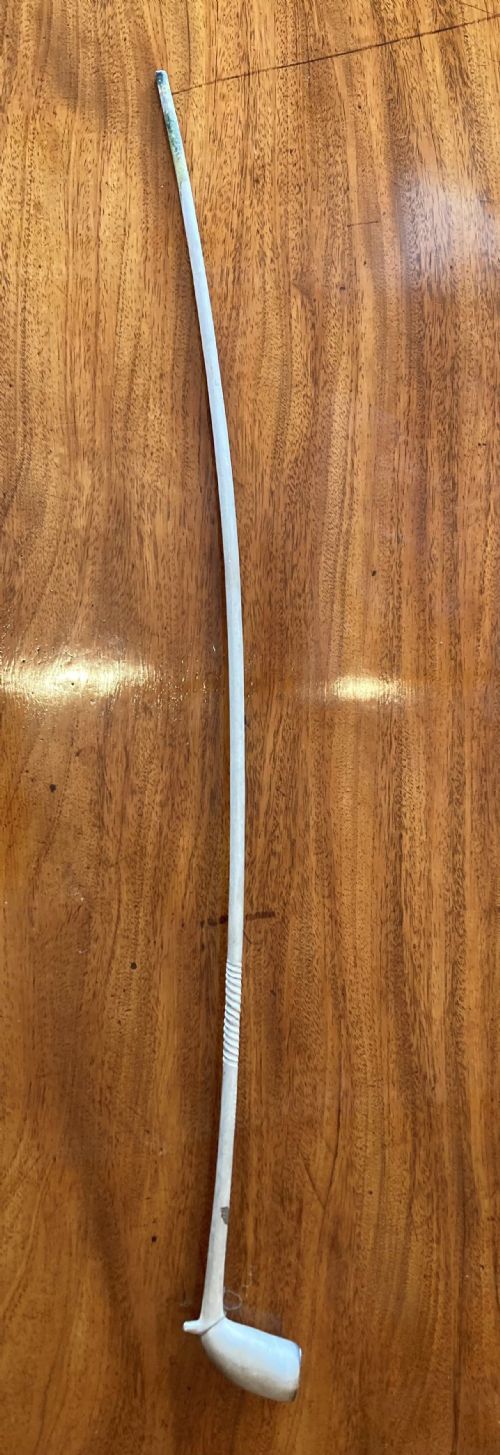
- A tobacco pipe characterised by an exceptionally long stem that delivers a cool smoke. Clay examples were common in the nineteenth century.
- Tobacco jar
- A specialised ceramic or wooden container designed to keep smoking leaf moist. Many featured internal lids and matching covers.
Edwardian Tobacco Pipe: Frequently Asked Questions
How do I store a tobacco pipe?
Smoking accessories from this period store best away from direct sunlight and extreme humidity fluctuations. Keeping pipes in dedicated wooden cabinets or their original fitted cases protects the wood and amber stems from damage.
Standing cabinets and wall cases provide ventilated storage while keeping the accessories organised alongside tobacco jars.
What is a churchwarden pipe?
A churchwarden pipe is a smoking pipe featuring a very long stem that creates a cooler smoke by the time it reaches the user. These pieces often appeared in clay during the nineteenth century.
The extended length requires careful handling during cleaning and storage.
How do I identify Edwardian smoking items?
Edwardian smoking pieces often display characteristics of Art Nouveau styling or clean Edwardian proportions in oak and mahogany. Silver components frequently carry hallmarks indicating the specific assay office and year of production.
Associated items include mechanical tobacco cutters and ceramic jars marked by period potteries.