


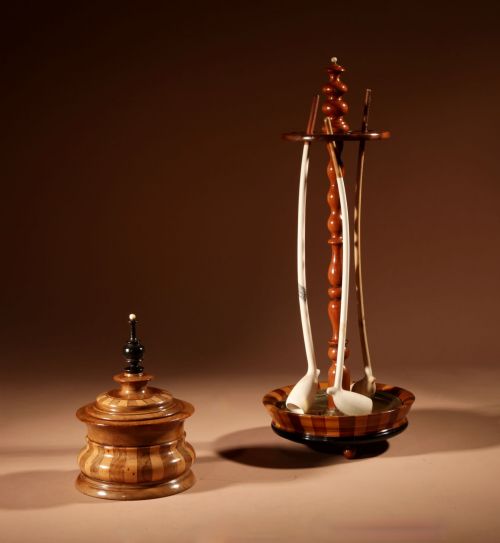


Collectible Tobacco Pipe
These collectible tobacco pipe pieces are enduring smoking accessories and tobacciana spanning the nineteenth century to the edwardian period.
Collectible Tobacco Pipe
A collectible tobacco pipe represents the practical smoking accessories and tobacciana of past centuries, encompassing everything from simple smoking pipes to elaborate smoking ensembles and pipe cases.
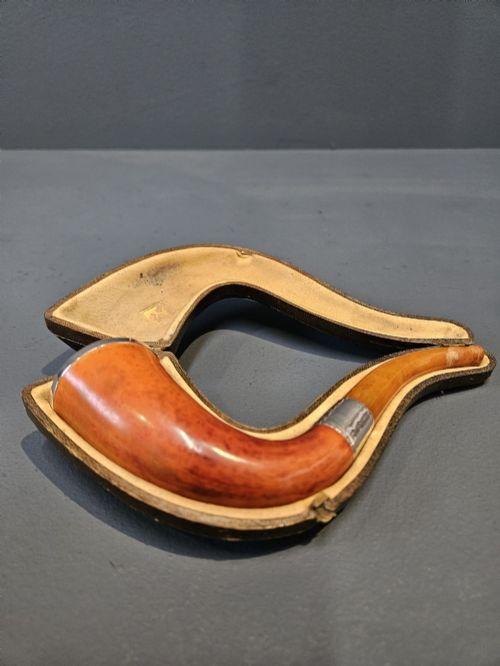
Buyers browsing this selection will most frequently encounter briar wood and carved meerschaum examples, alongside related items such as tobacco jars and mechanical cutters.
The objects date across the nineteenth century, the edwardian era, and the early twentieth century, reflecting varied domestic and social habits of those periods.
How they were made
Maker construction relies on traditional materials like briar wood, meerschaum, and carved wood, often paired with sterling silver mounts, brass, or amber.
Specialised techniques include fine carving, coopered woodwork, and quill assembly, sometimes enhanced by white metal or leatherette.
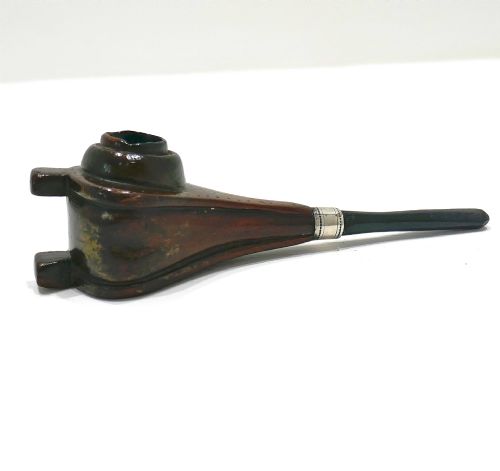
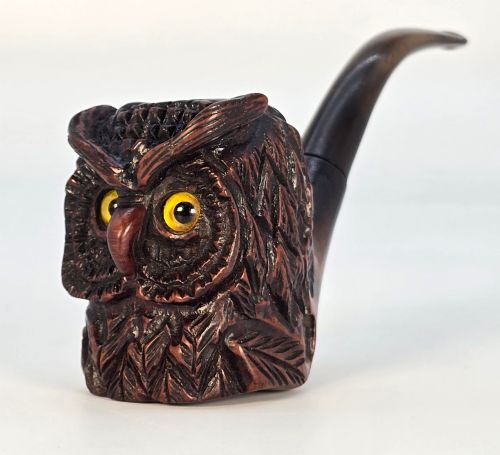
A world war one propaganda pipe carved from wood and horn shares space with a mechanical tobacco cutter and owl-themed briar.
What varies in quality
Quality rests in the precision of the carving and the integrity of mounted components such as silver collars and amber stems.
The distinction between standard utility items and finer examples lies in the artistic merit of decorative elements, including carved motifs and associated cases.
Blumfeld·Butz Choquin·Royal Doulton
The Collectible Tobacco Pipe Glossary
- Briar wood
- A dense and heat-resistant wood harvested from the root burl of the tree, commonly utilised for making durable pipe bowls.
- Meerschaum
- A soft white mineral carved into intricate pipe bowls that gradually absorb oils and colour with use.
- Trench art
- Objects fashioned by soldiers and prisoners from discarded materials during wartime, often incorporating carved wood and horn.
- Coopered
- Woodwork constructed from staves joined together with hoops, traditional for cylindrical containers like tobacco boxes and stands.
- Ojime
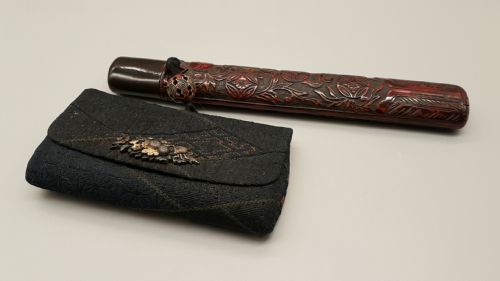
- A small bead used to fasten a traditional Japanese pouch or container to a sash.
Collectible Tobacco Pipe: Frequently Asked Questions
What materials make up these pipes?
These items utilise natural materials such as briar wood, carved meerschaum, horn, and amber. Metal elements like sterling silver and brass frequently appear as mounts or hardware.
Craftsmen also employed mahogany and quill for related smoking accessories and storage containers.
How do I identify an edwardian pipe?
Edwardian pieces generally date from the early twentieth century and often feature refined silver mounts on briar wood bowls. They reflect the formal social etiquette of the period.
Associated items from this era include mechanical tobacco cutters designed for domestic use.
Were these items used for smoking?
Many objects served a purely functional purpose in daily life, providing a practical means of enjoying tobacco. Smoking pipes and associated jars formed part of standard domestic smoking habits.
Other pieces, such as intricately carved meerschaum pipes or decorative cases, held significant aesthetic value alongside their utility.
What is trench art?
Trench art describes items created by service personnel during wartime using available materials and scraps. These pieces often feature hand-carved wood and horn detailing.
Such objects carry personal and historical narratives from the conflict eras in which they were produced.